Heathers
"Greetings and salutations to high school's most stylish nightmare."

The first time I saw the cover for Heathers at my local rental shop, I assumed it was just another neon-soaked, hairspray-heavy romp in the vein of The Breakfast Club (1985). The box art featured three identical, beautiful girls in blazers looking down their noses at the viewer. It looked safe. It looked "80s." But then I flipped the tape over and saw the tagline: "Best friends, social trends and occasional murder." I popped it into the VCR while eating a bowl of lukewarm SpaghettiOs directly from the pot, and within ten minutes, I realized that Michael Lehmann and writer Daniel Waters weren't here to join the Brat Pack; they were here to execute it.

The Anti-John Hughes Manifesto
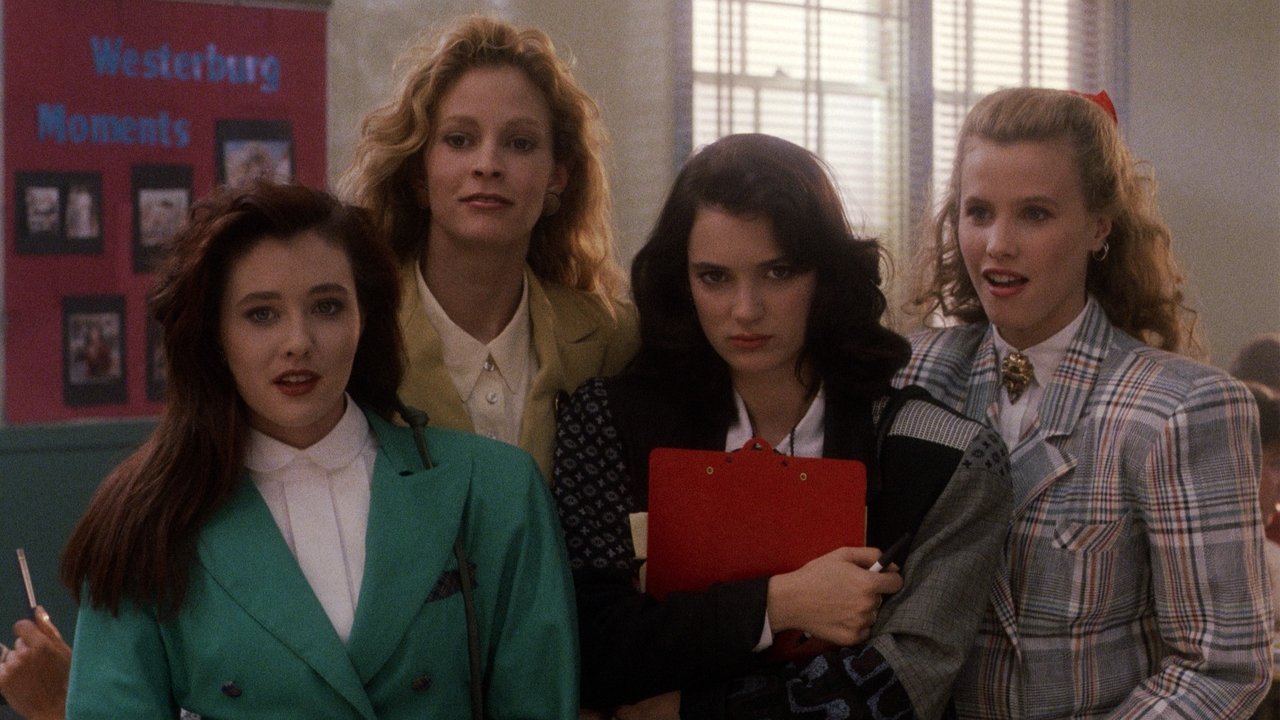
By 1989, the American high school movie had become a predictable machine of sentimental reconciliations and synth-pop montages. Heathers arrived like a pipe bomb wrapped in a scrunchie. It presents Westerburg High not as a place of growth, but as a feudal system governed by three girls all named Heather. They don’t want to be loved; they want to be feared.
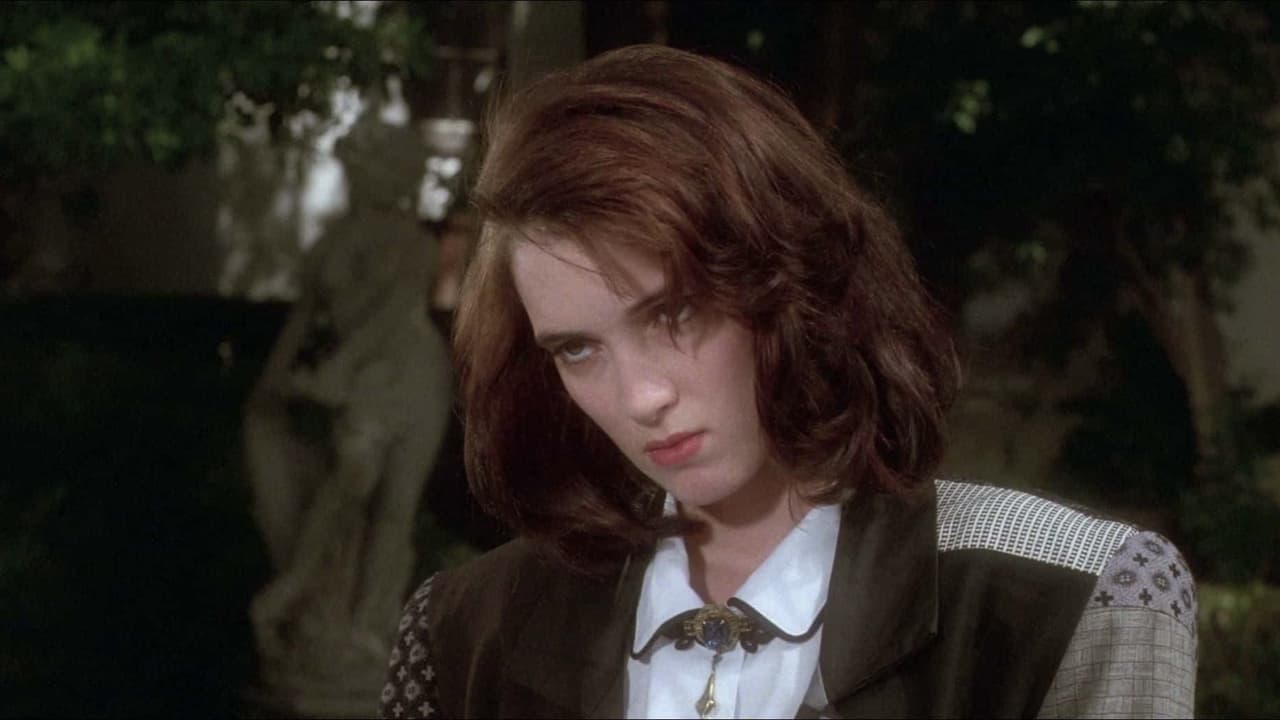
Winona Ryder plays Veronica Sawyer, the fourth wheel of the clique who possesses enough self-awareness to hate herself for her own popularity. Ryder was only sixteen when they filmed this, yet she carries the film with a weary, intellectual cynicism that makes her feel thirty. When she meets Jason 'J.D.' Dean, played by a dangerously charismatic Christian Slater, the movie shifts from a sharp social satire into a pitch-black thriller. Slater’s Jack Nicholson impression is so committed it actually manages to be more unsettling than the real Nicholson. He doesn't just want to date the prom queen; he wants to blow up the gym.
Neon, Shoulder Pads, and Arsenic
The genius of Heathers lies in its hyper-stylized reality. The dialogue, penned by Daniel Waters, is a linguistic fever dream. Phrases like "What's your damage?" and "How trendy" aren't just catchphrases; they are weapons used to maintain the social hierarchy. It feels like a precursor to the stylized violence of Quentin Tarantino or the linguistic gymnastics of Whit Stillman.
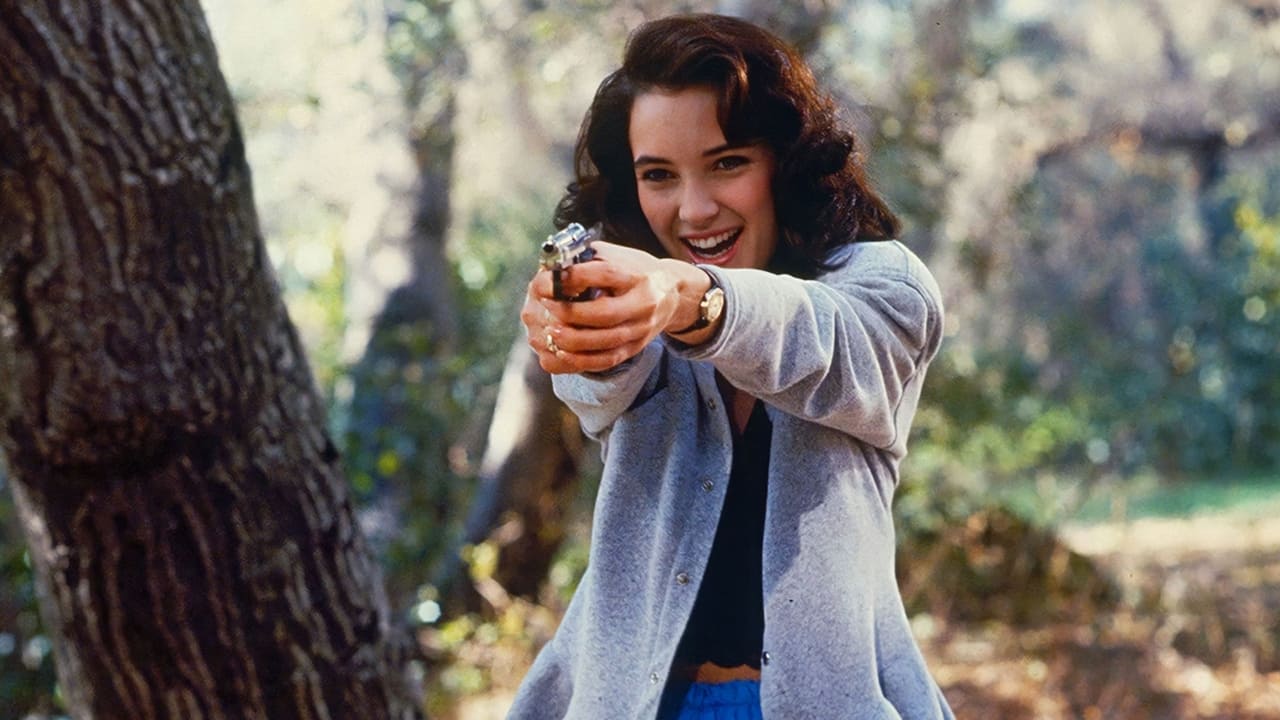
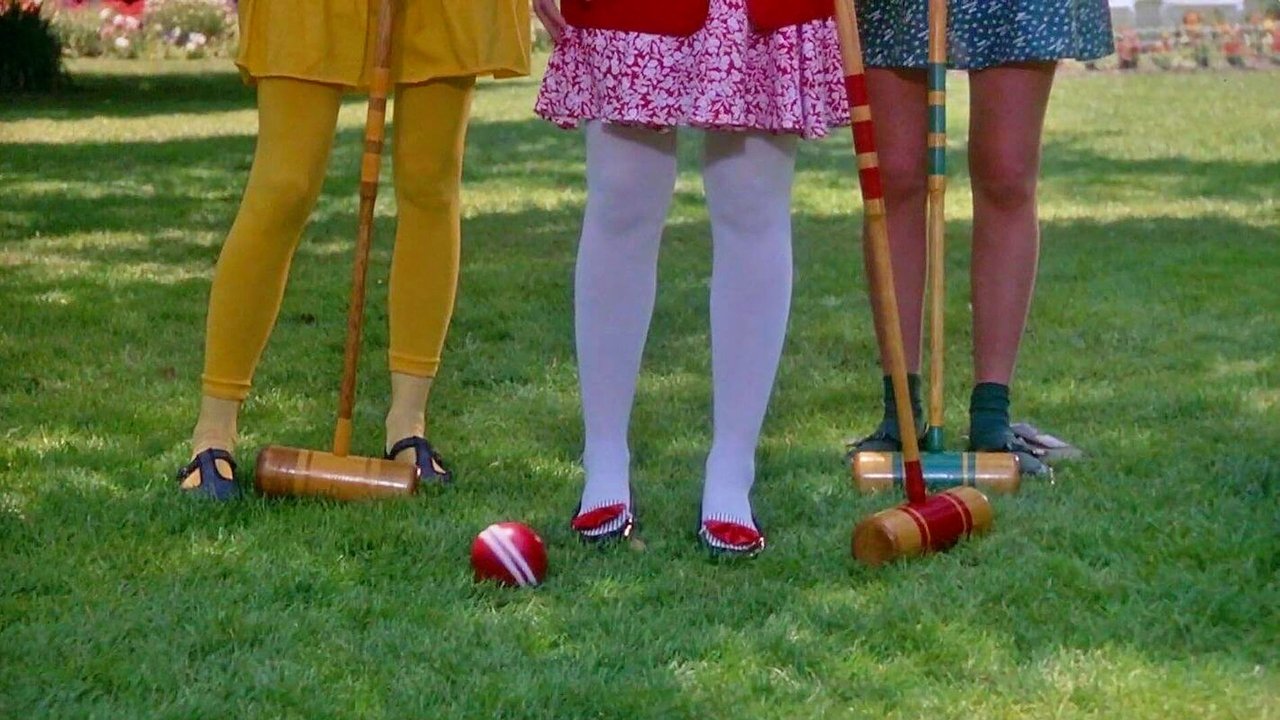
Visually, the film is a masterclass in using a limited $3 million budget to create a distinct universe. Francis Kenny’s cinematography utilizes harsh, saturated primary colors—red for the lead Heather, yellow and green for the subordinates—that make the school feel like a colorful prison. The practical effects are grimly efficient. There’s no CGI to hide behind when a character drinks "hull cleaner" or when a game of "strip croquet" turns into a crime scene. It’s the kind of movie where the production design feels like it’s mocking the characters.
The dark tone was a massive risk. At the time, New World Pictures was struggling, and a comedy about teen suicide and school bombings wasn't exactly a "safe" bet. In fact, the original script ended with the school actually exploding and a prom taking place in heaven. The studio balked, and Lehmann settled for the current ending, which is arguably more haunting because it suggests the social cycle will just start all over again with a different set of villains.
The Video Store Resurrection
Heathers was a flat-out dud at the box office, clawing back barely a third of its budget. In the 1980s, if you weren't a blockbuster, you lived or died by the VHS rental market. This is where the film's legend was born. It became a "secret" movie—the one you’d recommend to the kid in the back of the class who wore too much eyeliner.
The film’s journey from a flop to a cultural touchstone is the quintessential indie success story. Kim Walker, who played the iconic Heather Chandler, allegedly improvised the legendary "Lick it up, baby" line during her audition, perfectly capturing the film's cruel spirit. That spirit resonated with a home video audience that was tired of the Reagan-era "Just Say No" optimism. It felt honest in its ugliness. It acknowledged that high school isn't just about finding yourself; it's about surviving the people who want to erase you.
Watching it now, the film feels eerily prophetic about the way we consume tragedy as entertainment. When the school mourns the "suicides" of the popular kids, the grief is performative, led by Penelope Milford’s hippie teacher who views the deaths as a chance to hold a "love-in." The satire cuts deep because it refuses to offer the "we're all in this together" hug that defines almost every other teen movie of the era.
Heathers is the crown jewel of the 80s dark comedy genre, a film that dared to be mean when everyone else was being nice. It’s stylish, quotable, and genuinely uncomfortable in its nihilism. While some of the 80s-specific references have aged, the core truth about the brutality of social hierarchies remains as sharp as a croquet mallet to the shin. If you’ve ever felt like an outsider looking in, or an insider looking for the exit, this is your holy text. Lick it up, baby. Lick. It. Up.
Keep Exploring...
-
Police Academy
1984
-
Beverly Hills Cop
1984
-
Clue
1985
-
Raising Arizona
1987
-
Dirty Rotten Scoundrels
1988
-

The Naked Gun: From the Files of Police Squad!
1988
-
Crimes and Misdemeanors
1989
-

After Hours
1985
-
Police Story
1985
-

A Fish Called Wanda
1988
-
The Sting
1973
-

Murder by Death
1976
-
In the Heat of the Night
1967
-

Dirty Harry
1971
-
Mean Streets
1973
-

Serpico
1973
-
Badlands
1974
-

The Conversation
1974
-

Assault on Precinct 13
1976
-

Man Bites Dog
1992