Kiki's Delivery Service
"Magic is a lot like painting—sometimes it just stops working."
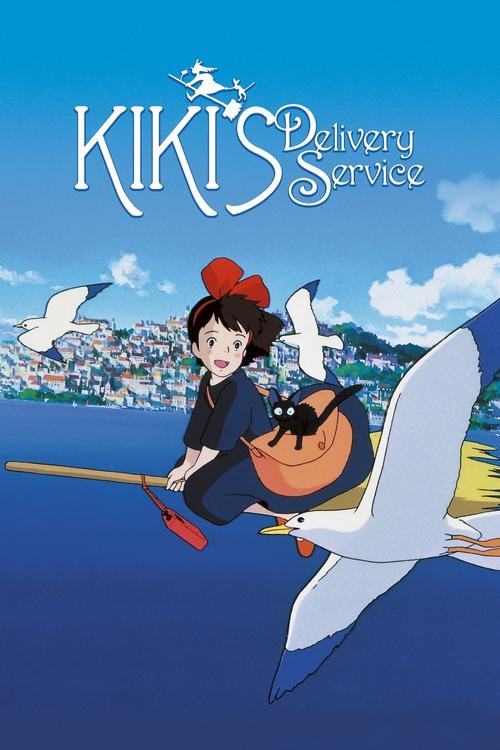
In 1989, as the Berlin Wall was crumbling and the flashy neon excess of the 1980s began its slow slide into the grungier 90s, Hayao Miyazaki gave us a story about a girl, a cat, and a delivery route. While American audiences were flocking to the high-concept spectacle of Batman or the aquatic Broadway of The Little Mermaid, Studio Ghibli was busy perfecting a very different kind of magic. I watched this film again recently on a Tuesday morning while waiting for a plumber to arrive, drinking lukewarm tea that tasted faintly of dish soap, and I was struck by how little it cares about "fantasy" and how much it cares about the exhaustion of being alive.
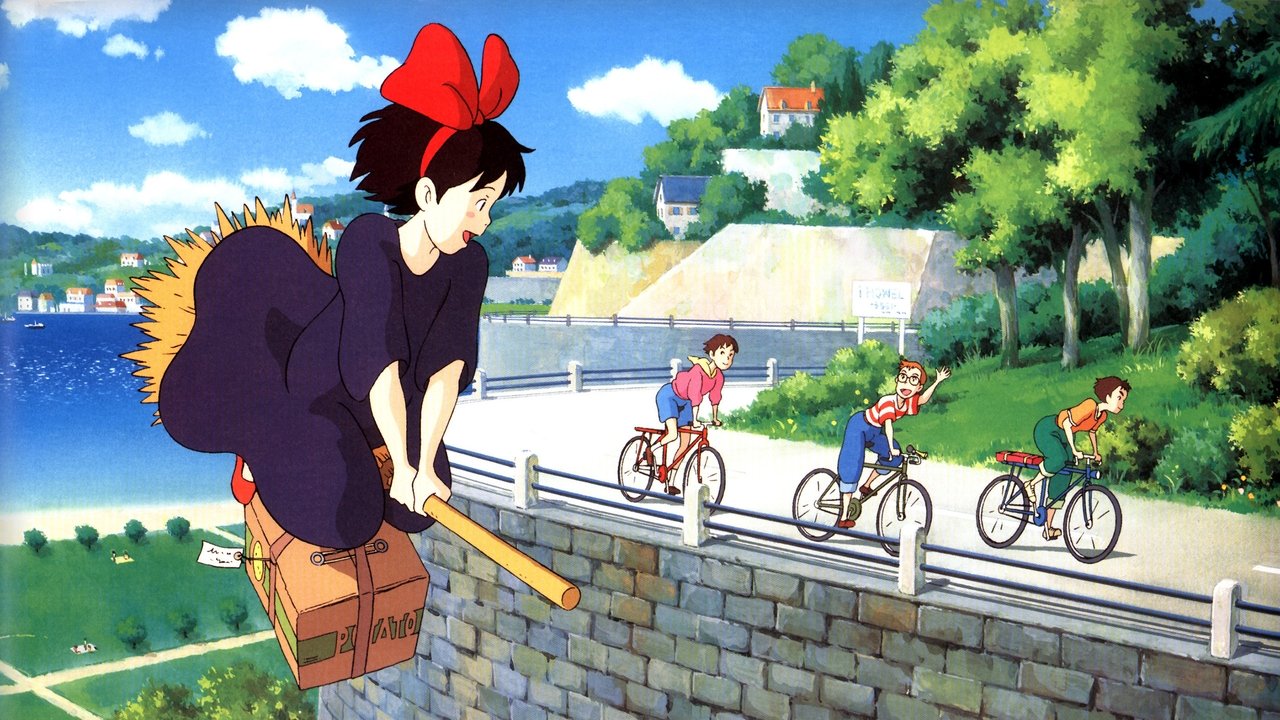
Kiki’s Delivery Service is often categorized as a "family film," but that feels like a bit of a reductive label for what is, in reality, a deeply cerebral drama about the existential dread of the creative professional. It just happens to feature a talking cat.
The Weight of the Broom
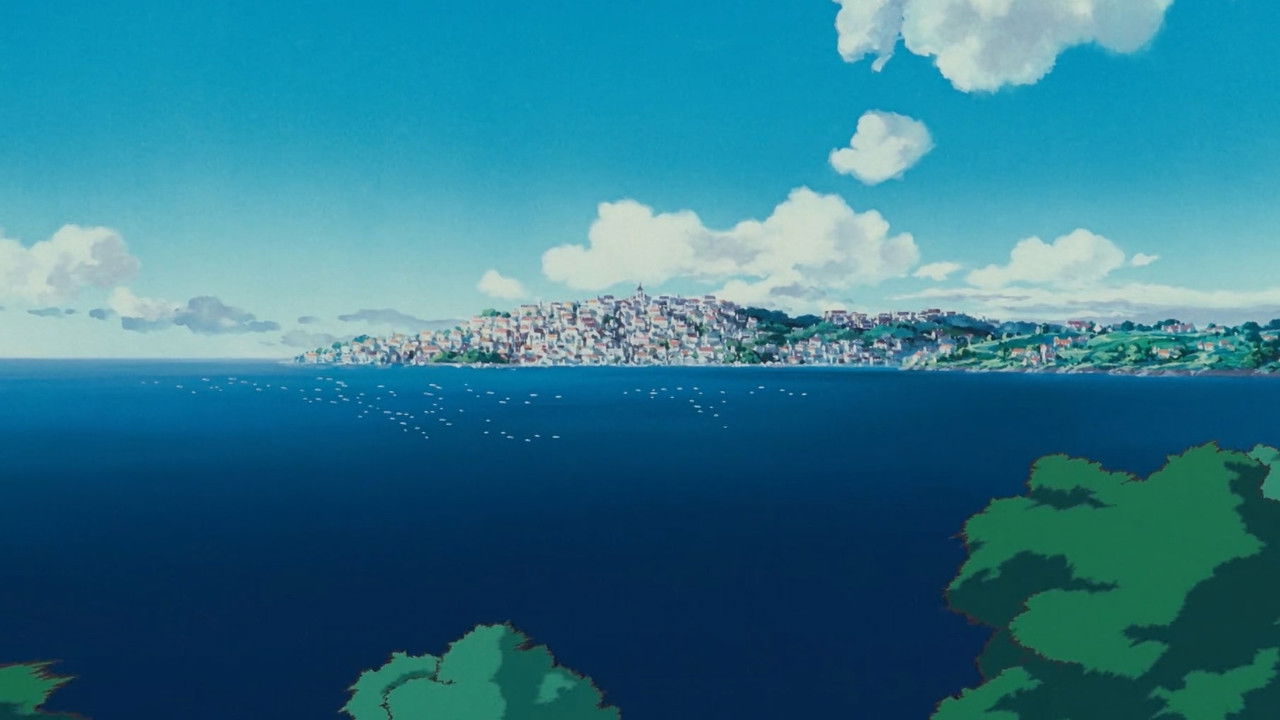
The premise is deceptively simple: Kiki, a thirteen-year-old witch, must leave home for a year of independent study. She settles in a stunning, Mediterranean-inspired city called Koriko—a place Hayao Miyazaki and his team modeled after Stockholm and Visby after a research trip to Sweden. But unlike the grand quests of The Hobbit or the high-stakes heroics of Castle in the Sky, Kiki’s challenge is mundane. She needs to pay rent. She needs to find a job. She needs to figure out why the "newness" of her independence feels so much like loneliness.
Minami Takayama, who would later become a legend as the voice of Conan Edogawa in Detective Conan, provides a performance that is remarkably grounded. There is no "acting" in the theatrical sense; instead, there’s a quiet, rhythmic cadence to her voice that captures the transition from teenage bravado to the crushing realization that moving to a new city is basically just a series of awkward interactions with strangers.
The drama here is internal. When Kiki loses her ability to fly and her ability to speak with her cat, Jiji (voiced with wonderful dry wit by Rei Sakuma), it isn't because of a curse or a dark wizard. It’s because she’s depressed. She has turned her passion—flying—into a job, and the job has hollowed her out. For anyone who has ever turned a hobby into a career and felt their soul slowly leave their body, this movie is a psychological horror film disguised as a cozy afternoon.
The Prestige of the Hand-Drawn Line
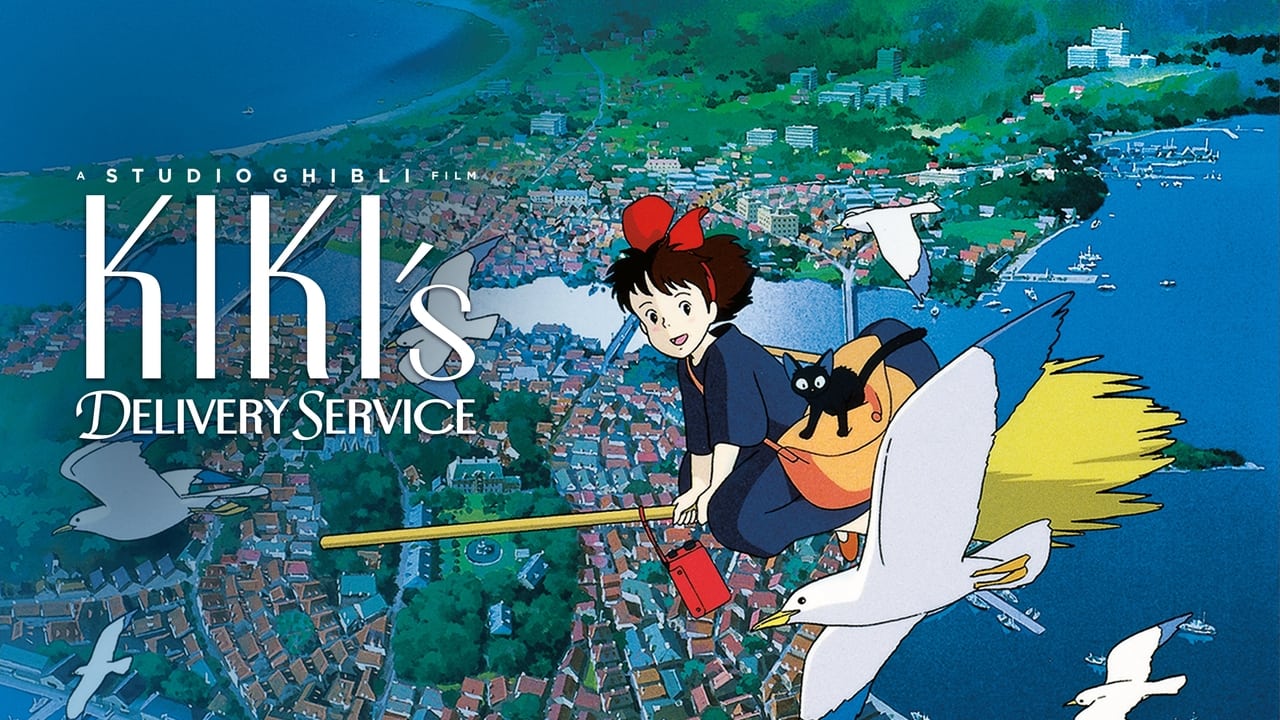
From a production standpoint, Kiki represents the pinnacle of the pre-CGI era. The practical artistry on display is staggering. Consider the scene where Kiki delivers a herring and pumpkin pot-pie in the rain. The way the water clings to her broom, the weight of the soggy flour bag, the specific gray-blue hue of a seaside storm—it all feels "real" because it was observed. Juro Sugimura’s cinematography doesn't just capture movement; it captures atmosphere.
The score by Joe Hisaishi, a long-time Miyazaki collaborator who also composed the haunting themes for My Neighbor Totoro and Princess Mononoke, is a masterclass in tonal balance. It’s whimsical when it needs to be, but it carries a persistent, nostalgic ache. It’s the sound of a childhood that is ending in real-time.
Behind the scenes, the film was a massive risk. Studio Ghibli was still finding its financial footing after the dual release of Grave of the Fireflies and My Neighbor Totoro (which are now classics but were modest successes at the time). Kiki was the film that saved the studio, becoming the highest-grossing film in Japan in 1989. It was treated with the kind of "prestige" usually reserved for live-action historical epics, proving that animation could handle the subtle nuances of a character study without needing a traditional antagonist.
The Clamshell Legacy
For those of us in the West, Kiki has a very specific "texture" tied to the home video revolution. Most of us didn't see this in a theater; we found it in the late 90s in those oversized, white plastic Disney clamshell VHS cases. This was part of the landmark deal between Disney and Ghibli that brought Miyazaki’s work to the masses.
I still have a soft spot for the 1998 dub, mostly because of Phil Hartman. His performance as Jiji is much more sarcastic than the original Japanese version, but it added a layer of "80s buddy comedy" energy that helped bridge the cultural gap for American kids. Re-watching it now, you can almost see the tracking lines on the screen in your mind’s eye. It’s a film that lived in the VCR, watched so many times that the tape eventually became a bit fuzzy during the climactic dirigible rescue—which, by the way, is the only time a blimp has ever felt as threatening as a Great White Shark.
The "Prestige" element of the film is most evident in the scene with Ursula, the painter Kiki meets in the woods. Their conversation about artistic block is the most "cerebral" moment in the Ghibli canon. Ursula explains that when she can’t paint, she just stops. She walks, she naps, she waits. It’s a radical piece of philosophy to put in a "kids' movie": the idea that your value isn't tied to your productivity. The real villain of the movie isn't the crows or the storm; it's the crushing weight of capitalism on a thirteen-year-old.
In the end, Kiki regains her flight, but she doesn't regain everything. The ending is bittersweet; she finds her place in the community, but the easy, magical communication of her childhood (her talks with Jiji) remains gone. It’s a sophisticated, honest conclusion that respects the viewer’s intelligence. It suggests that while we can overcome our slumps, we are always changed by them. It’s a beautiful, quiet masterpiece that deserves every bit of its reputation, even if it makes you want to quit your job and move to a seaside town with a very talkative cat.

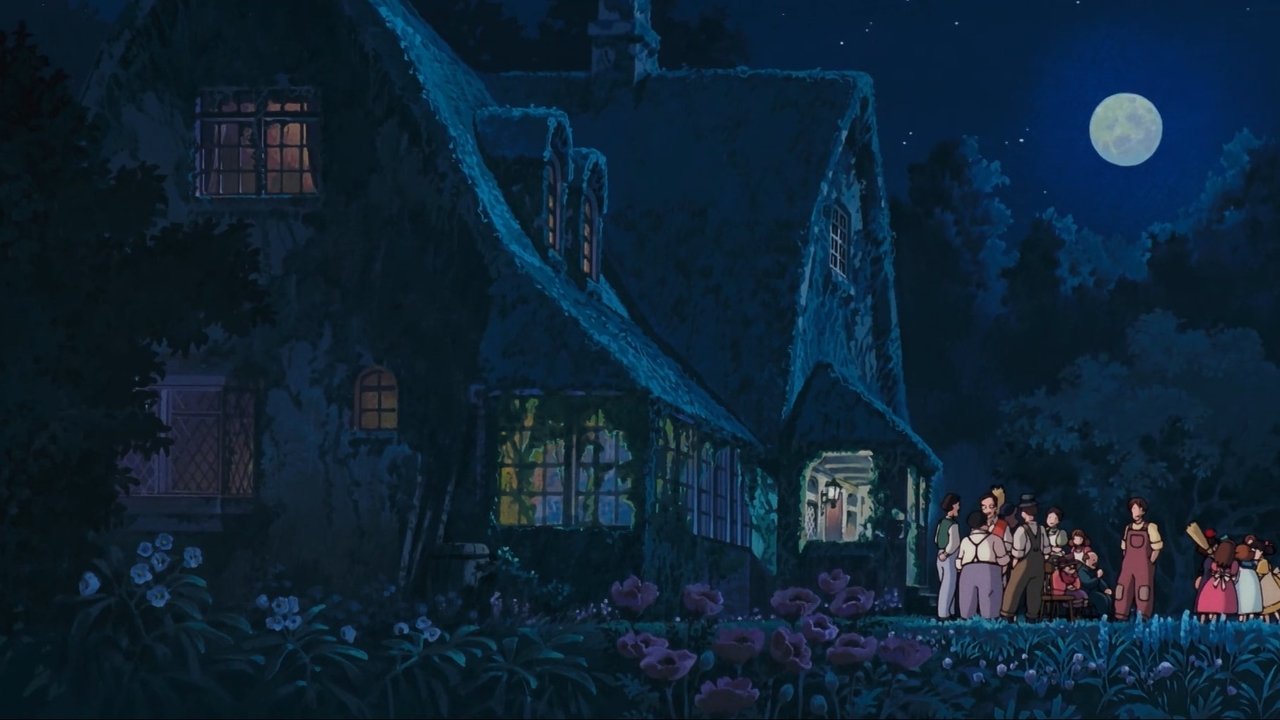
Keep Exploring...
-
Castle in the Sky
1986
-
My Neighbor Totoro
1988
-
Nausicaä of the Valley of the Wind
1984
-
Ponyo
2008
-
Porco Rosso
1992
-
The Boy and the Heron
2023
-

All Dogs Go to Heaven
1989
-

Spirited Away
2001
-
Princess Mononoke
1997
-
The Boy and the Beast
2015
-

Howl's Moving Castle
2004
-
The Castle of Cagliostro
1979
-
Wolf Children
2012
-
The Secret World of Arrietty
2010
-
The NeverEnding Story
1984
-
The Little Mermaid
1989
-
The Wind Rises
2013
-
Whisper of the Heart
1995
-
Guillermo del Toro's Pinocchio
2022
-
Soul
2020