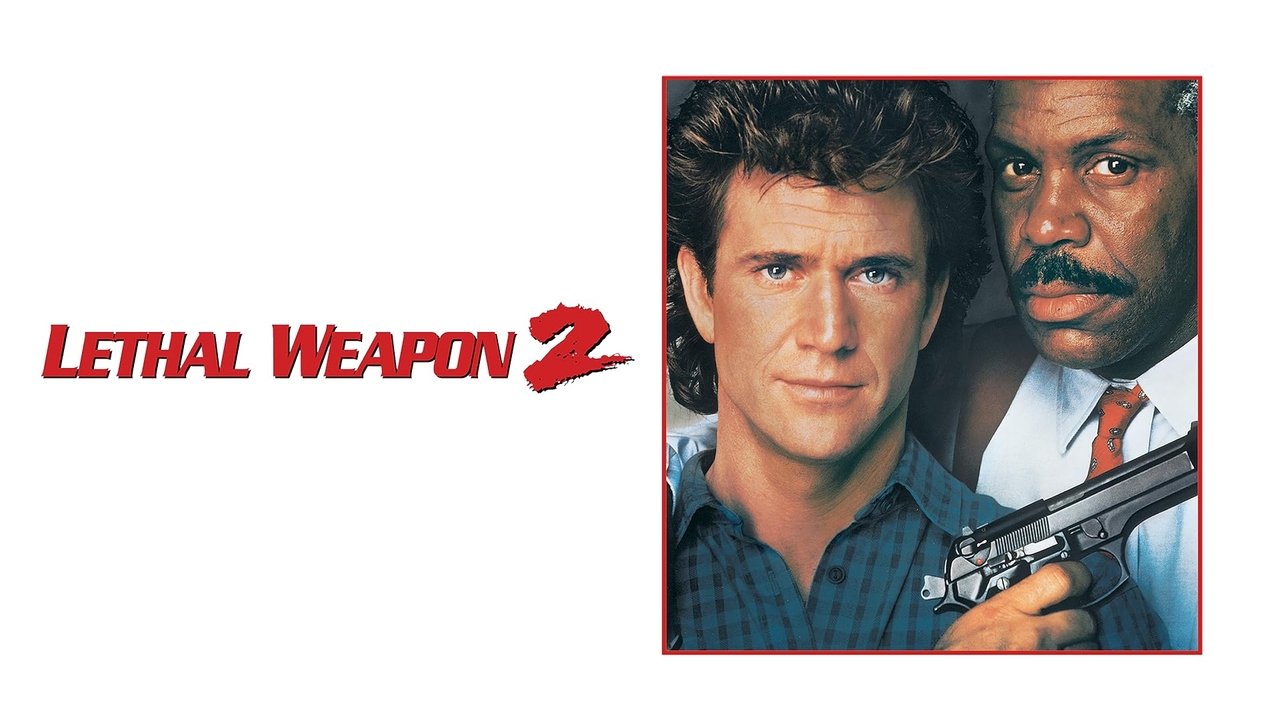
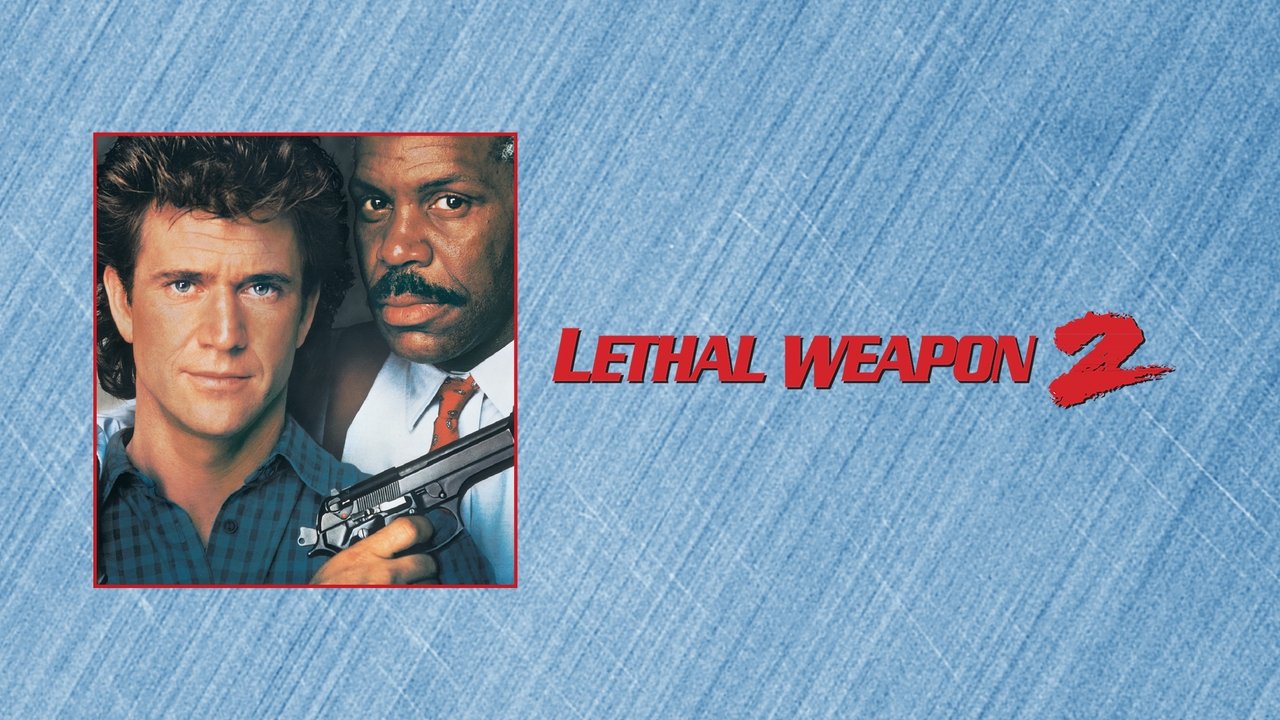
Lethal Weapon 2
"Diplomatic immunity is about to be revoked."
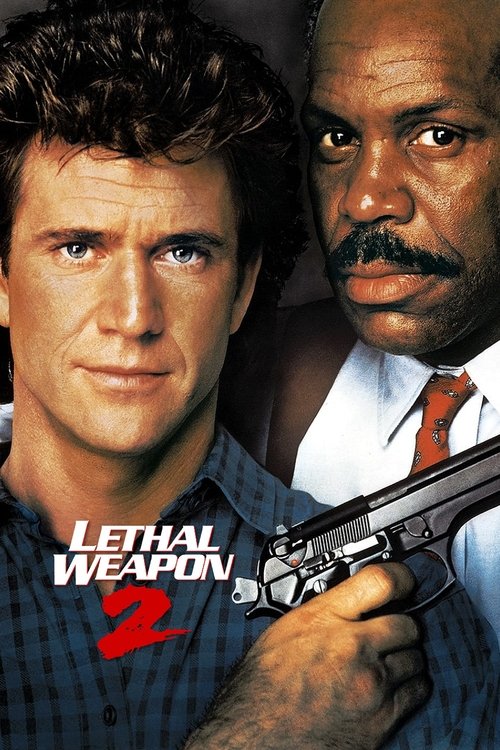
The summer of 1989 was a battlefield of giants. You had Batman looming over Gotham and Indiana Jones hunting for the Grail, but if you walked into a video store six months later, there was one tape that was almost always missing from the shelf: Lethal Weapon 2. I remember the specific anticipation of seeing that yellow-and-black spine on the rental wall, knowing that whatever frustrations I had with the world would be cured by two hours of Mel Gibson and Danny Glover breaking everything in Southern California.
I actually watched this film for the twentieth time last Tuesday while trying to assemble a very complicated Swedish bookshelf, and I realized that the rhythm of the dialogue is better at relieving stress than any therapist. There is a specific kind of magic in a sequel that manages to double the stakes while actually increasing the heart. While the 1987 original was a dark, rain-slicked noir about a man with a death wish, the sequel is a sun-drenched, high-octane celebration of the world's most chaotic friendship.
The Leo Getz Factor
The genius move by director Richard Donner and screenwriter Jeffrey Boam wasn't just bringing back the core duo; it was the introduction of Joe Pesci as Leo Getz. At the time, Joe Pesci wasn't yet the Oscar-winning heavy from Goodfellas; he was a high-pitched, fast-talking "money launderer to the stars" who injected a frantic, comedic energy that the franchise desperately needed to stay fresh. I’ll say it: Joe Pesci is essentially a human cartoon who wandered into a Peckinpah movie, and it works perfectly.
His chemistry with Mel Gibson’s Martin Riggs and Danny Glover’s Roger Murtaugh turns the film into a three-way tug-of-war. Riggs is still a loose cannon, but he’s found a family. Murtaugh is still "too old for this," but he’s finally embracing the madness. The "drive-thru" rant remains one of the most relatable pieces of dialogue in cinema history. It’s the kind of character work that makes you care about the people inside the cars before they inevitably fly off a bridge.
Practical Mayhem and High Stakes
In an era before digital doubles, Lethal Weapon 2 was a showcase for the "Practical Effects Golden Age." When you see a red BMW flying through the air or a surfboard impaling a windshield, you’re seeing real physics at work. The centerpiece stunt—where Riggs uses a winch and a dually truck to literally pull a stilt-house off a Hollywood hillside—is a masterpiece of production. Apparently, that sequence alone cost $500,000 to film, which was a massive chunk of their $25 million budget. You can feel the weight of the timber and the tension of the cables; it’s a reminder that CGI can never quite replicate the soul of a real explosion.
The villains here also deserve a shout-out for being genuinely loathsome. By casting Joss Ackland as Arjen Rudd and Derrick O'Connor as the icy Pieter Vorstedt, the film tapped into the real-world tension of Apartheid-era South Africa. Making the antagonists diplomats with "diplomatic immunity" gave the audience a specific, legalistic frustration to chew on. It made the eventual "revoking" of said immunity one of the most cathartic endings in action history. Derrick O'Connor, in particular, is terrifying as a man who seems to genuinely enjoy the "human work" of being a hitman.
The Stuff You Didn't Notice
Behind the scenes, the film was a massive win for Warner Bros., turning that $25 million investment into a staggering $227 million worldwide. It wasn't just a hit; it was a phenomenon that defined the "buddy cop" blueprint for the next thirty years. But it almost looked very different. Shane Black, who wrote the first film, turned in a draft for the sequel where Riggs actually dies at the end. The studio, recognizing they had a golden goose, essentially told him to go back to the drawing board. When he refused to soften the script, Jeffrey Boam was brought in to give us the version where Riggs survives (and we get two more sequels).
Another fun detail for the gearheads: the surfboard scene was achieved by firing a real board out of a nitrogen cannon. It’s those little touches—the commitment to the "bit"—that make the film feel so tactile. Even the tragic romance with Patsy Kensit's Rika Van Den Haas feels earned, giving Riggs a reason to go "full Berserker" in the final act. It balances the comedy of the toilet bomb (a sequence that manages to be both hilariously tense and weirdly touching) with the gritty vengeance of the shipyard finale.
Lethal Weapon 2 is the rare sequel that understands exactly what the audience wants without becoming a parody of itself. It’s a perfect snapshot of 1989—the saxophones are loud, the hair is feathered, and the stunts are bone-crunchingly real. Whether you’re watching it for the first time or the fiftieth, the chemistry between the leads is an absolute joy to behold. It’s the cinematic equivalent of a perfect cheeseburger: familiar, satisfying, and better than almost anything else on the menu.
***
Spotted a mistake? Let us know in the comments. And remember: if you're ever sitting on a rigged toilet, wait for the count of three. Or was it on three? Either way, don't move.
Keep Exploring...
-
Lethal Weapon 3
1992
-
Lethal Weapon 4
1998
-
Lethal Weapon
1987
-

Midnight Run
1988
-
Turner & Hooch
1989
-
Maverick
1994
-
Tango & Cash
1989
-

RED
2010
-

Bad Boys: Ride or Die
2024
-
Ladyhawke
1985
-
The Goonies
1985
-
Beverly Hills Cop II
1987
-
The Blues Brothers
1980
-
Bird on a Wire
1990
-
Romancing the Stone
1984
-
Big Trouble in Little China
1986
-
Bad Boys
1995
-
The Hitman's Bodyguard
2017
-

16 Blocks
2006
-

Superman
1978