Licence to Kill
"Bond goes rogue and bleeds in the sun."
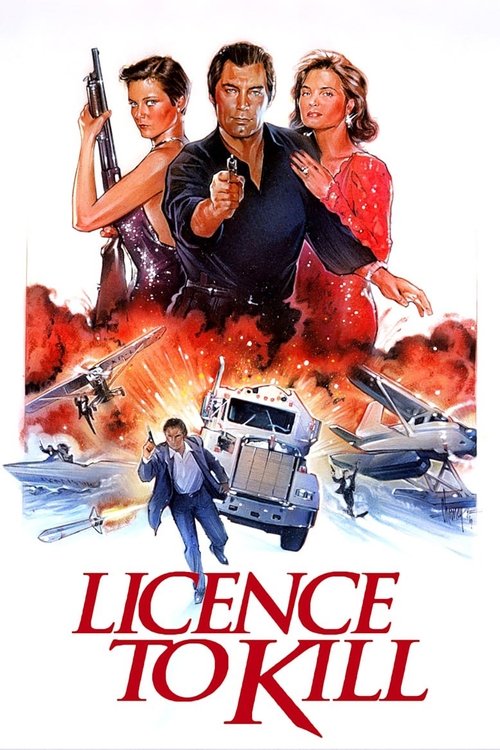
I clearly remember the first time I popped the Licence to Kill VHS into my top-loading VCR. I was expecting the usual gadgets, the invisible cars (metaphorically speaking), and the lighthearted puns of the Roger Moore years. Instead, within the first twenty minutes, a man is fed to a shark and Bond’s best friend is left a bloody mess with a note pinned to his chest: "He disagreed with something that ate him." I sat there on my beanbag chair, nursing a glass of lukewarm Hawaiian Punch, and realized that the James Bond I knew had just been replaced by a man who looked like he actually wanted to kill someone.
The Shakespearean Hitman
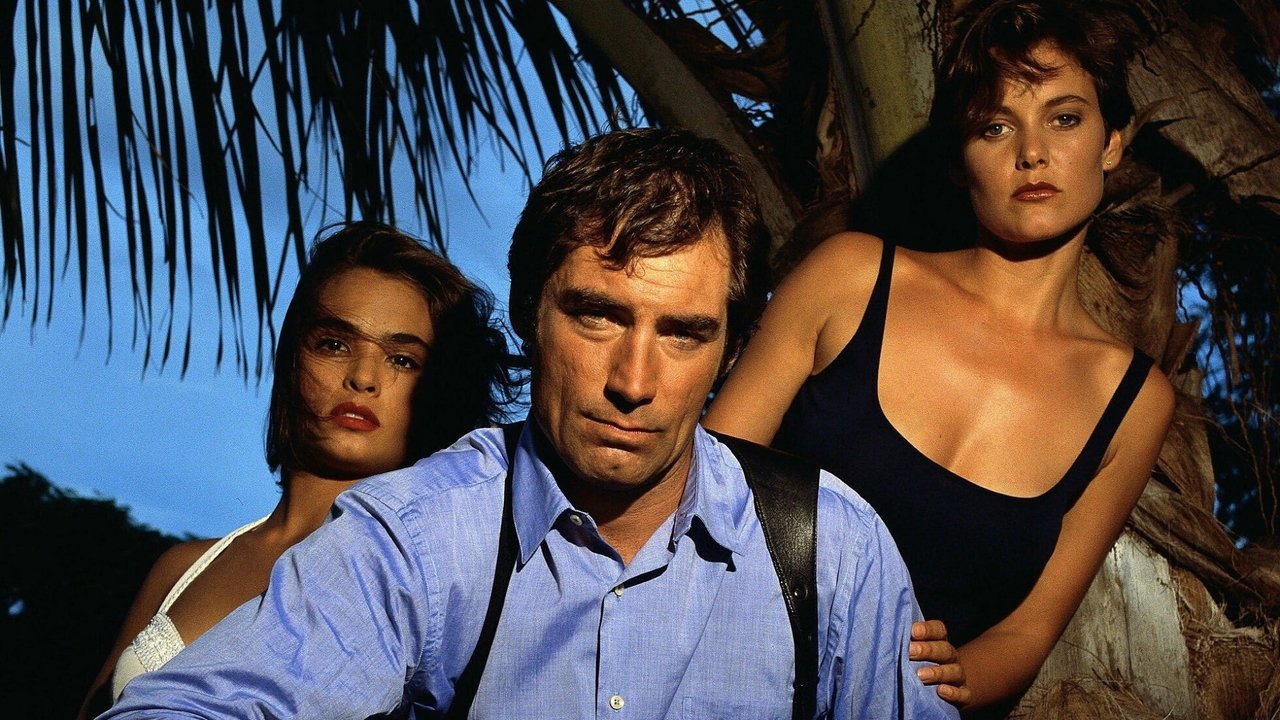
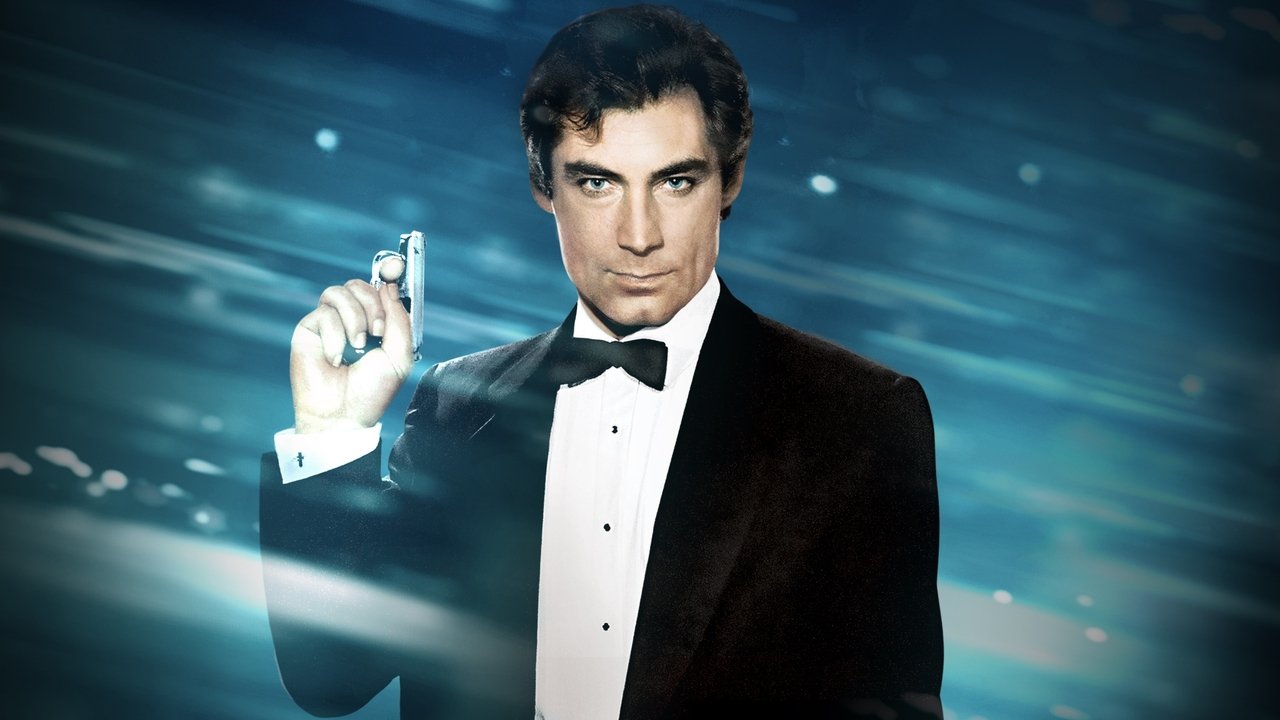
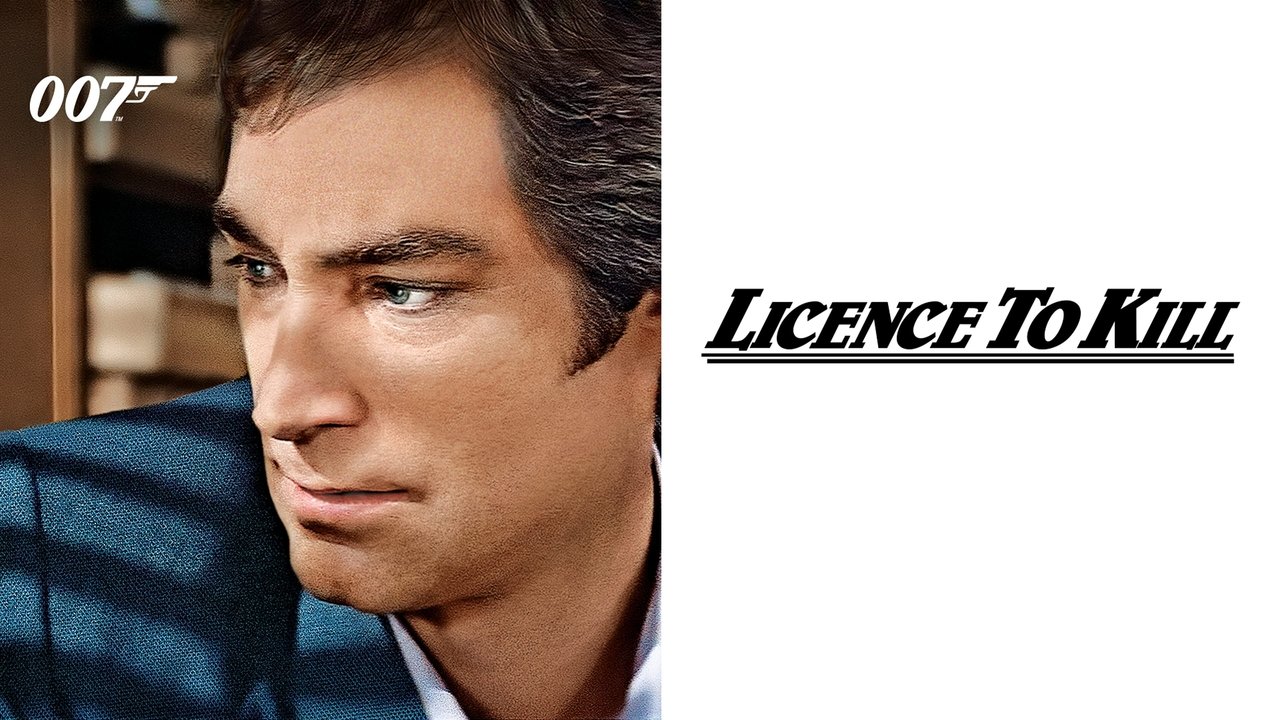
Timothy Dalton is the hill I am prepared to die on. After the safari-suit silliness of the late 70s, Dalton brought a jagged, nervous energy to 007 that audiences in 1989 weren’t quite ready for. He plays Bond as a man on the edge of a nervous breakdown—sweaty, disheveled, and fueled by a very un-British sense of rage. While critics at the time complained he was too serious, looking back through the lens of the modern era, he was essentially doing the Daniel Craig "gritty reboot" twenty years before it was cool.
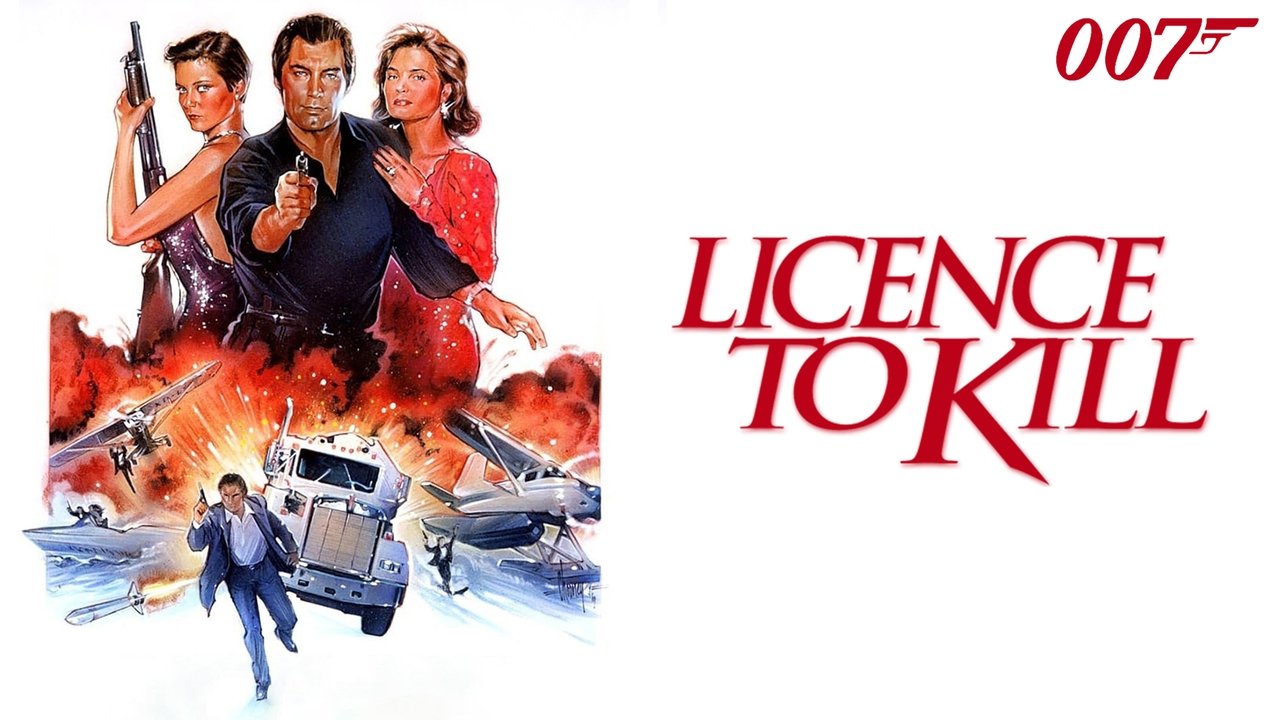
The plot is famously stripped of its "save the world" stakes. There are no space lasers or hollowed-out volcanoes. Instead, Bond resigns from MI6, loses his titular license, and goes on a scorched-earth vendetta against Franz Sanchez (Robert Davi). Watching Dalton navigate this is a treat; he doesn't just shoot people; he infiltrates Sanchez’s inner circle like a poisonous snake. I personally think Dalton’s hair in this movie is the most underrated special effect of the 80s, managing to stay perfectly coiffed even while he’s hanging off the side of a mid-air drug-runner plane.
Villainy with a Smile
Speaking of Robert Davi, he provides us with one of the most grounded and genuinely menacing villains in the franchise's history. Sanchez isn't a cartoon; he’s a drug lord who prizes loyalty above all else. Davi plays him with a slick, reptilian charm that makes you understand why people follow him, which only makes his outbursts of violence more jarring.
Then there’s the supporting cast, which feels like a "Who’s Who" of 80s character actors and future stars. A very young, very lean Benicio del Toro shows up as Dario, a henchman who radiates "I’m going to enjoy cutting you" energy. On the side of the angels, we have Carey Lowell as Pam Bouvier. She’s easily one of the most capable "Bond Girls" of the era—an ex-Army pilot who can handle a shotgun better than Bond can handle a cocktail shaker. She doesn't just wait around to be rescued; she’s often the one doing the rescuing.
Practical Mayhem on the Mexicali Highway
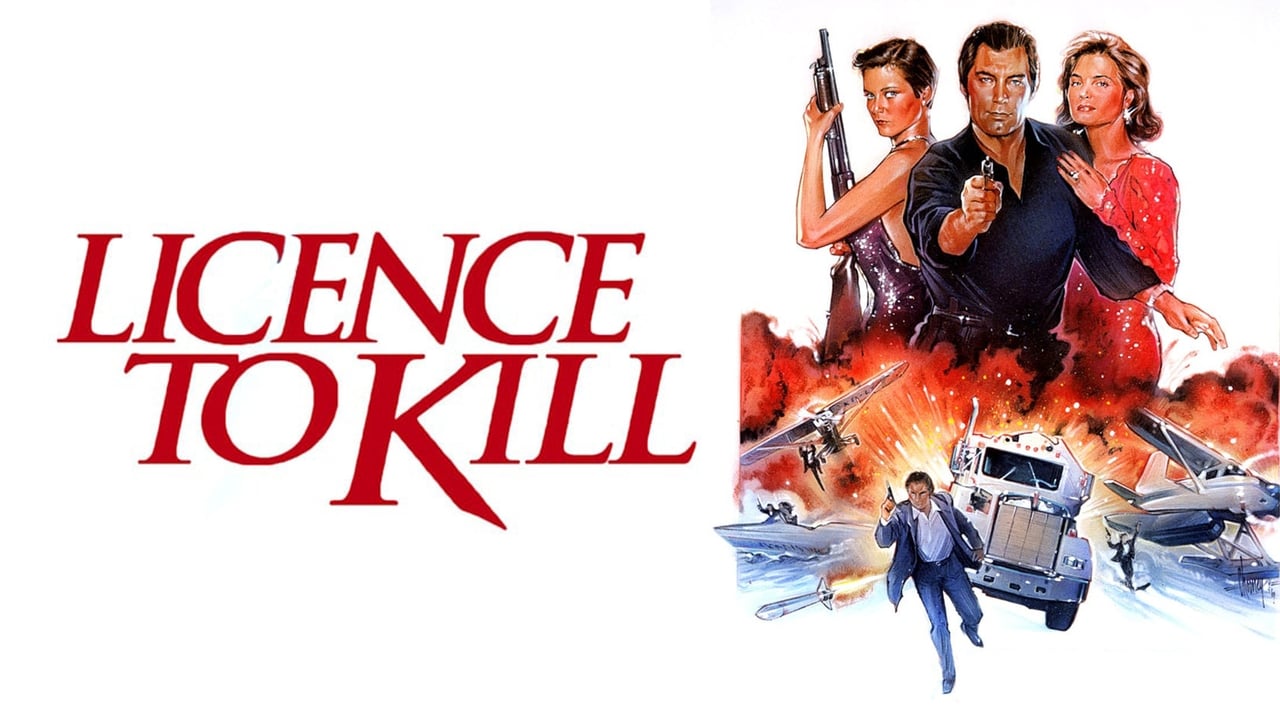
If you want to talk about the "Practical Effects Golden Age," look no further than the final tanker chase. Directed by John Glen (who directed every 80s Bond film), this sequence is a masterclass in "how did they not kill everyone on set?" There is no CGI here. When you see a massive Kenworth truck tilt onto two wheels to avoid a stinger missile, that is a real truck, driven by a real stuntman (the legendary Rémy Julienne team), on a real Mexican highway.
The production actually ran into several "supernatural" hurdles while filming on the Rumorosa Pass in Mexico. The crew reported strange occurrences, phantom lights, and equipment failures, leading some to believe the road was cursed. Whether or not ghosts were messing with the cameras, the result is some of the most bone-shakingly intense action of the decade. The way the tankers explode isn't the clean, orange fireball of modern digital effects; it’s a messy, black-smoke-belching inferno that feels like it has actual weight and heat.
The film's budget sat at around $32 million, which was significant for 1989 but modest compared to the summer juggernaut it went up against: Tim Burton’s Batman. While Batman had the toys and the Gothic marketing, Licence to Kill had the raw, stunt-driven grit. It’s a film that looks and feels like it belongs in the same neighborhood as Lethal Weapon or Die Hard, shifting Bond away from the "gentleman spy" trope and into the "80s action hero" mold.
The Home Video Resurrection
While it did respectable business globally (earning over $150 million), Licence to Kill was somewhat buried at the US box office. It was the "black sheep" for years, often criticized for being too violent—it was the first Bond film to earn a PG-13 rating. However, the VHS era was incredibly kind to this movie. Because it was so different, it became a cult favorite among fans who wanted a Bond with more teeth.
The score by Michael Kamen (who also did Die Hard and Lethal Weapon) adds to that late-80s "VHS thriller" atmosphere. It’s brassy, percussive, and lacks the lush romanticism of the John Barry scores, which fits the film’s mean streak perfectly. Rewatching it now, it feels like a bridge between two worlds: the ending of the classic practical stunt era and the beginning of the morally complex, high-stakes character drama that would eventually define the 21st-century blockbuster.
Licence to Kill is the bruising, bloody finale to the 1980s that James Bond absolutely needed. It’s a film that respects the audience’s intelligence and Bond’s lethality, trading gadgets for gravitas. If you haven't seen it since the days of magnetic tape, it’s time to give it another look—it’s much better than the "lost Bond" reputation suggests. It’s a lean, mean, revenge machine that proves 007 is at his best when he’s got nothing left to lose.
Keep Exploring...
-
The Living Daylights
1987
-
A View to a Kill
1985
-
For Your Eyes Only
1981
-
Octopussy
1983
-
Thunderball
1965
-
The Spy Who Loved Me
1977
-

Goldfinger
1964
-
You Only Live Twice
1967
-
On Her Majesty's Secret Service
1969
-
Live and Let Die
1973
-
Moonraker
1979
-
Never Say Never Again
1983
-
Dr. No
1962
-
From Russia with Love
1963
-
The Man with the Golden Gun
1974
-
Diamonds Are Forever
1971
-
GoldenEye
1995
-
Tomorrow Never Dies
1997
-

Skyfall
2012
-
Spectre
2015