Lock Up
"Vengeance has a cell number."
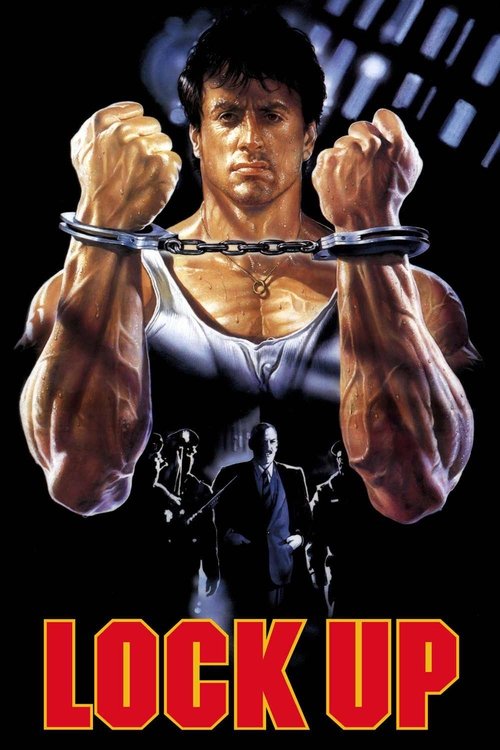
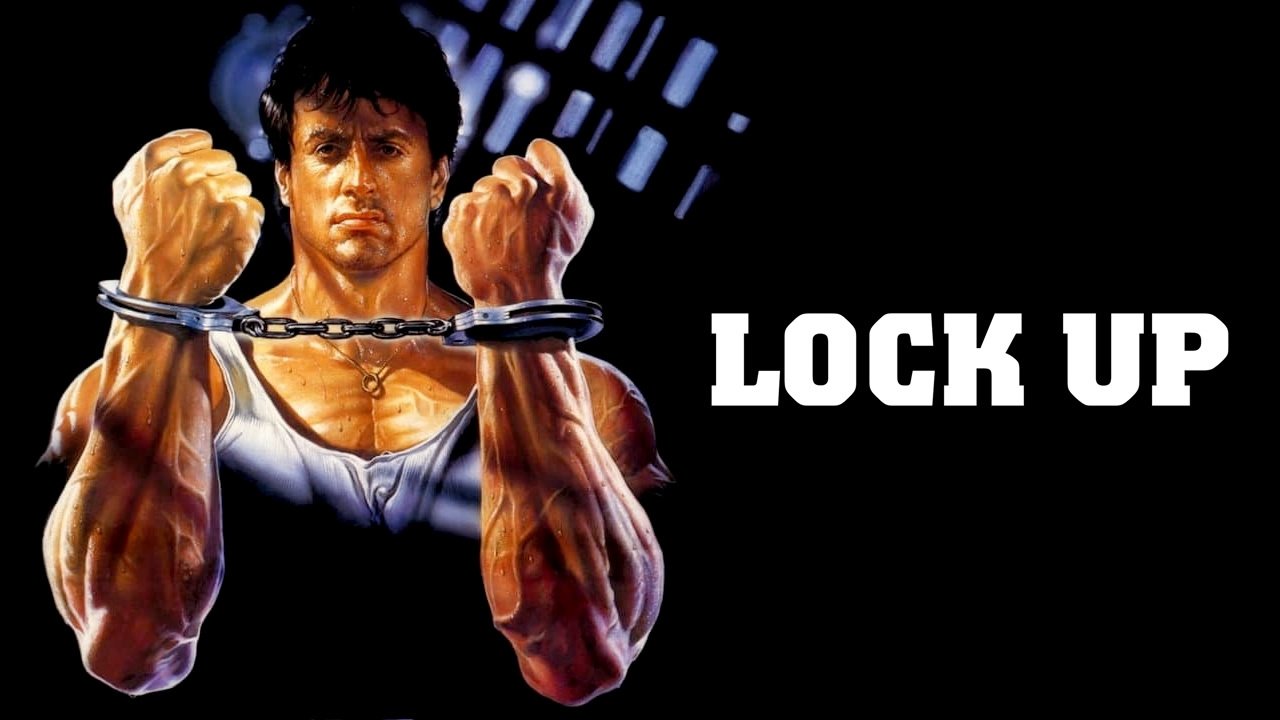
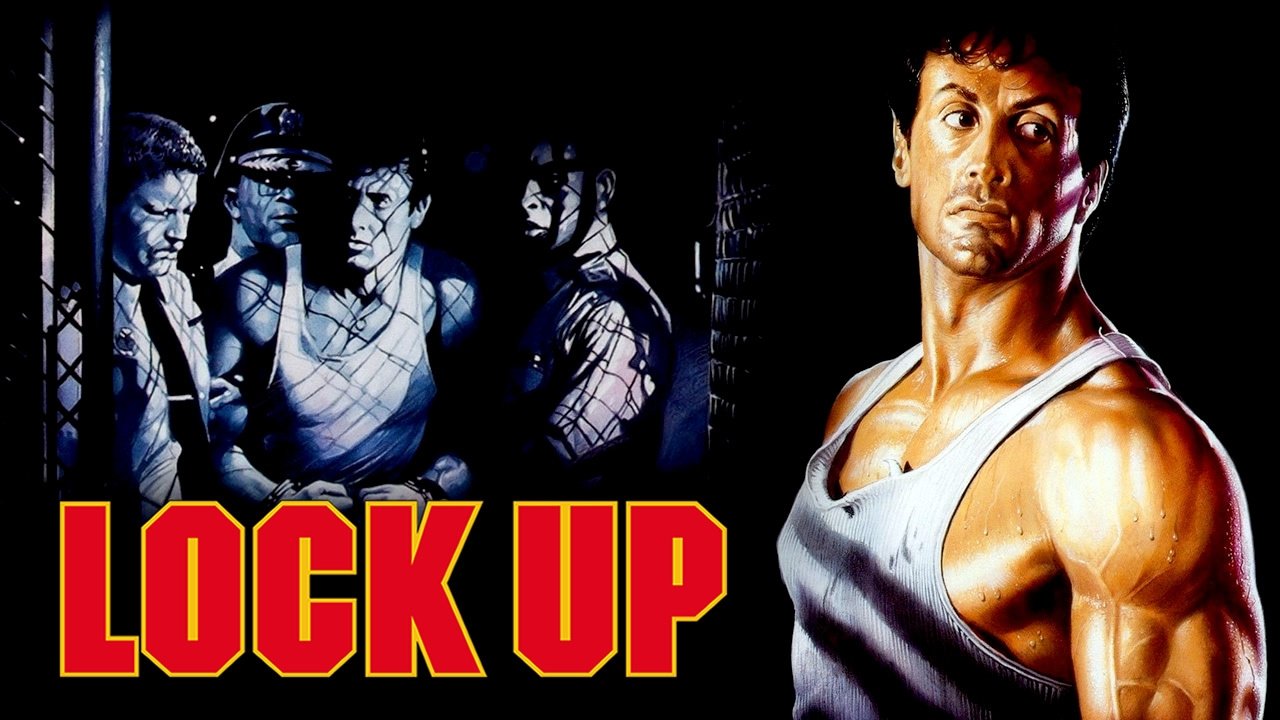
If you walked into a Mom-and-Pop video store in 1990, you couldn’t miss the box for Lock Up. It was usually positioned right at eye level in the Action section, featuring a sweat-streaked, soot-covered Sylvester Stallone staring intensely through a chain-link fence. It’s an image that defines the "Stallone in Peril" subgenre. I remember renting this on a Tuesday night while nursing a massive bruise from a failed skateboard trick, eating a bowl of cold SpaghettiOs, and thinking that Frank Leone’s life was still infinitely worse than mine.
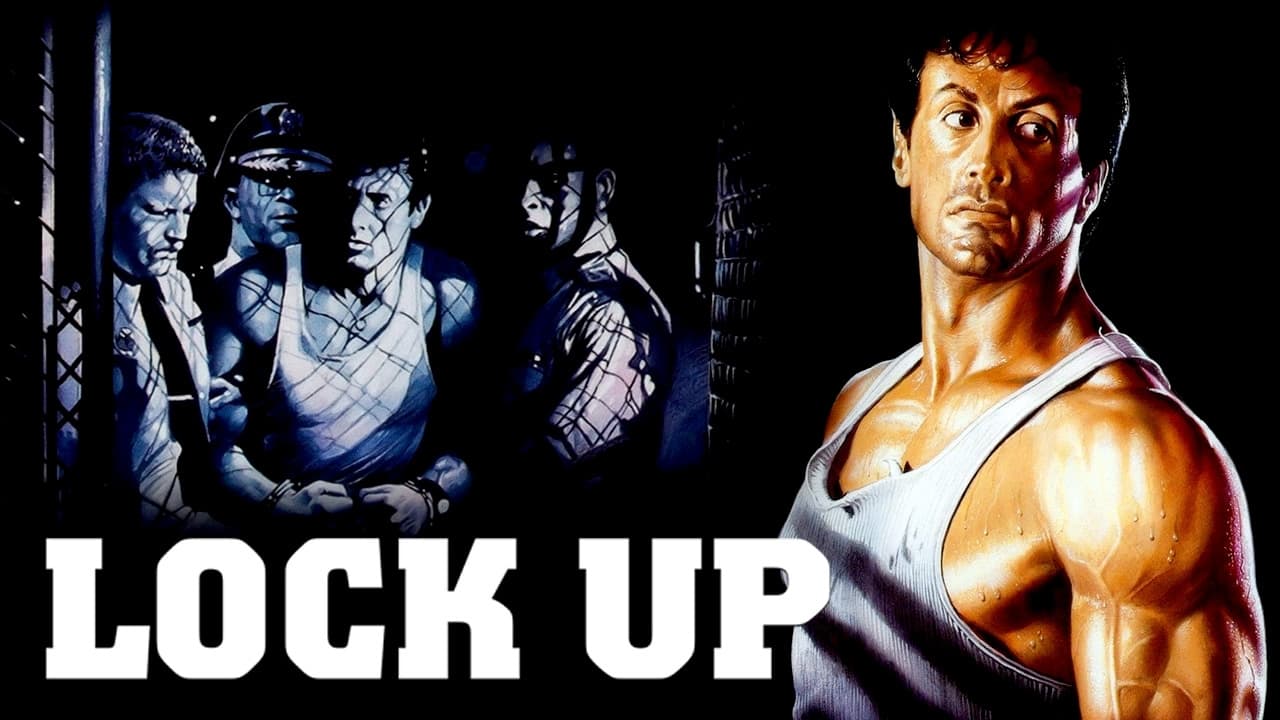
By 1989, the era of the invincible 80s action god was starting to pivot. The cartoonish overkill of Rambo III was giving way to something a bit more grounded—or at least as "grounded" as a movie can be when it features a high-stakes football game played in a literal pit of mud. Lock Up is a fascinating relic because it treats the prison system not just as a setting, but as a gothic dungeon presided over by a mustache-twirling sorcerer.
The Grime and the Glory
Frank Leone (Sylvester Stallone) is the world’s nicest convict. He’s a mechanic who just wants to finish his time and get back to his girlfriend. But Warden Drumgoole (Donald Sutherland) has other plans. Drumgoole blames Leone for a past professional humiliation and pulls some strings to have Frank transferred to Gateway, a maximum-security hellhole, just weeks before his release.
What follows is a textbook example of "The Suffering Hero." For about 90 minutes, we watch Frank get beaten, solitary-confined, and psychologically tortured. It’s a recurring trope in Stallone's filmography—the idea that his characters only earn their victory through an almost religious amount of physical punishment. Director John Flynn, who previously helmed the ice-cold revenge masterpiece Rolling Thunder (1977), brings a surprising amount of grit to the proceedings. He shoots Gateway Prison like it’s a living, breathing monster.
The film was actually shot at East Jersey State Prison (then known as Rahway), and the production used real inmates as extras. You can feel that authenticity in the background noise and the claustrophobic hallways. It gives the film a weight that the script—which is essentially a collection of "tough guy" clichés—doesn't quite deserve.
A Mustang in a Meatgrinder
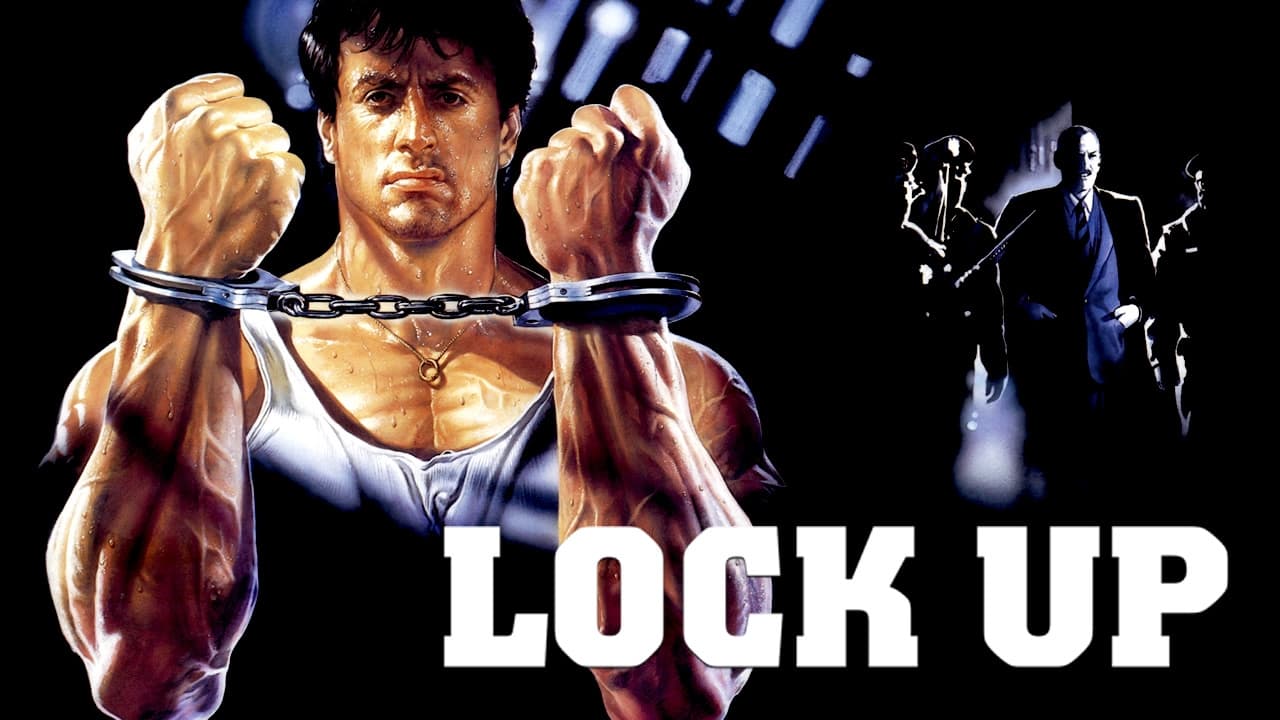
One of the strangest, most delightful sequences in Lock Up involves a 1965 Ford Mustang nicknamed "Maybelline." Leone and his motley crew of prison pals—including a young, high-energy Tom Sizemore in his film debut—decide to rebuild a classic car in the prison workshop. For ten minutes, the movie briefly turns into a feel-good hobbyist documentary. It’s bizarre, it’s sentimental, and it’s basically a high-stakes version of The Shawshank Redemption if Andy Dufresne could bench-press a Buick.
Of course, because this is an 80s drama, we know the car is doomed. The moment Drumgoole sees the inmates finding a shred of joy, you know that Mustang is headed for the scrap heap. It’s this emotional manipulation that makes the film work. You want to see Donald Sutherland get his comeuppance. Sutherland plays Drumgoole with a hushed, icy arrogance that stands in perfect contrast to Stallone’s mush-mouthed, blue-collar sincerity. He doesn't scream; he just seethes.
The supporting cast is a "Who's Who" of "Hey, it’s that guy!" actors. You’ve got John Amos (Coming to America) as the conflicted Captain Meissner, and Sonny Landham (Predator) playing the quintessential prison bully, Chink Weber. Frank McRae, a staple of 80s action, pops up as Eclipse, providing the heart that the film needs to keep from becoming purely depressing.
Stunts and Steel
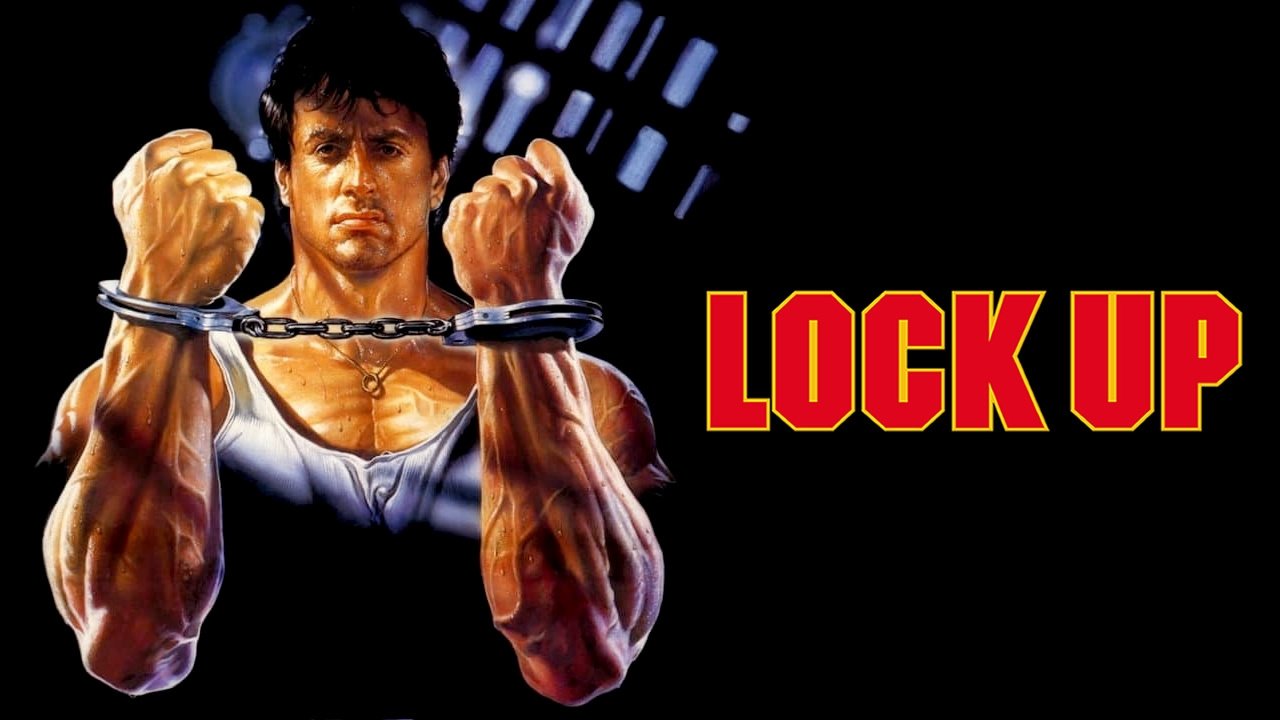
The action in Lock Up isn't about explosions or gunfights; it’s about the physical reality of a man being pushed to his breaking point. The mud football game is the standout set piece. It’s chaotic, dirty, and clearly miserable to film. It took several days to shoot in freezing temperatures, and you can see the genuine exhaustion on the actors' faces. There’s a tactile quality to the violence here—the sound of skin hitting concrete and the heavy thud of boots—that modern CGI-heavy action often loses.
The score by Bill Conti (Rocky) leans heavily into the drama, though it occasionally feels like it’s trying to convince us we’re watching something more profound than a prison break flick. But that’s the charm of the era. Lock Up doesn't know it's a B-movie; it plays every beat with the sincerity of a Shakespearean tragedy.
Ultimately, Lock Up is the quintessential "Saturday Afternoon" movie. It’s not going to change your life, and it lacks the iconic status of First Blood, but it’s a sturdy, well-crafted piece of genre filmmaking. It captures a specific moment in Sylvester Stallone’s career where he was trying to balance his superstar persona with a more vulnerable, human element. If you can handle the blatant emotional tugging and a plot that moves with the subtlety of a sledgehammer, it’s a rewarding watch for anyone who misses the days when action heroes actually bled.
Keep Exploring...
-
Tango & Cash
1989
-
Cobra
1986
-
Red Dawn
1984
-
Raw Deal
1986
-
Mississippi Burning
1988
-
The Dead Pool
1988
-
Turner & Hooch
1989
-
Marathon Man
1976
-
Over the Top
1987
-
The Killer
1989
-
Backdraft
1991
-

Double Impact
1991
-
Bullitt
1968
-

Magnum Force
1973
-

Midnight Run
1988
-
Black Rain
1989
-

Hackers
1995
-
Breakdown
1997
-
Undisputed II: Last Man Standing
2006
-
Street Kings
2008