Look Who's Talking
"The wisest guy in the nursery."
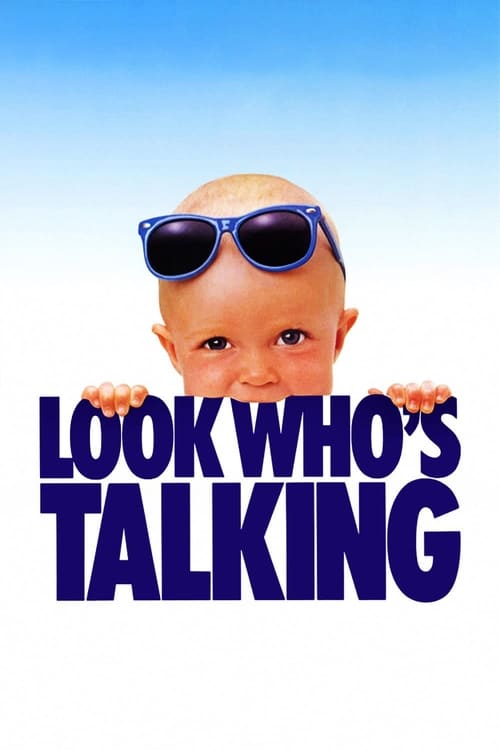
In the pantheon of 1989’s cinematic giants, you’d expect names like Batman, Indiana Jones, or even a certain Ghostbusting squad to hold the crown. Yet, nestled among those blockbusters was a $7.5 million sleeper hit about a sarcastic, internal-monologue-having infant that managed to haul in nearly $300 million worldwide. It’s the kind of box-office anomaly that makes modern studio executives weep into their spreadsheets. Watching it today, I’m struck by how much of its success relied on a specific kind of late-80s alchemy: a high-concept hook, a soundtrack of boomer-approved hits, and the miracle of John Travolta’s pre-comeback charm.
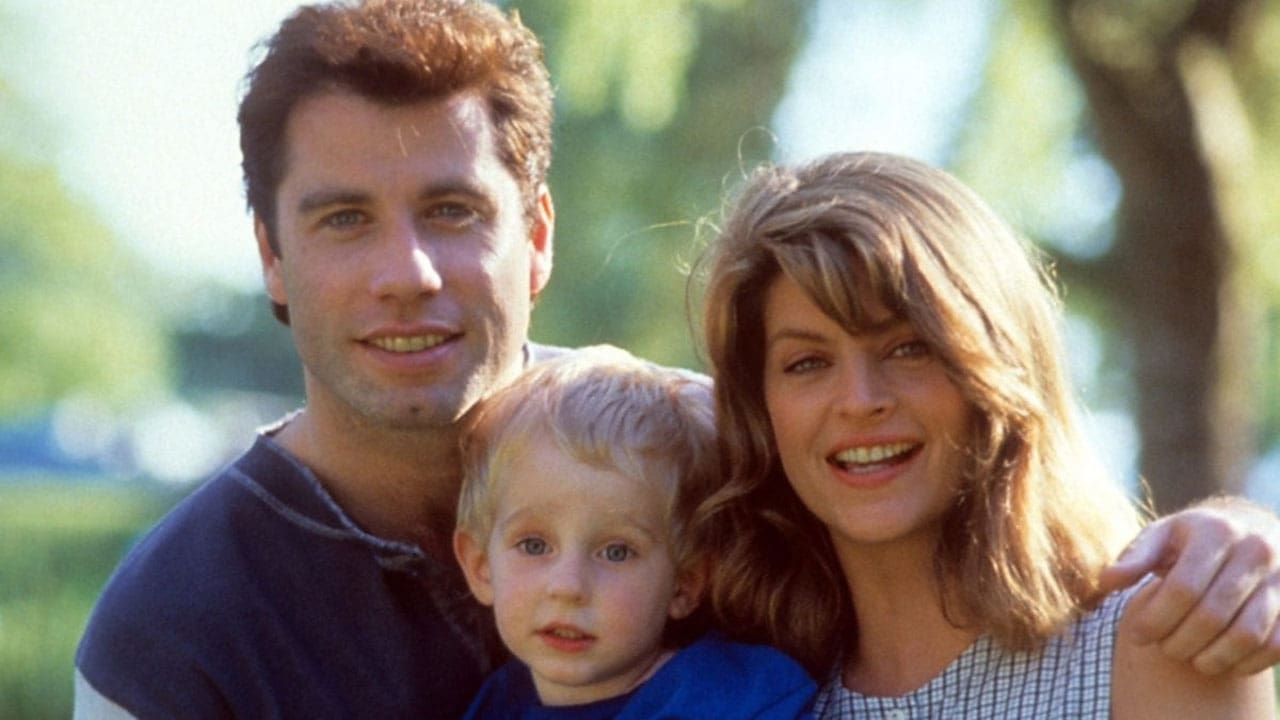
I recently revisited this on a grainy VHS rip while my cat sat on my chest, staring at me with the same judgment Mikey reserves for his various "potential dads," and the experience was surprisingly cozy. It’s a film that shouldn’t work—the premise sounds like a discarded Saturday Night Live sketch—but Amy Heckerling (the genius behind Fast Times at Ridgemont High and later Clueless) anchors the absurdity in a very real, very relatable anxiety about single motherhood and the search for a decent man in a sea of "Alberts."
The Cabbie and the Career Woman
The heart of the film isn't actually the talking baby; it’s the chemistry between Kirstie Alley and John Travolta. Alley, fresh off her Cheers stardom, plays Mollie with a frantic, grounded energy that makes her plight—getting dumped by her married, philandering boss (George Segal)—feel genuinely stinging. Then in walks James, a cab driver who ends up delivering her to the hospital and staying for the ride.
John Travolta is basically a golden retriever in a leather jacket here, and it’s arguably his most likable role. Before Quentin Tarantino resurrected him as a hitman, Travolta was in a bit of a career slump, and you can feel him working for the audience’s affection. He’s effortlessly charismatic as the guy who’s maybe a little directionless but has a heart of gold. When he dances with the baby to "The Shoop Shoop Song," it’s impossible not to grin. It’s a reminder that even when Hollywood didn't know what to do with him, Travolta had "It" in spades.
A Voice from the Crib

Then, of course, there’s Mikey. Voiced by Bruce Willis, who was coming off the high of Die Hard, the baby provides a cynical, street-smart commentary on the bewildering world of adults. The "sperm race" opening sequence—a bizarrely ambitious bit of practical photography and macro-visuals involving hundreds of tiny swimmers—sets a tone that is much weirder than I remembered. It’s a very 1980s way to start a family comedy, blending biological curiosity with a wisecracking internal monologue.
The humor is a mixed bag of slapstick and observational wit. Some of the "baby's-eye view" gags are a bit dated, but Willis’s delivery sells the material. He doesn’t do a "baby voice"; he just sounds like a guy who’s tired of waiting for his diaper to be changed. The film also benefits from a stellar supporting cast, including Olympia Dukakis as Mollie’s mother and Abe Vigoda as James’s grandfather. They add a layer of New York grit and familial warmth that prevents the movie from floating away on its high-concept bubbles.
The Home Video Juggernaut
While the film was a massive theatrical success, its true life began on the shelves of video rental stores. This was a staple of the "two-day rental" era, a movie that appealed to literally everyone: parents, kids, and people who just wanted to see John Travolta dance again. It was a cultural phenomenon that felt inescapable. The marketing was brilliant, emphasizing Mikey’s "cool" factor, which was enough to spawn two sequels—though the less said about the one where the dogs talk, the better.

Interestingly, Amy Heckerling wrote the script based on her own experiences during pregnancy, imagining what her child might be thinking of her husband’s jokes. That personal touch is what saves the film from being a mere gimmick. It’s a movie made by someone who clearly loves the chaos of new parenthood. It’s also a time capsule of an era where a modest budget and a clever idea could actually dominate the world, a feat that feels nearly impossible in today’s franchise-heavy landscape.
Look Who's Talking remains a delightfully breezy watch that succeeds because it cares about its adult characters as much as its titular infant. It’s a testament to Amy Heckerling’s ability to find the humanity in high-concept silliness and a reminder of why we fell in love with John Travolta in the first place. If you can ignore some of the more "of its time" gender politics, you’re left with a comedy that has a surprising amount of heart and a truly legendary soundtrack. It’s the ultimate 5-minute-test winner: you’ll come for the talking baby and stay for the genuine romance.
Keep Exploring...
-
National Lampoon's European Vacation
1985
-
Fast Times at Ridgemont High
1982
-
Moonstruck
1987
-
Cocktail
1988
-
Coming to America
1988
-
Working Girl
1988
-

Tootsie
1982
-
Romancing the Stone
1984
-
Sixteen Candles
1984
-
Splash
1984
-
The Jewel of the Nile
1985
-
Weird Science
1985
-
The Money Pit
1986
-

Overboard
1987
-

The Lost Boys
1987
-
Say Anything...
1989
-

Clueless
1995
-

Teen Wolf
1985
-
Beverly Hills Cop
1984
-
Gremlins
1984