My Left Foot: The Story of Christy Brown
"A pint, a poem, and a piece of chalk."

In 1989, if you walked into a local video rental shop and saw a tape box featuring a man with a contorted face and a piece of chalk gripped between his toes, you might have braced yourself for a lecture in saccharine sentimentality. We had been conditioned by decades of "disease-of-the-week" television movies to expect a certain kind of soft-focus inspiration. But within the first ten minutes of Jim Sheridan’s debut, it becomes clear that My Left Foot isn't interested in your pity. It’s a film that makes your own daily complaints look like the whining of a spoiled Victorian child.
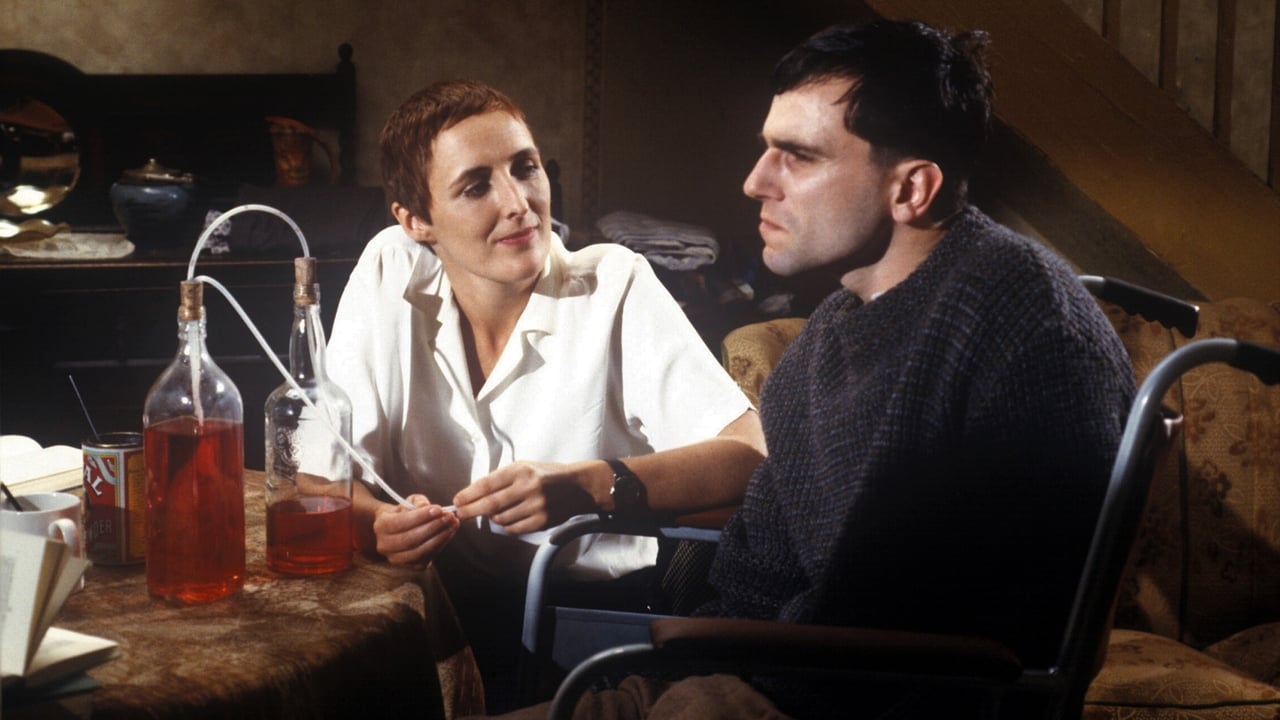
I watched this recently on a rainy Tuesday while eating a piece of burnt toast that I refused to throw away, mostly because Christy Brown’s sheer stubbornness on screen makes you feel guilty for wasting even a crumb of opportunity.
The Physicality of Genius
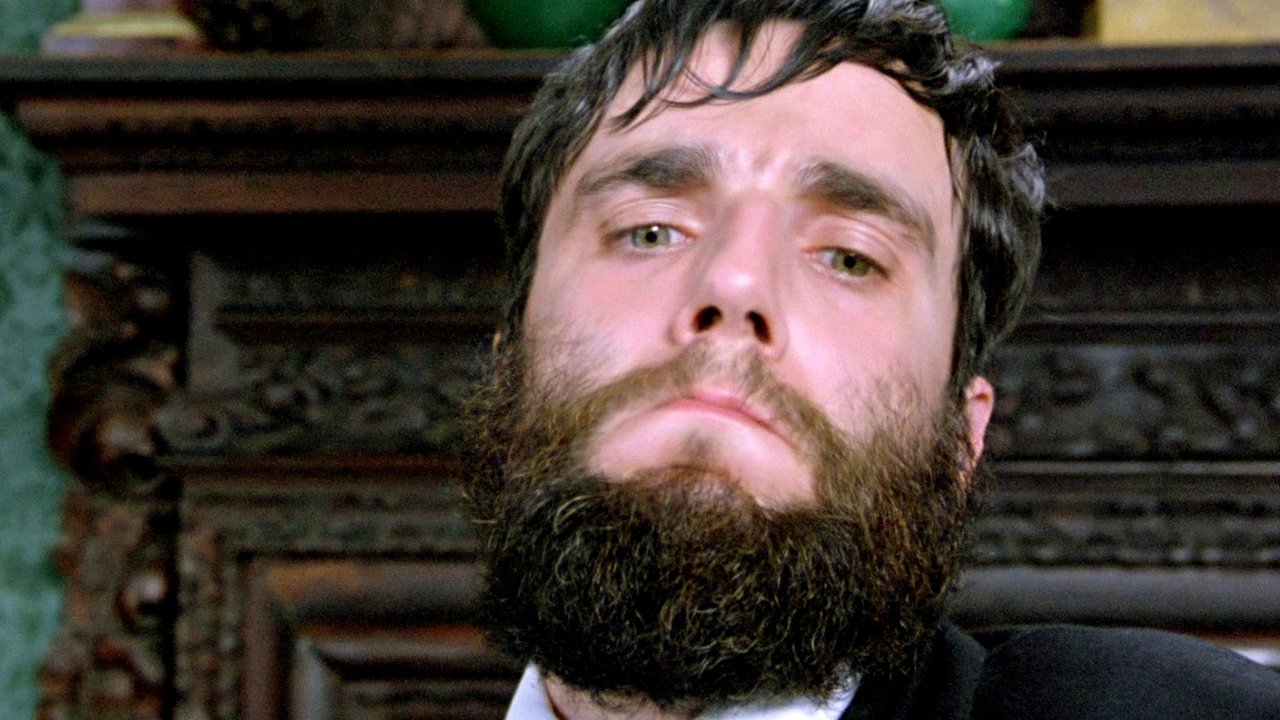
The legend of Daniel Day-Lewis usually begins here. While he’d already turned heads in My Beautiful Laundrette (1985), this was the moment the world realized he was less an actor and more a man capable of cellular restructuring. To play Christy Brown, the Irish artist and writer born with cerebral palsy into a family of 22 children (13 of whom survived), Day-Lewis didn't just "do a voice." He famously refused to leave his wheelchair between takes, forcing the crew to carry him over cables and spoon-feed him.
He actually broke two ribs from sitting in a hunched position for weeks on end. It sounds like madness—and maybe it is—but the result on screen is a performance that transcends mimicry. You aren't watching an able-bodied man "act" disabled; you are watching the agonizing friction between a brilliant, caustic, often horny mind and a body that refuses to obey it. There is a specific scene where Christy uses his foot to steal a bottle of whiskey, and the dexterity required is so impressive that you momentarily forget the tragedy of the situation. It’s a cerebral experience, forcing me to grapple with the idea of where "the self" actually resides if the physical shell is a cage.
The Mother of All Roles
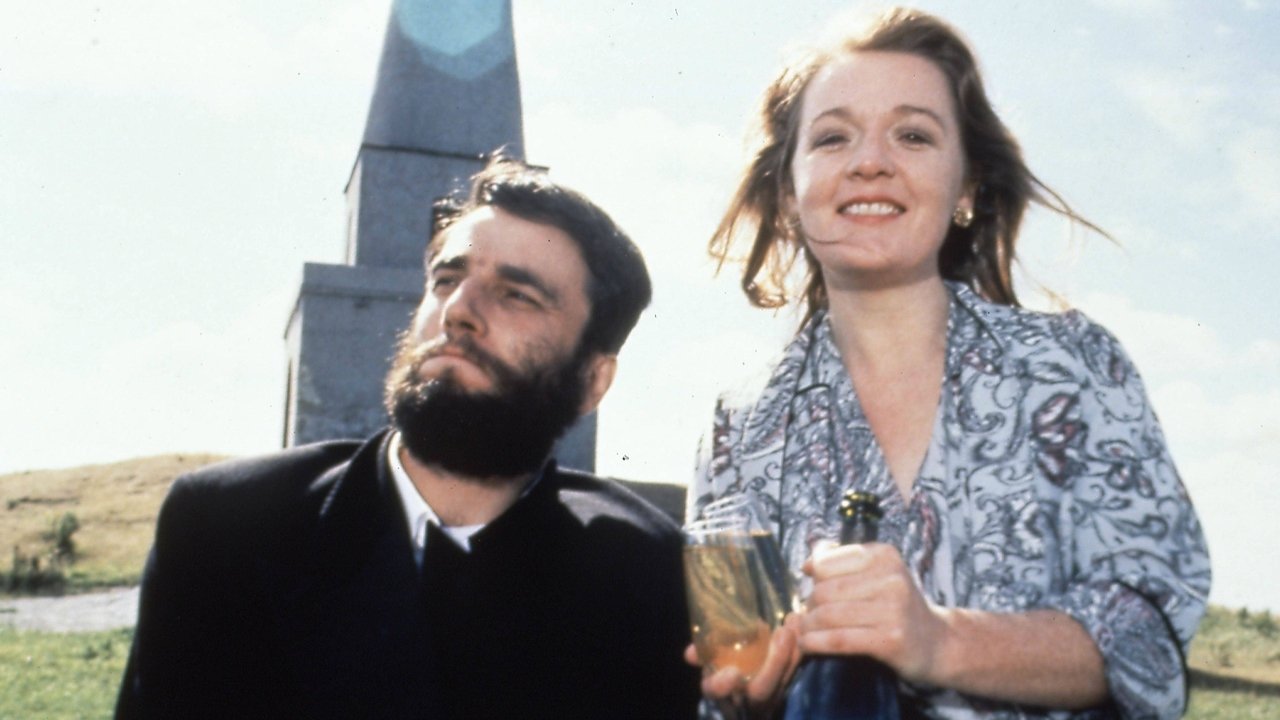
While Day-Lewis won the Oscar, the film’s heartbeat belongs to Brenda Fricker as Mrs. Brown. In the late 80s, Irish cinema was often defined by either Troubles-related grit or pastoral stereotypes. Fricker subverts everything. She plays Mrs. Brown with a steely, quiet defiance that feels bone-deep. She is the only one who sees the flicker of intelligence in her son when the rest of the world (and his own father) dismisses him as an "idiot."
The scene where Christy finally writes "MOTHER" on the floor with chalk isn't played with swelling strings and angelic light. It’s messy, sweaty, and frantic. The film excels because it treats the Brown family's poverty not as a tragedy to be mourned, but as a fact of life to be managed. They are a loud, brawling, loving Dublin clan, and Brenda Fricker provides the gravity that keeps them from spinning off into the Atlantic. I honestly believe her performance is the more difficult one; she has to react to Day-Lewis’s vacuum-level intensity without ever getting sucked in or overshadowed.
The Indie Miracle
From a production standpoint, My Left Foot is a classic "little engine that could" story. Shot on a shoestring budget of roughly $650,000, it looks and feels remarkably rich thanks to Jack Conroy’s cinematography, which captures the cramped, smoky interiors of a Dublin tenement with the warmth of a Dutch Master painting. Jim Sheridan, who would later give us the equally powerful In the Name of the Father (1993), shows incredible restraint here. He doesn't over-direct. He lets the camera sit still and watch the struggle.
This was a seminal moment for the "Indie" era of the late 80s. Before Miramax became a behemoth, they used films like this to prove that a small, character-driven drama from Ireland could out-earn a mid-budget Hollywood thriller. It’s a film that lives in the subtext—the frustration of being a poet who can’t speak clearly, and the psychological toll of being a man who wants to be loved but is seen only as a "miracle." It’s a prickly, difficult, and deeply funny movie. Christy Brown wasn’t a saint; he was a guy who liked a drink and had a temper, and the film is brave enough to show that his disability didn't make him perfect—it just made him Christy.
Ultimately, this is a film about the dignity of the individual. It asks us to consider how much of our humanity is tied to our ability to communicate, and what happens when that door is slammed shut. It’s a transformative piece of cinema that avoids every trap of its genre, opting for sweat and Guinness over tears and violins. If you’ve only ever seen Daniel Day-Lewis as a gold prospector or a fashion designer, you owe it to yourself to see where the obsession began. It’s a heavy watch, sure, but it’s one that leaves you feeling like you’ve actually witnessed a bit of the "occasional miracle" the tagline promised.
Keep Exploring...
-

In the Name of the Father
1993
-
Paris, Texas
1984
-
Wings of Desire
1987
-
The Apartment
1960
-
Judgment at Nuremberg
1961
-
Guess Who's Coming to Dinner
1967
-

Midnight Cowboy
1969
-
The Holy Mountain
1973
-
Mirror
1975
-
Network
1976
-
Annie Hall
1977
-
Stalker
1979
-

The Breakfast Club
1985
-
Harold and Maude
1971
-
After Hours
1985
-

Day of the Dead
1985
-
Women on the Verge of a Nervous Breakdown
1988
-

Kickboxer
1989
-

sex, lies, and videotape
1989
-
Fahrenheit 451
1966