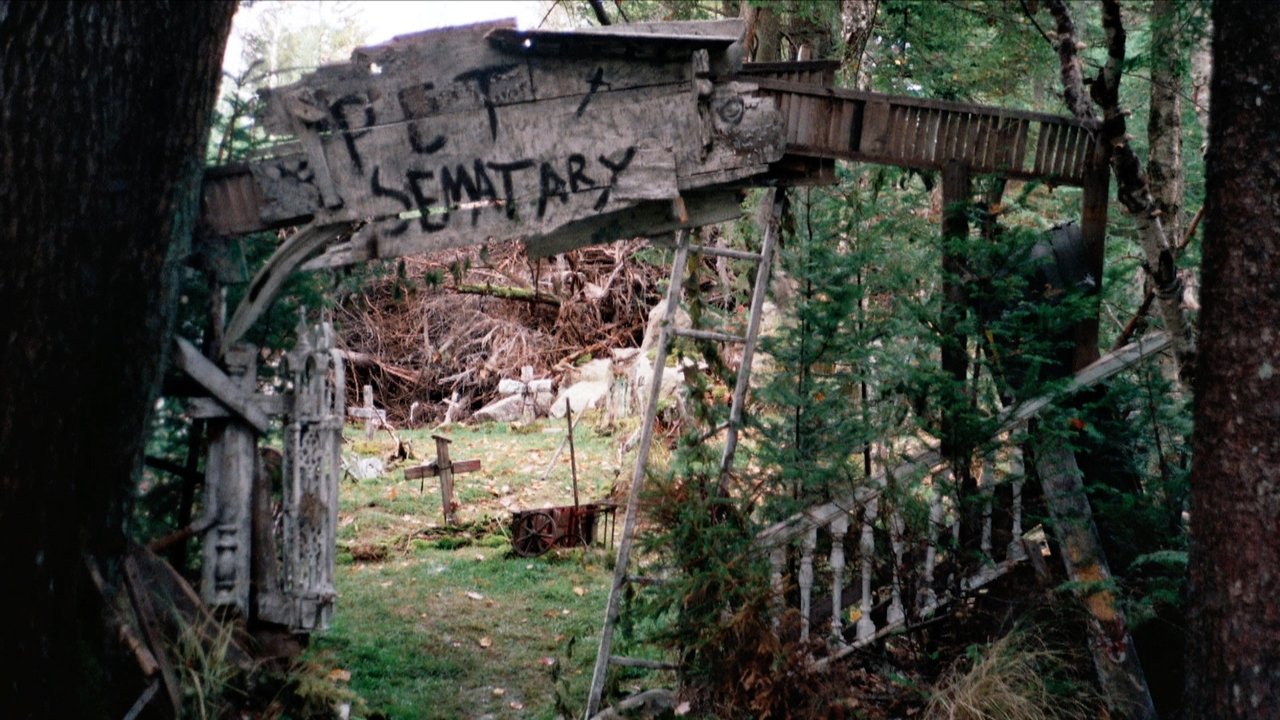
Pet Sematary
"The soil is bad, but the horror is great."
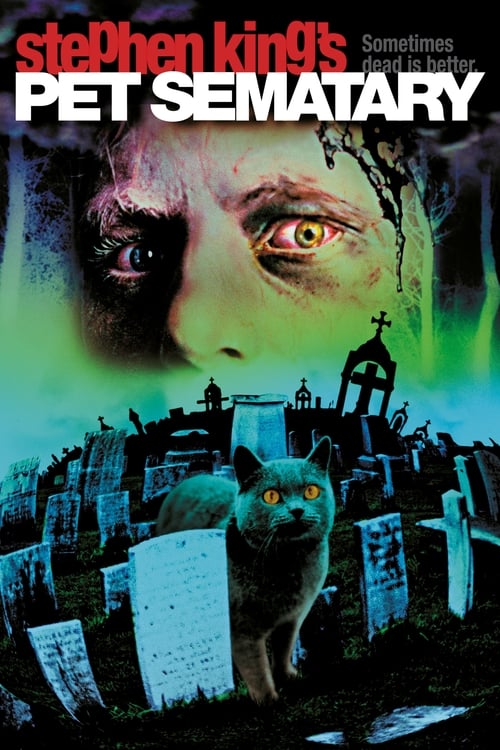
Growing up in the late 80s, you couldn’t escape those glowing yellow cat eyes staring at you from the horror aisle of every local Video Hut. The VHS cover for Pet Sematary was a rite of passage. It promised something meaner than a slasher and more personal than a creature feature. Re-watching it recently on a rainy Tuesday while my own cat, Barnaby, sat on the sofa staring at me with judgmental intensity, I realized that Mary Lambert’s 1989 adaptation of Stephen King’s darkest novel hasn't lost its ability to make my skin crawl.
The Maine Attraction
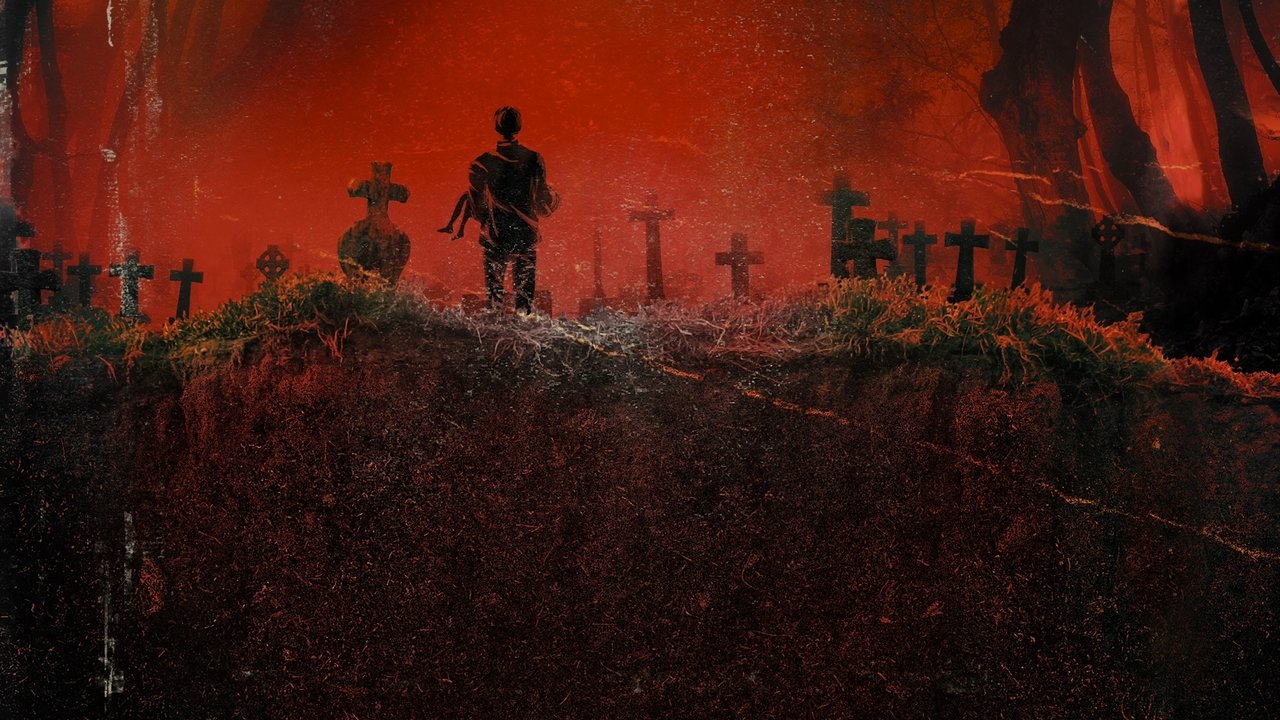
Most horror movies of this era were busy trying to turn their killers into wisecracking MTV stars, but Pet Sematary opted for a relentless, suffocating sense of dread. Much of that comes from the script itself—penned by Stephen King—which sticks uncomfortably close to the source material. I’ve always felt that Stephen King understands the geography of Maine better than most people understand their own backyards, and by insisting the film be shot on location, he ensured the movie felt grounded in a very specific, chilly reality.
The plot is deceptively simple: The Creed family moves to a rural house near a high-speed trucking route and a mysterious burial ground that brings things back to life. But the "rebirth" comes with a catch—what comes back isn't exactly what went under. While Dale Midkiff as Louis Creed occasionally feels a bit wooden, he perfectly captures the desperation of a father who is too arrogant to accept the finality of a heartbeat stopping.
The Herman Munster of Horror
If the film has a soul, it belongs to Fred Gwynne as Jud Crandall. Most of us knew him as the lovable Herman Munster, but here, he provides a performance so iconic that it has been parodied by everyone from South Park to Family Guy. With his thick Down East accent and a voice that sounds like gravel being crushed in a velvet bag, Fred Gwynne is the ultimate harbinger of doom. He’s the neighbor who tells you exactly what you shouldn’t do, knowing full well you’re going to do it anyway.
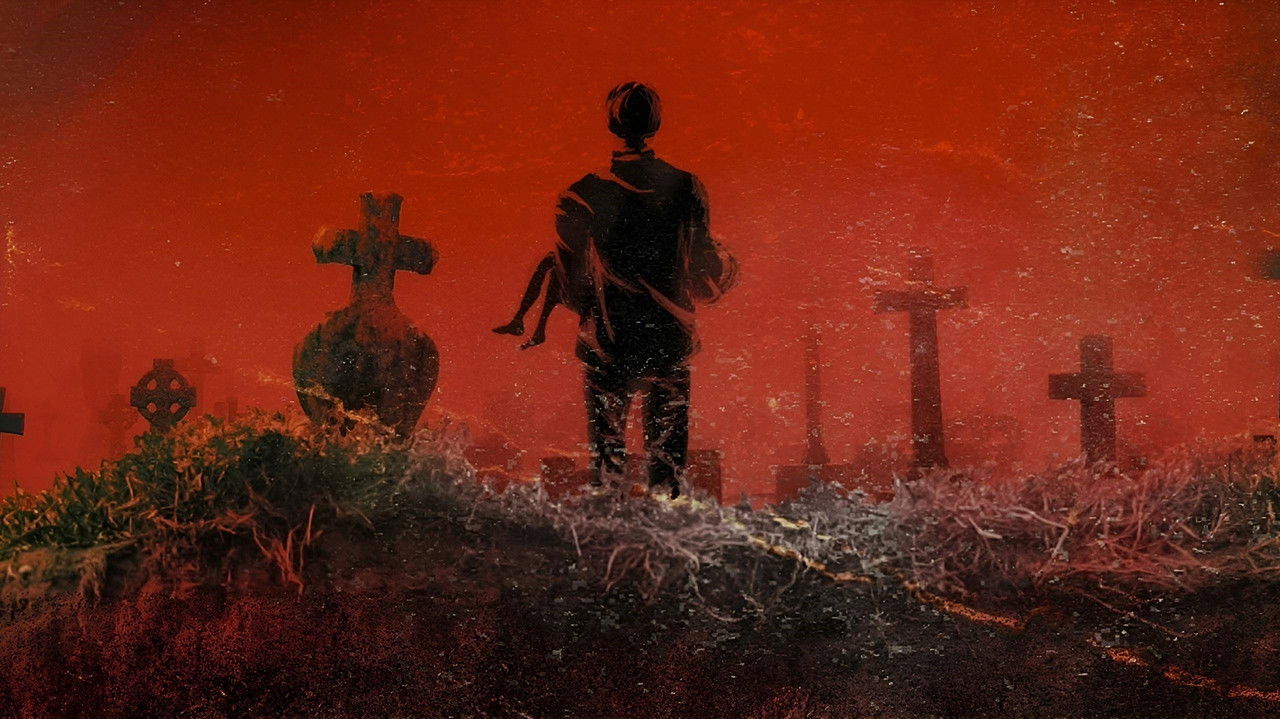
The chemistry between Louis and Jud is the highlight for me. It’s a classic cautionary tale dynamic, but it feels lived-in. When Jud delivers the legendary line, "Sometimes, dead is better," it doesn't feel like a movie trailer hook; it feels like a genuine warning from a man who has seen the "sour ground" take everything from his town. Apparently, Fred Gwynne was so committed to the role that he spent weeks perfecting that specific Maine cadence, and it remains one of the most quotable performances in horror history.
Practical Nightmares and Traumatic Siblings
We need to talk about Zelda. If you saw this movie as a kid, Zelda is the reason you still can't look at a dark hallway without flinching. To achieve that uncanny, skeletal look for Rachel’s (played by Denise Crosby) dying sister, Mary Lambert made the brilliant, unsettling choice to cast a man, Andrew Hubatsek, in the role. The result is a performance that feels physically "wrong" in a way that CGI could never replicate. It’s a masterstroke of practical effects and casting that taps into a very primal fear of illness and deformity.
The film serves as a peak example of the Practical Effects Golden Age. From the gnarly makeup on Brad Greenquist as the ghost Victor Pascow to the animatronic version of the toddler Gage Creed (Miko Hughes), there is a tactile weight to the horror. When Victor Pascow’s brain is visible through his shattered skull, it looks wet, grey, and dangerously real. I’ll take a foam-latex puppet over a digital pixel-blur any day of the week. Miko Hughes, only three years old at the time, is legitimately terrifying as the resurrected Gage. They actually used a kite to get him to "run" toward the truck in his death scene, a bit of low-budget ingenuity that led to one of the most traumatic sequences in 80s cinema.
A Cult Legacy on Tape
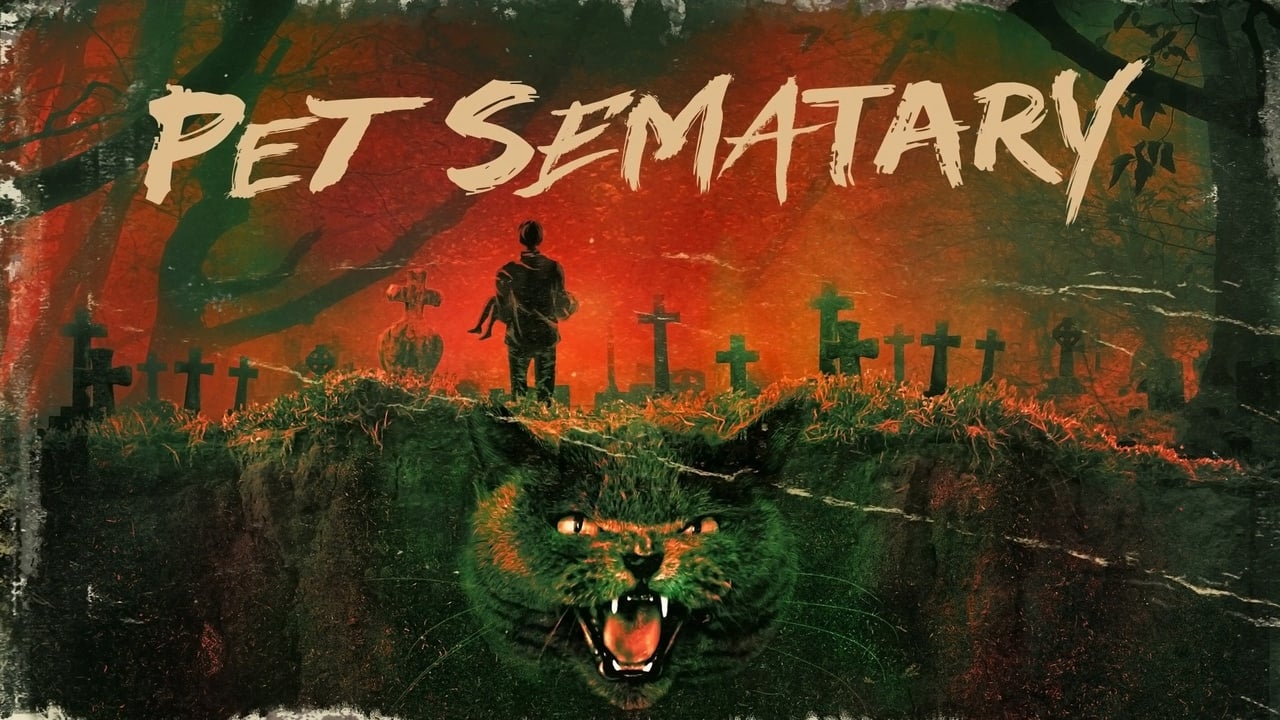
While it was a massive box office success (earning over $57 million on an $11 million budget), Pet Sematary truly lived its best life on home video. It was the kind of movie that teenagers would dare each other to watch during sleepovers, and the ending—one of the bleakest in the genre—inspired endless playground debates. It didn't need a masked killer or a dream demon; it just needed a grieving father and a shovel.
The film also marks a cool intersection of 80s pop culture. Stephen King is a massive fan of The Ramones, and he personally asked them to write a song for the movie. The result, "Pet Sematary," became one of their biggest hits and plays over the credits, offering a high-energy punk rock exhale after 100 minutes of pure misery. It’s that weird, wonderful mix of high-concept horror and 80s commercialism that makes this film a quintessential relic of its time.
Ultimately, Pet Sematary is a movie that understands the greatest horror isn't a monster under the bed, but the lengths we’ll go to avoid saying goodbye. It’s messy, occasionally hammy, and arguably features the most irresponsible parenting in cinematic history, but its atmosphere is undeniable. If you haven't revisited the Creed family lately, pull the curtains, keep your pets close, and remember that sometimes, the old ways are the scariest. Just don't blame me if you start side-eyeing the local cemetery next time your goldfish goes belly-up.

Keep Exploring...
-
The Lost Boys
1987
-
Child's Play
1988
-

Halloween 4: The Return of Michael Myers
1988
-
Return
1985
-

The Return of the Living Dead
1985
-
An American Werewolf in London
1981
-
Creepshow
1982
-
Christine
1983
-
The Omen
1976
-
Videodrome
1983
-
Gremlins
1984
-

Fright Night
1985
-
Little Shop of Horrors
1986
-
The Fly
1986
-
The Hitcher
1986
-
Angel Heart
1987
-

The Witches of Eastwick
1987
-
A Nightmare on Elm Street 4: The Dream Master
1988
-
The Blob
1988
-

The 'Burbs
1989