Say Anything...
"He's a non-conformist. She's a straight-A student. Love is a kickboxing match."
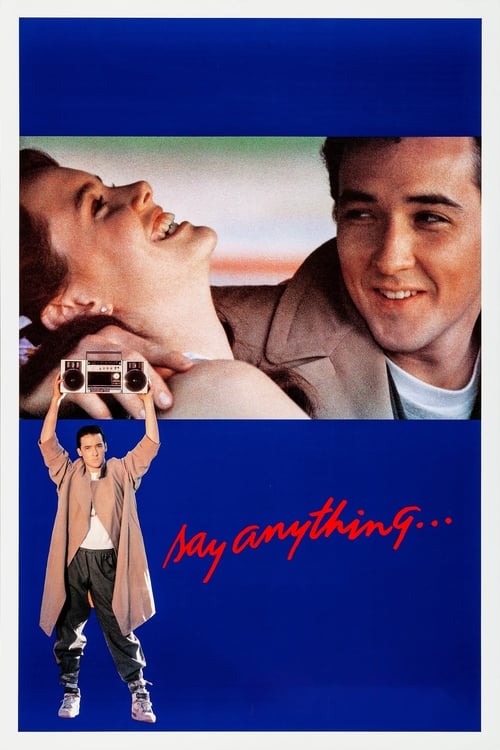
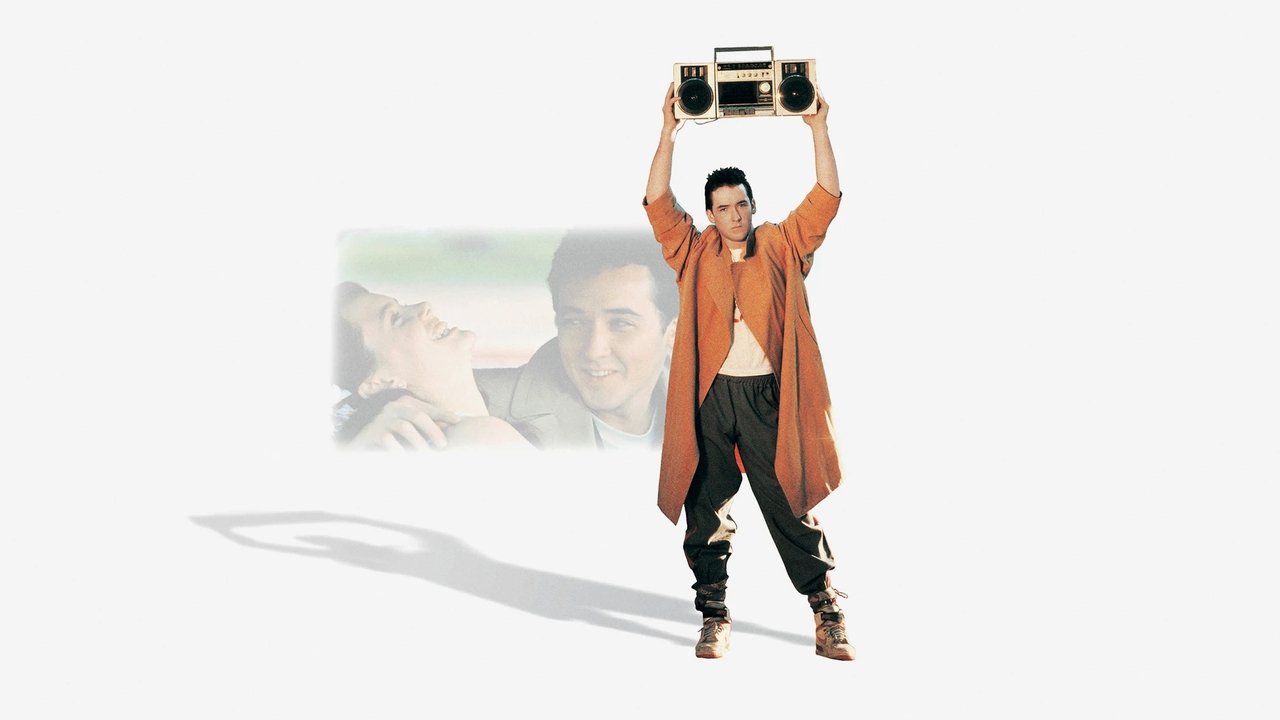
By the time 1989 rolled around, the "Teen Movie" was starting to smell a bit like a locker room left unvented since 1984. We’d had our fill of the Brat Pack, the wacky virginity quests, and the neon-soaked mall montages. Then came Lloyd Dobler. Clad in a tan trench coat that looked three sizes too big and possessing a professional-grade obsession with kickboxing—the "sport of the future"—John Cusack didn’t just walk onto the screen; he redefined what a cinematic leading man could look like for a generation of kids who felt a little too weird for the homecoming court.

I remember watching this on a particularly humid Tuesday night while nursing a lukewarm Diet Pepsi and wearing a wool sweater that was definitely giving me a rash, yet I couldn't look away. There’s a texture to Say Anything... that feels different from the glossy John Hughes productions of the era. It’s got a bit more grit, a bit more sweat, and a lot more heart.
The Kickboxer and the Valedictorian
The premise sounds like a standard-issue rental shelf filler: the charming underdog pursues the unattainable brainiac. But writer-director Cameron Crowe—making his directorial debut here after writing Fast Times at Ridgemont High—infuses the script with a level of conversational honesty that was practically illegal in 1980s Hollywood. John Cusack plays Lloyd with a frantic, optimistic energy that is impossible to dislike. He isn't a rebel without a cause; he’s a guy who has decided that "being a man" means being incredibly kind and relentlessly persistent.
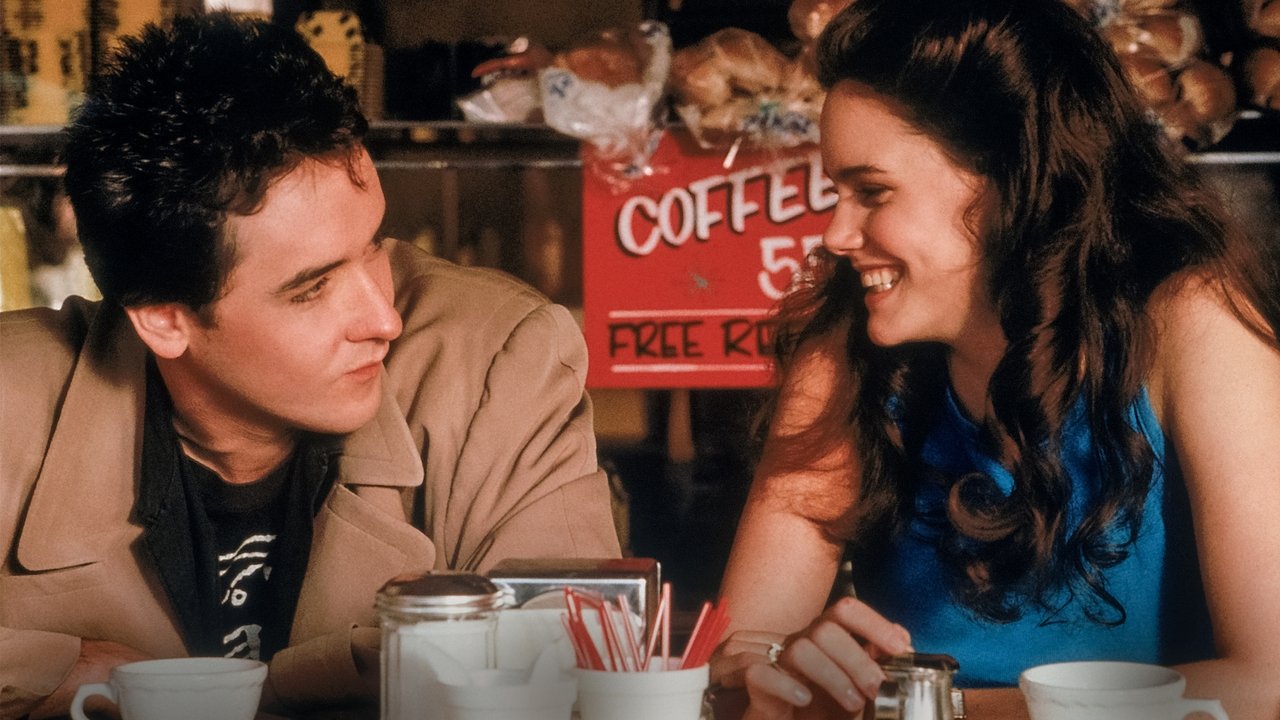
Opposite him is Ione Skye as Diane Court. In any other movie, she’d be a trophy to be won. Here, she’s a fully realized person grappling with the weight of her own potential and an intense, almost claustrophobic bond with her father. Their chemistry isn't built on "meet-cute" tropes; it’s built on long conversations at the Gas n' Sip. The Gas n' Sip crew—featuring a young Pamela Adlon and Lili Taylor—functions like a suburban Greek Chorus of losers, and they are arguably the most realistic depiction of 80s teenage aimlessness ever filmed.
The Villain Who Bought You Dinner
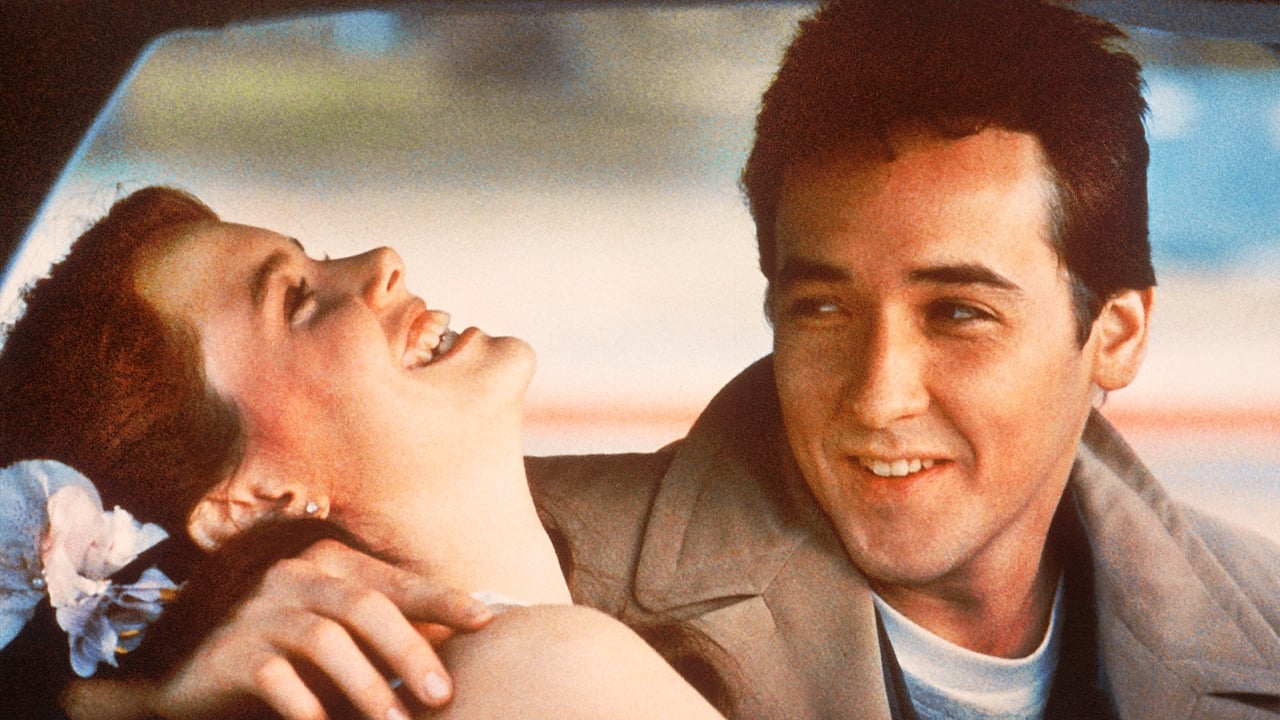
What elevates Say Anything... from a mere romance into a genuine drama is the character of James Court, played with heartbreaking complexity by John Mahoney. Usually, the "protective father" in a teen flick is a cartoon character who just needs to be outsmarted. Mahoney, however, gives us a man who genuinely loves his daughter but is fundamentally compromised by his own greed and fear.
The conflict isn't about Lloyd being "from the wrong side of the tracks"; it’s about the crumbling pedestal Diane has placed her father on. When the IRS starts sniffing around James’s nursing home business, the movie takes a sharp, mature turn. It asks a question most teen movies are too scared to touch: What do you do when the person you look up to most turns out to be a fraud? James Court is the most terrifyingly realistic villain of the decade because he thinks he’s the hero of the story.
The Boombox and the VHS Legacy
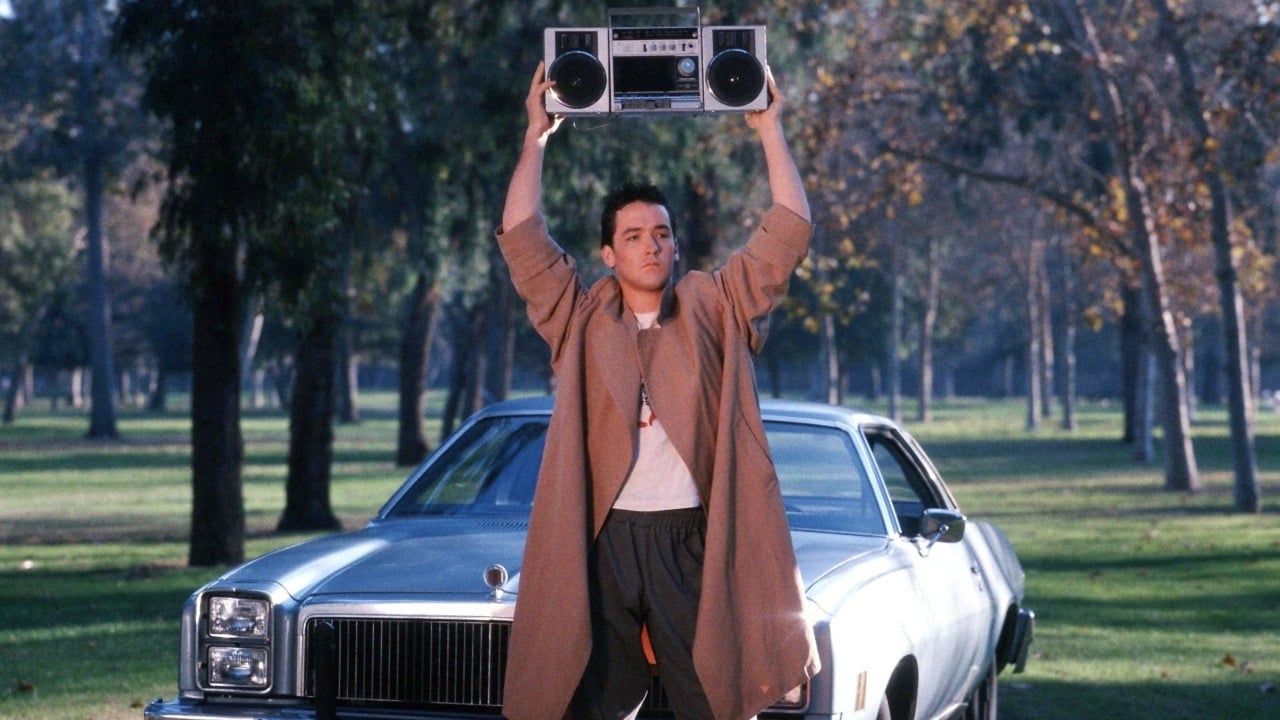
You can't talk about this movie without the boombox. It’s the image that launched a thousand parodies. But if you actually watch the scene, it’s not "romantic" in the traditional sense. It’s desperate. It’s a last-ditch effort at communication. Interestingly, John Cusack originally hated the idea of the scene, thinking it made Lloyd look too submissive. He only agreed to do it if Lloyd could play something "real." They eventually settled on Peter Gabriel’s "In Your Eyes," and the rest is history.
This was a film that truly lived its second life in the video store. I recall the 20th Century Fox VHS box with its distinct blue border; it was the kind of tape that always had a "Staff Pick" sticker on it because the guys behind the counter all fancied themselves as Lloyd Dobler clones. The cinematography by László Kovács—the man who shot Easy Rider and Ghostbusters—gives the film a grounded, naturalistic look that felt light-years ahead of the flat, television-style lighting of its contemporaries. It looked like a "real" movie, not just a product.
Crowe’s obsession with music is all over this thing. From the Joe Saturday references to the way the soundtrack pulses through the party scenes, it feels curated by a guy who spent his youth writing for Rolling Stone (which he did). It’s an aural time capsule that somehow never feels dated.
Ultimately, Say Anything... works because it respects its characters. It doesn't treat Lloyd’s lack of a career path as a punchline, and it doesn't treat Diane’s intelligence as a barrier to her being a romantic lead. It’s a film about the terrifying moment when you have to start making choices that define who you are. Whether you’re holding a boombox over your head or just trying to figure out how to tell your dad he’s wrong, there’s a little bit of Lloyd Dobler in all of us who grew up with a worn-out copy of this tape.
Keep Exploring...
-

Risky Business
1983
-

The Lost Boys
1987
-

The Party
1980
-

Romancing the Stone
1984
-
The Purple Rose of Cairo
1985
-

An American Tail
1986
-

Scrooged
1988
-

All Dogs Go to Heaven
1989
-
Jerry Maguire
1996
-
Elizabethtown
2005
-
Moonstruck
1987
-

We Bought a Zoo
2011
-
The Graduate
1967
-
Cocktail
1988
-
Harold and Maude
1971
-
Working Girl
1988
-
When Harry Met Sally...
1989
-
Grosse Pointe Blank
1997
-
High Fidelity
2000
-

Aloha
2015