See No Evil, Hear No Evil
"Two mismatched witnesses. Zero working senses. One wild ride."

There is a specific, crackling energy that occurs when two people are so perfectly in sync they don’t even need a script to be funny. You see it with Laurel and Hardy, or Lemmon and Matthau. But for my money, the most chaotic and strangely soulful pairing of the late 20th century was Richard Pryor and Gene Wilder. By the time 1989’s See No Evil, Hear No Evil rolled around, the duo had already struck gold with Silver Streak (1976) and Stir Crazy (1980). This third outing, directed by Arthur Hiller, is arguably the silliest of the bunch, built on a premise so high-concept it practically demands you leave your logic at the door along with your shoes.
I watched this most recently on a DVD I found in a bargain bin at a gas station during an oil change. The waiting room smelled like burnt rubber and industrial-strength vanilla air freshener, and honestly, that’s exactly the kind of atmosphere where an 80s buddy-comedy thrives.
The Lightning in a Bottle Duo
The plot is pure 80s farce: Wally (Richard Pryor) is blind and Dave (Gene Wilder) is deaf. They meet, they bicker, and they accidentally "witness" a murder outside Dave’s newsstand. Dave sees the legs of the killer; Wally hears the gunshot and smells a specific perfume. Naturally, the police—led by a delightfully frustrated Alan North—assume these two are the perpetrators because, in the world of 80s cinema, the cops are legally required to be incompetent.
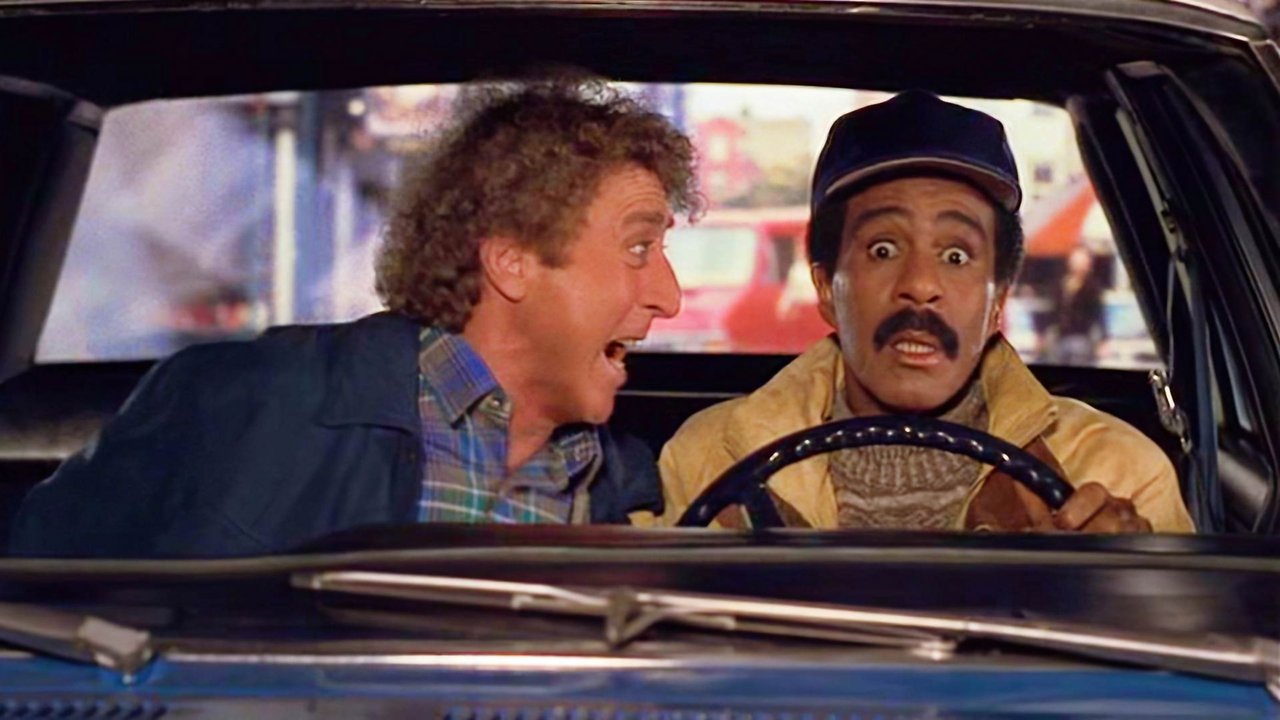
What follows is a chaotic road movie as the pair escapes custody to find the real killers. While the script, co-written by Gene Wilder himself, leans heavily into the "blind leading the deaf" gags, it’s the chemistry that saves it. Wilder plays Dave with a simmering, neurotic gentleness that perfectly offsets Pryor’s manic, high-strung energy. There’s a sequence where Dave has to describe Wally’s surroundings to him so Wally can drive a car. It is a scene of absolute, unadulterated madness that shouldn't work, yet it’s the funniest ten minutes of the movie. You can see the genuine joy the two actors have in each other’s company, which makes the somewhat dated disability humor feel more like a playground for two masters of the craft rather than anything mean-spirited.
Practical Perils and 80s Grit
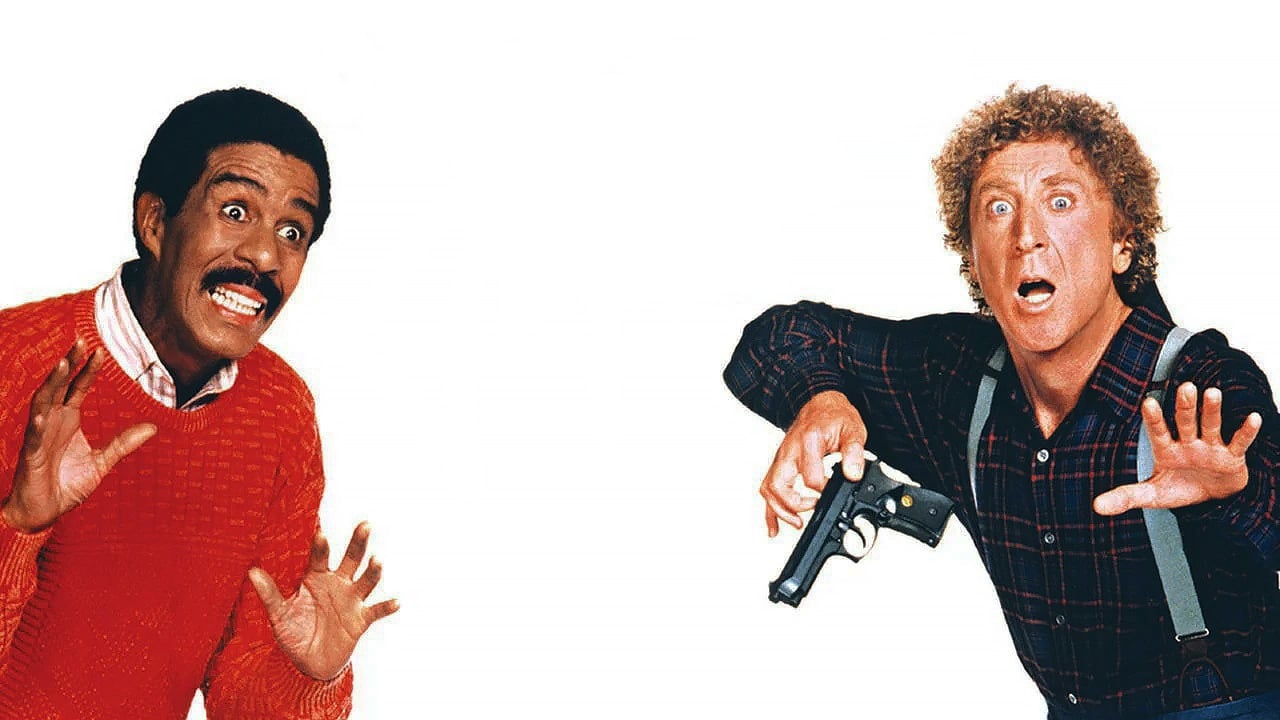
Being a pre-CGI era film, the stunts and physical comedy here have a weight that modern comedies often lack. When Dave and Wally are tumbling down hills or getting into scuffles, it’s really them (or their very brave stunt doubles) hitting the pavement. Arthur Hiller, who previously directed the duo in Silver Streak, knows exactly how to frame their physical interplay. He understands that the comedy isn't just in the punchline; it’s in the way Gene Wilder’s eyes go wide or the way Richard Pryor uses his hands to navigate a world he can't see.
Interestingly, Gene Wilder took his role quite seriously, spending time at the New York League for the Hard of Hearing to learn how to lip-read and understand the nuances of the experience. It adds a layer of sincerity to an otherwise absurd film. On the flip side, Richard Pryor was already battling the early stages of Multiple Sclerosis during filming. Knowing that now, his physical performance feels even more impressive—he was essentially doing a high-wire act while his own body was starting to rebel.
The Villains and the VHS Glow
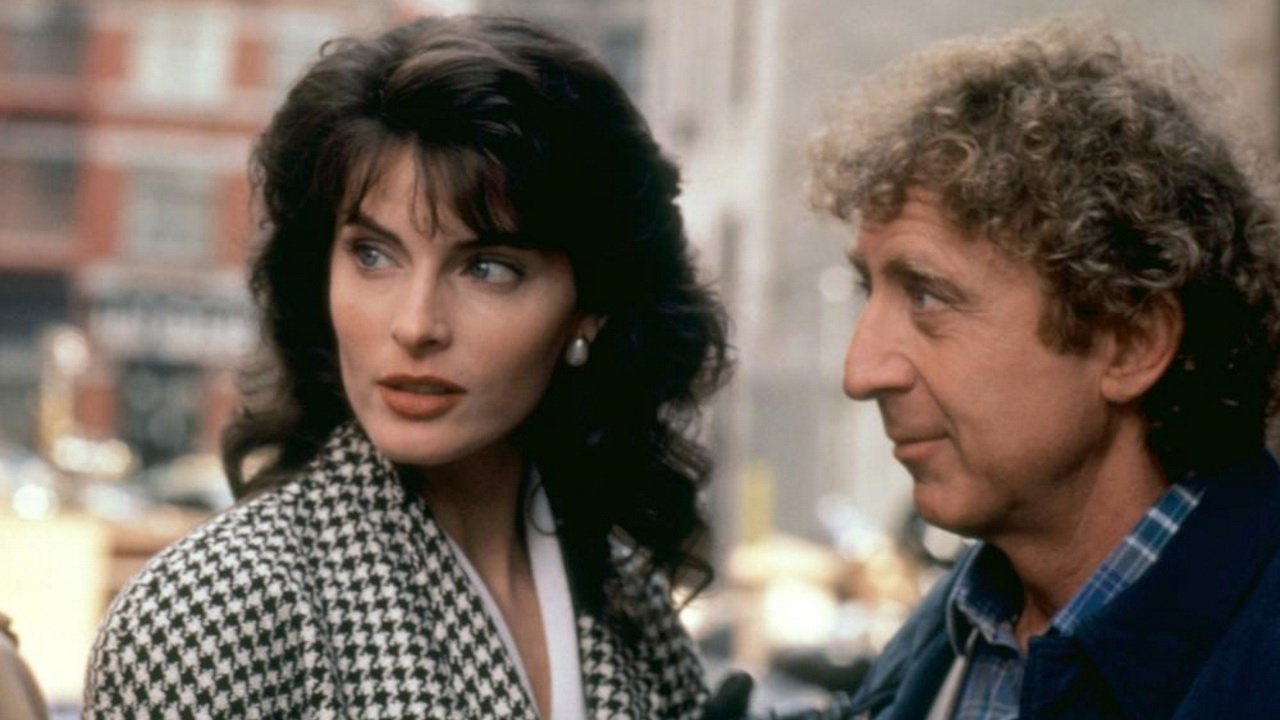
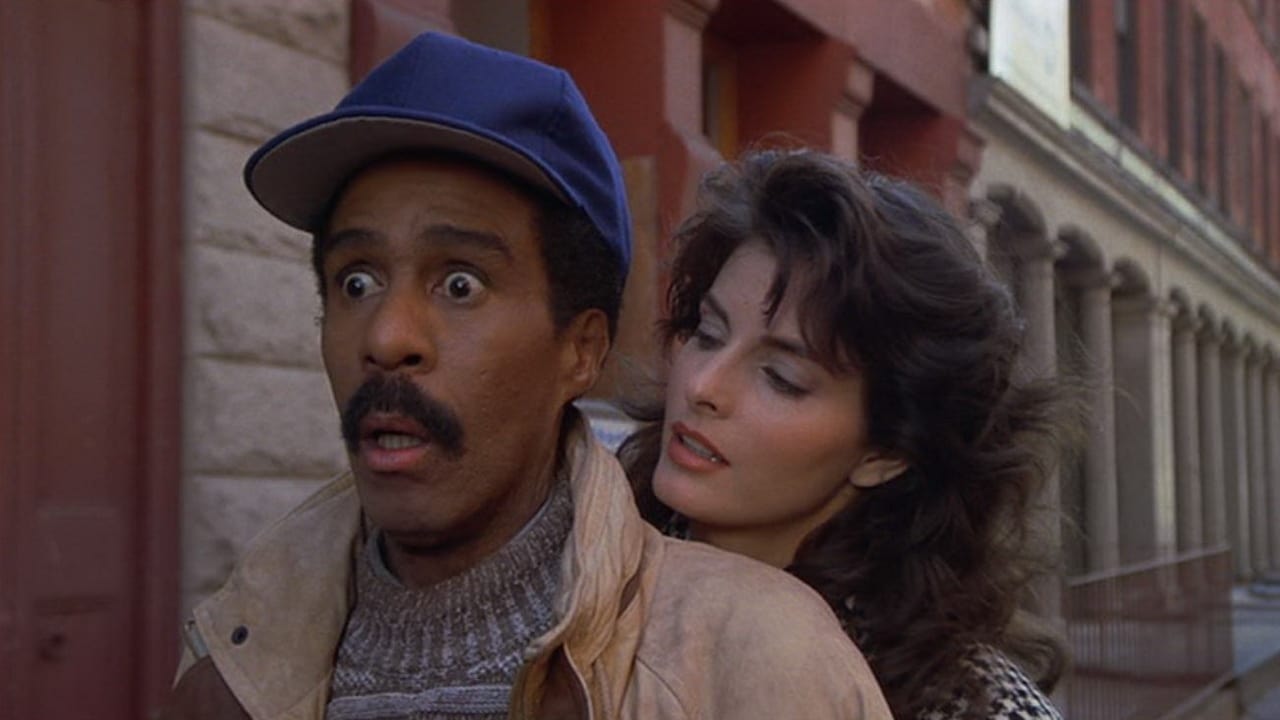
Every great 80s comedy needs a pair of over-the-top villains, and See No Evil, Hear No Evil delivers a strange, fascinating duo. A very young Kevin Spacey (sporting a questionable accent and a prosthetic mole) and Joan Severance provide the menace. Severance, a staple of late-80s "cool girl" roles, is the icy femme fatale who serves as the perfect foil to the bumbling protagonists.
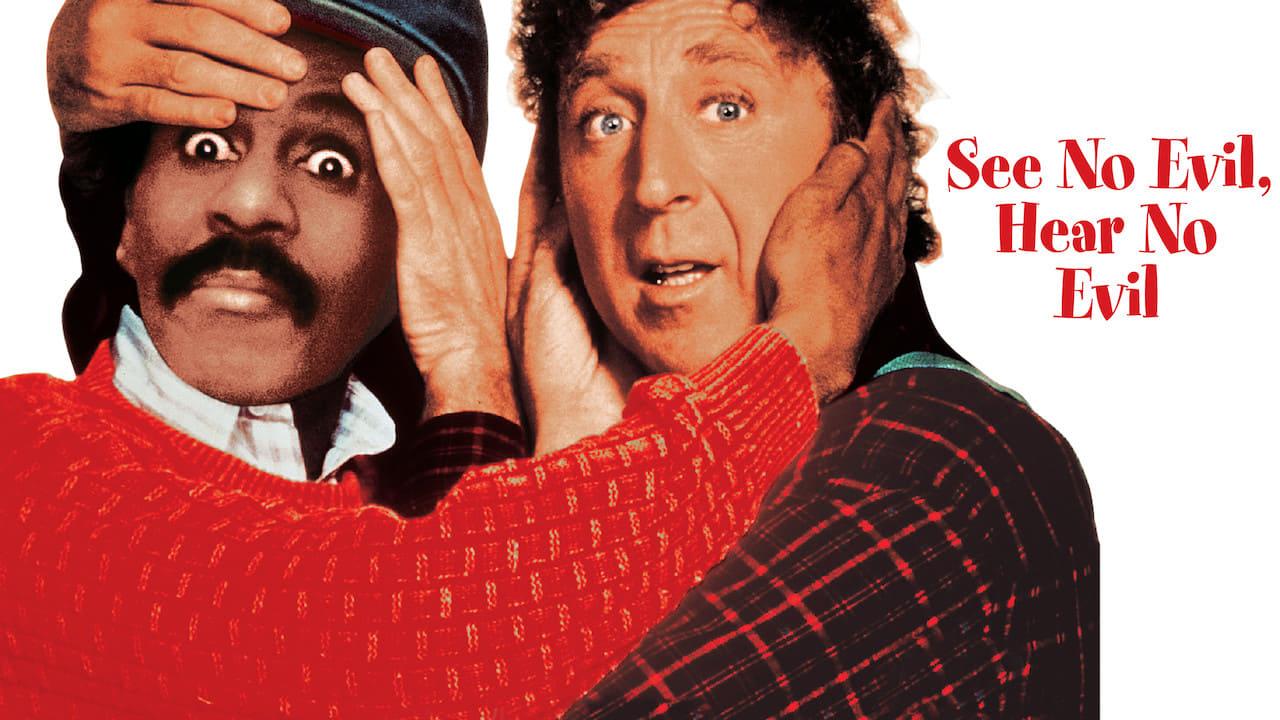
For those of us who grew up in the VHS era, this movie was a Friday night staple. It’s the kind of film that lived in those oversized plastic clamshell cases at the local Mom-and-Pop video store. The box art—Dave and Wally covering each other’s ears and eyes—was iconic. It promised a "fun for the whole family" vibe that the movie mostly delivers, provided your family is okay with a healthy dose of 80s profanity.
The film did well at the box office but has since faded into the shadow of Stir Crazy. It’s often dismissed as the "lesser" entry in the Pryor/Wilder trilogy, but I think that’s unfair. The plot is thinner than a piece of single-ply toilet paper, but the movie isn't about the MacGuffin (a mysterious gold coin containing a high-tech chip). It’s about the "I'm deaf!" / "I'm blind!" shout-match in the police station. It’s about the sheer, ridiculous audacity of the premise and the warmth of two legends enjoying one of their final laps together.
See No Evil, Hear No Evil is far from a masterpiece, but it’s a masterclass in how much weight a legendary pairing can carry. It’s a breezy, 102-minute reminder of an era when a movie only needed a goofy hook and two charismatic leads to succeed. It’s not "prestige" cinema, but it’s the perfect companion for a rainy afternoon or a 5-minute wait for a bus. If you can overlook the predictable beats and some jokes that haven't aged perfectly, you’ll find a heart-on-its-sleeve comedy that still knows how to earn a laugh.
Keep Exploring...
-
Police Academy 2: Their First Assignment
1985
-
K-9
1989
-
Turner & Hooch
1989
-
Weekend at Bernie's
1989
-
48 Hrs.
1982
-
The Pink Panther
1963
-
Batman
1966
-

Murder by Death
1976
-
Clue
1985
-

Police Academy 3: Back in Training
1986
-
Beverly Hills Cop II
1987
-
Dirty Rotten Scoundrels
1988
-

Midnight Run
1988
-
Crimes and Misdemeanors
1989
-
Police Academy 4: Citizens on Patrol
1987
-
Police Academy
1984
-
Tango & Cash
1989
-
Body Double
1984
-
Romancing the Stone
1984
-
Splash
1984