sex, lies, and videotape
"The voyeur in the living room."
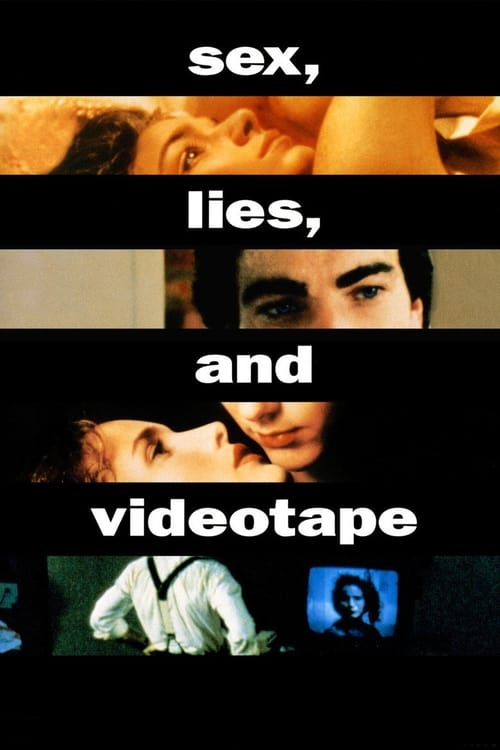
The summer of 1989 was supposed to belong to the Bat-signal and whip-cracking archeologists. Instead, a 26-year-old kid from Louisiana rolled into the Cannes Film Festival with a $1.2 million bag of neuroses and walked away with the Palme d'Or. People went into theaters expecting the title to deliver a late-night cable skin flick; what they got was something far more dangerous: a quiet, clinical dissection of why we can’t stop lying to the people we share a bed with.

I remember watching this on a grainy VHS rental years ago, sitting on a floor that smelled faintly of Murphy Oil Soap, and feeling like I was intruding on something I wasn’t supposed to see. That’s the magic trick Steven Soderbergh pulls off here. Even though the movie is mostly four people talking in beige rooms, it feels more scandalous than any slasher flick or high-octane thriller of the era. It’s a movie that weaponized the home video revolution against its own audience.
The Prophet of the Camcorder
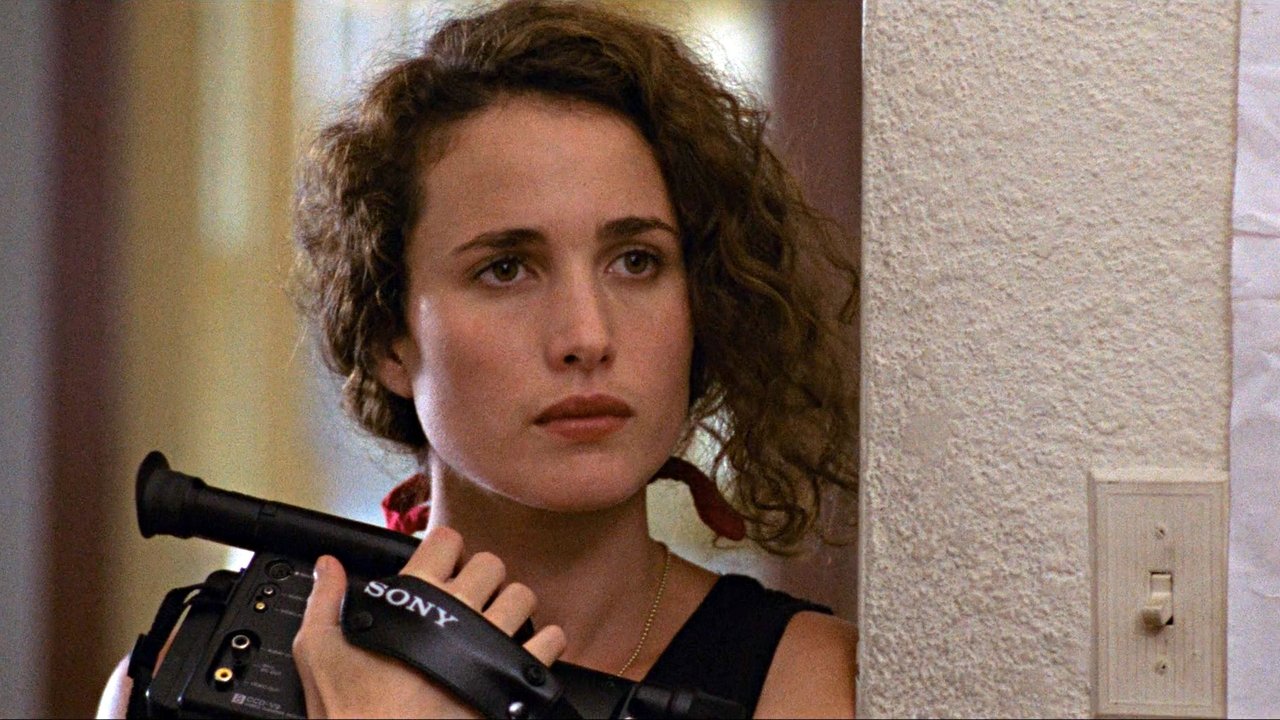
The plot is a square dance of dysfunction. Ann (Andie MacDowell) is a repressed housewife who finds "sex" to be a bit of a chore. Her husband, John (Peter Gallagher), is a skyrocketing lawyer who is currently relieving his stress by sleeping with Ann’s sister, Cynthia (Laura San Giacomo). Enter Graham (James Spader), John’s old friend who drifts into town with an enigmatic smile and a black trunk full of Sony Hi8 tapes.
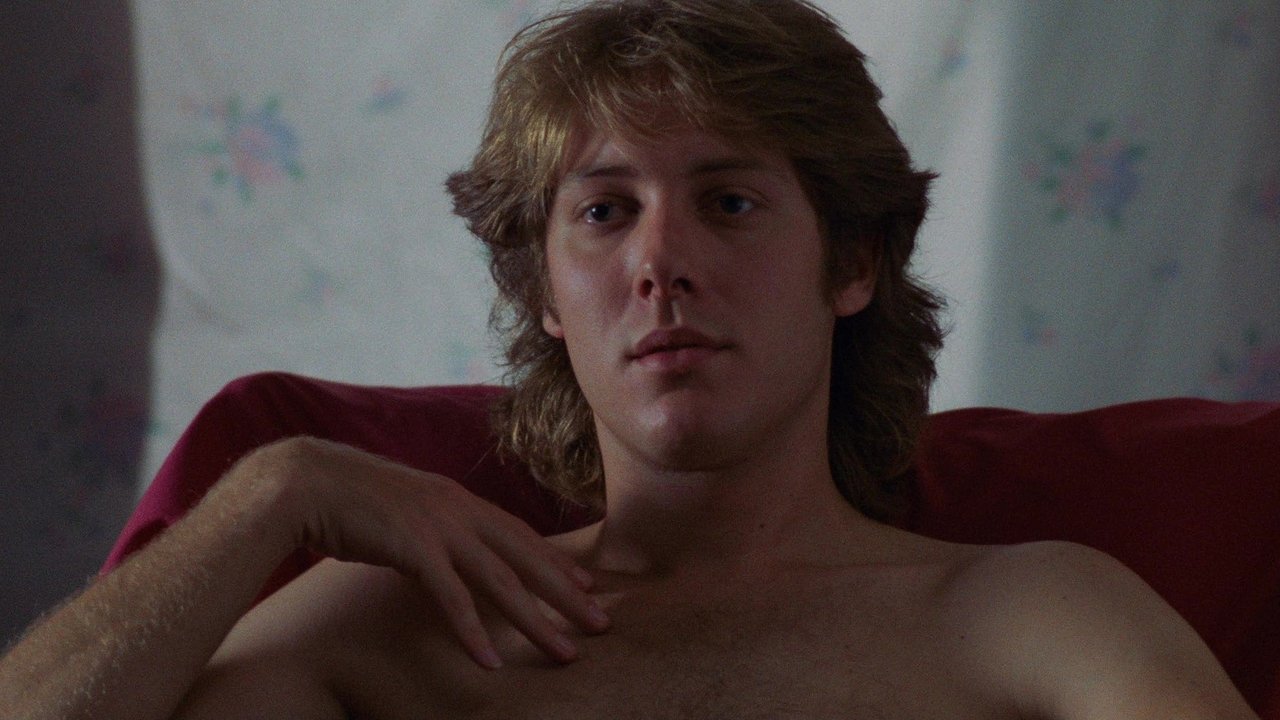
Graham doesn’t do "normal" sex. He interviews women on camera about their intimate lives because it’s the only way he can achieve any kind of connection. James Spader is otherworldly here. He plays Graham with this soft-spoken, eerie stillness that shouldn't be attractive, yet you can’t look away. He’s like a secular priest for the video age. Watching him, I realized that Spader was basically playing a human ASMR video decades before that was even a thing.
Ann is the soul of the film, and Andie MacDowell gives the performance of her life. She captures that specific 1980s suburban paralysis—the feeling that if you just buy the right throw pillows and talk to the right therapist (Ron Vawter), your life will stop feeling like a hollow shell. When she finally sits in front of Graham’s camera, the tension is suffocating.
Budget Brilliance and Baton Rouge

This is the ultimate "Indie That Could." Steven Soderbergh famously wrote the screenplay in eight days during a cross-country drive. You can feel that frantic, focused energy in the dialogue. It doesn’t waste time. Because they were working with a shoestring budget, there are no wasted shots or flashy distractions. They filmed in Baton Rouge in just 30 days, using real houses and a skeleton crew.
The cinematography by Walt Lloyd leans into the naturalism. It doesn't look like a "movie"; it looks like a memory. The score by Cliff Martinez (who would later give us the neon-soaked sounds of Drive) is hauntingly minimalist, using ambient synths that make the silence between lines of dialogue feel heavy and humid.
The trivia is just as lean as the production. Spader actually won Best Actor at Cannes, beating out heavy hitters because he managed to make a "creep" feel like the only honest person in the room. The film was picked up by Miramax and essentially launched the 90s independent film boom. It proved that you didn't need a rubber bat-suit or a massive explosions budget to dominate the cultural conversation; you just needed a compelling secret and a way to record it.
The Texture of the Tape
There’s something deeply nostalgic about the role of the "videotape" in this story. In 1989, a camcorder was a luxury, a way to preserve birthdays and weddings. In Graham’s hands, it’s a confessional booth. The tactile nature of the tapes—the clicking of the plastic, the whirring of the magnetic ribbon—gives the film a physical weight that digital movies just can't replicate.

I’ll admit, it’s the most honest movie ever made about people who lie to themselves while wearing high-waisted pleated khakis. It captures that weird transition point where the excess of the 80s was curdling into the cynical self-reflection of the 90s.
During my most recent rewatch, I accidentally knocked over a glass of lukewarm ginger ale onto my remote, and the way the liquid pooled in the carpet felt exactly like the "stuck" atmosphere of the Mullany household. It’s a film that lives in those small, uncomfortable domestic moments. It doesn't offer easy answers, and the ending isn't a neat bow, but it feels earned.
sex, lies, and videotape remains a masterpiece of restraint and psychological precision. It’s a film that demands your full attention, not because it’s loud, but because it’s whispering things you recognize about yourself. If you’ve only ever seen James Spader as a quippy TV lead or a Marvel villain, you owe it to yourself to see the role that made him a legend. It’s a reminder that sometimes the most explosive thing you can put on screen is two people finally telling the truth.
Keep Exploring...
-
After Hours
1985
-

Day of the Dead
1985
-

Kickboxer
1989
-
Wings of Desire
1987
-
Women on the Verge of a Nervous Breakdown
1988
-

My Left Foot: The Story of Christy Brown
1989
-

Lolita
1962
-
What Ever Happened to Baby Jane?
1962
-
The Great Escape
1963
-
Guess Who's Coming to Dinner
1967
-
In the Heat of the Night
1967
-
Easy Rider
1969
-

Midnight Cowboy
1969
-
Cabaret
1972
-
Mean Streets
1973
-
Serpico
1973
-
The Holy Mountain
1973
-
Badlands
1974
-
Death Wish
1974
-

The Conversation
1974