Star Trek V: The Final Frontier
"Search for the beginning. Find a legendary mess."
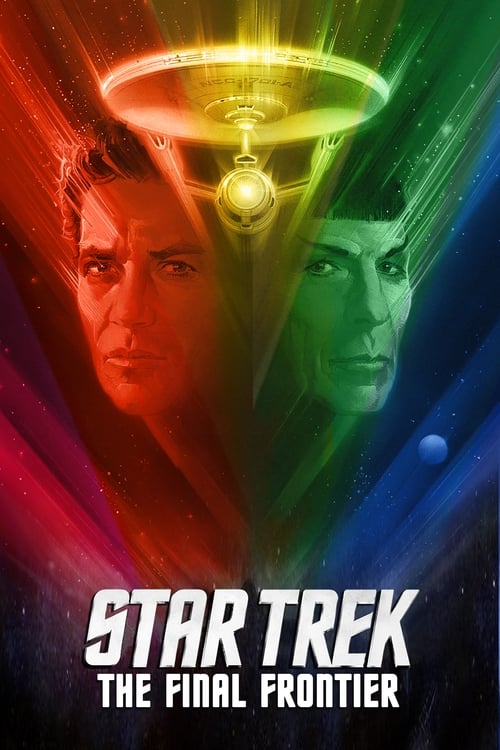
I once watched Star Trek V: The Final Frontier while trying to peel a remarkably stubborn navel orange, and by the time I finally got a clean segment, William Shatner was already free-climbing El Capitan without a harness. It’s a fitting metaphor for the movie itself: a lot of effort for a payoff that's a bit messy and leaves your fingers feeling sticky.
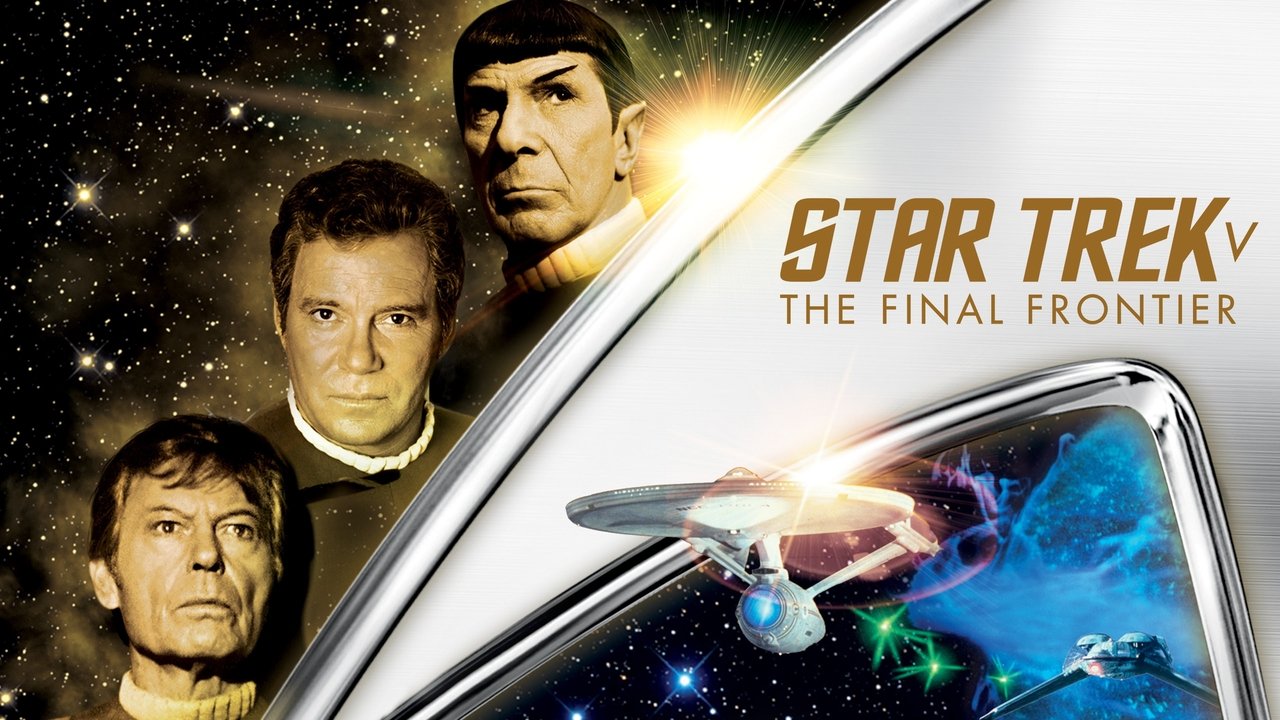
Released in the summer of 1989—the legendary "Summer of Batman"—this film was the red-headed stepchild of the TOS cinematic run. Coming off the massive high of the "Save the Whales" romp that was The Voyage Home, the fans wanted more of that magic. Instead, they got Bill Shatner’s directorial debut, a quest to find God at the center of the galaxy, and some of the most questionable blue-screen work ever committed to celluloid. Yet, there’s a strange, campy warmth to this flick that only a 1980s VHS rental could truly provide.
The Ego and the Mountain
The film kicks off with Captain Kirk scaling a mountain in Yosemite. It’s an iconic, if slightly ridiculous, image that sets the tone for Shatner’s vision. He wanted an action-adventure that leaned into the ruggedness of his leading man. While Leonard Nimoy had successfully directed the previous two installments with a steady, logical hand, Shatner went for something broader and more spiritual.
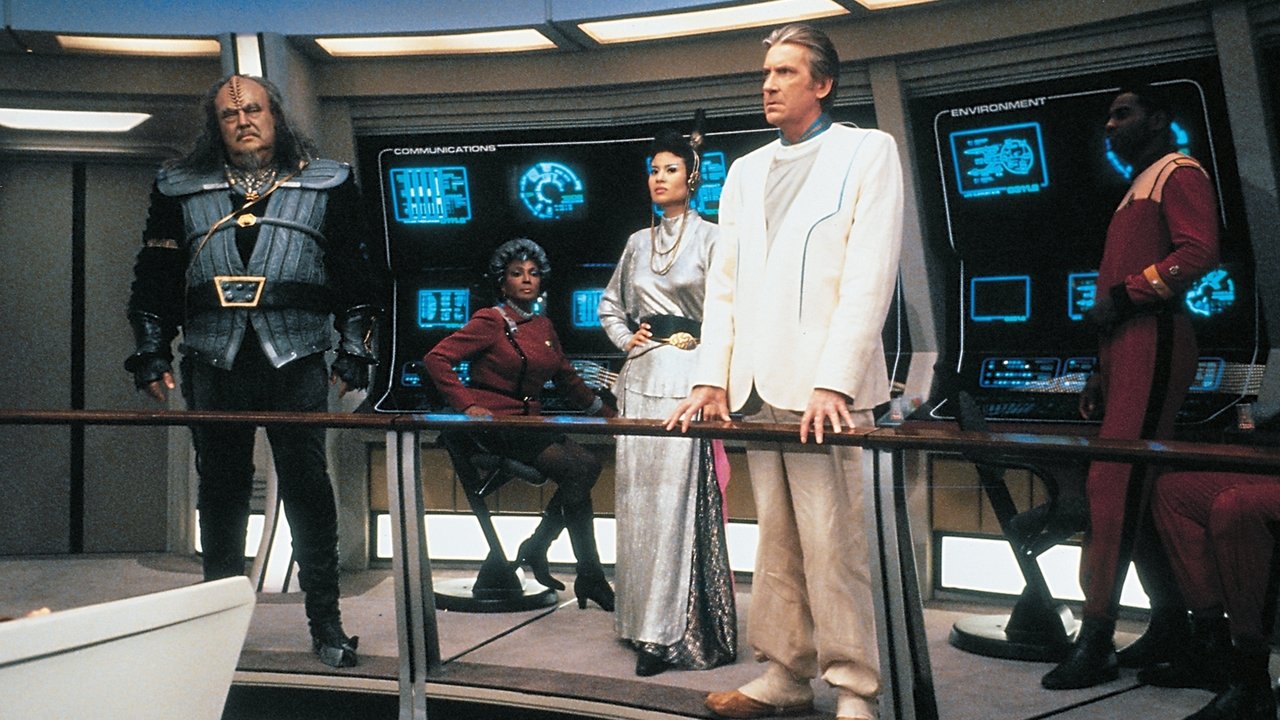
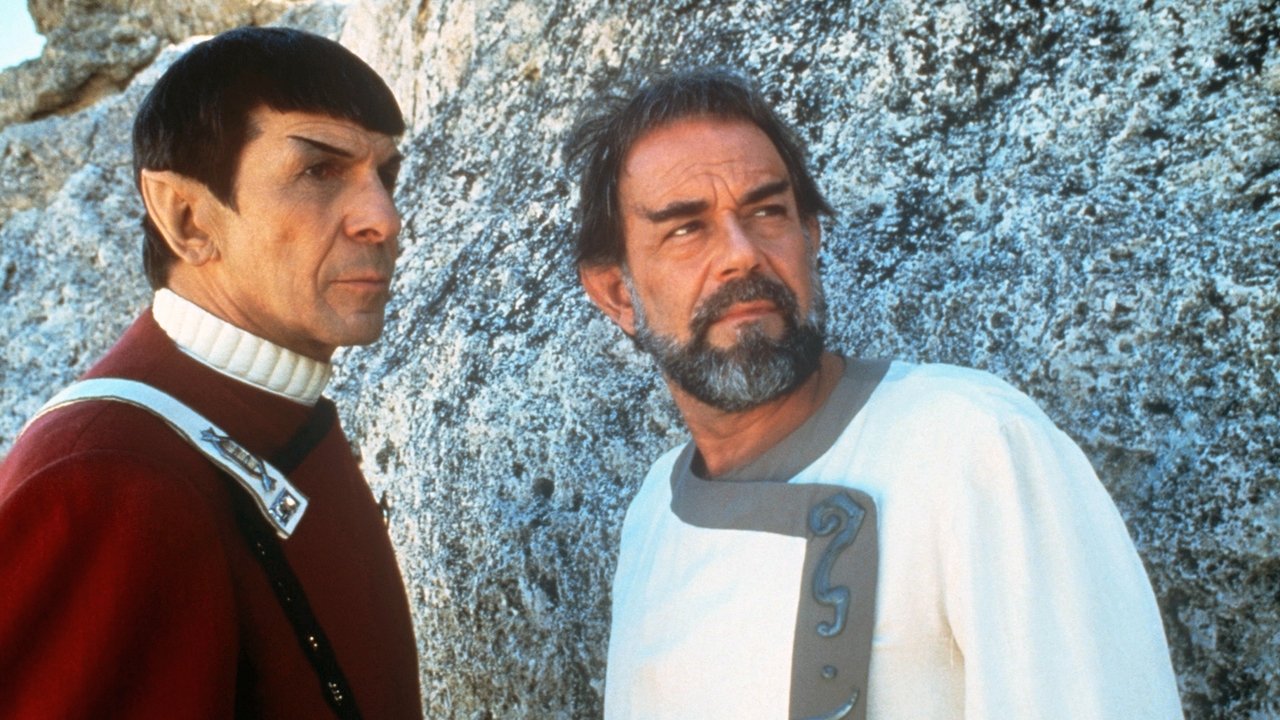
The plot introduces us to Sybok, played with surprising gravitas by Laurence Luckinbill (The Boys in the Band). Sybok is Spock’s half-brother—a secret the franchise just keeps leaning on—who has "cured" his followers of their inner pain, leading them on a crusade to find "Sha Ka Ree," the Vulcan heaven. It’s a high-concept premise that feels like it belongs in a 1960s episode of the original series, and in many ways, that’s the film's greatest strength and its ultimate undoing. It feels like a "lost episode" that accidentally wandered into a $33 million budget.
Practical Effects and Budgetary Blues
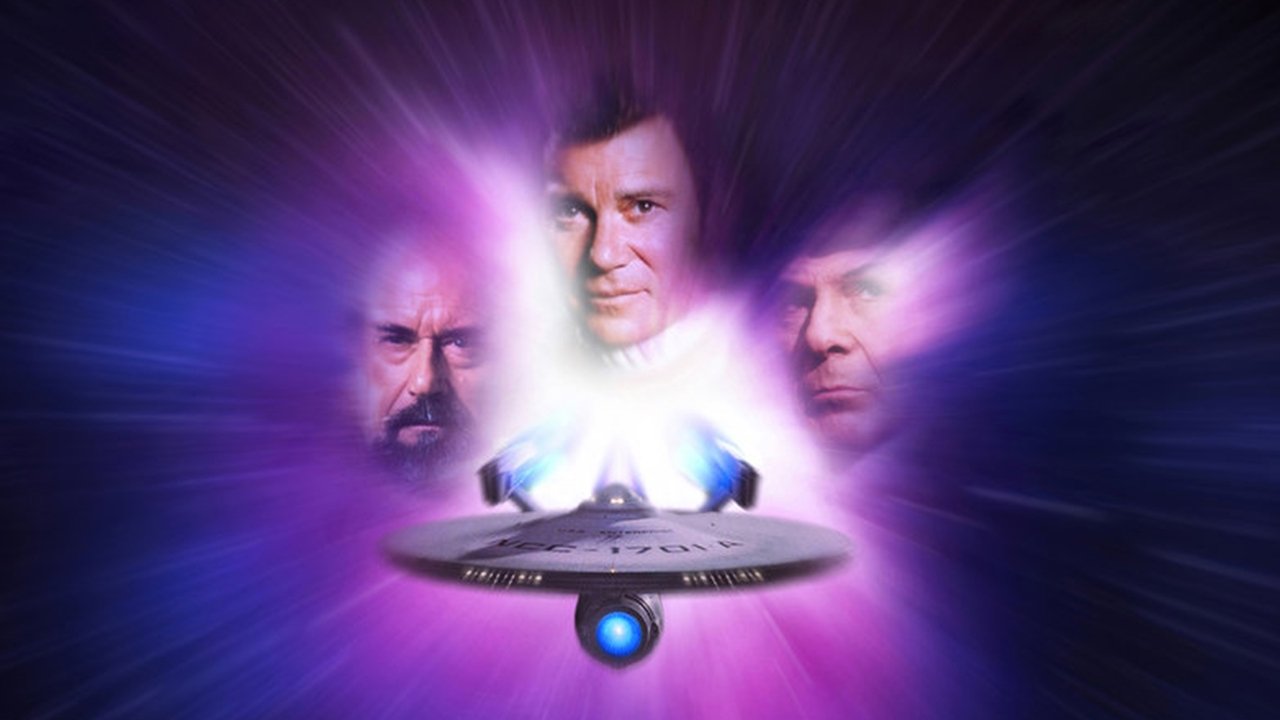
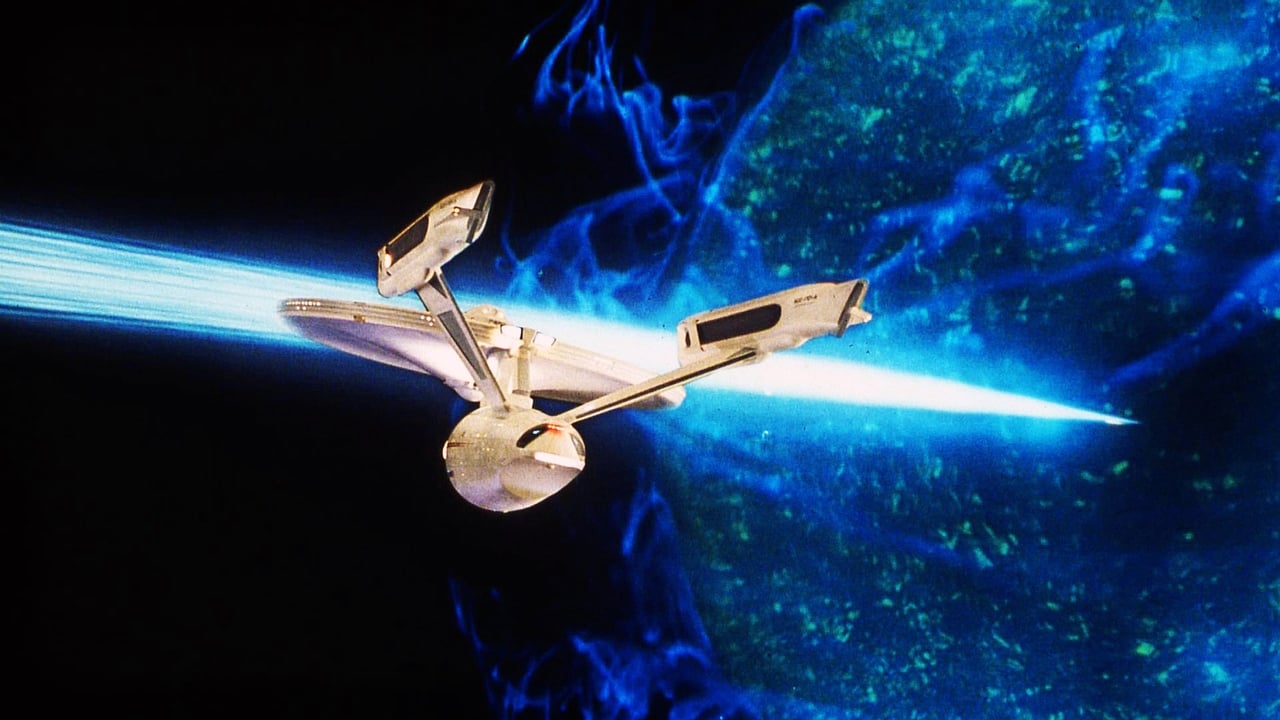
If you grew up watching this on a fuzzy VHS tape, you might have been able to ignore the technical glitches. On a modern 4K screen, there is no hiding. Because Industrial Light & Magic was busy with Indiana Jones and the Last Crusade and Ghostbusters II, the effects work was handed off to a smaller firm. The result? The visual effects look like they were rendered on a toaster.
The "Great Barrier" at the center of the galaxy looks less like a cosmic phenomenon and more like a screen-saver from a 1994 Gateway PC. There’s a specific sequence where Kirk, Spock, and McCoy are flying through the ship in a turbo-shaft that is so poorly matted it actually hurts. However, for a film critic who loves the "how-to" of the era, there’s a charm to the practical sets. The bridge of the Enterprise-A looks tactile and lived-in, and the location shooting in the California desert for the "Planet of Galactic Peace" has that gritty, sun-baked New Hollywood texture that CGI can never quite replicate.
The action choreography is equally hit-or-miss. The takeover of Paradise City features some decent stunt work—horseback riding and actual pyrotechnics—but it’s often undercut by bizarre comedic choices, like James Doohan as Scotty knocking himself unconscious by walking into a low-hanging beam. It’s slapstick in a movie that’s trying to talk about the nature of the soul.
The Campfire Chemistry
Despite the wonky effects and the "What does God need with a starship?" finale that feels like it was rewritten ten minutes before filming, there is one reason to watch The Final Frontier: the central trio. The chemistry between William Shatner, Leonard Nimoy, and DeForest Kelley has never been more palpable.
The scene where they sit around a campfire, failing to sing "Row, Row, Row Your Boat" and discussing the meaning of life, is the absolute heart of the film. When Kirk says, "I don't want my pain taken away! I need my pain!" it’s a genuinely great moment of character work. It’s the kind of performance that reminds you why these guys became icons. They weren’t just space explorers; they were three old friends who clearly loved (and occasionally annoyed) one another.
The supporting cast, including George Takei and Walter Koenig, are mostly relegated to "mind-controlled" puppets for Sybok, but they still bring that professional 1980s polish. Even when the script falters, Jerry Goldsmith’s score soars. Returning to the franchise after the first film, Goldsmith delivers a rousing, adventurous theme that makes the movie feel much more epic than it actually is.
Ultimately, Star Trek V is the ultimate "guilty pleasure" rental. It’s the movie you’d find in the bargain bin of a Blockbuster in 1992, the tape box worn at the edges and the cover art promising a cosmic battle that never quite materializes. It’s a mess, but it’s an earnest, human mess. It lacks the polish of The Wrath of Khan or the tight plotting of The Undiscovered Country, but it has a weird, goofy soul that I can't help but appreciate. If you can look past the shoddy matte paintings and Shatner’s occasional bouts of over-acting, there’s a cozy, Saturday-morning-cartoon vibe here that’s hard to hate. Just make sure you have an easy-to-peel orange on standby.
Keep Exploring...
-
Star Trek III: The Search for Spock
1984
-

Star Trek VI: The Undiscovered Country
1991
-

Star Trek II: The Wrath of Khan
1982
-
Star Trek: The Motion Picture
1979
-
Star Trek IV: The Voyage Home
1986
-

Masters of the Universe
1987
-
Superman III
1983
-
Star Trek: Generations
1994
-
Dune
1984
-
Kin
2018
-
A View to a Kill
1985
-
Mad Max Beyond Thunderdome
1985
-
Rambo III
1988
-
Teenage Mutant Ninja Turtles II: The Secret of the Ooze
1991
-
Escape from L.A.
1996
-
The Saint
1997
-
Star Trek: Insurrection
1998
-
Final Fantasy: The Spirits Within
2001
-
Star Trek: Nemesis
2002
-

Paycheck
2003