Tango & Cash
"The 80s action movie’s glorious, explosive mid-life crisis."
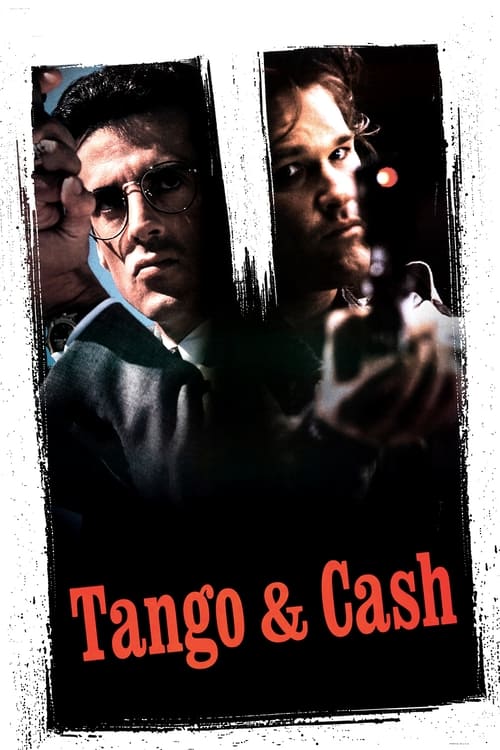
1989 was the year the 80s action movie decided to have a glorious mid-life crisis and buy a Ferrari. It was the end of a decade defined by solo titans—guys who didn’t need partners because their biceps were large enough to count as supporting characters. But then came Tango & Cash, a movie that decided the only thing better than one invincible superstar was two of them, trapped in a script that was being rewritten faster than the pyrotechnics could be wired. I watched this most recent time while recovering from a mild case of food poisoning, and I can confirm that the sheer volume of the explosions actually helped distract me from the bad shrimp.

The Wall Street Cop and the Denim Disaster
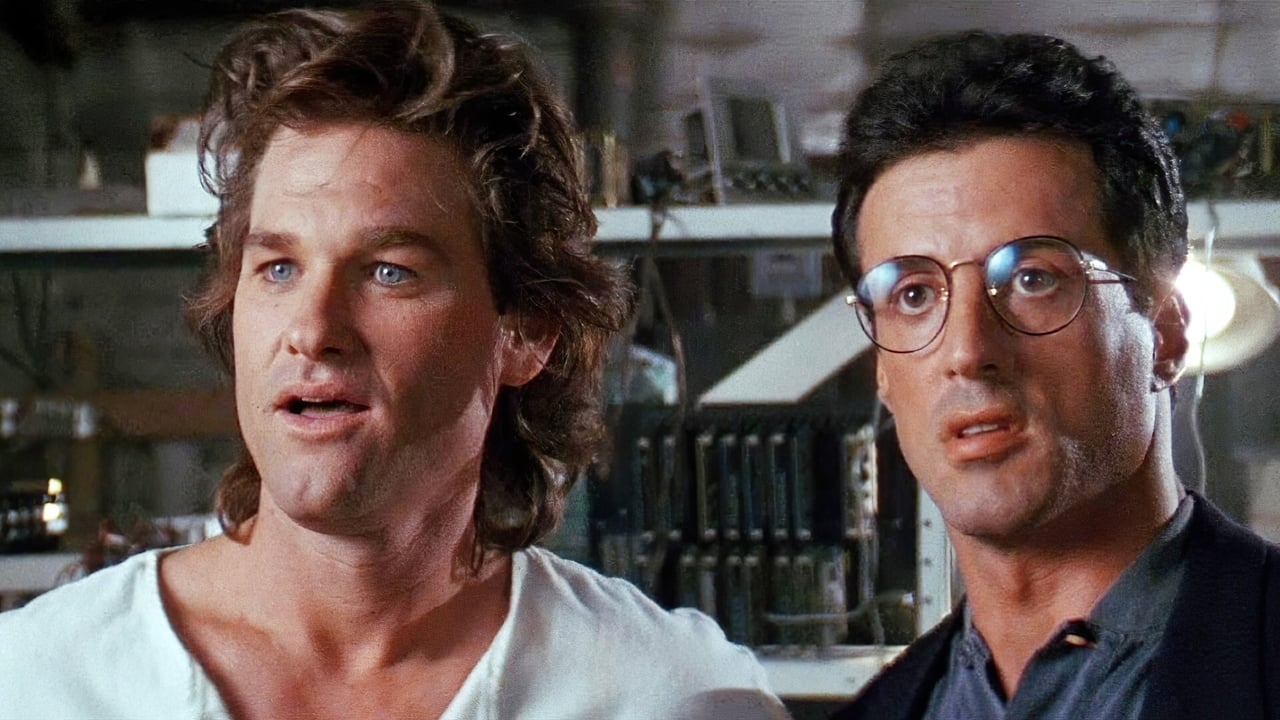
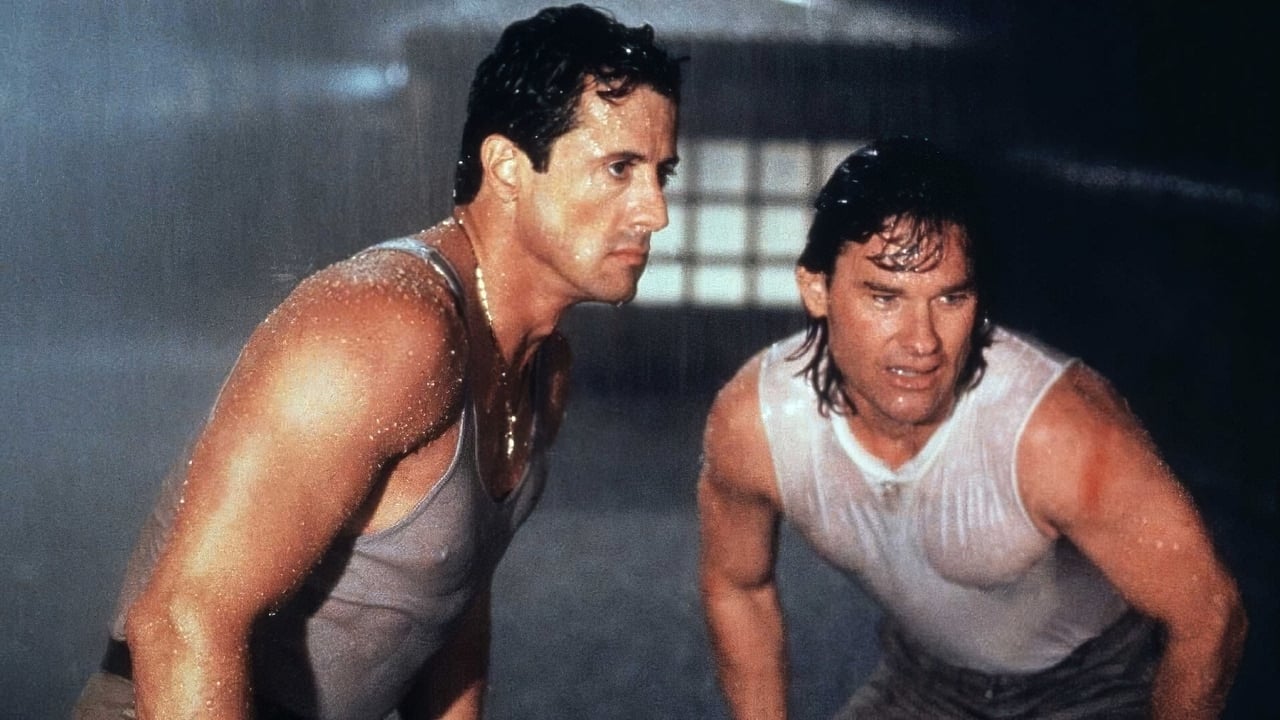
The high-concept pitch is pure 1980s gold: What if Sylvester Stallone played the "civilized" one? As Ray Tango, Stallone trades the headband and greasepaint for tailored three-piece suits and actual spectacles. He’s a narcotics cop who plays the stock market and drinks coffee from a china cup. It’s a hilarious bit of meta-commentary on his own "meathead" image, and he plays it with a surprisingly dry, witty edge.
Across from him is Kurt Russell as Gabe Cash. If Tango is the boardroom, Cash is the back alley. Wearing a mullet that deserves its own zip code and a wardrobe consisting almost entirely of distressed denim, Russell is clearly having the time of his life. The chemistry isn't just "buddy cop" boilerplate; it’s a genuine clash of styles. While most action movies of the era were trying to be the next Lethal Weapon, this one feels like it’s trying to be a live-action Looney Tunes cartoon with more pectorals. It’s basically a buddy-cop movie where the buddies are actively trying to out-smirk each other into oblivion.
A Production From The Seventh Circle Of Development Hell
You can usually tell when a movie was a nightmare to film, but Tango & Cash wears its scars like badges of honor. The production was a disaster: the original director, Andrei Konchalovsky (who previously did the high-art Siberiade), was fired three months into shooting because he wanted to make a "serious" thriller. He was replaced by Albert Magnoli, who was essentially told to turn the volume up to eleven.
Stallone also famously got the original cinematographer, Donald E. Thorin, fired after a disagreement about lighting. The script by Randy Feldman was being adjusted daily, often on the fly, which explains why the plot about a crime lord (Jack Palance at his most lizard-like and menacing) framing them for murder feels like a secondary concern to the banter. Despite the chaos, the film works because it leans into the absurdity. When Stallone’s character tells a witness that "Rambo is a pussy," you’re witnessing a movie that has achieved total self-awareness.
The Practical Magic of the "RV From Hell"
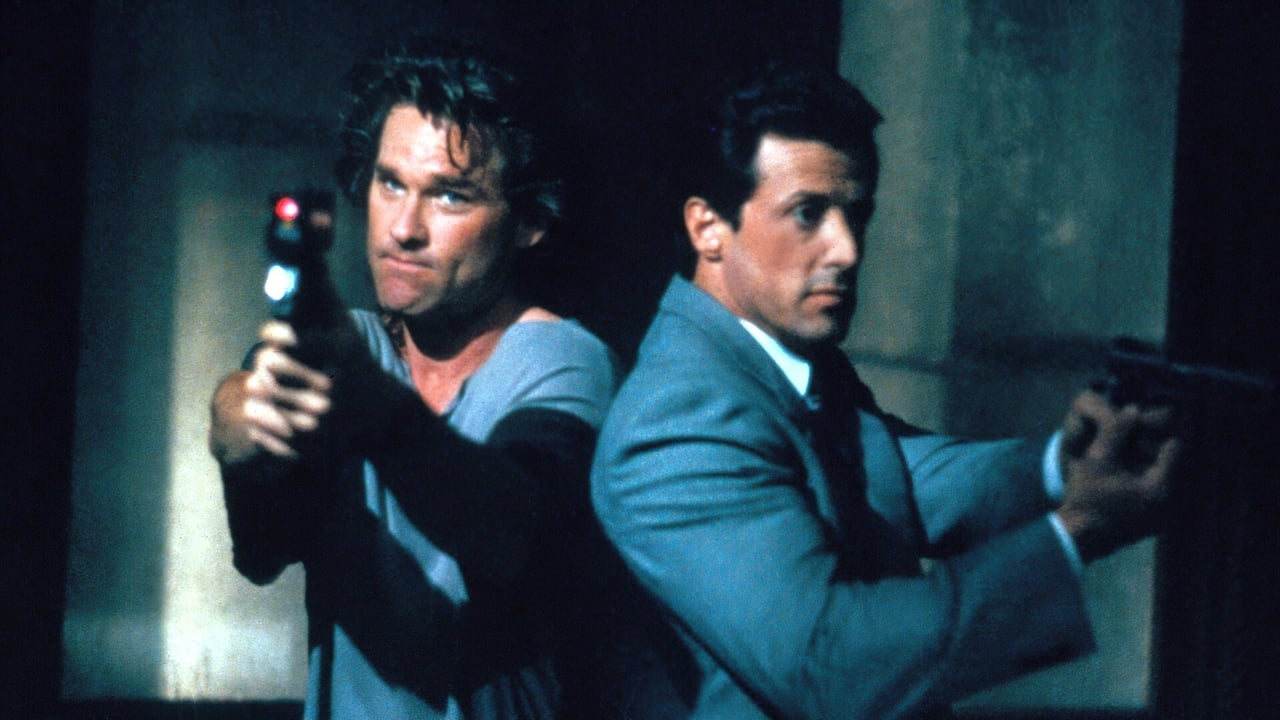
The action sequences are a fever dream of pre-CGI practical effects. In the 80s, if you wanted a truck to explode, you didn't click a mouse; you hired a guy named "Buster" to pack a real Chevy with C4 and prayed for the best. The film’s centerpiece is the prison break, involving a high-voltage wire and a lot of screaming, but nothing tops the finale.
The production spent a fortune on the "SUV from Hell"—a heavily armored vehicle equipped with a massive side-mounted Gatling gun. Seeing that thing tear through a desert compound is a reminder of the practical effects golden age, where the weight and heat of the explosions felt real because they were. The stunt work is equally reckless; the sequence where Stallone and Russell slide down a power line while being shot at is the kind of "how did they let them do that?" moment that modern green-screens just can't replicate. Even the supporting cast is an action-fan's bingo card, featuring Brion James (the replicant Leon from Blade Runner) and the legendary James Hong.
The VHS Goldmine
While the film didn't set the box office on fire in 1989—it was overshadowed by the cultural juggernaut of Tim Burton’s Batman—it became an absolute legend on the rental shelves. The tape box art, featuring Stallone in his glasses and Russell with his big hair, was a staple of every video store in America. It was the perfect "Saturday night with a pizza" movie. Unlike the grit of Die Hard, Tango & Cash felt like a celebration of the era's excess, designed to be watched on a grainy CRT television where the neon lights of the L.A. nights bled into the black bars of the screen.
Even the score by Harold Faltermeyer—the king of the 80s synth—screams home video nostalgia. It’s bouncy, mechanical, and slightly ridiculous, punctuating every one-liner with a digital "stang." The film doesn't ask you to think; it asks you to enjoy the spectacle of two icons realizing that the decade of the "Lone Wolf" was ending, so they might as well go out with the biggest bang possible.
Tango & Cash is the ultimate "guilty pleasure" that shouldn't actually make you feel guilty. It’s a messy, loud, frequently nonsensical piece of action cinema that succeeds entirely on the charisma of its leads and the sheer audacity of its stunts. It captures a very specific moment in Hollywood history where the budget was bottomless, the stars were larger than life, and logic was something that happened to other people. It’s a neon-soaked farewell to the 80s that remains endlessly rewatchable for anyone who misses the smell of gunpowder and the sight of a well-maintained mullet.
Keep Exploring...
-

Midnight Run
1988
-
Lethal Weapon 2
1989
-
Lock Up
1989
-
Turner & Hooch
1989
-
The Lost Boys
1987
-
Lethal Weapon 4
1998
-
RED 2
2013
-
American Made
2017
-
Hitman's Wife's Bodyguard
2021
-
Another 48 Hrs.
1990
-
Terminal
2018
-
Big Trouble in Little China
1986
-
Cobra
1986
-
Beverly Hills Cop II
1987
-
Lethal Weapon
1987
-
K-9
1989
-

I Care a Lot
2021
-
48 Hrs.
1982
-
Bloodsport
1988
-
Marathon Man
1976