The Abyss
"Beneath the pressure, something breathes."
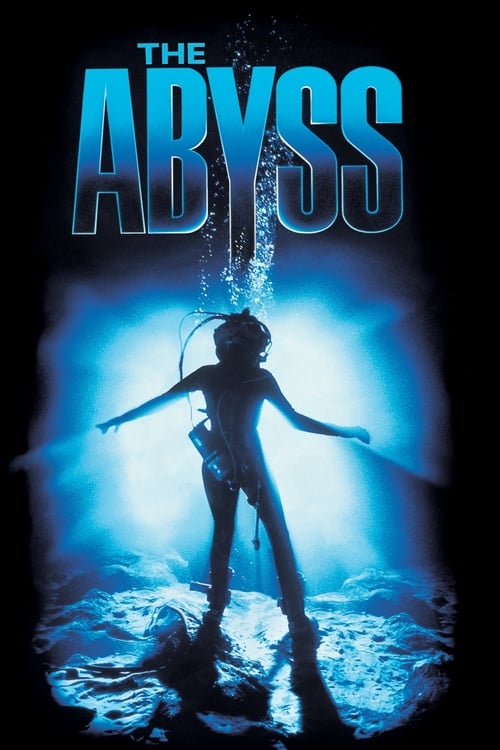
Most directors use a green screen; James Cameron uses a half-finished nuclear power plant in South Carolina filled with 7.5 million gallons of water and proceeds to legally torture his cast for six months. There’s a specific, salt-crusted intensity to The Abyss that you just can't manufacture on a dry soundstage. I watched this again on a rainy Tuesday while eating a slightly stale bagel, and the condensation on my window made the underwater scenes feel like they were leaking into my living room. It’s a film that demands you hold your breath, not out of a sense of wonder, but out of a sympathetic fear of drowning.
The Madness of the Deep
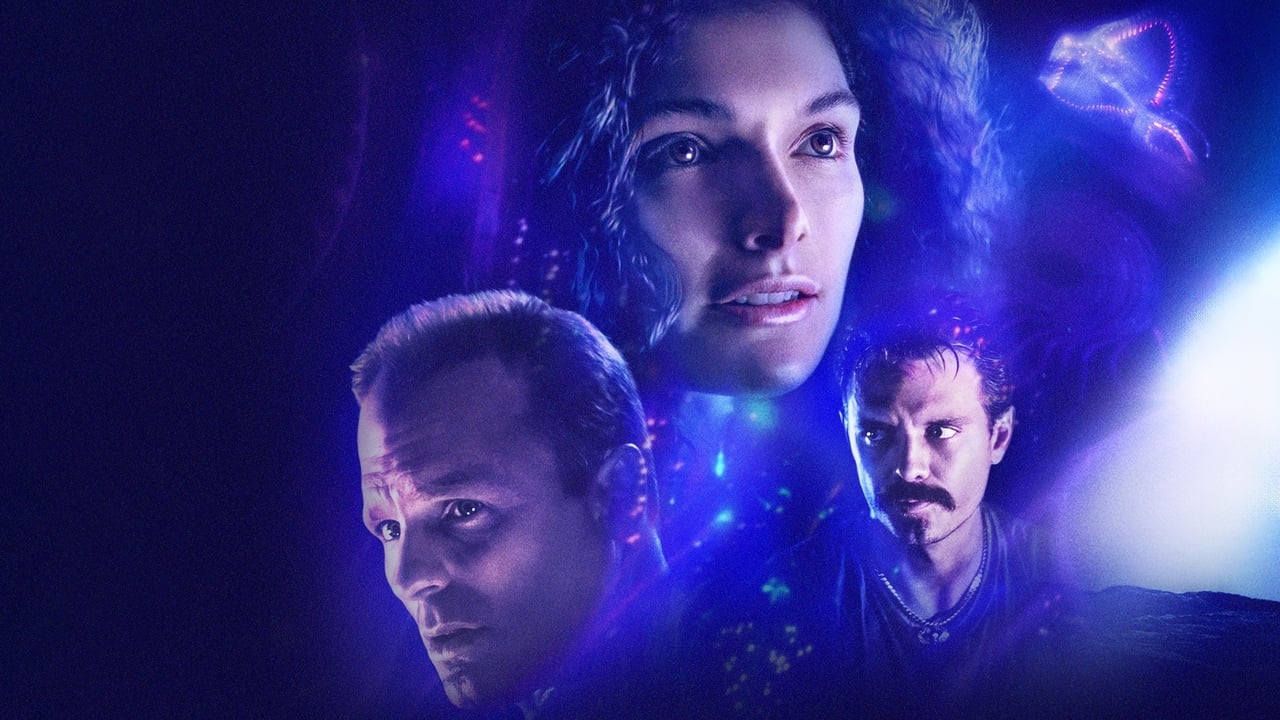
By the time The Abyss hit the home video market, its reputation as a "difficult" production was already legendary. We’re talking about a shoot so grueling that the cast nicknamed it "The Abuse." Ed Harris reportedly punched James Cameron after nearly drowning during a stunt, and Mary Elizabeth Mastrantonio famously walked off set screaming, "We are not animals!" when a light malfunctioned during her character’s most traumatic scene.
You can feel that genuine, unvarnished exhaustion in every frame. When Ed Harris (Bud) and Mary Elizabeth Mastrantonio (Lindsey) are screaming at each other on the Deepcore oil rig, it doesn’t feel like a scripted "divorce-in-peril" trope. It feels like two people who have spent fourteen hours a day underwater and are genuinely at the end of their ropes. That grit is what anchors the high-concept sci-fi. Before the glowing aliens show up, this is a movie about blue-collar workers in a metal tube, fighting the crushing weight of the Atlantic and their own failed marriage.
Practical Peril and Digital Ghosts
We often talk about The Abyss as the birth of modern CGI because of the "pseudopod"—that shimmering water-tentacle that explores the rig. It’s a 75-second sequence that took Industrial Light & Magic six months to render, and while it’s a landmark moment, I actually find the practical effects far more terrifying. The "fluid breathing" scene, where a rat is submerged in oxygenated liquid, was entirely real. It’s a sequence that still makes my skin crawl, and it perfectly sets up the film's climax where Bud has to descend into the trench.
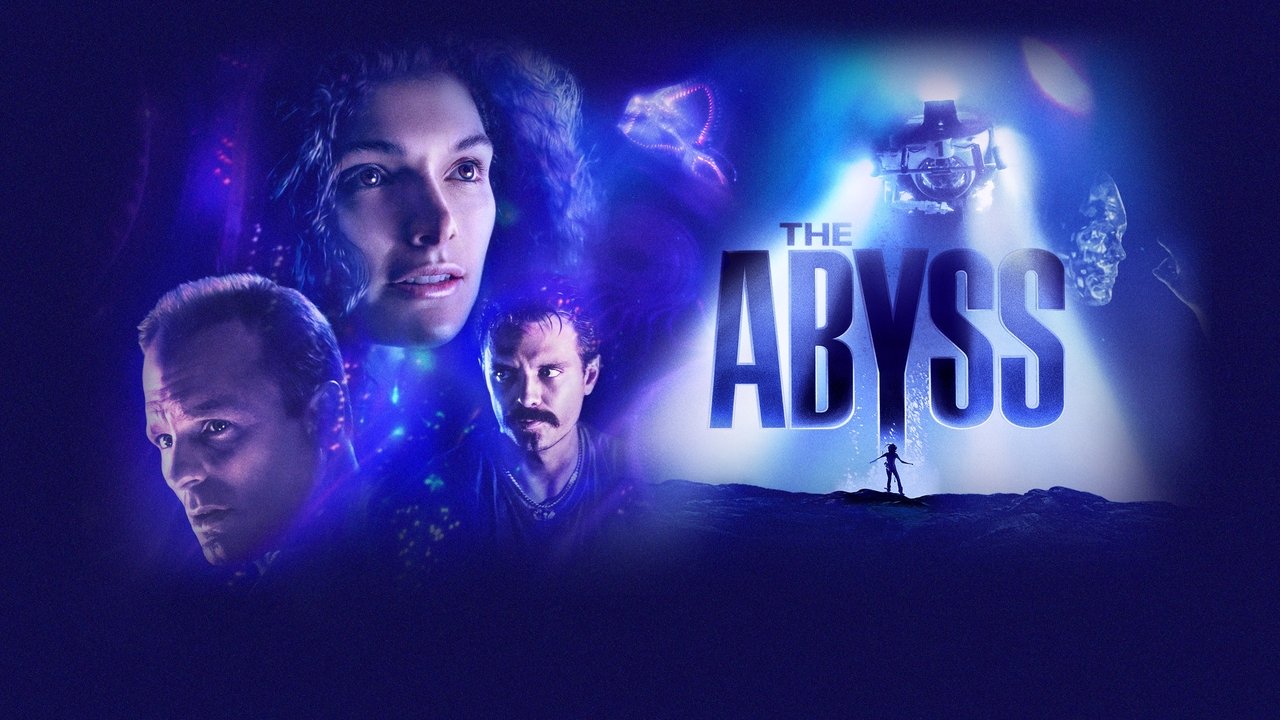
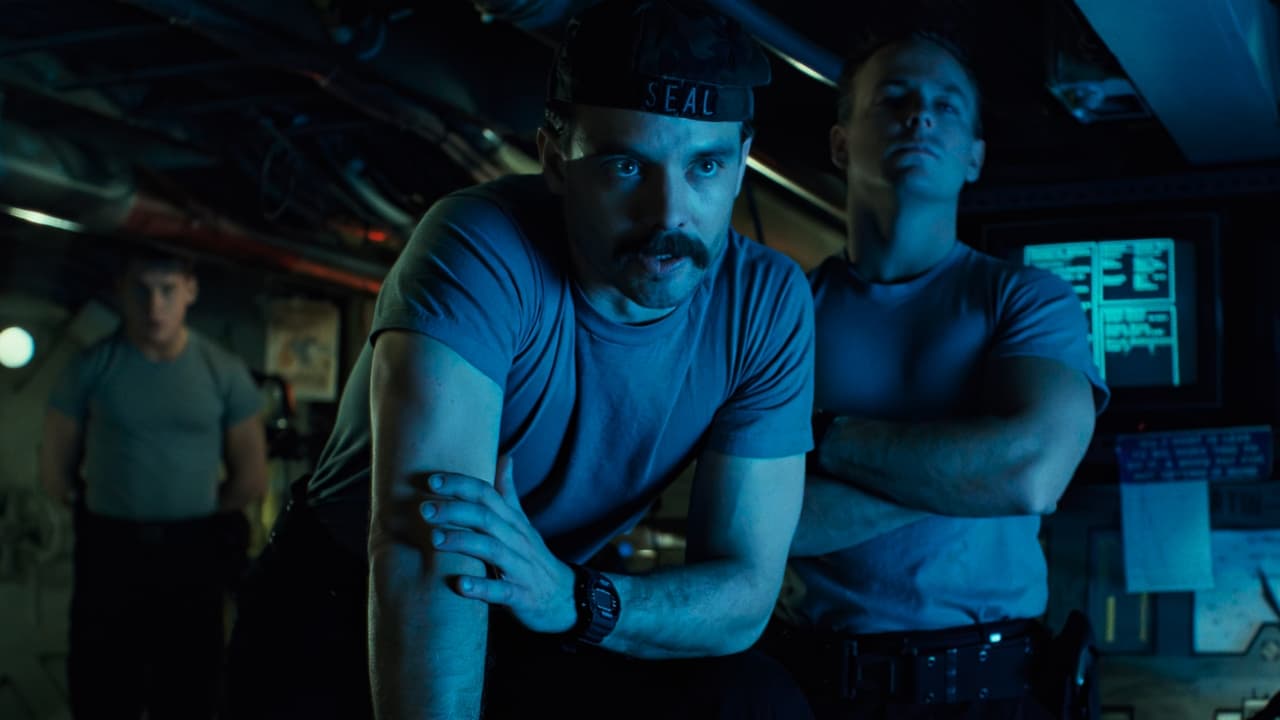
The sheer scale of the miniatures—though "miniature" is a lie, as the models were often the size of small cars—is breathtaking. James Cameron (who also directed Aliens and The Terminator) has always been obsessed with the "how" of technology. The subs, the helmets, and the umbilical cables feel heavy and dangerous. Michael Biehn, playing Lieutenant Coffey, becomes the personification of that danger. He’s a man suffering from High-Pressure Nervous Syndrome (HPNS), and Biehn plays him with a twitchy, razor-edged paranoia that turns a rescue mission into a psychological thriller.
The Special Edition Survival Guide
If you’re going to watch this, you have to track down the Special Edition. The theatrical cut, which I first encountered as a chunky double-VHS set with that iconic glowing blue face on the cover, cuts the heart out of the ending. It leaves the "Non-Terrestrial Intelligences" (NTIs) looking like a benevolent Deus Ex Machina. In the extended version, they are far more judgmental. They show Bud a literal tidal wave of destruction, threatening to wipe humanity off the map because of our Cold War posturing.
The theatrical ending is a coward's exit compared to the Special Edition's tidal wave of judgment. Without that subtext, the film is just a very well-made thriller about a sunken sub. With it, it becomes a dark, existential plea for humanity to stop being so predictably violent. It turns the "aliens" from cute deep-sea pets into silent gods who have been watching us fail for centuries.
Stuff You Didn't Notice
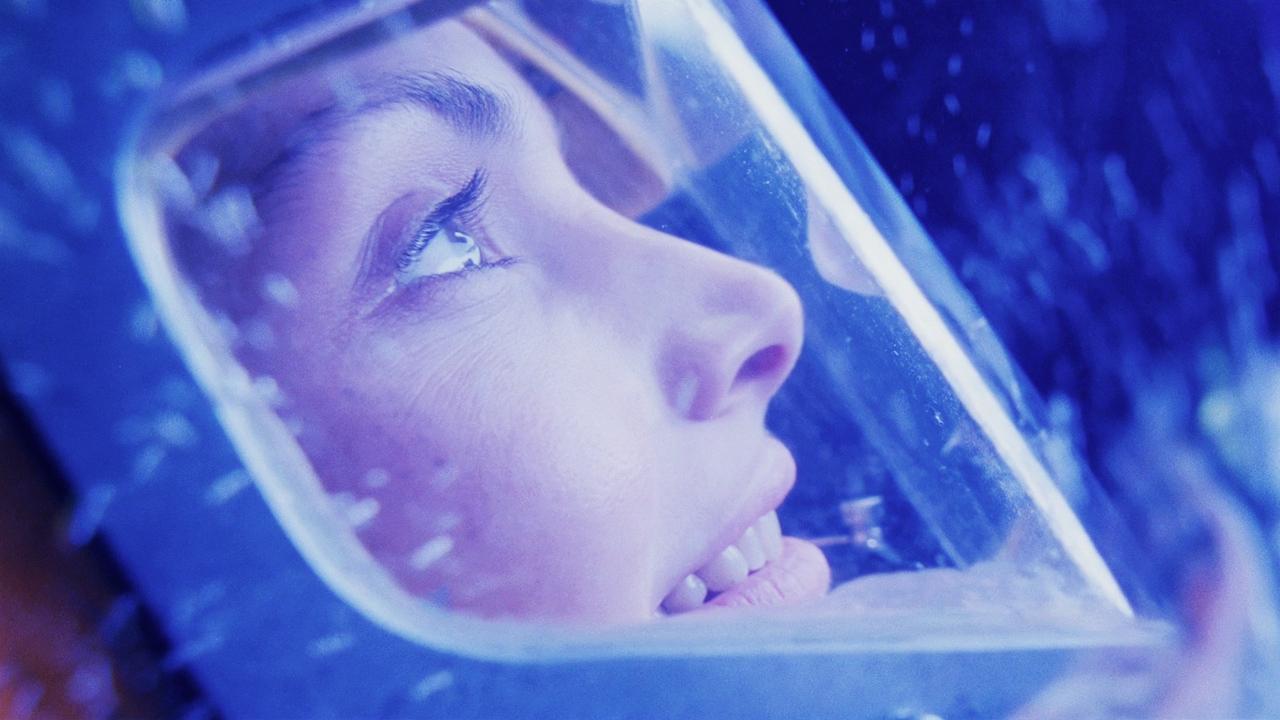
The Nuclear Tank: The production actually used the Cherokee Nuclear Power Plant in South Carolina. It was never finished, so Cameron turned the reactor containment vessel into the world's largest underwater set. Real Bends: The cast and crew actually had to undergo decompression after long days of filming. They were basically living the life of deep-sea divers. The Helmet Lights: Those bright lights inside the diving helmets weren't just for aesthetics; they were designed so you could actually see the actors' faces. Usually, these lights would blind the person wearing the helmet, so they had to be specially engineered. The Blackness: To make the water look like the deep ocean, they had to float millions of black plastic beads on the surface to block out the sun. * Ed Harris's Descent: In the scene where Bud falls into the abyss, Harris was actually being pulled along the bottom of the tank by a wire, holding his breath until he almost blacked out.
The Abyss is a beautiful, stressful, and deeply humid piece of cinema history. It sits right at the intersection of the Golden Age of practical effects and the dawn of the digital revolution, carrying the best traits of both. While the final act's "we should all just get along" message can feel a bit simplistic after two hours of claustrophobic terror, the sheer craftsmanship on display is undeniable. It’s a reminder that before he was the king of the world, James Cameron was a guy willing to drag a whole crew to the bottom of a nuclear reactor just to see if he could capture a specific shade of blue. It’s spectacular, exhausting, and entirely unique.
Keep Exploring...
-
The Terminator
1984
-
Aliens
1986
-

Predator
1987
-

Star Trek II: The Wrath of Khan
1982
-
Terminator 2: Judgment Day
1991
-
RoboCop
1987
-
The Time Machine
1960
-
Star Trek III: The Search for Spock
1984
-
Mad Max 2
1981
-
Serenity
2005
-
Greenland
2020
-
Commando
1985
-
Rambo: First Blood Part II
1985
-
The Running Man
1987
-

Bill & Ted's Excellent Adventure
1989
-

True Lies
1994
-
They Live
1988
-

Star Trek VI: The Undiscovered Country
1991
-

Starship Troopers
1997
-
Blue Velvet
1986