The 'Burbs
"There goes the neighborhood... and your sanity."
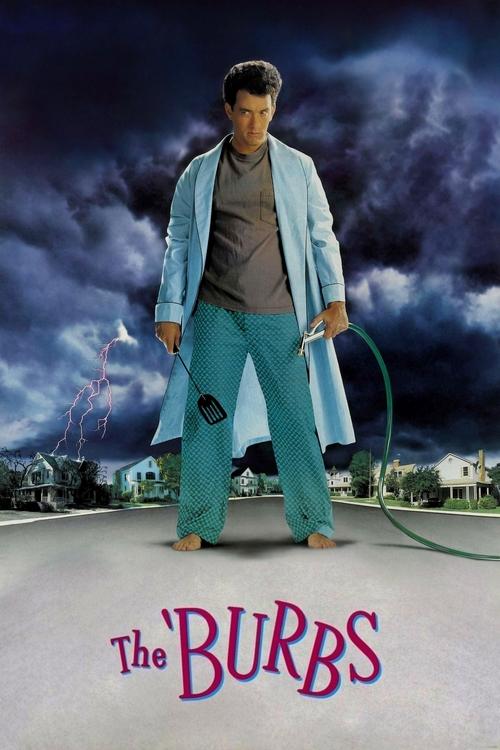
If you’ve ever looked at your neighbor’s overgrown lawn or heard a metallic clanging from their basement at 3:00 AM and immediately assumed they were disposing of a body, Joe Dante made a movie specifically for your brand of psychosis. Released in the twilight of the 1980s, The 'Burbs arrived at a moment when the American dream of white-picket fences was beginning to curdle into a claustrophobic nightmare. It’s a film that asks a very simple, very dangerous question: is it more insane to be a murderous cultist, or to be the guy across the street watching them through a pair of high-powered binoculars?
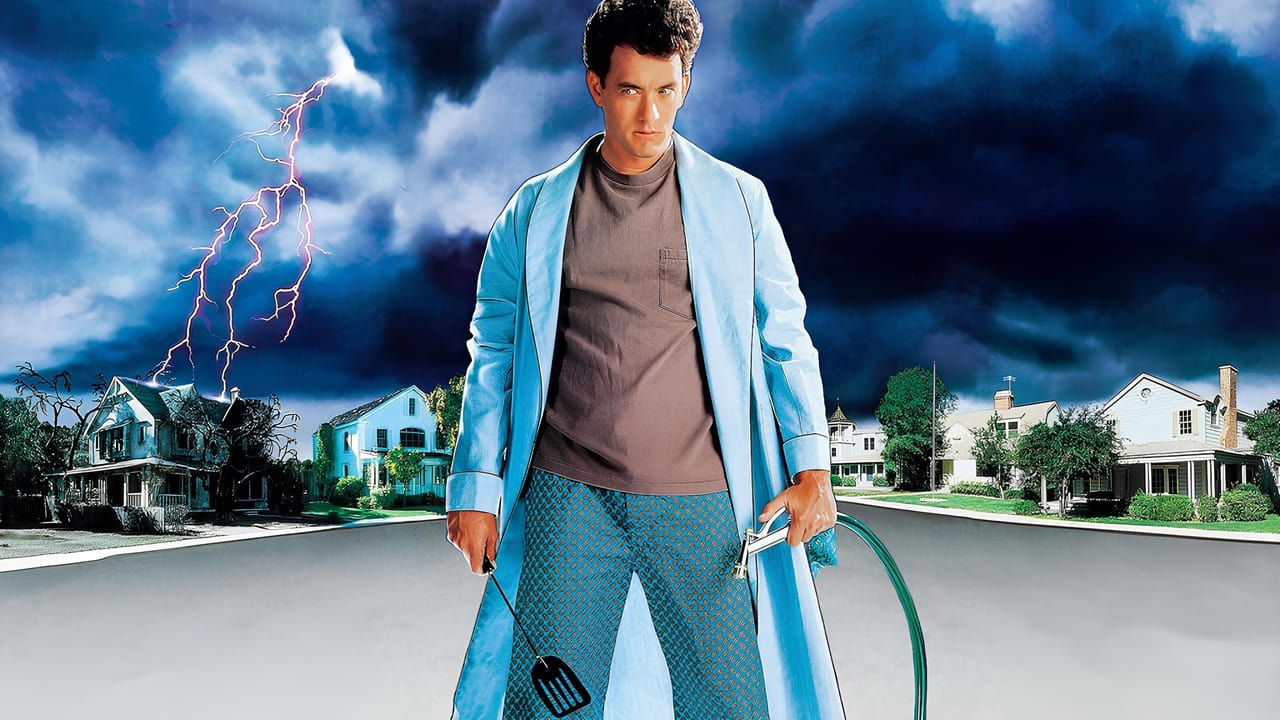
I recently revisited this one while trying to assemble a flat-pack bookshelf that was missing three crucial screws, and the rising frustration of my own domestic failure made Tom Hanks’ slow descent into madness feel like a documentary.
The Cul-de-Sac of Broken Dreams
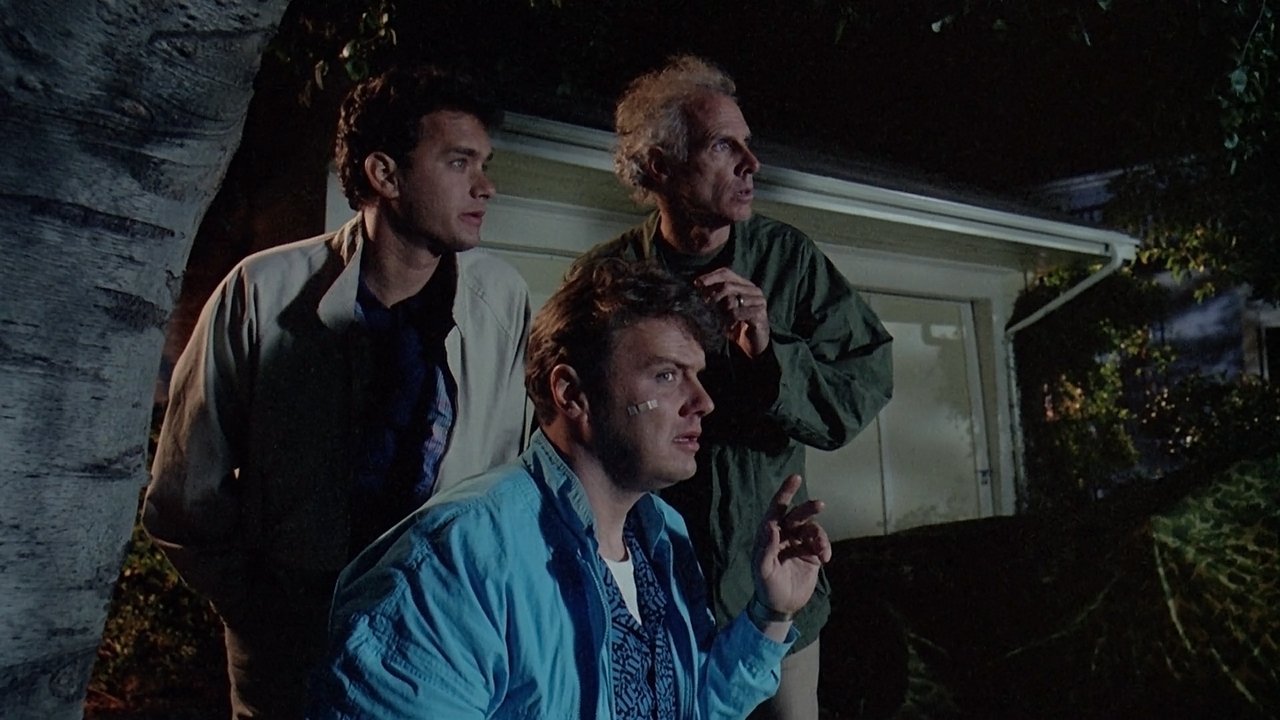
The movie is set entirely on a single block of Mayfield Place—actually "Colonial Street" on the Universal Studios backlot, the same street used for Desperate Housewives and Leave it to Beaver. This choice is deliberate. Dante, a director who essentially grew up inside a matinee theater, uses the artificiality of the set to highlight the "uncanny valley" of suburbia. Everything is too green, too quiet, and too perfect, which makes the arrival of the Klopeks—a family that looks like they migrated from a gothic horror novel to a neighborhood that values HOA compliance—all the more jarring.
Tom Hanks plays Ray Peterson, a man who just wants to spend his vacation week doing absolutely nothing. He’s the "straight man" who gradually loses his grip, and it’s a joy to watch "80s Wacky Hanks" before he became "America's Dad." Ray is flanked by Rick Ducommun as Art, the neighbor who serves as the devil on his shoulder, and Bruce Dern as Mark Rumsfield, a Vietnam vet who treats a suburban lawn like a tactical LZ. Dern looks like he’s one bad cup of coffee away from annexing the entire cul-de-sac, and his performance is a masterclass in high-strung comedic energy.
Practical Paranoia and the Dante Touch
Joe Dante’s DNA is all over this film, particularly in how he blends horror tropes with Looney Tunes physics. There’s a dream sequence involving a giant barbecue pit that features some incredible practical effects work—distorted perspectives and grotesque imagery that remind you Dante got his start with Roger Corman. The Klopeks themselves are a marvel of casting and "creep-factor" production design. They don't need many lines; their dilapidated house, which looks like it's physically rotting the neighborhood from the inside out, does the talking for them.
The sound design is equally brilliant. Jerry Goldsmith, one of the absolute titans of film scoring, turns the mundane sounds of a suburban morning—sprinklers, barking dogs, the rattle of a trash can—into a symphony of tension. He even parodies his own work from Patton whenever Bruce Dern is on screen, giving the film a mock-epic scale that perfectly captures how Ray and his friends view their "mission." They aren't just nosy neighbors; in their minds, they are soldiers on the front lines of a domestic war.
The VHS Savior and the Box Art Trap
While The 'Burbs did decent business at the box office, it truly became a legend in the aisles of local video stores. I remember the VHS box art vividly: the neon-blue title treatment and the image of Tom Hanks looking terrified while the Klopeks' house loomed in the background. It was marketed as a straightforward comedy, but for those of us who rented it on a Friday night, it was something much weirder. The "home video revolution" allowed this film to find its tribe—the people who appreciated its cynical take on the "Love Thy Neighbor" mantra.
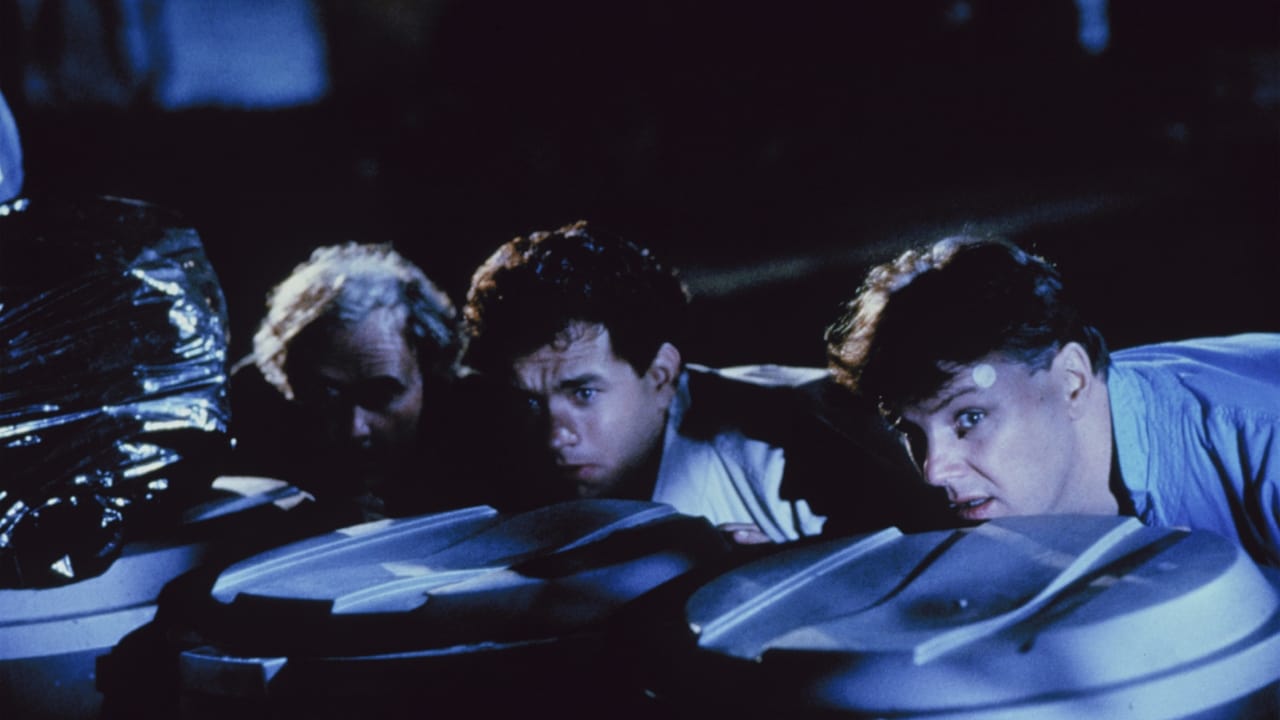
Because it was a frequent "parent-approved" rental that actually contained some genuine scares and dark themes, it occupied a strange middle ground. It wasn't quite The Texas Chain Saw Massacre, but it was way more cynical than The Goonies (even with Corey Feldman lurking on a porch throughout the movie as the audience's proxy). The film rewards repeat viewings because the background is packed with Dante’s trademark Easter eggs, from The Exorcist playing on a TV to subtle nods to Universal’s classic monster movies. It’s the cinematic equivalent of a neighbor who talks too much but always brings the good beer—occasionally overwhelming, but ultimately indispensable.
The 'Burbs is a rare specimen: a studio comedy with the soul of a midnight movie. It manages to lampoon the xenophobia of the Reagan era while still delivering a satisfying, explosive finale that leaves you questioning who the real villains were. It’s a loud, sweaty, and hilarious examination of what happens when we have too much time on our hands and not enough mystery in our lives.
If you haven't seen it in a few years, it’s time to head back to Mayfield Place. Just make sure you stay off Rumsfield’s lawn and keep an eye on the basement windows. You never know when someone might be moving a large, rug-shaped object into the trunk of their car at midnight. Stay curious, stay paranoid, and keep the sardines away from the neighbors.

Keep Exploring...
-
Gremlins
1984
-
Innerspace
1987
-
Turner & Hooch
1989
-

The Lost Boys
1987
-
Friday the 13th: The Final Chapter
1984
-
Clue
1985
-

Fright Night
1985
-
Little Shop of Horrors
1986
-
The Hitcher
1986
-

The Witches of Eastwick
1987
-
A Nightmare on Elm Street 4: The Dream Master
1988
-

Midnight Run
1988
-
Splash
1984
-
The Money Pit
1986
-
Gremlins 2: The New Batch
1990
-
Friday the 13th Part VI: Jason Lives
1986
-
Manhunter
1986
-
Dead Ringers
1988
-
Dressed to Kill
1980
-
Creepshow
1982