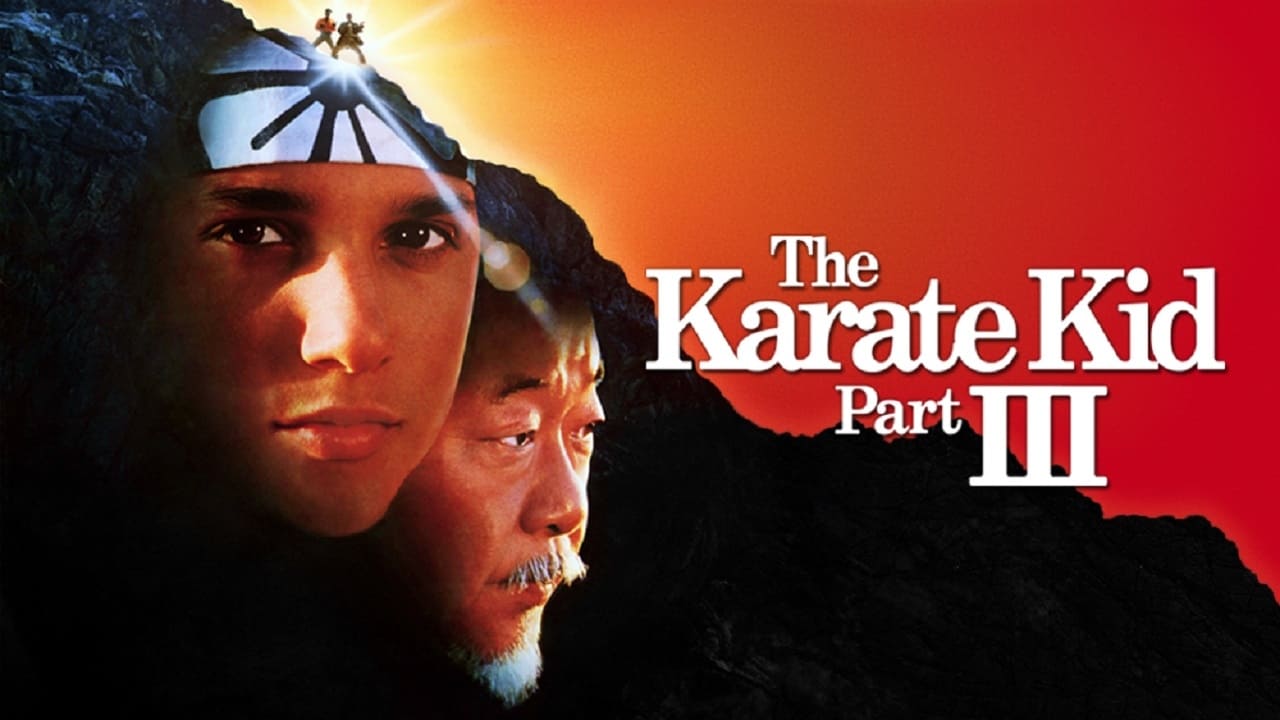
The Karate Kid Part III
"High stakes, higher ponytails, and zero chill."
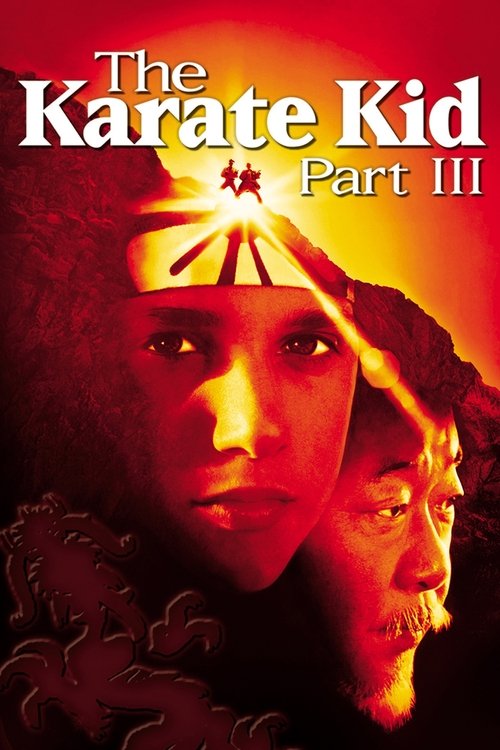
I watched The Karate Kid Part III on a Tuesday night while wearing socks with holes in the toes, feeling a strangely deep kinship with Martin Kove’s John Kreese as he stood destitute and humiliated in that opening scene. There is something profoundly "end-of-the-decade" about this 1989 three-quel. It arrived at the tail end of the Reagan era, smelling of hairspray and desperation, and while it’s objectively the "bad" one of the original trilogy, it has mutated over the years into a glorious piece of high-camp performance art.
By 1989, the formula was thinning. John G. Avildsen (who also gave us Rocky) and writer Robert Mark Kamen seemingly decided that if they couldn't make it better than the original, they would at least make it weirder. The result is a film that feels less like a martial arts drama and more like a psychological thriller where a billionaire spends millions of dollars and several months gaslighting a teenager over a regional Under-18 trophy.
The Man, The Myth, The Ponytail
Let’s be honest: you don't watch this movie for Ralph Macchio or Pat Morita. You watch it for Thomas Ian Griffith. Making his film debut as Terry Silver, Griffith delivers a performance so unhinged it borders on the supernatural. Silver is a toxic waste mogul, a Vietnam vet, and a karate expert who sports a ponytail so tight it seems to be doing the acting for him.
The plot kicks off with Silver finding a broken John Kreese and vowing to ruin Daniel LaRusso’s life. Why? Because that’s what friends do, I guess. Thomas Ian Griffith is essentially playing a Bond villain who took a wrong turn into a San Fernando Valley YMCA. He spends half the movie cackling in the shadows and the other half pretending to be Daniel’s new mentor, teaching him "dirty" karate. The sheer commitment Griffith brings to the role—the manic laughing, the over-the-top physical threats—is the only reason this movie didn't vanish into the "Buy 2 for $5" bin at every Suncoast Motion Picture Company store in America.
Karate’s Bad Boy and the Quicksand of Plot
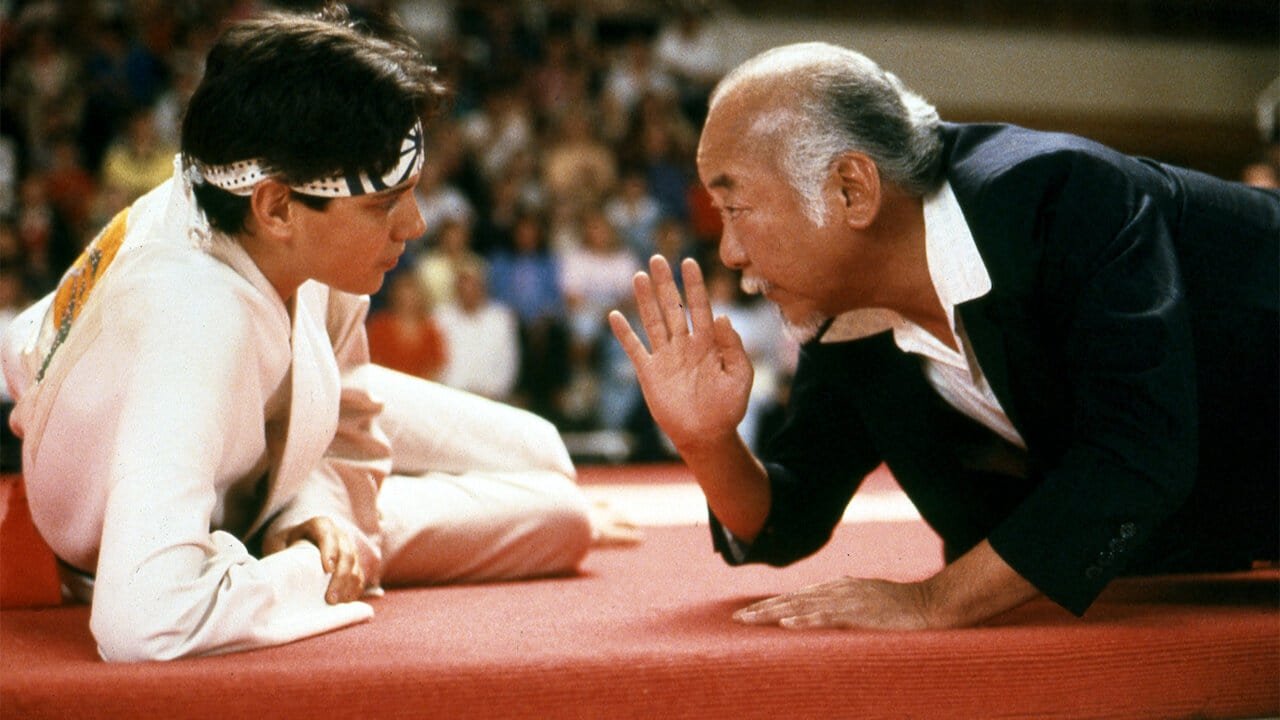
While the first film was about bullying and the second was about honor, Part III is about… paperwork? A large chunk of the conflict involves Daniel being forced to defend his title at the All-Valley Tournament, despite Pat Morita’s Mr. Miyagi rightfully pointing out that trophies don't mean much when you’re trying to run a bonsai tree business.
To force Daniel’s hand, Silver hires Mike Barnes, played by Sean Kanan. Billed as "Karate’s Bad Boy," Barnes is a relentless jerk who spends the movie falling off cliffs and screaming at Robyn Lively’s Jessica Andrews. Fun fact for the trivia buffs: Jessica was originally intended to be a love interest, but the producers realized the age gap between the 16-year-old Lively and the 27-year-old Ralph Macchio (who still looked 15) was too awkward, so they pivoted to making them "just friends." It’s one of the few moments of restraint in an otherwise unrestrained film.
The action choreography, handled by Pat E. Johnson, feels meaner here. The training sequences involving the "wooden man" and Daniel’s knuckles bleeding against the boards have a jagged, unpleasant energy. It lacks the grace of the Okinawa fights in Part II, opting instead for a gritty, 80s-action-movie thud. When the final tournament happens, it’s less of a sporting event and more of a televised assault.
A VHS Relic of Reagan-Era Excess

I remember the VHS box art for this vividly; it was a staple of every mom-and-pop rental shop, usually tucked right next to Iron Eagle II. The tape itself always seemed to have a tracking hiss during the scene where Silver and Kreese reveal their master plan, probably because kids like me replayed the "Macaroons!" scene until the magnetic strip screamed for mercy.
The film is a fascinating look at the "Practical Effects Golden Age" in its decline—the sets are lush, the cinematography by Steve Yaconelli is professional, and Bill Conti’s score tries its absolute best to make a scene about pruning trees feel like the climax of Ben-Hur. But the movie struggles with its identity. It wants to be a family-friendly adventure, yet it features a scene where a billionaire laughs while a teenager is physically tortured. It’s basically a horror movie where the monster happens to be a 6-foot-5 guy in a gi.
Ultimately, The Karate Kid Part III is the junk food of the franchise. It’s too long, Daniel is at his most annoying, and the plot is a circular mess that undoes much of the character growth from the previous films. However, it is essential viewing for the sheer audacity of Terry Silver. Without this weird, bloated, ponytail-obsessed sequel, we wouldn’t have the foundations for the Cobra Kai series decades later. It’s a beautifully shot disaster that proves even a bad day at the dojo is more entertaining than a good day at the office.
Keep Exploring...
-
The Karate Kid Part II
1986
-
The Karate Kid
1984
-
The Karate Kid
2010
-

Karate Kid: Legends
2025
-

An American Tail
1986
-
Conan the Destroyer
1984
-
Red Dawn
1984
-
Star Trek III: The Search for Spock
1984
-
The Black Cauldron
1985
-
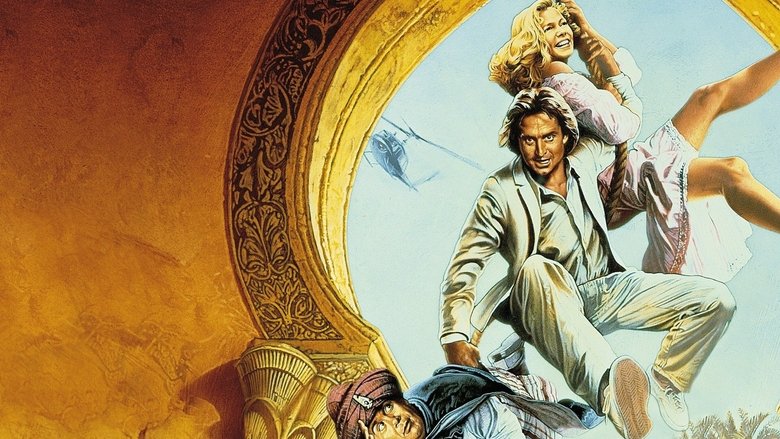
The Jewel of the Nile
1985
-

The Golden Child
1986
-

Masters of the Universe
1987
-
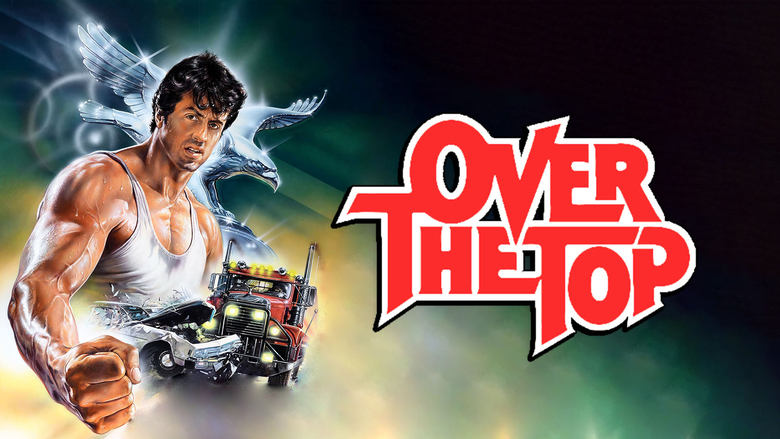
Over the Top
1987
-
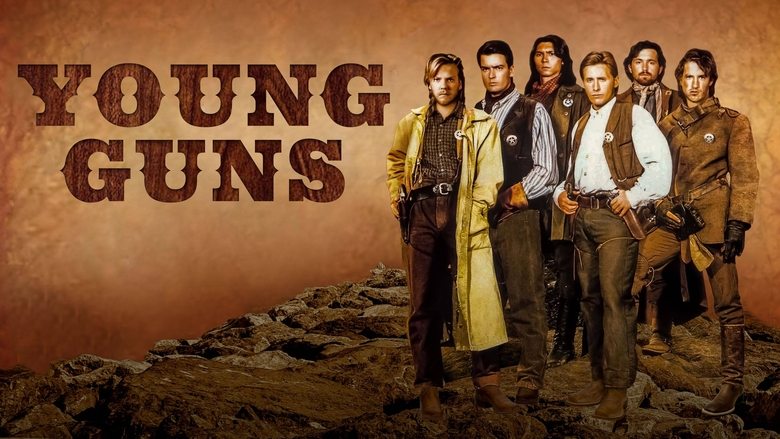
Young Guns
1988
-

All Dogs Go to Heaven
1989
-
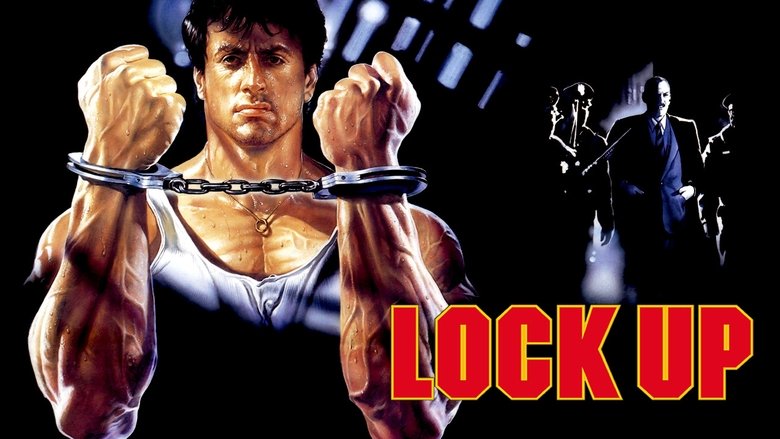
Lock Up
1989
-
Star Trek V: The Final Frontier
1989
-
Turner & Hooch
1989
-
Teenage Mutant Ninja Turtles II: The Secret of the Ooze
1991
-
The Mighty Ducks
1992