The Killer
"Honor has a very high body count."
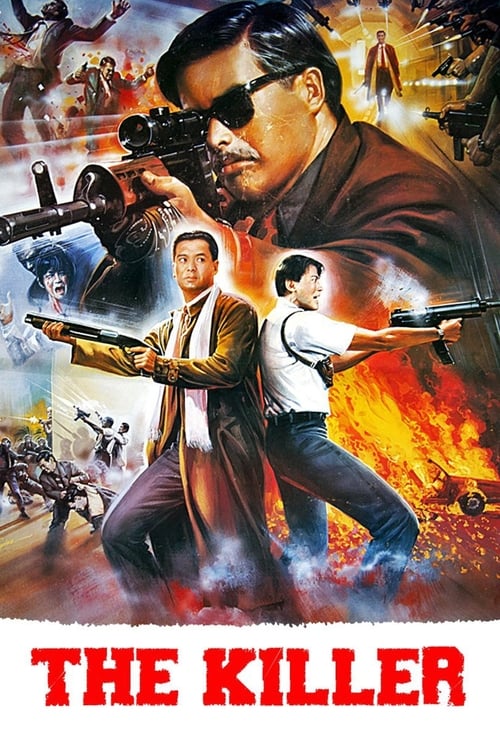
There is a specific, metallic clang that happens when two Berettas hit the floor in a John Woo movie, a sound that signals a brief pause in a symphony of destruction. In 1989, that sound wasn't coming from a local multiplex; it was echoing out of wood-paneled living rooms where kids like me were huddled around grainy VHS imports. I recall watching my first copy of The Killer on a third-generation bootleg tape—the subtitles were half-cutoff and the tracking was so shaky I thought the screen was vibrating from the gunfire. I actually got so absorbed in the final shootout that I managed to knock over a full bottle of soy sauce onto my carpet, and I didn't even bother to clean it up until the credits finished rolling. The stain is gone, but the movie’s impact never left.
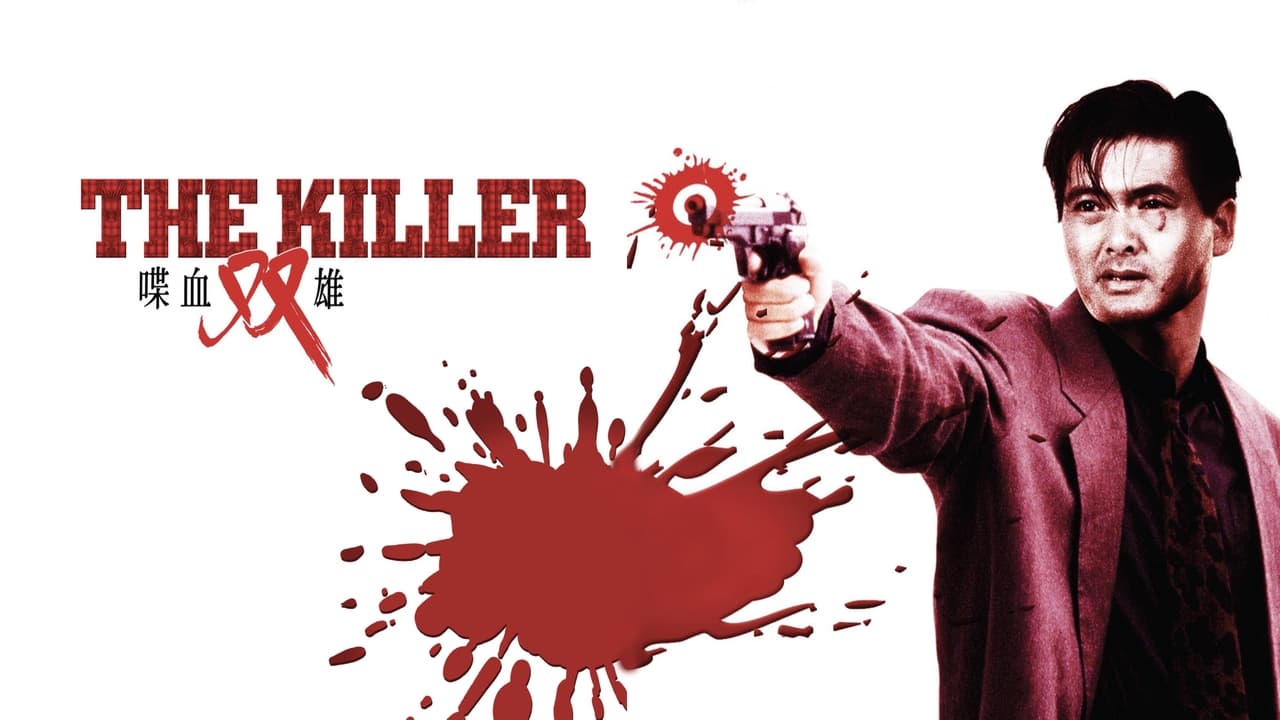
The Gospel of Gunsmoke
The Killer is the high-water mark of the "Heroic Bloodshed" genre, a specific brand of Hong Kong action that traded the swords of old wuxia films for 9mm pistols and a heavy dose of Catholic guilt. John Woo (who also directed the chaotic Hard Boiled) wasn't just making an action movie here; he was staging a modern-day opera where the arias were replaced by synchronized muzzle flashes.
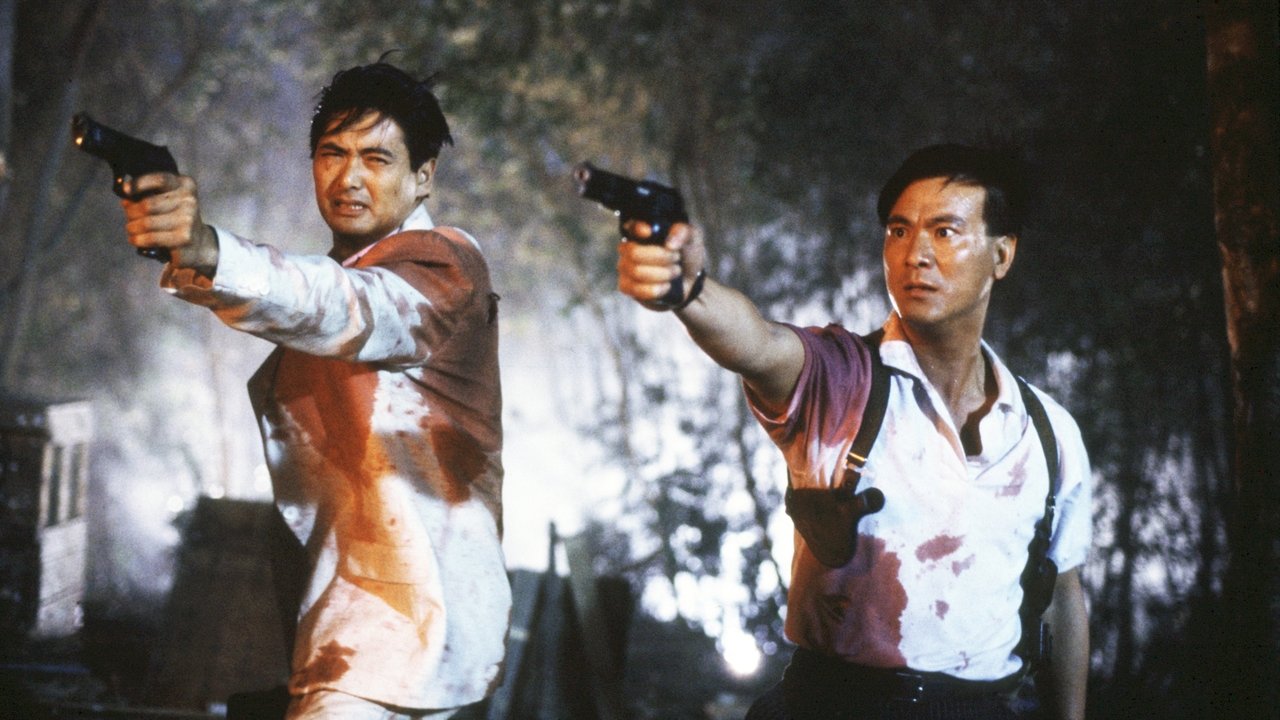
The plot is deceptively simple, almost mythic. Jeffrey, played with an effortless, soulful cool by Chow Yun-Fat (Crouching Tiger, Hidden Dragon), is an assassin who accidentally blinds a nightclub singer, Jennie (Sally Yeh), during a hit. To pay for the surgery that will restore her sight, he agrees to one last job. It’s a classic setup, but Woo elevates it through a visual style that feels like a fever dream. The way Jeffrey moves—sliding across tables, diving through windows with two guns blazing—is more like a lethal ballet than a standard police procedural.
Two Sides of the Same Bullet
The real heart of the film isn't the body count, though; it’s the blossoming, almost romantic bromance between Jeffrey and the cop tasked with bringing him down, Inspector Li Ying, played by Danny Lee Sau-Yin (City on Fire). Li Ying is the "Little Eagle" to Jeffrey’s "Shrimp," and their mutual respect forms the backbone of the narrative.
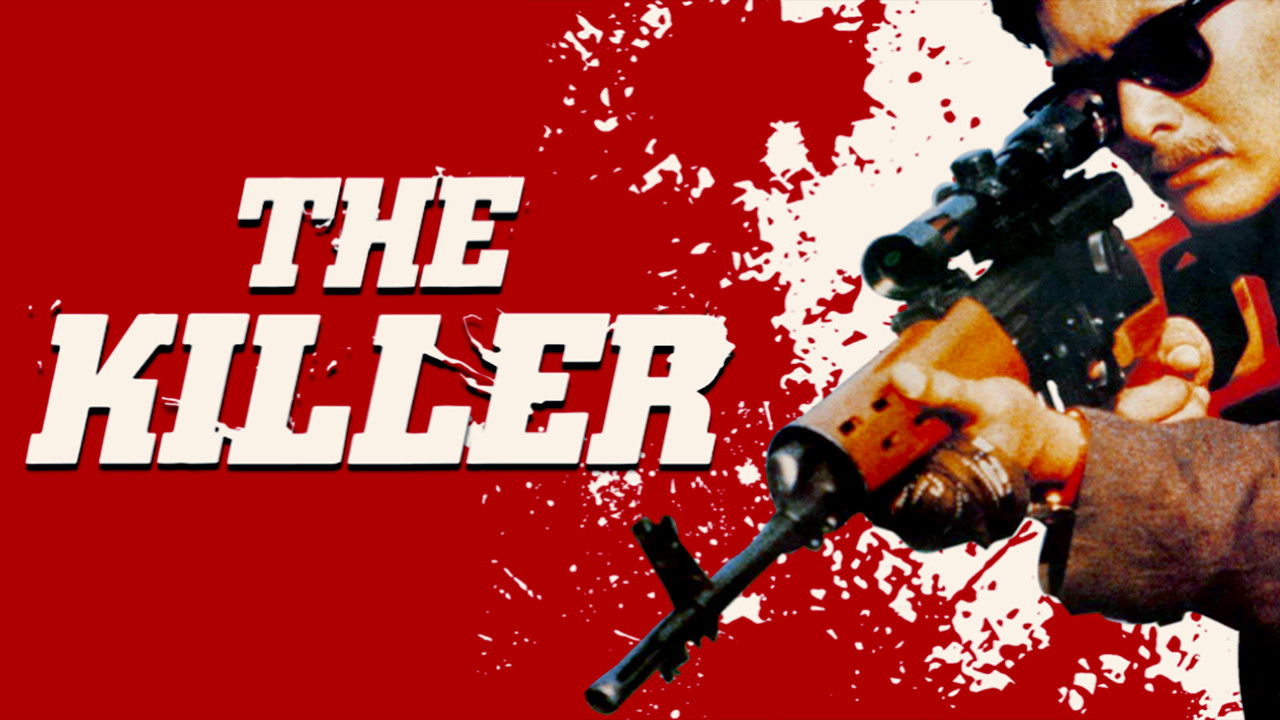
In a world of double-crosses and corporate triads (led by a sneering Shing Fui-On), these two men are the only ones left with a code of honor. When they finally team up in the third act, it’s a moment of pure cinematic catharsis. The way they cover each other’s backs in that final church showdown is legendary. John Woo uses the setting—white pigeons, burning candles, and shattered religious iconography—to emphasize that these men are fighting for their souls, not just their lives. The sheer amount of ammunition expended in that church should have technically caused a local lead shortage.
The Beauty of Practical Chaos
Looking back at The Killer from our modern era of digital blood spatters and CGI backgrounds is a sobering experience. The action here has a physical weight that you just don't see anymore. Every explosion is real; every squib is a messy, crimson burst of practical effects. Peter Pau Tak-Hai, the cinematographer who would later win an Oscar for Crouching Tiger, captures the chaos with a restless, wandering camera that makes the viewer feel like a third participant in the gunfights.
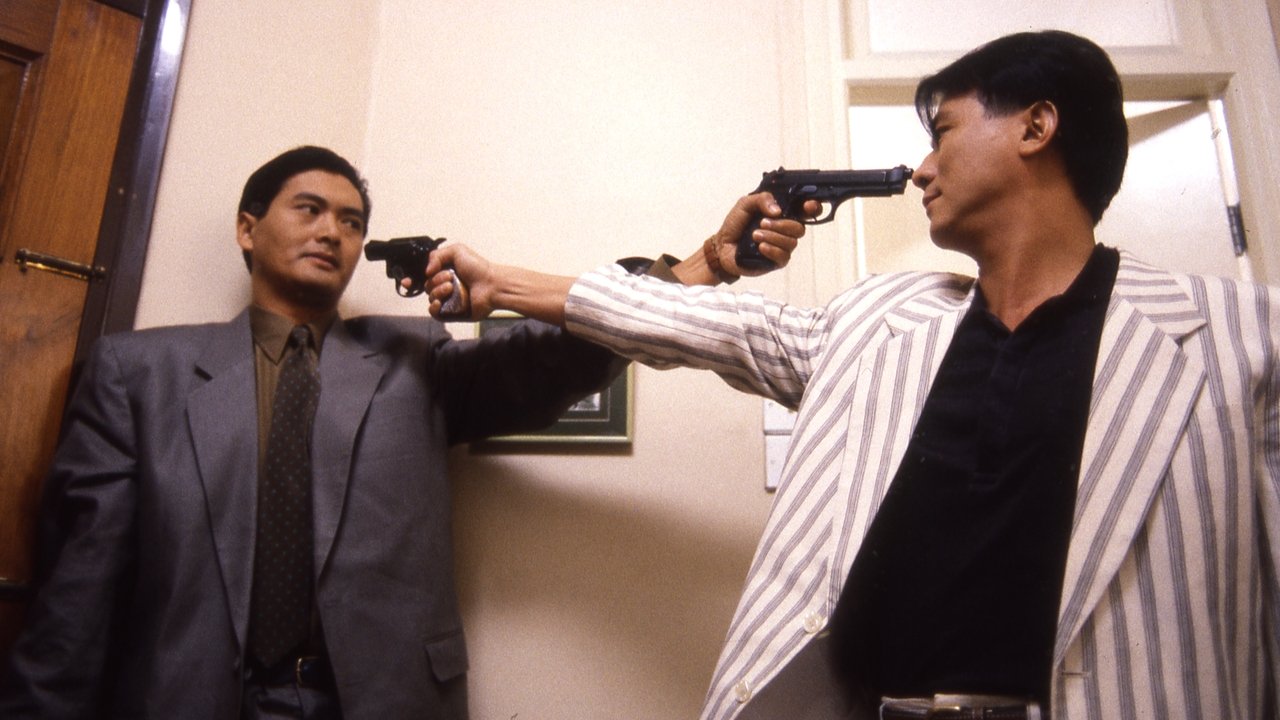
One of the coolest behind-the-scenes details is that Woo often choreographed these sequences on the fly. He didn't use traditional storyboards for the action; he’d listen to the music of Lowell Lo Koon-Ting on set and direct the actors like they were dancers. This improvisational energy is why the film feels so alive. Even the editing, which frequently uses slow-motion to prolong a moment of impact, serves the emotional stakes rather than just showing off a stunt. When Jeffrey and Li Ying point their guns at each other's heads in a "Mexican standoff," the tension is so thick you could cut it with a bayonet.
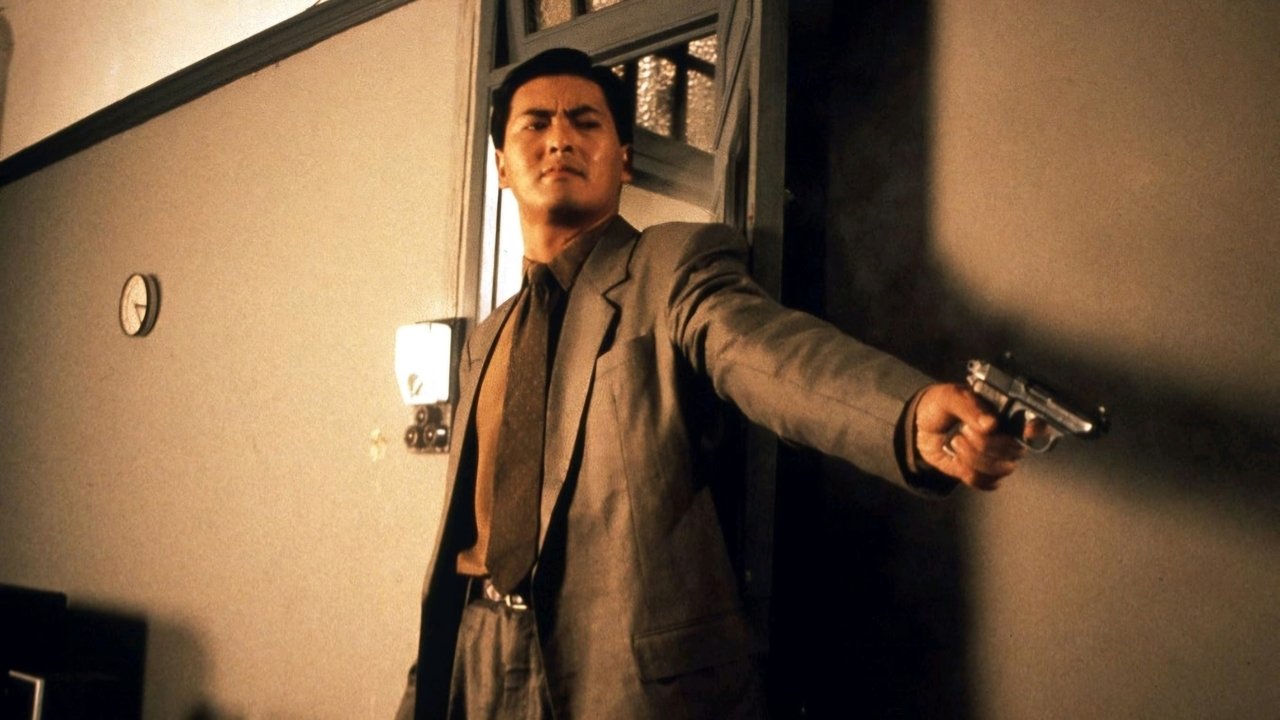
A Legacy Written in Lead
For a long time, The Killer was a "secret" film in the West. It didn't have a massive theatrical rollout; it lived in the "Foreign" or "Cult" sections of independent video stores, often found right next to Tsui Hark productions. It was the kind of movie you'd discover by accident because the box art looked cool, and then you'd spend the next week telling everyone you knew that they had to see "the guy with the two guns and the white suit."
Its influence is everywhere now. You can see its DNA in the works of Quentin Tarantino, Robert Rodriguez, and especially the John Wick franchise. But those films, as great as they are, often lack the unabashedly sentimental, tragic heart that John Woo poured into this script. It’s a film about the end of an era—about men who find themselves obsolete in a world that no longer values loyalty or friendship. It’s loud, it’s bloody, and it’s one of the most beautiful tragedies ever put to film.
If you’ve only ever seen modern action movies, The Killer might feel like a shock to the system. It’s a film that wears its heart on its sleeve and its guns on its hips, refusing to apologize for its melodrama or its excess. It represents a peak of practical filmmaking and remains the definitive statement on the "Heroic Bloodshed" era. Even if you have to track down a dusty DVD or a digital copy, find it. Just make sure you don't have any soy sauce nearby when that final church scene starts.
Keep Exploring...
-
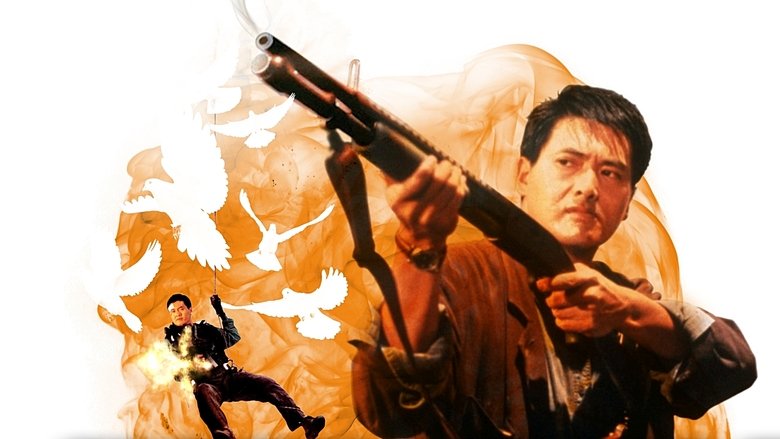
Hard Boiled
1992
-
Marathon Man
1976
-
Blood Simple
1985
-
Mississippi Burning
1988
-
Bound by Honor
1993
-
Le Samouraï
1967
-
Bullitt
1968
-

Magnum Force
1973
-
Infernal Affairs
2002
-
Lock Up
1989
-
Witness
1985
-
Bloodsport
1988
-
The Protector
2005
-
Undisputed II: Last Man Standing
2006
-
United 93
2006
-
Mesrine: Killer Instinct
2008
-
Mesrine: Public Enemy #1
2008
-
Batman: Year One
2011
-
Batman vs. Robin
2015
-
Fist of Fury
1972