The Little Mermaid
"The girl who had everything, except a voice."
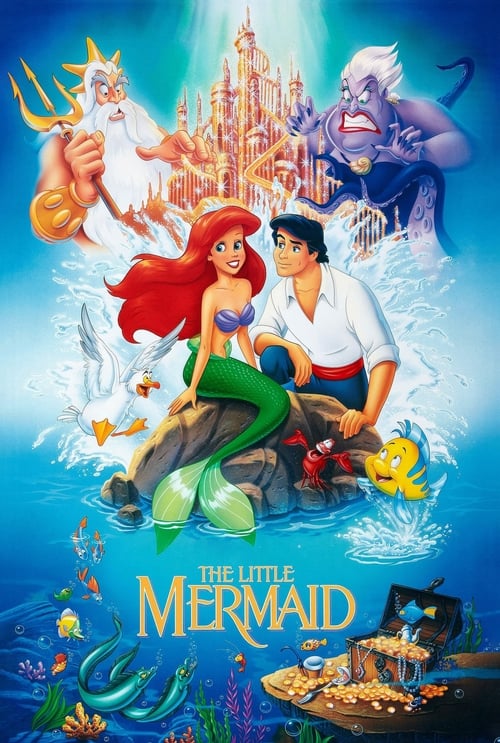
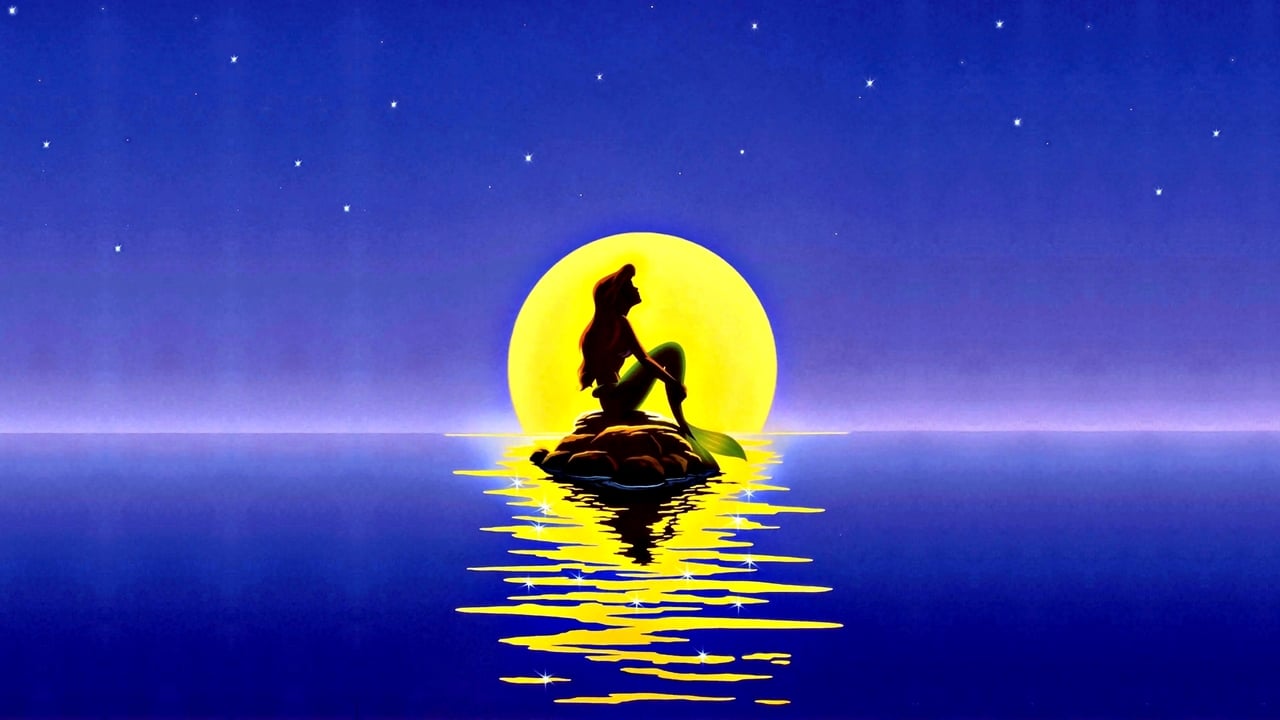
In 1989, the halls of Walt Disney Feature Animation didn't smell like success; they smelled like desperation and old coffee. The studio was reeling from a decade of identity crises and mid-tier performers like The Black Cauldron. If this fish movie didn’t land, the "Mouse House" might have just become a theme park company that used to make cartoons. I recently revisited this on a Tuesday afternoon while my neighbor was power-washing his driveway, the rhythmic thrumming acting as a weirdly industrial percussion section for the calypso numbers, and it hit me: this isn't just a "kids' movie." It’s a high-stakes Broadway drama that just happens to take place underwater.
The Soliloquy Beneath the Surface
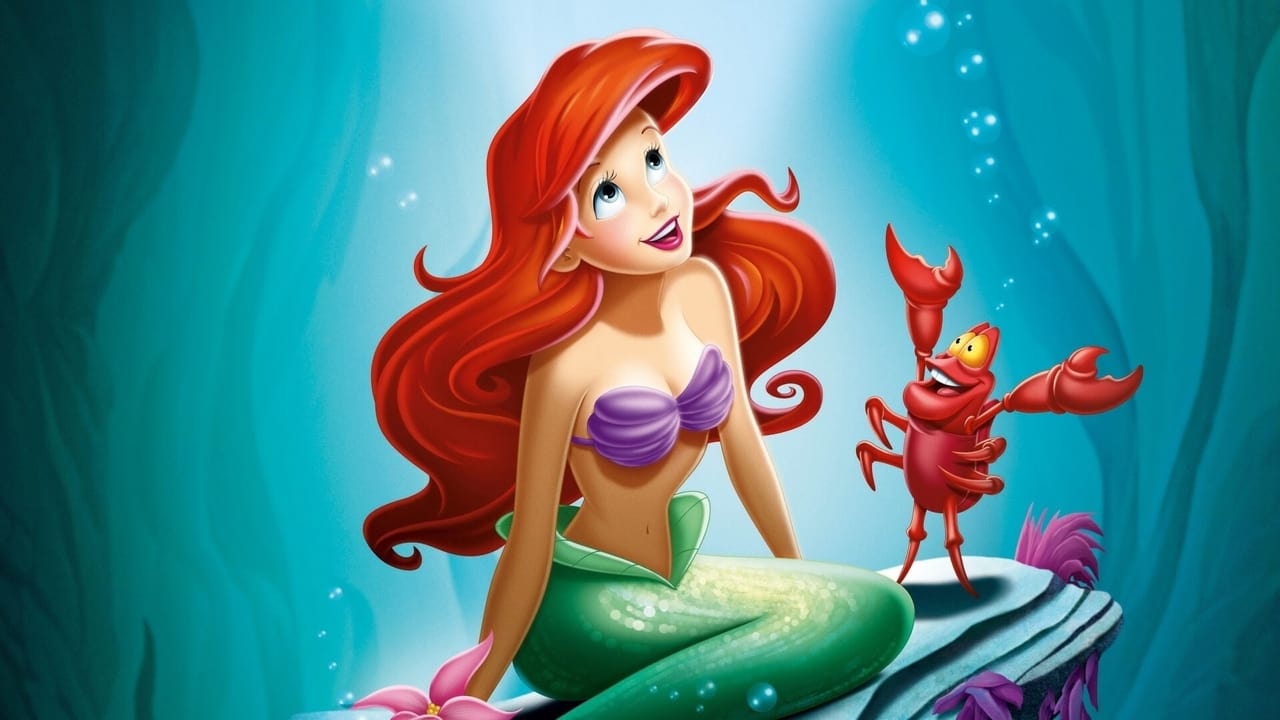
While most people point to the vibrant colors, I’m always struck by the sheer dramatic weight of the "Part of Your World" sequence. In any other era, this would be a simple song. Here, under the direction of John Musker and Ron Clements, it’s a masterstroke of character motivation. Jodi Benson doesn't just sing; she acts through the microphone with a breathy, desperate yearning that feels closer to a stage monologue than a pop track.
I’ve always felt that King Triton is the real villain for about 70% of the runtime. Kenneth Mars brings a Shakespearean boom to the role, playing a father whose grief-driven overprotectiveness manifests as pure emotional tyranny. When he destroys Ariel’s grotto, it’s a genuinely harrowing moment of domestic trauma. The film treats Ariel’s desire for autonomy with a gravity that many live-action dramas of the late 80s failed to capture. It’s about the suffocating nature of "protection," and the performances—specifically the chemistry between Benson and Mars—earn every bit of that emotional climax.
Divine Inspiration and Practical Magic
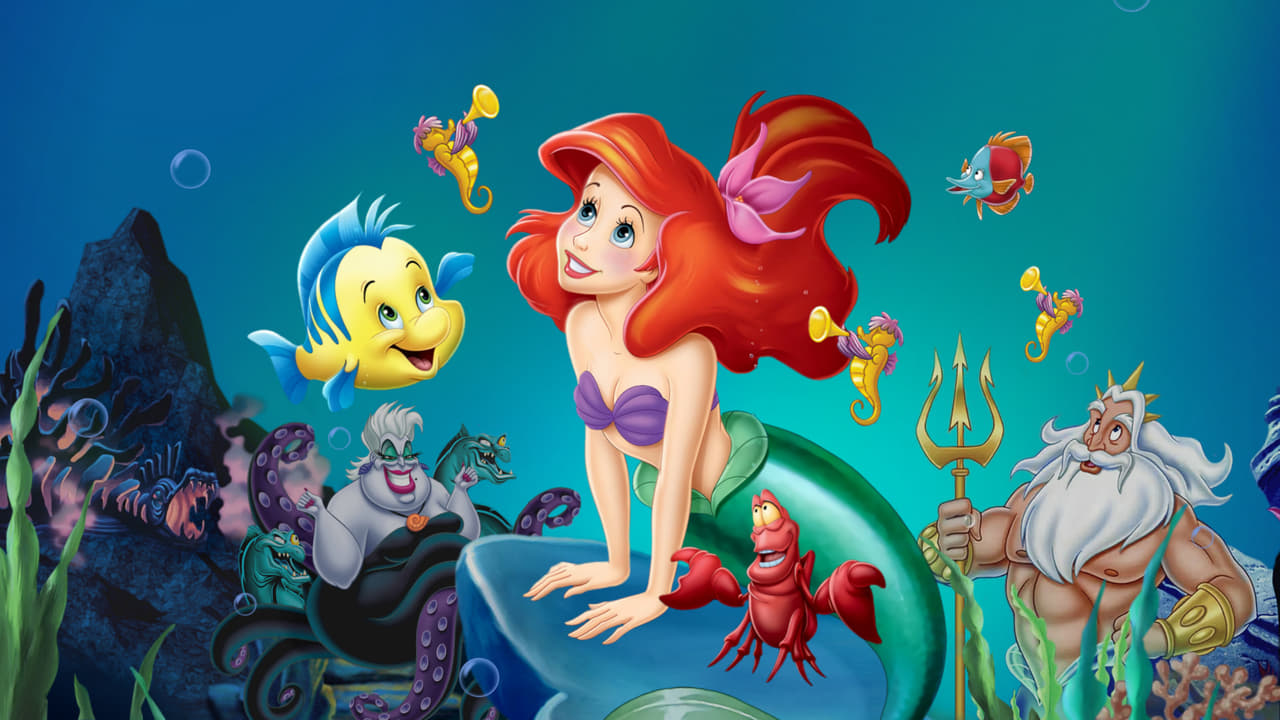
Then we have the sea witch. Pat Carroll's performance as Ursula is a towering achievement in camp and menace. It’s well-documented trivia that Ursula’s design was heavily inspired by the drag legend Divine, and you can feel that "larger-than-life" energy in every frame. Carroll plays the role with a delicious, gravelly cynicism, perfectly counteracting Ariel’s wide-eyed idealism. Apparently, Carroll based her vocal performance on a mix of a Shakespearean actress and a car salesman, which explains why she’s so terrifyingly persuasive.
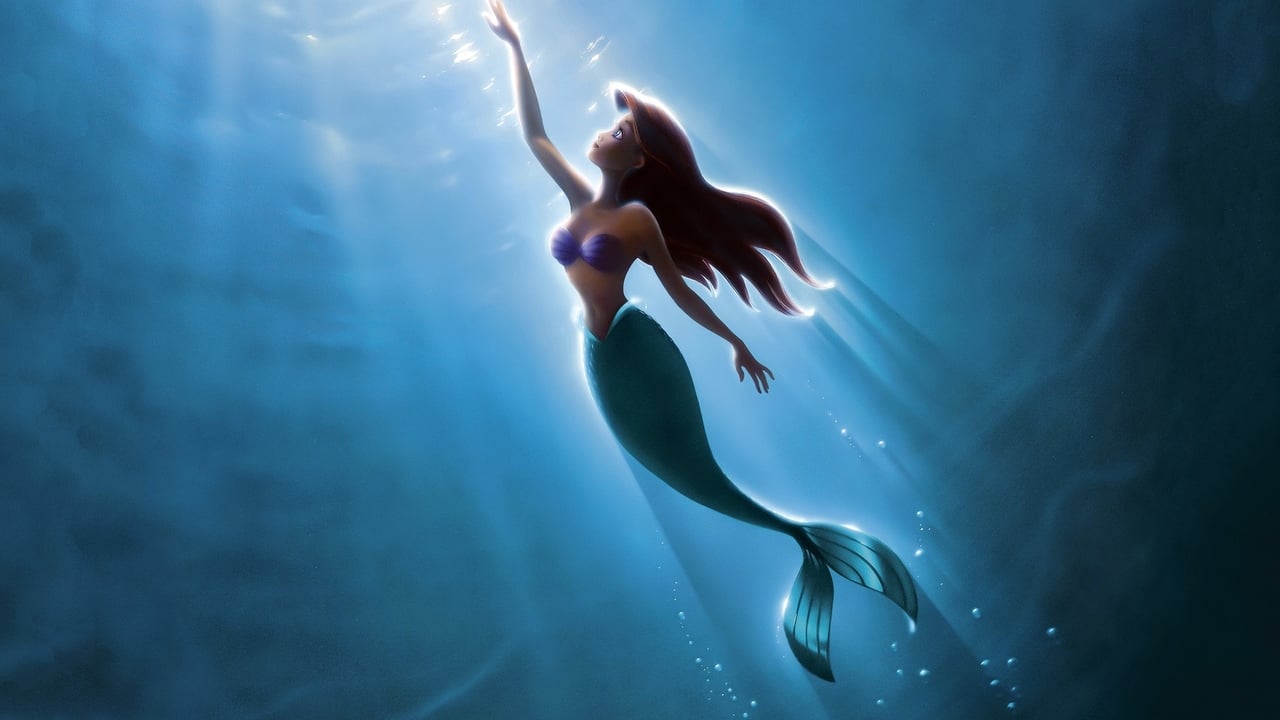
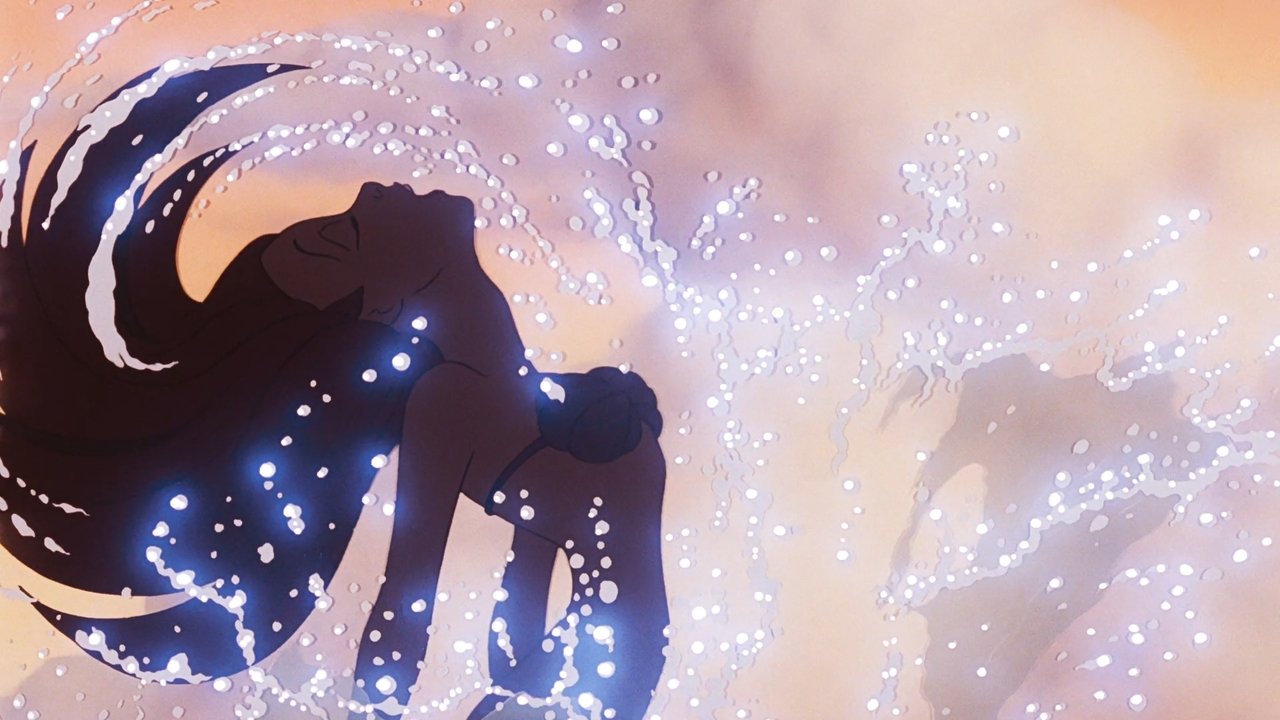
From a craft perspective, this was the end of an era. This was the last Disney film to use the traditional cel animation process (before the CAPS system took over for The Rescuers Down Under). There is a tactile, organic warmth to the hand-painted bubbles—over a million of them were hand-drawn by the effects team!—and the way the light filters through the water. It lacks the sterile perfection of modern CGI, and I love it for that. You can see the human labor in the way the shipwreck scenes are lit, using techniques that feel more akin to the matte paintings of the New Hollywood era than the digital landscapes of today.
The Clamshell Cult and the $200 Million Gamble
If you grew up in the early 90s, you didn't just watch The Little Mermaid; you owned it in a white plastic clamshell case with the "Black Diamond" logo on the spine. I remember the specific crinkle of that plastic and the way the tape smelled after being played twice a day for a month. The 1990 VHS release was a cultural reset, but it also carried the era's quirks—most notably the "controversial" original cover art where a background spire on the castle looked... well, let’s just say it was an unfortunate architectural choice that led to the box art being hastily redesigned.
The film’s success changed the industry's DNA. It proved that the "blockbuster" model wasn't just for Steven Spielberg or George Lucas; it could be applied to hand-drawn musicals. With a $40 million budget—huge for animation at the time—it clawed back $211 million and sparked a merchandising frenzy that hasn't really stopped since. It brought the sophistication of the New York stage (thanks to the genius of Alan Menken and Howard Ashman) to a medium that had been written off as "babysitter fodder." Prince Eric is basically a sentient chin with a boat, but the music makes you believe he's a romantic ideal worth trading a voice for.
The Little Mermaid is the rare "classic" that actually earns the title through its structural perfection and emotional honesty. It’s a tight 83 minutes—no filler, no wasted subplots, just a propulsive narrative about the cost of transformation. It remains the high-water mark of the Disney Renaissance because it feels personal, risky, and just a little bit dangerous. If you haven't seen it since you were a kid, watch it again; you might find that the sea witch’s contract is a lot more relatable than the princess’s tiara.
Keep Exploring...
-
The Little Mermaid II: Return to the Sea
2000
-

Aladdin
1992
-
The Great Mouse Detective
1986
-
The Little Mermaid: Ariel's Beginning
2008
-
Hercules
1997
-
Treasure Planet
2002
-
The Princess and the Frog
2009
-
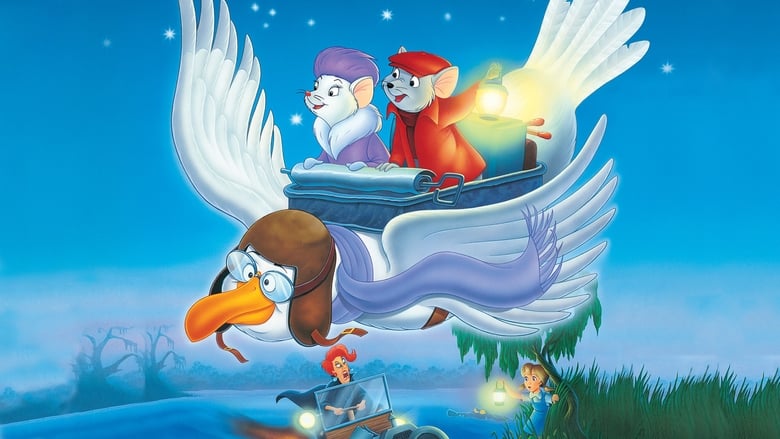
The Rescuers
1977
-

All Dogs Go to Heaven
1989
-
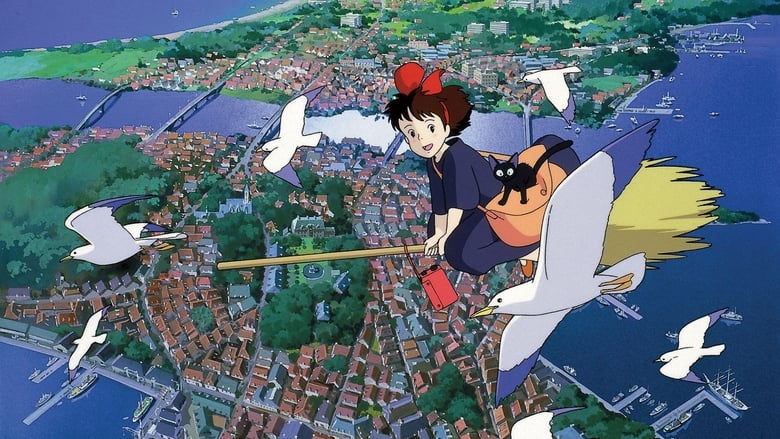
Kiki's Delivery Service
1989
-
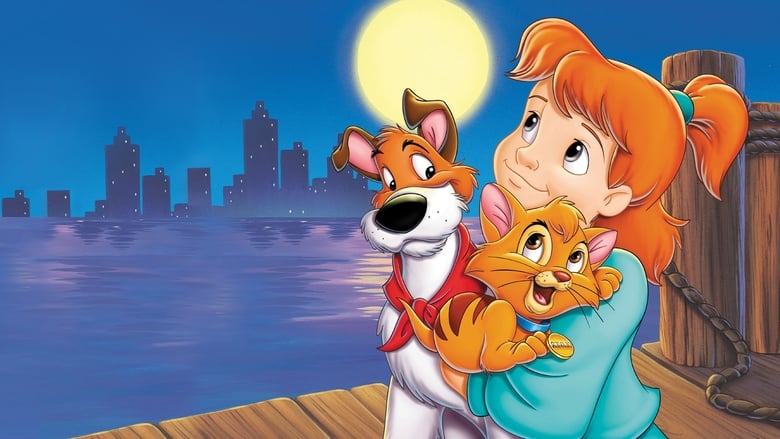
Oliver & Company
1988
-

Bedknobs and Broomsticks
1971
-
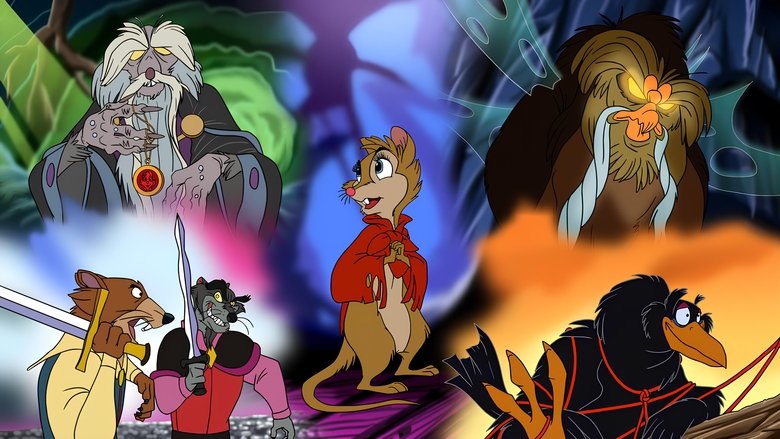
The Secret of NIMH
1982
-
Castle in the Sky
1986
-
My Neighbor Totoro
1988
-
Who Framed Roger Rabbit
1988
-
Beauty and the Beast
1991
-
Moana
2016
-

One Hundred and One Dalmatians
1961
-
The Sword in the Stone
1963