The War of the Roses
"Love is a battlefield. Divorce is a demolition derby."
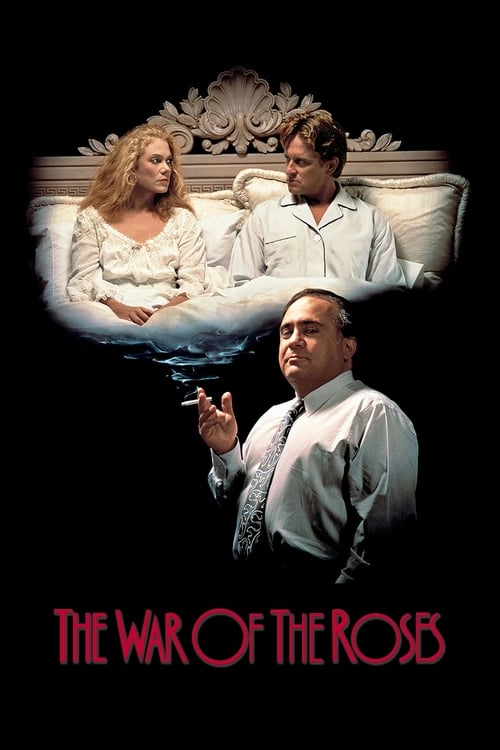
I remember the first time I saw the poster for The War of the Roses at my local Mom-and-Pop video shop. It featured Michael Douglas and Kathleen Turner looking cozy, and because I’d worn out my parents' copy of Romancing the Stone, I assumed I was in for another breezy, adventurous romp. I couldn't have been more wrong. My radiator was clanking like a captured ghost the night I finally watched it, providing a rhythmic, metallic underscore to what turned out to be the most stylishly mean-spirited movie ever to become a massive box-office hit.
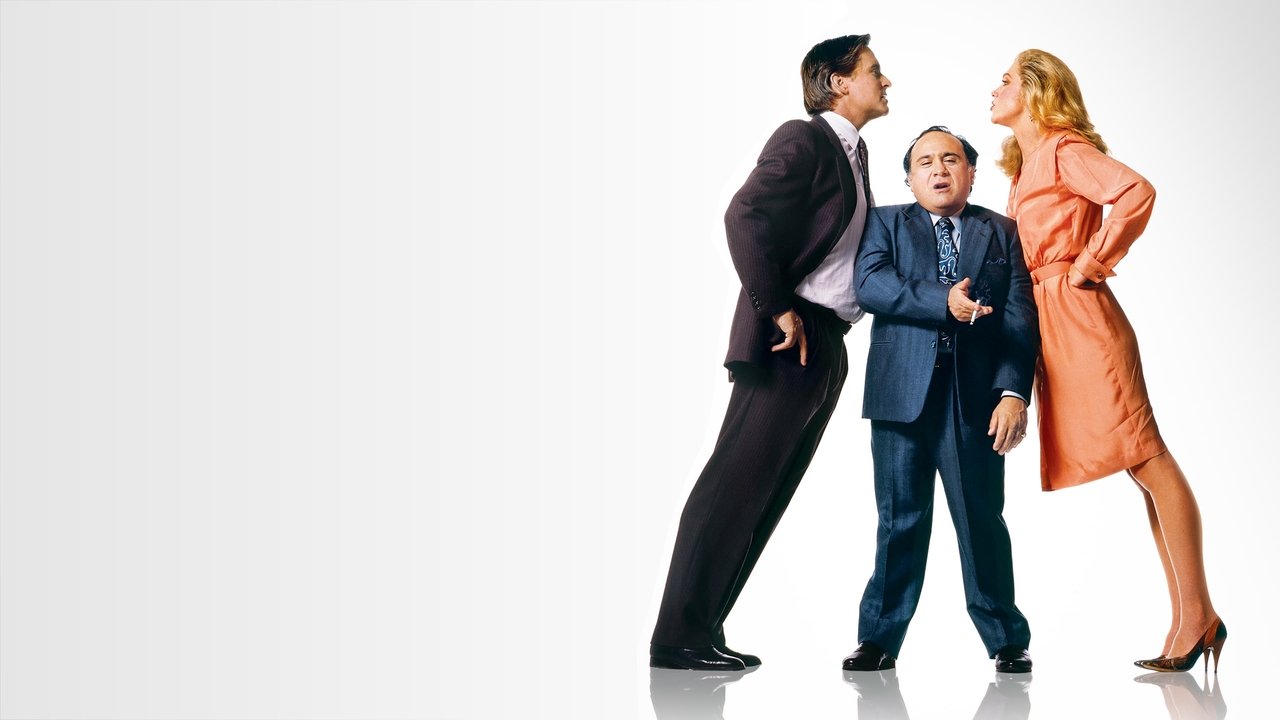
This isn't just a divorce movie; it’s a siege. It’s a 116-minute autopsy of the American Dream, performed with a scalpel and a chainsaw.
A Sequel to a Dream That Never Was
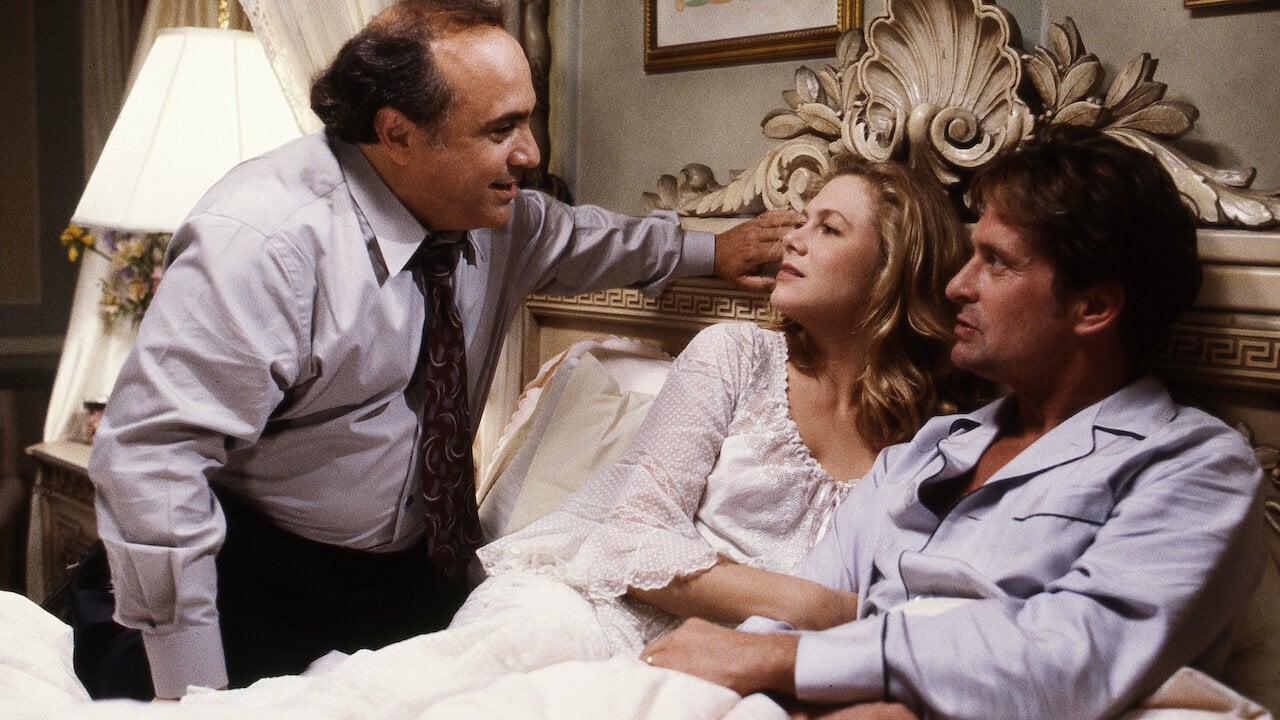
By 1989, the trio of Michael Douglas, Kathleen Turner, and Danny DeVito were cinematic royalty. They had a shorthand that audiences found comforting. Director Danny DeVito uses that comfort as a weapon. He casts the two most charismatic leads of the decade and then systematically strips away their charm until they are nothing but raw, pulsing ego.
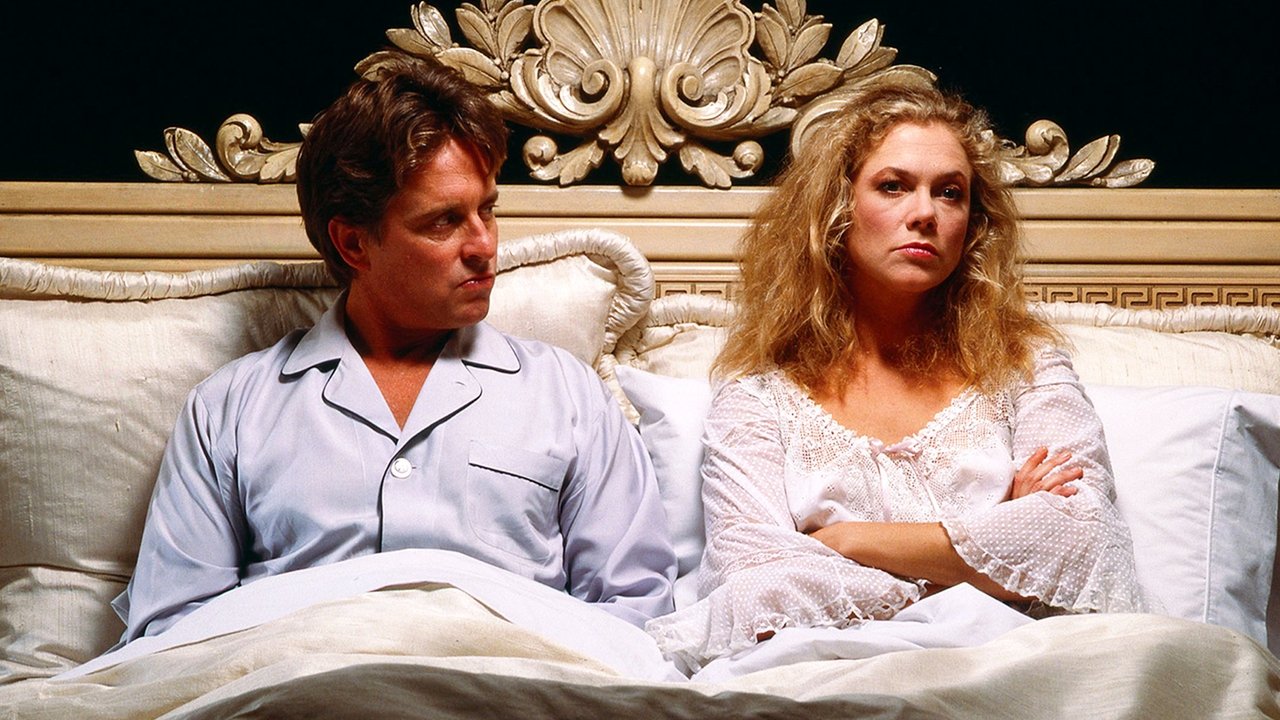
The story, narrated by DeVito as the lawyer Gavin D'Amato, follows Oliver and Barbara Rose. They start with the perfect meet-cute, the perfect kids, and the perfect mansion. But then Barbara realizes she doesn’t just dislike Oliver—she wants him to cease existing in her personal space. When neither will give up the house, they divide the mansion into "territories," and the film devolves into a literal war.
Michael Douglas plays Oliver with a desperate, litigious smugness that is genuinely skin-crawling. He represents the 80s man who thinks everything is a negotiation. But Kathleen Turner is the film's secret engine. Her Barbara is terrifyingly resolute. When she looks at him and says, "When I watch you eat... I just want to smash your face in," she isn't being hyperbolic. She's stating a mission. Turner possesses the kind of screen presence that makes the furniture look nervous.
The Architecture of Spite
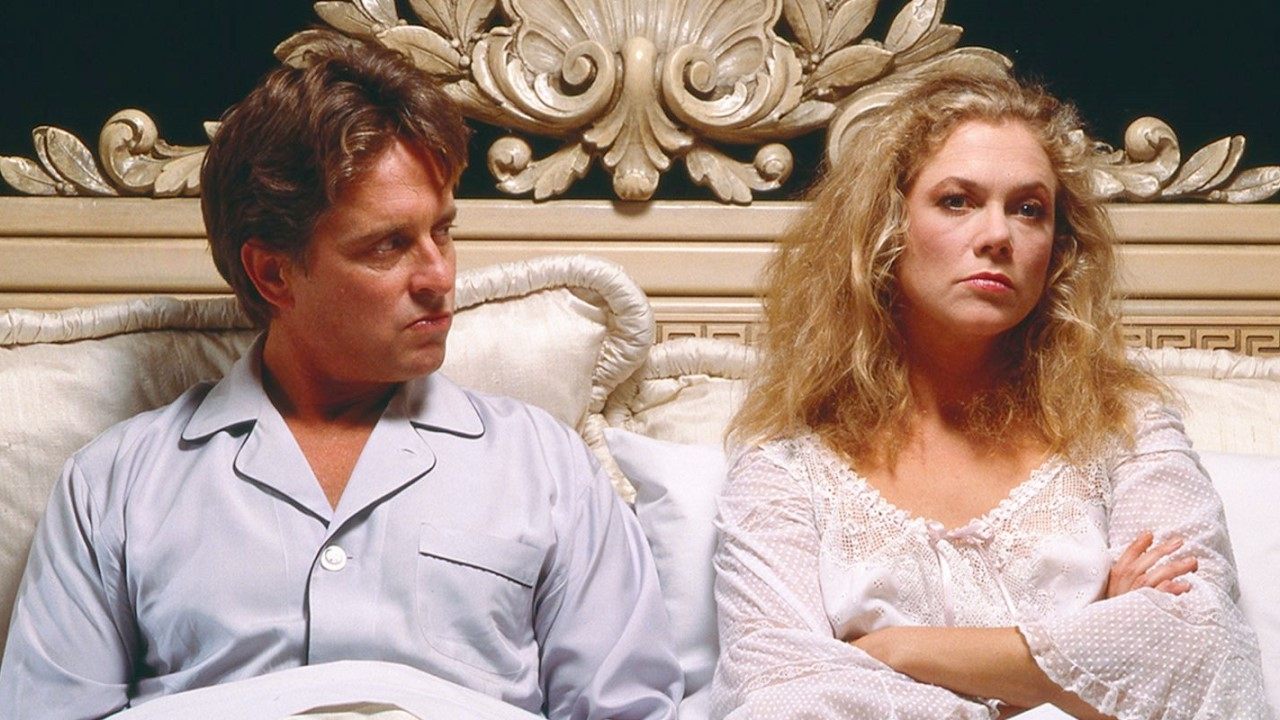
What makes The War of the Roses work—and why it feels so different from the flat, brightly lit comedies of today—is Danny DeVito’s directorial eye. He didn’t just point a camera at funny people; he treated the Rose mansion like the Overlook Hotel from The Shining.
Working with cinematographer Stephen H. Burum, DeVito uses wide-angle lenses and low, distorted perspectives that make the house feel cavernous and predatory. The production design is a character in itself. Every piece of Staffordshire china and every expensive rug becomes a potential casualty. There’s a scene involving a gourmet pâté and a dog that remains one of the most stressful things I’ve ever sat through. It’s a drama that treats its domestic disputes with the visual language of a German Expressionist horror film.
I think that's why it's so rewatchable. On a grainy VHS tape, the shadows in that house looked even deeper, the blacks more ink-like. This is a movie about people who own everything and value nothing, and the film's visual style reflects that hollowness perfectly.
A Blockbuster Built on Broken Glass
It’s easy to forget how huge this movie was. It wasn’t some niche indie project; it was a $26 million production from 20th Century Fox that went on to gross over $160 million worldwide. In 1989, it actually out-earned The Little Mermaid at the domestic box office. Think about that: a movie where a couple tries to kill each other over a chandelier was more popular than a Disney princess.
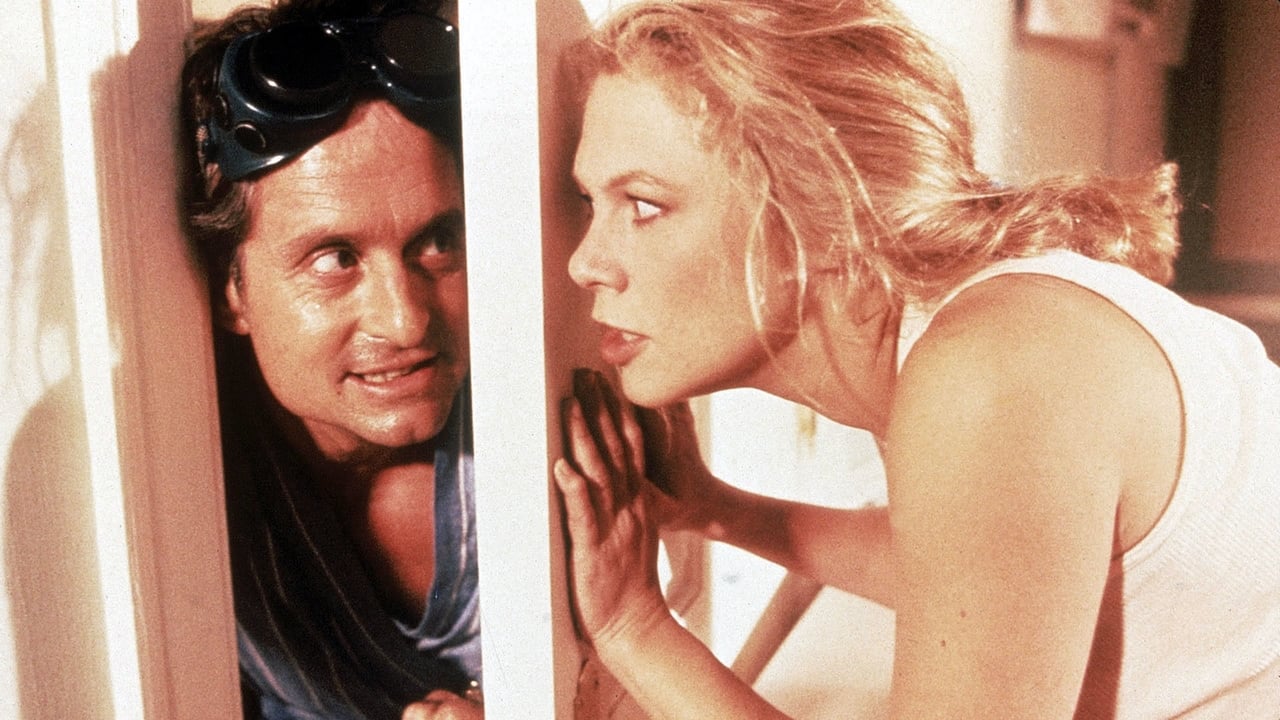
The film's success came from its refusal to blink. While most Hollywood "dramas" about relationships feel the need to offer a silver lining or a moment of reconciliation, DeVito drives this thing straight off a cliff. The ending is legendary for its uncompromising darkness, a finale that reportedly left test audiences stunned.
The stunts were equally committed. The final sequence involving the massive chandelier wasn't a digital trick; it was a complex practical rig that required the actors to be suspended in a way that looks genuinely precarious. There’s a weight to the destruction in this film that you just don't get with CGI. When things break in the Rose house, you feel the cost of the repair bill.
The War of the Roses is a masterpiece of toxic chemistry. It captured the exact moment when the "Greed is Good" excess of the 1980s curdled into bitter, domestic resentment. It’s funny, yes, but it’s a "holding-your-breath" kind of funny. I’ve always felt that the best comedies are the ones that aren't afraid to be slightly dangerous, and this movie is a live wire. If you've ever looked at a partner and felt a fleeting moment of inexplicable irritation, this film will speak to you—just maybe don't watch it on your anniversary.
Ending on a note of total destruction, the film serves as a cautionary tale about what happens when "things" become more important than people. It’s a cynical, beautiful, and utterly relentless piece of filmmaking that earns every bit of its dark reputation. It reminds me that sometimes, the only way to win a war is to refuse to show up for the battle.
Keep Exploring...
-
Good Morning, Vietnam
1987
-
Moonstruck
1987
-

Big
1988
-
Cocktail
1988
-
Working Girl
1988
-
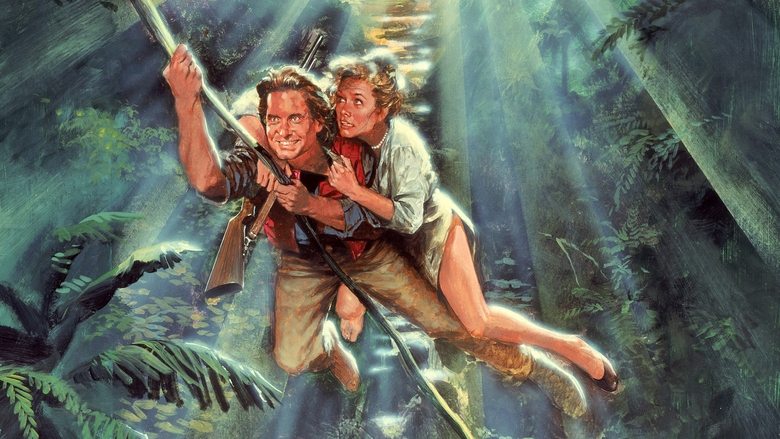
Romancing the Stone
1984
-
The Jewel of the Nile
1985
-

Fatal Attraction
1987
-
Black Rain
1989
-

The Graduate
1967
-

American Graffiti
1973
-
Cocoon
1985
-

An American Tail
1986
-
Hannah and Her Sisters
1986
-
¡Three Amigos!
1986
-
The Lost Boys
1987
-
Scrooged
1988
-
Twins
1988
-

All Dogs Go to Heaven
1989
-
Crimes and Misdemeanors
1989