Turner & Hooch
"Clean cop, filthy dog, total chaos."
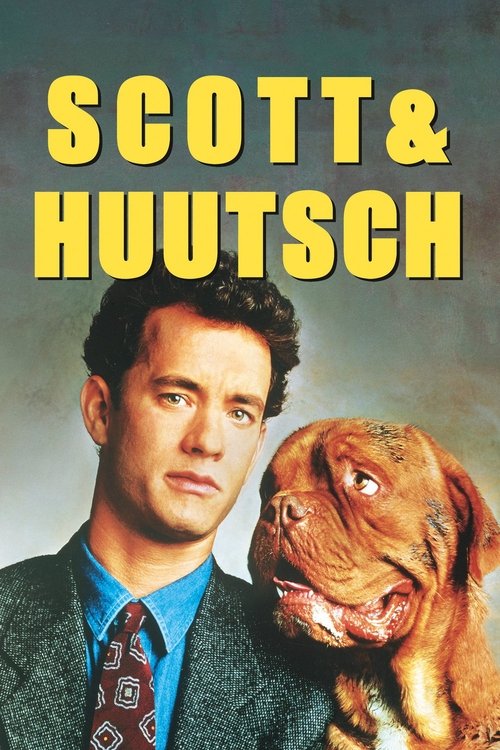
I recently rewatched Turner & Hooch on a slightly battered DVD while eating a burrito that was definitely structural-integrity-challenged, and I realized that the film’s central conceit—the collision of clinical perfection and absolute, slobbering entropy—is basically my life. Released in the summer of 1989, just as Tom Hanks was transitioning from the "funny guy from Bosom Buddies" to the "global superstar who can do anything," this movie remains the gold standard for a very specific subgenre: the canine procedural.

It arrived in a year strangely obsessed with police dogs (remember James Belushi in K-9?), but Turner & Hooch has always held the lead in my heart. Why? Because it’s not actually a movie about a dog solving a crime. It’s a movie about an obsessive-compulsive man having his soul dismantled by 115 pounds of French Mastiff.
The Physics of Drool and 80s Practicality
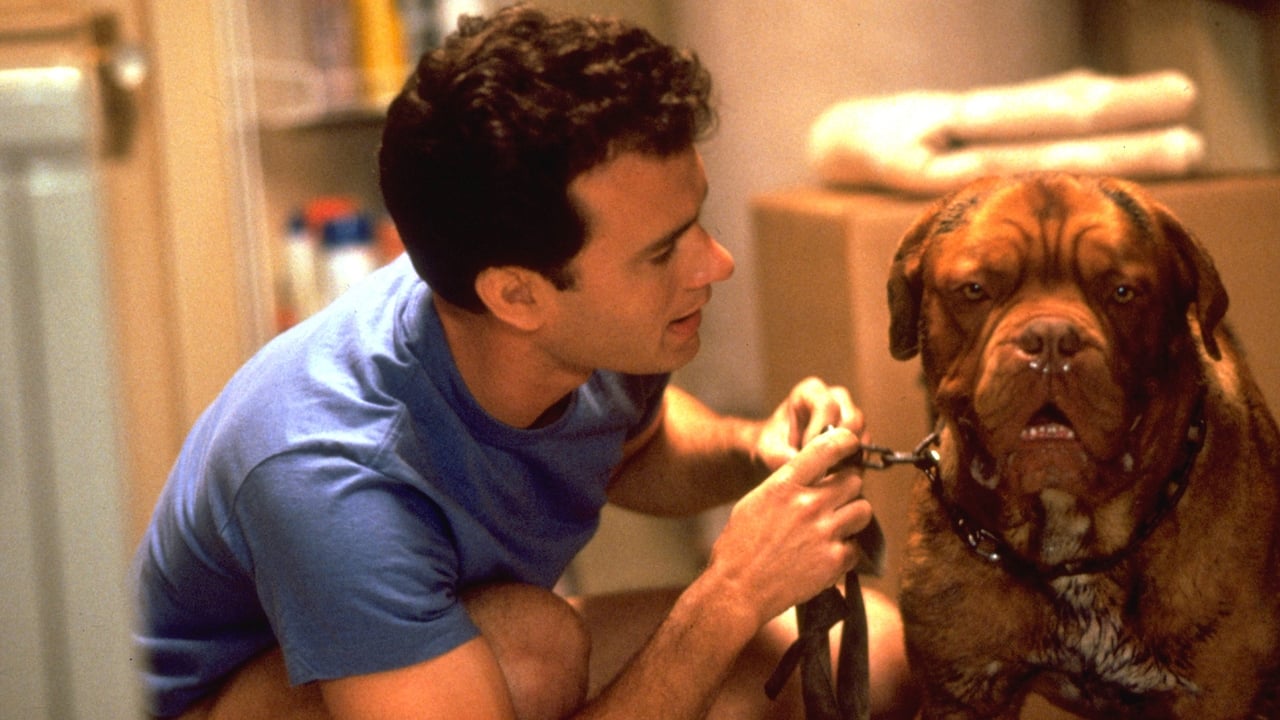
Before we get to the plot, we have to talk about Beasley, the Dogue de Bordeaux who played Hooch. In our current era of "if it's hard to film, just use CGI," there is something deeply satisfying about the tactile mess of this movie. When Hooch destroys Scott Turner’s house, he isn't a digital asset; he is a physical force of nature. The scene where Turner returns home to find his meticulously organized living room transformed into a shredded confetti factory is the ultimate 80s horror movie for people with mortgages.
The "effects" here are purely organic. We’re talking about gallons of real, high-viscosity dog saliva. It’s on the upholstery, it’s on Tom Hanks’s face, and it’s arguably the third lead in the film. There’s a scene where Hooch shakes his head and a literal rope of slime hitches a ride on Turner’s jacket. You can’t fake that kind of timing, and you certainly can’t fake the genuine look of panicked disgust on Tom Hanks’s face. It’s a reminder that before he was winning Oscars for Philadelphia or Forrest Gump, Hanks was arguably the greatest physical comedian of his generation. He treats a dog like a high-stakes improv partner, and the dog, to its credit, never breaks character.
A Buddy-Cop Formula with Sharp Teeth
The story is quintessential 80s Touchstone. Scott Turner is a neat-freak detective in a sleepy California town, days away from moving to the big city. When local pier-dweller Amos Reed (John McIntire) is murdered by a shadowy corporate villain (Craig T. Nelson, playing "corrupt executive" with his signature tall-guy menace), the only witness is Hooch.
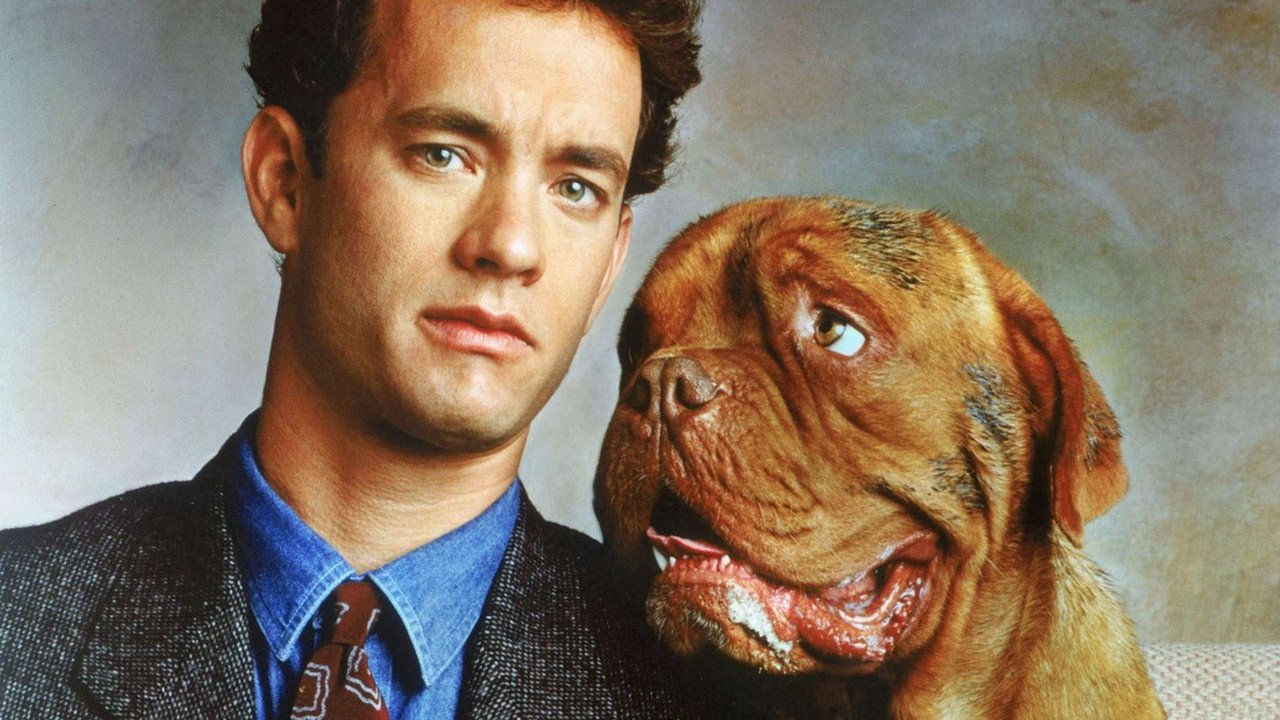
Director Roger Spottiswoode, who would later give us the Bond flick Tomorrow Never Dies, handles the tonal shifts with surprising grit. This is a "family" movie, but it starts with a cold-blooded murder and features a surprisingly high body count. It follows the Lethal Weapon blueprint—the mismatched partners, the cynical captain, the climactic warehouse shootout—but swaps out the loose-cannon veteran for an animal that eats car upholstery.
The romance subplot with Mare Winningham’s Emily Carson is sweet, but let’s be honest: she’s mostly there to provide a veterinarian’s perspective on why Turner hasn't killed the dog yet. Winningham is great, bringing a grounded warmth that balances the frantic energy of the two leads, but the real "love story" is Turner finally learning that a little bit of chaos is the only thing that makes a clean life worth living.
The Midnight Rental Legacy
If you grew up in the 90s, you likely encountered this film on a VHS tape with a sun-bleached spine at your local rental shop. It was the perfect "middle-ground" movie—safe enough for a Friday night with the kids, but "adult" enough that you felt like you were watching a real police thriller.
Interestingly, the production was a bit of a mess. Henry Winkler (yes, The Fonz) was the original director but was famously fired thirteen days into production because he and Hanks didn’t mesh. Hanks later joked that he struggled with the dog, but on screen, their chemistry is undeniable. The dog is a better actor than half the cast of most modern action movies, and Hanks’s ability to scream at an animal for three minutes without losing the audience's sympathy is a masterclass in likability.
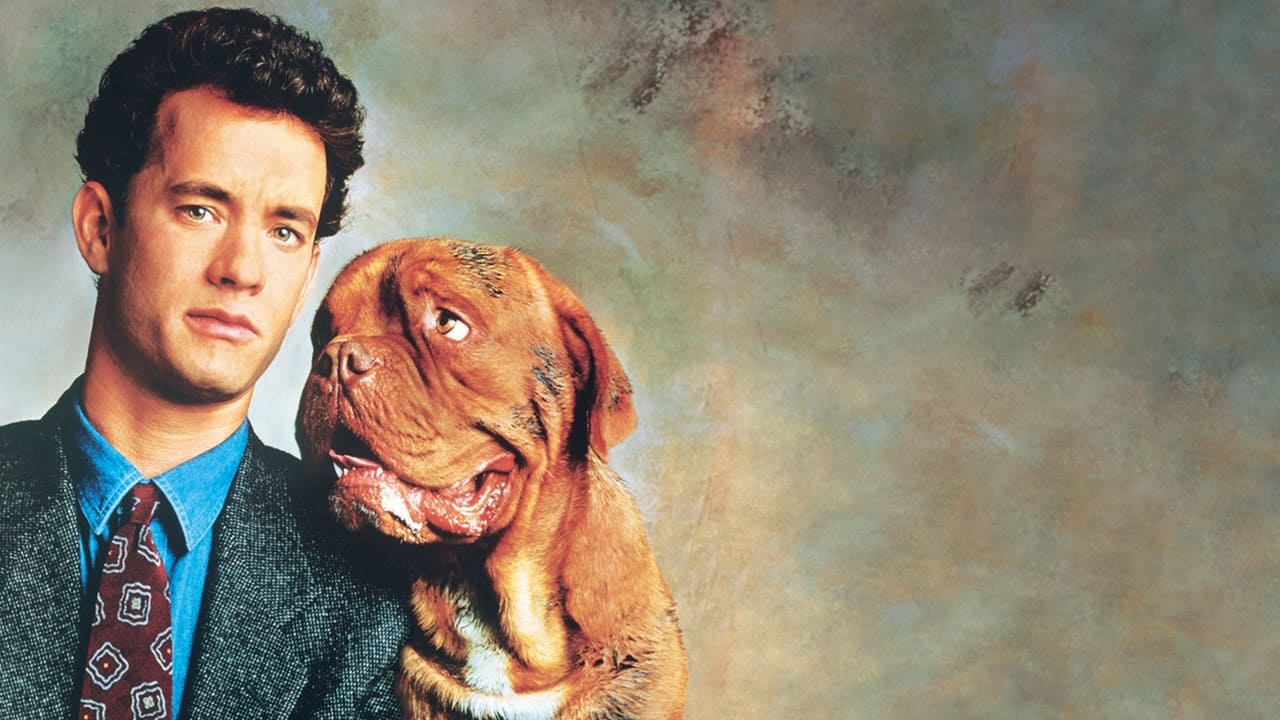
The film’s biggest risk—and I won’t spoil it for the three people who haven't seen it—is the ending. It’s a bold, heartbreaking choice that wouldn't fly in a test-screened-to-death blockbuster today. It gives the movie a weight that its competitors lacked. It’s a film that knows life is messy, dogs are expensive, and sometimes the "odd couple" doesn't get to ride off into the sunset together.
If you’re looking for a hit of pure 1989 nostalgia, or you just want to see Tom Hanks lose his mind over a ruined car seat, Turner & Hooch is a quintessential Saturday afternoon watch. Just maybe keep the burritos away from the upholstery.
The legacy of the film lives on, even spawning a recent Disney+ series, but nothing beats the original 35mm grit of the 1989 version. It's a snapshot of a time when a movie didn't need a multiverse or a $200 million budget to win us over—it just needed a great actor, a very slobbery dog, and a screenplay that understood the comedic value of a ruined floor rug.
Keep Exploring...
-

Midnight Run
1988
-
Lethal Weapon 2
1989
-
Tango & Cash
1989
-
K-9
1989
-
48 Hrs.
1982
-
Batman
1966
-
Beverly Hills Cop II
1987
-
Lethal Weapon
1987
-
Shoot 'Em Up
2007
-
Stand Up Guys
2012
-
Beverly Hills Cop
1984
-
Clue
1985
-
Cobra
1986
-
Raw Deal
1986
-
The Dead Pool
1988
-
Lock Up
1989
-
Another 48 Hrs.
1990
-
Lethal Weapon 3
1992
-
Rumble in the Bronx
1995
-
Smokin' Aces
2006