Uncle Buck
"Big heart, bigger pancakes, and a very loud car."
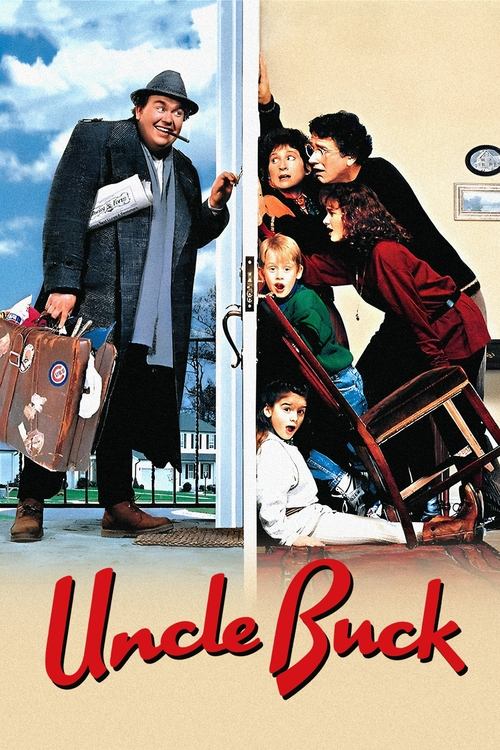
The first time I saw "The Beast"—that oil-burning, backfiring 1977 Mercury Marquis—I was convinced it was going to explode through my television screen. It’s the perfect vehicular metaphor for Buck Russell: loud, messy, arguably dangerous, yet somehow still running on sheer willpower and a little bit of luck. I watched this most recently on a humid Tuesday while my neighbor was power-washing his driveway, and the rhythmic thrum of his machine perfectly synced up with the idling engine of Buck’s car. It was immersive cinema I didn't ask for, but thoroughly enjoyed.
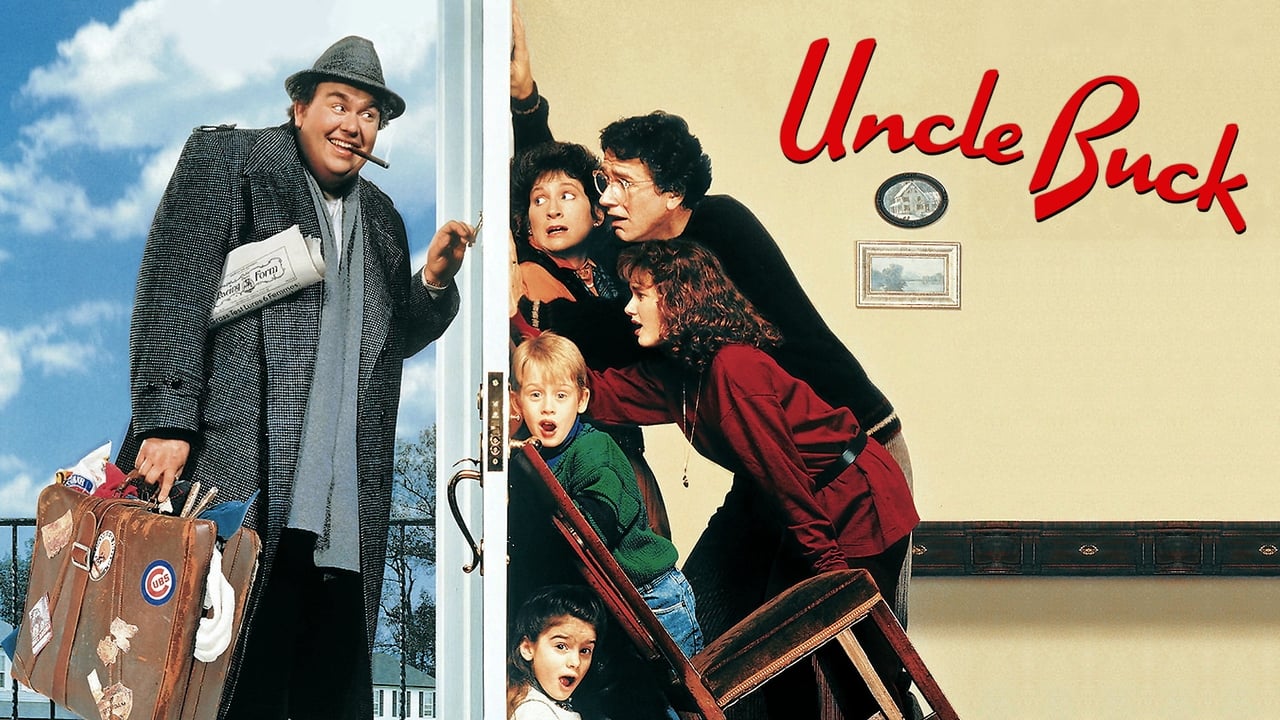
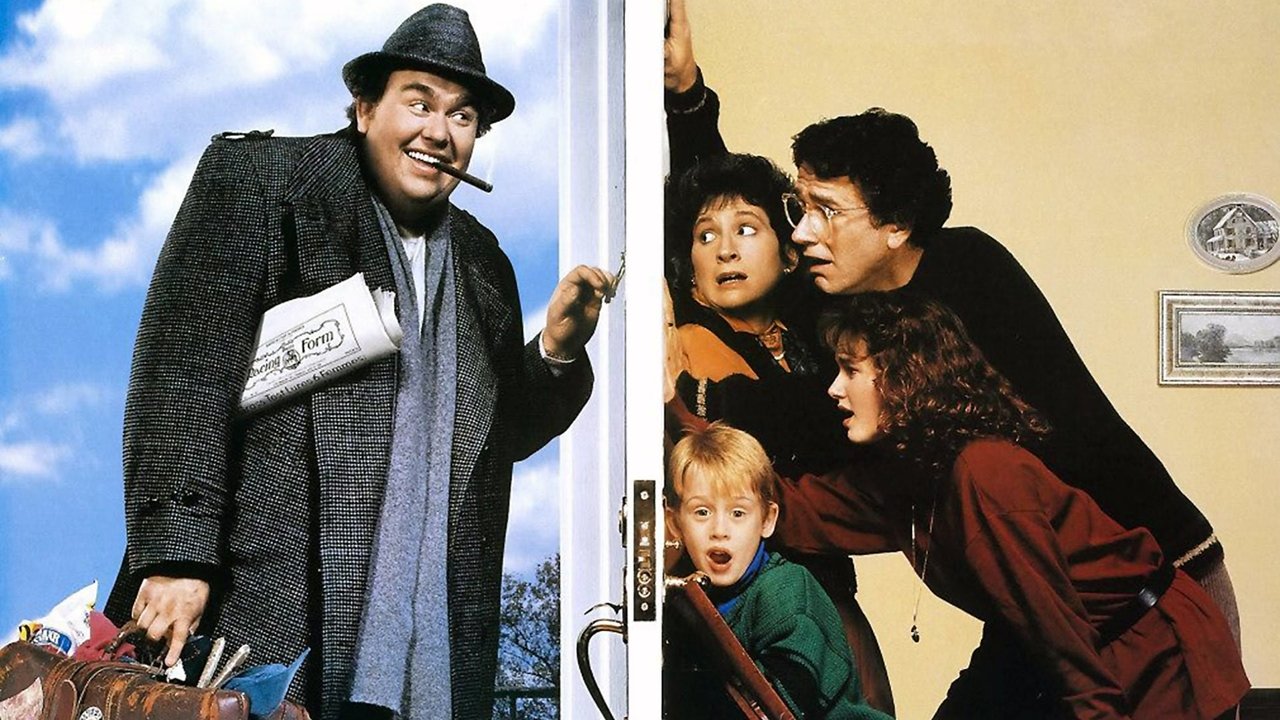
Uncle Buck represents a fascinating pivot point in the career of John Hughes. By 1989, he was moving away from the angst-ridden hallways of Shermer High and into the messy, complicated world of adult responsibility—or, in this case, the refusal of it. It’s a film that lived a second, much longer life in the $9.99 sell-through bins of the early 90s. The VHS cover, with John Candy peering over those sunglasses with a smirk, became a permanent fixture in the "Family" section of every Blockbuster Video, a reliable safety net for parents who needed ninety minutes of peace and kids who wanted to see a grown man threaten a teenager with a power drill.
The Gentle Weight of John Candy
We don't talk enough about the dramatic gravity John Candy brought to his roles. It’s easy to get lost in the slapstick—the giant pancakes flipped with a snow shovel or the "interrogation" of a young Macaulay Culkin—but the movie lives and dies on the sadness behind Buck’s eyes. Buck is a man who has spent forty years avoiding adulthood, and Candy plays him with a palpable sense of loneliness. When he’s sitting in that dark house, nursing a drink and realizing he’s the odd man out in his own family, it isn't "funny-man" acting. It’s a masterly study of a guy who knows he’s a disappointment but doesn't quite know how to fix it.
His chemistry with Jean Louisa Kelly, playing the rebellious and sharp-tongued Tia, is the film's true engine. Their relationship isn't just "grumpy uncle vs. bratty teen"; it’s a genuine clash of two people who are remarkably similar—both stubborn, both defensive, and both hiding their vulnerabilities behind a wall of sarcasm. Jean Louisa Kelly holds her own against Candy, which is no small feat. She makes Tia’s resentment feel earned, rather than just a plot device. Buck is basically a sitcom character who stumbled into a Scorsese movie for five minutes whenever he has to protect his nieces, and that tonal shift only works because Candy makes us believe he’d actually go to war for these kids.
Subverting the Suburban Dream
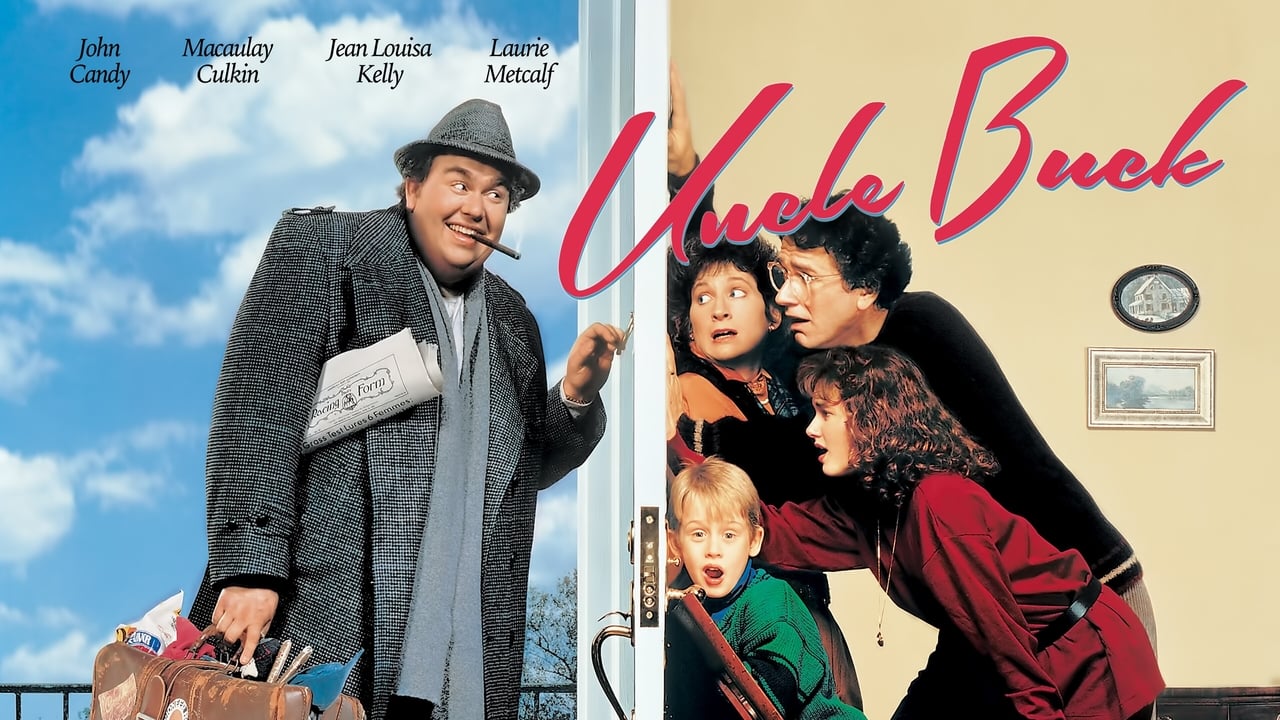
While the 1980s were filled with films celebrating the pristine suburbs, John Hughes (working with cinematographer Ralf D. Bode) gives the Russell household a slightly colder, more sterile feel. It’s a house in crisis even before the emergency that brings Buck to town. The drama here is found in the cracks of the "perfect" family unit. Elaine Bromka and the rest of the adult cast provide the necessary friction, but the movie really sings when it focuses on the kids.
A pre-Home Alone Macaulay Culkin is a revelation here. His rapid-fire questioning of Buck is legendary, but it’s his naturalistic, slightly weird energy that keeps the scenes from feeling like "cute kid" clichés. Alongside Gaby Hoffmann, the younger kids represent the innocence that Buck is trying to preserve, even as he’s accidentally exposing them to the "real world" of horse racing and gambling. The Mercury Marquis is the true co-star of the film, representing the intrusive, messy reality of the city crashing into the manicured lawns of the suburbs.
The Hughes Touch and VHS Immortality
There’s a specific texture to this era of filmmaking that feels lost—a reliance on practical chaos. The backfiring car, the exploding birthday party, the grease and the grit of Buck’s apartment. It all feels tactile. You can practically smell the cigar smoke and the burnt batter. Turn-of-the-decade films like this benefited from the home video revolution because they were built on "repeatable" moments. I know people who can recite the entire "here's a quarter" monologue verbatim because they wore out their tape rewinding that specific scene.

The film handles its weightier themes—infidelity, abandonment, and the fear of failure—with a surprisingly light touch, but it never dismisses them. When Amy Madigan (playing Chanice) confronts Buck about his inability to commit, the movie stops being a comedy for a few minutes. It becomes a grounded drama about the terrifying prospect of growing up when you're already grown. It’s this emotional authenticity that prevents Uncle Buck from being just another disposable 80s comedy.
Ultimately, Uncle Buck is a reminder that the best family stories are the ones that acknowledge how annoying, messy, and loud family can actually be. It’s a showcase for John Candy at the peak of his powers, finding the heart inside the "crude and crass" exterior promised by the tagline. Whether you’re here for the hatchet-swinging threats or the quiet moments of connection, it’s a film that earns every bit of its enduring nostalgia. It’s the cinematic equivalent of a giant pancake: maybe a little too big, definitely unhealthy, but exactly what you want on a Sunday morning.
Keep Exploring...
-

The Breakfast Club
1985
-
Weird Science
1985
-

An American Tail
1986
-

All Dogs Go to Heaven
1989
-
Sixteen Candles
1984
-

Ferris Bueller's Day Off
1986
-
Planes, Trains and Automobiles
1987
-
Cocoon
1985
-
Hannah and Her Sisters
1986
-

Short Circuit
1986
-
¡Three Amigos!
1986
-
Scrooged
1988
-
Crimes and Misdemeanors
1989
-
Say Anything...
1989
-
Turner & Hooch
1989
-
The Mighty Ducks
1992
-

The Muppet Christmas Carol
1992
-
Pretty in Pink
1986
-
Field of Dreams
1989
-

Bedknobs and Broomsticks
1971