Weekend at Bernie's
"The guest of honor has no pulse, but the party's still jumping."

Imagine walking into a pitch meeting in 1988 and telling a room full of executives that your "big summer comedy" revolves around two insurance nerds puppeteering their boss's rotting corpse to avoid being murdered by the mob. In any other decade, you’d be escorted out by security. But this was the tail end of the 1980s—a glorious, high-concept fever dream where the line between "hilarious" and "deeply morbid" was thinner than a pinstripe on a Wall Street suit.
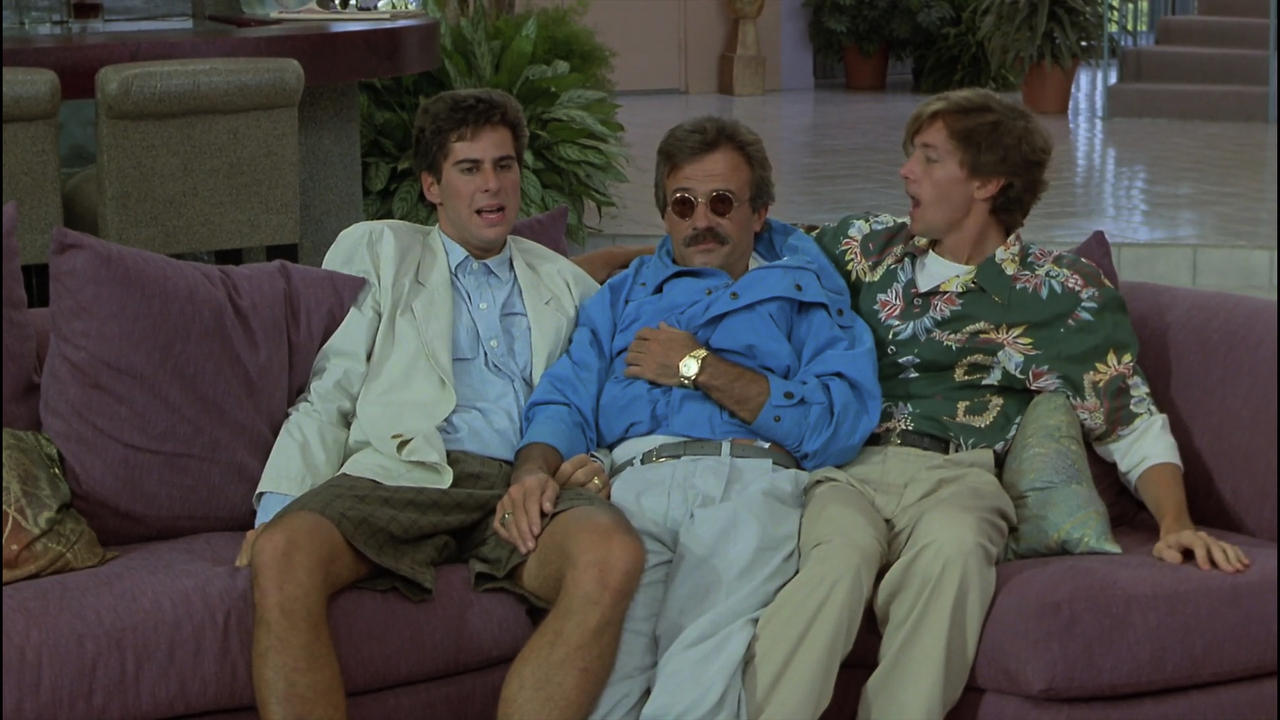
I recently rewatched this while my neighbor was outside power-washing his driveway for three hours straight, and the rhythmic drone of the water actually served as a weirdly hypnotic metronome for the film’s slapstick pacing. It’s a movie that shouldn't work. It’s a film that, by all logic, should be a tonal disaster. Yet, Weekend at Bernie’s remains a strangely essential piece of the Reagan-era cinematic diet.
The Physics of the Corpse
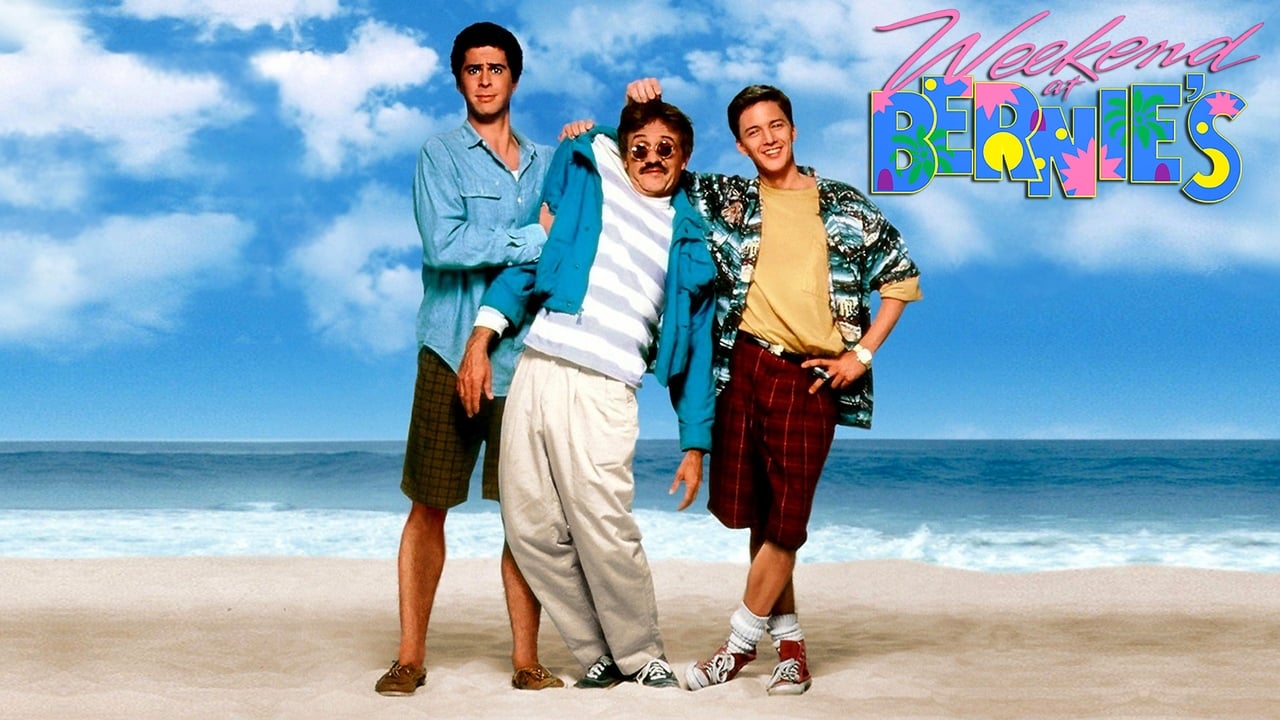
At the heart of the film’s success isn't just the script, but the sheer physical commitment of Terry Kiser as Bernie Lomax. While Andrew McCarthy (bringing that specific Pretty in Pink brand of chaotic energy) and Jonathan Silverman (the quintessential 80s neurotic straight man) do the heavy lifting, Kiser performs a minor miracle. Playing dead is easy for a scene; playing dead while being dragged behind a speedboat, dumped off balconies, and used as a prop in a beach party requires the soul of a gymnast and the pain tolerance of a stuntman.
The film relies heavily on "corpse physics." Director Ted Kotcheff—who, in one of the most jarring career pivots in history, also directed the gritty survivalist masterpiece First Blood (1982)—treats the slapstick with the same spatial precision he used for John Rambo’s forest traps. When Larry (McCarthy) and Richard (Silverman) are manipulating Bernie’s limbs to wave at passing socialites, the timing is surgical. The screenplay basically treats a dead body like a Gallagher prop, and because the film never pauses to let you think about the smell or the biological reality of the situation, it stays on the side of farce rather than horror.
A Relic of the Rental Aisle
For those of us who haunted the local video stores in the early 90s, the Weekend at Bernie's VHS box was a permanent fixture of the landscape. The cover art—Bernie in his sunglasses and yellow polo, flanked by two frantic young men—promised a level of "adult" absurdity that felt like a rite of passage for kids who were just graduating from Saturday morning cartoons. It was a staple of the "Comedy" section, often found sandwiched between Caddyshack and The Great Outdoors.
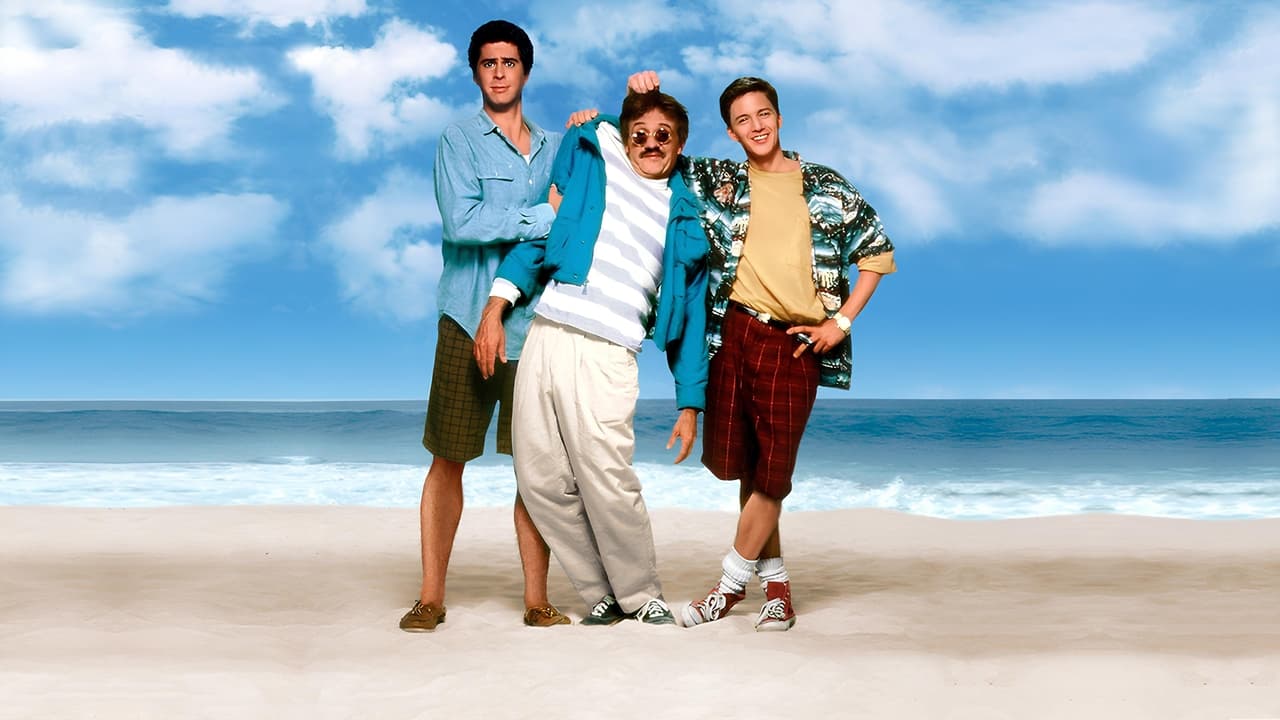
There is a specific texture to this era of filmmaking that I deeply miss: the heavy use of practical stunts over any kind of digital trickery. When you see Bernie bouncing his head off a dock, that’s not a CGI model; it’s either Terry Kiser taking a hit or a very convincing, weighted dummy. It gives the comedy a tactile, "ouch-that-had-to-hurt" quality that modern comedies often lack. The 80s were the golden age of the "high-concept" comedy—where the hook was so simple it could be explained in a single sentence on a rental box, and the filmmakers were forced to get creative with how they sustained that one joke for 97 minutes.
Behind the Sunglasses
Interestingly, the movie we got was almost much darker. Turns out, the original screenplay by Robert Klane was more of a pitch-black satire of the shallow nature of the Hamptons elite—the idea being that Bernie’s friends were so self-absorbed they literally couldn't tell he was dead. While the film keeps a bit of that cynicism, Kotcheff leaned into the slapstick to make it more palatable for a mass audience.
One of my favorite bits of trivia is that Terry Kiser actually suffered for his art; he reportedly cracked a rib during the scene where he’s dragged through the water by a boat. It’s that kind of "no safety net" 80s production style that makes the movie feel more grounded than it has any right to be. Also, looking back, it’s wild to see Catherine Mary Stewart (of The Last Starfighter and Night of the Comet fame) as the romantic interest Gwen, who has to pretend she doesn't notice her boyfriend's boss is a stiff.
The Verdict on the Dead
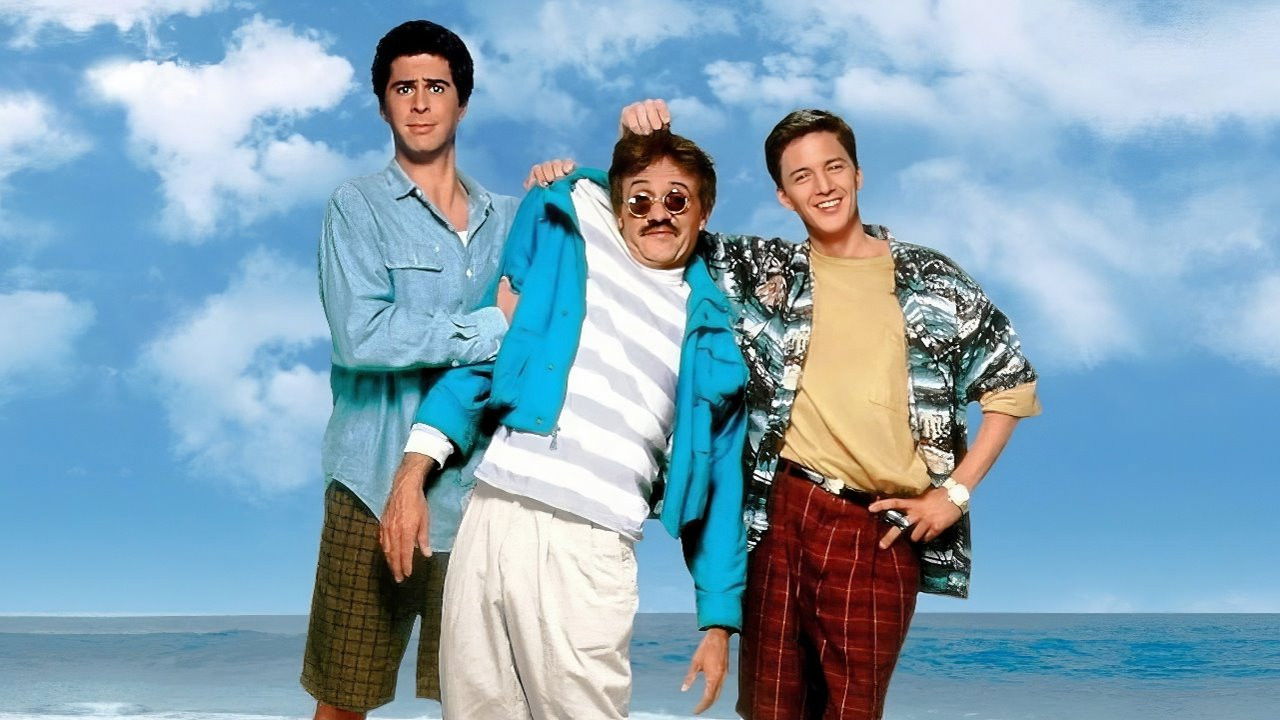
Does it hold up? In terms of pure comedic mechanics, yes. Andrew McCarthy and Jonathan Silverman have a frantic, desperate chemistry that perfectly captures the "young professionals in over their heads" vibe of the late 80s. The film is a time capsule of boat shoes, oversized blazers, and the kind of corporate greed that felt cartoonish back then but feels strangely prescient now.
The humor is undeniably dated in parts—the mob subplot involving Don Calfa (who you’ll recognize as the mortician from Return of the Living Dead) is a bit paint-by-numbers—but the central gag of Bernie himself is evergreen. Bernie Lomax is arguably the most charismatic inanimate object in cinematic history. If you can get past the inherent macabre nature of the premise, you’re left with a comedy that understands exactly what it is: a breezy, ridiculous, and slightly wicked summer vacation.
Ultimately, Weekend at Bernie's is a masterclass in how to take a one-joke premise and stretch it to the limit through sheer willpower and physical comedy. It’s the kind of film that reminds me why the VHS era was so special; it wasn't about prestige, it was about finding that one movie that made you and your friends laugh until you couldn't breathe. It might not be "fine cinema," but it’s a hell of a party.
Keep Exploring...
-
Clue
1985
-
Police Academy 2: Their First Assignment
1985
-
Police Academy 4: Citizens on Patrol
1987
-
Dirty Rotten Scoundrels
1988
-

Midnight Run
1988
-
K-9
1989
-
See No Evil, Hear No Evil
1989
-
Turner & Hooch
1989
-
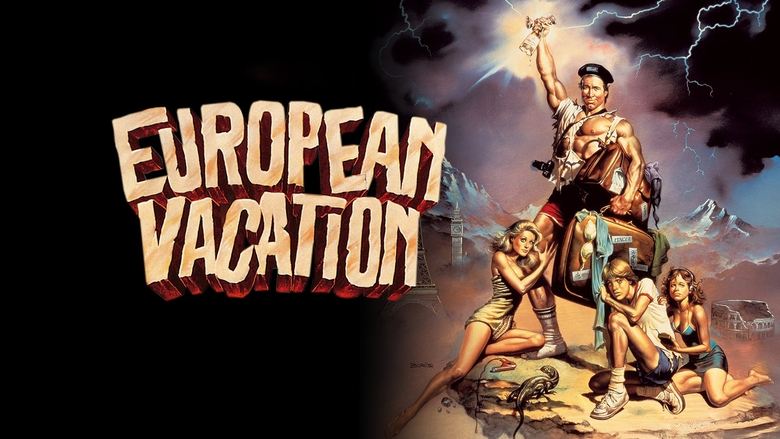
National Lampoon's European Vacation
1985
-
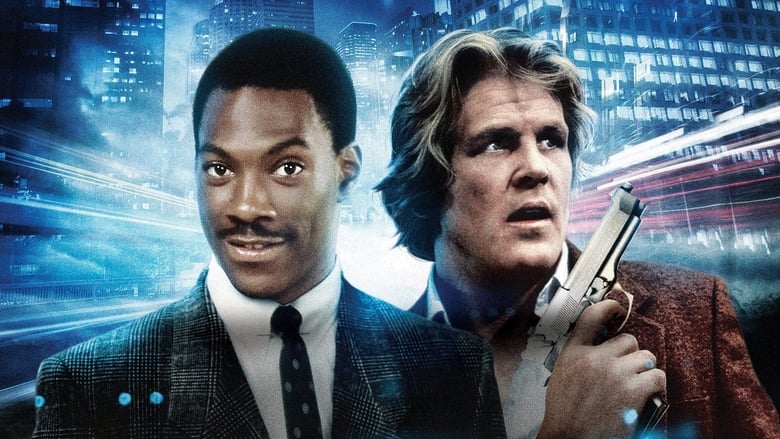
48 Hrs.
1982
-
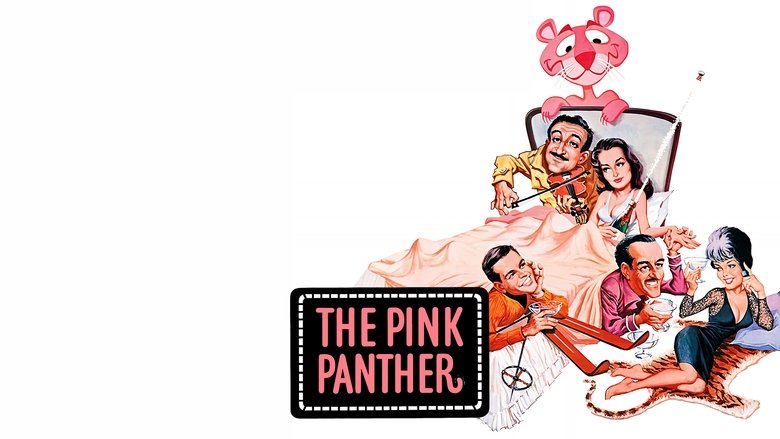
The Pink Panther
1963
-
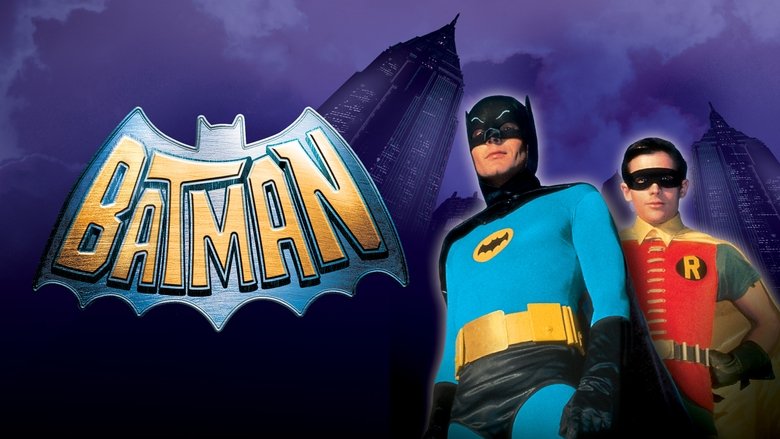
Batman
1966
-

Murder by Death
1976
-
Beverly Hills Cop
1984
-

Police Academy 3: Back in Training
1986
-
Beverly Hills Cop II
1987
-
Raising Arizona
1987
-

The Naked Gun: From the Files of Police Squad!
1988
-
Lethal Weapon 2
1989
-
Crimes and Misdemeanors
1989