A Grand Day Out
"Forget NASA; we’re going for the Wensleydale."
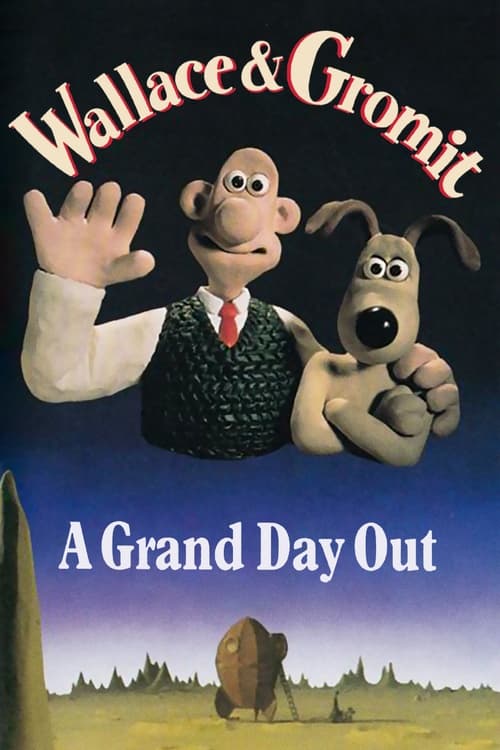
Most people look at the moon and see a desolate, cratered rock floating in the vacuum of space, a silent witness to the history of our planet. When Nick Park looked at it in the late 1980s, he saw a giant ball of Gruyère. Or maybe Wensleydale. Probably Wensleydale. That whimsical leap of logic gave birth to A Grand Day Out, a twenty-four-minute slice of stop-motion perfection that feels less like a movie and more like a warm hug from a slightly eccentric uncle who spends too much time in his shed.
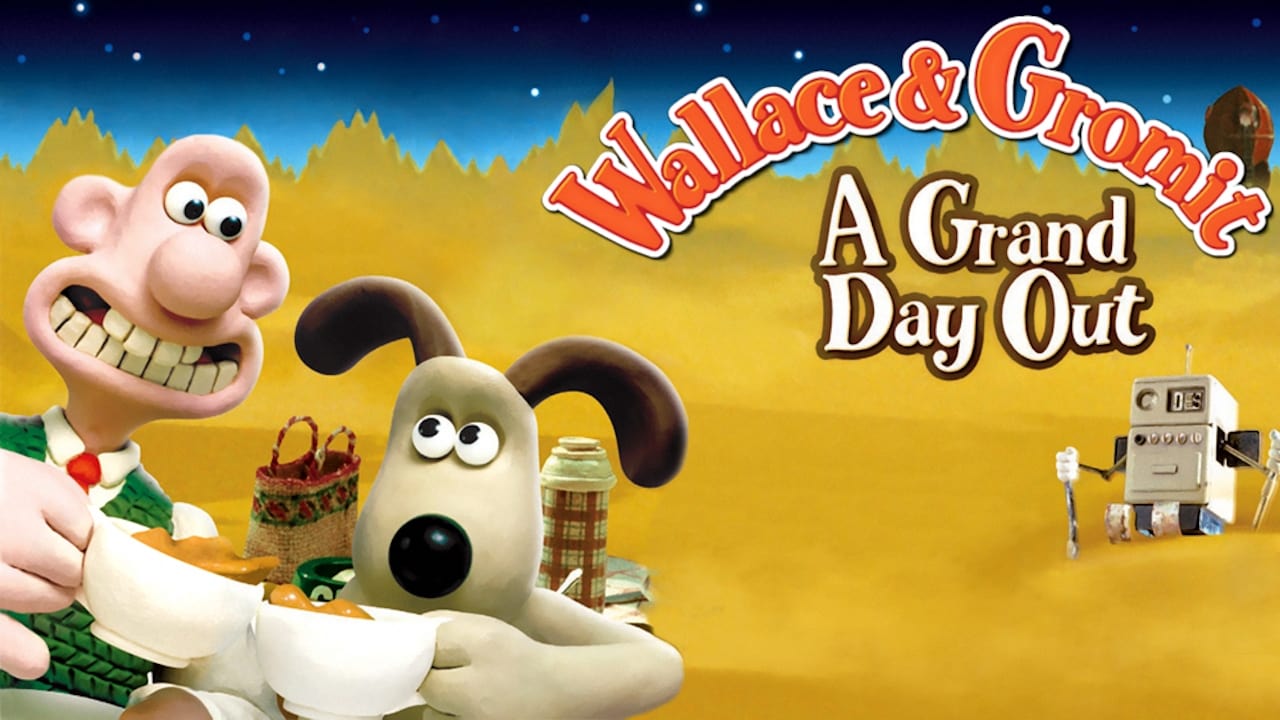
I watched this again recently while eating a bowl of cereal that had gone slightly soggy because I got distracted by the wallpaper in Wallace’s living room, and honestly, the sogginess only added to the British-ness of the experience. It’s a film that demands a certain level of cozy disarray.
Six Years of Fingerprints and Patience
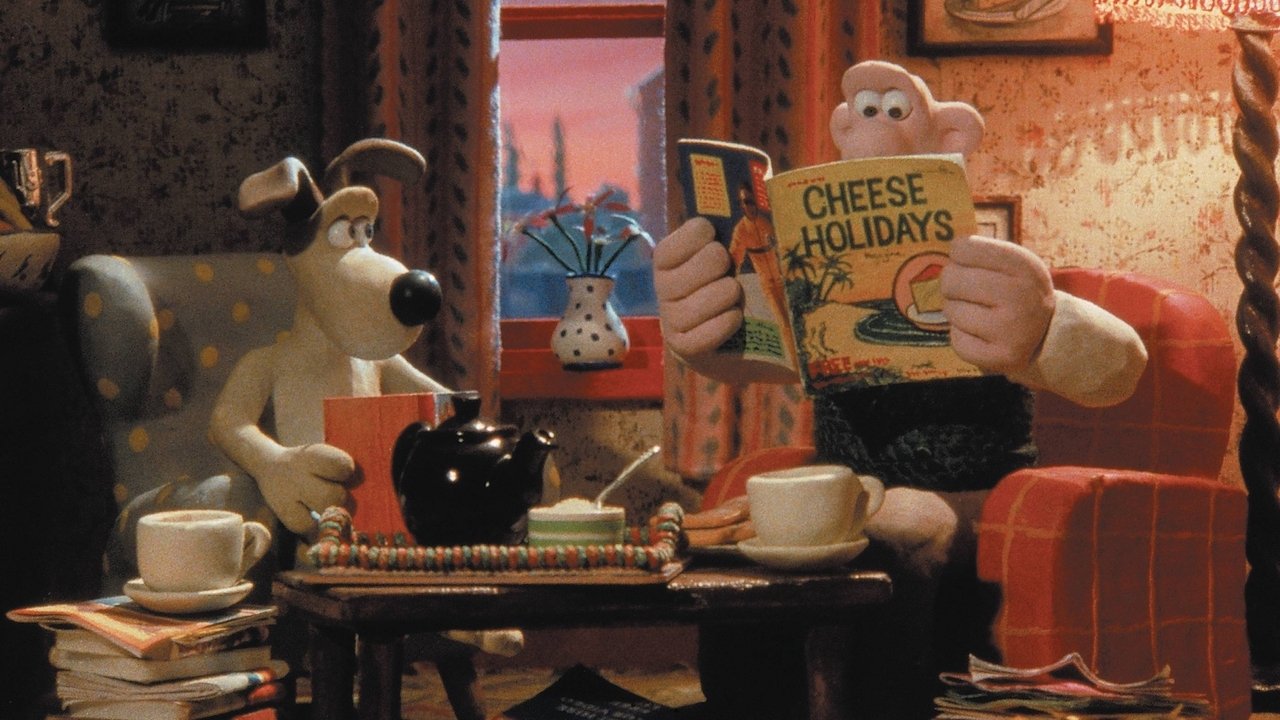
We often talk about "passion projects" in Hollywood—usually code for a director spending three years and fifty million dollars of someone else's money to prove a point. But A Grand Day Out is the ultimate indie success story. It was Nick Park’s graduation project at the National Film and Television School (NFTS), and it took him roughly six years to complete. Think about that. Most people finish degrees, start careers, and get married in the time it took Park to move a clay dog half an inch across a kitchen floor.
The budget was a laughable $17,300. To put that in perspective, that probably wouldn’t cover the coffee budget on a modern Disney production. Because of those constraints, every frame of this film feels incredibly tactile. You can literally see the fingerprints in the Plasticine on Wallace’s face. In the high-definition era of today, where CGI is polished until it has no soul, these imperfections are a badge of honor. They remind me that a human being sat in a room and physically manipulated this world into existence. The moon-cheese in this 1990 short looks significantly more appetizing than any digital banquet I’ve seen in a Marvel movie.
A Very British Space Odyssey
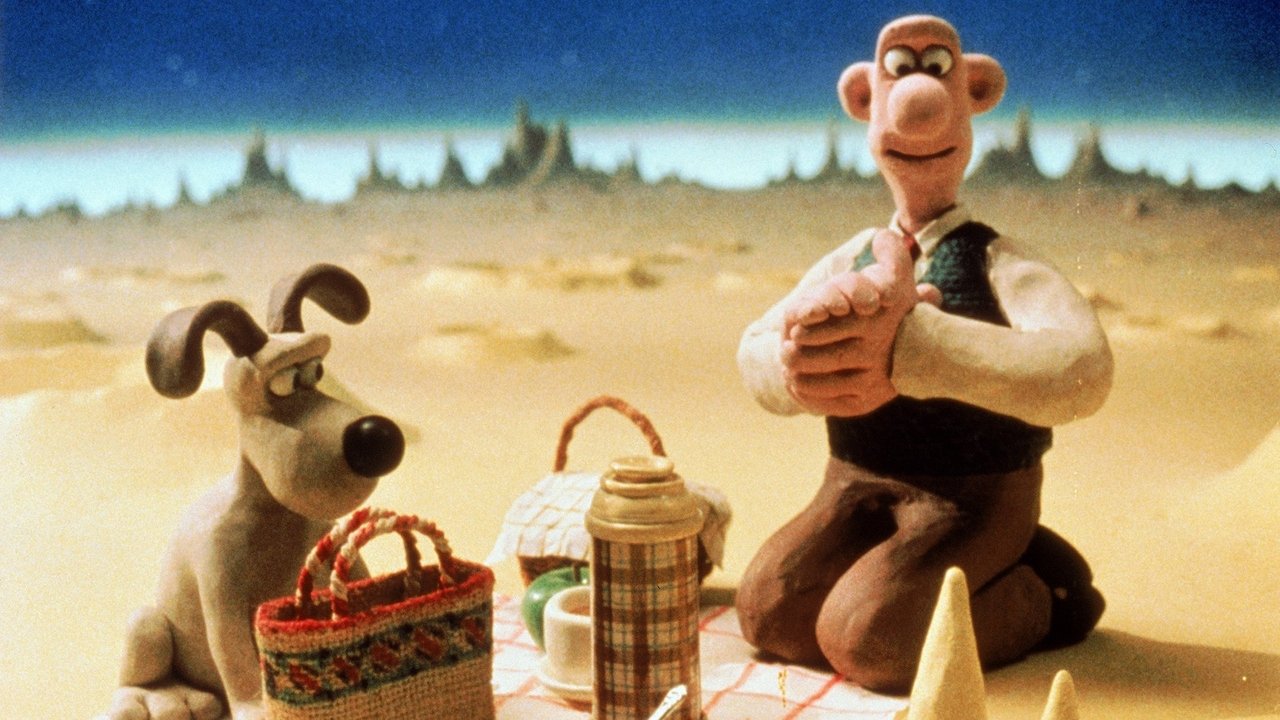
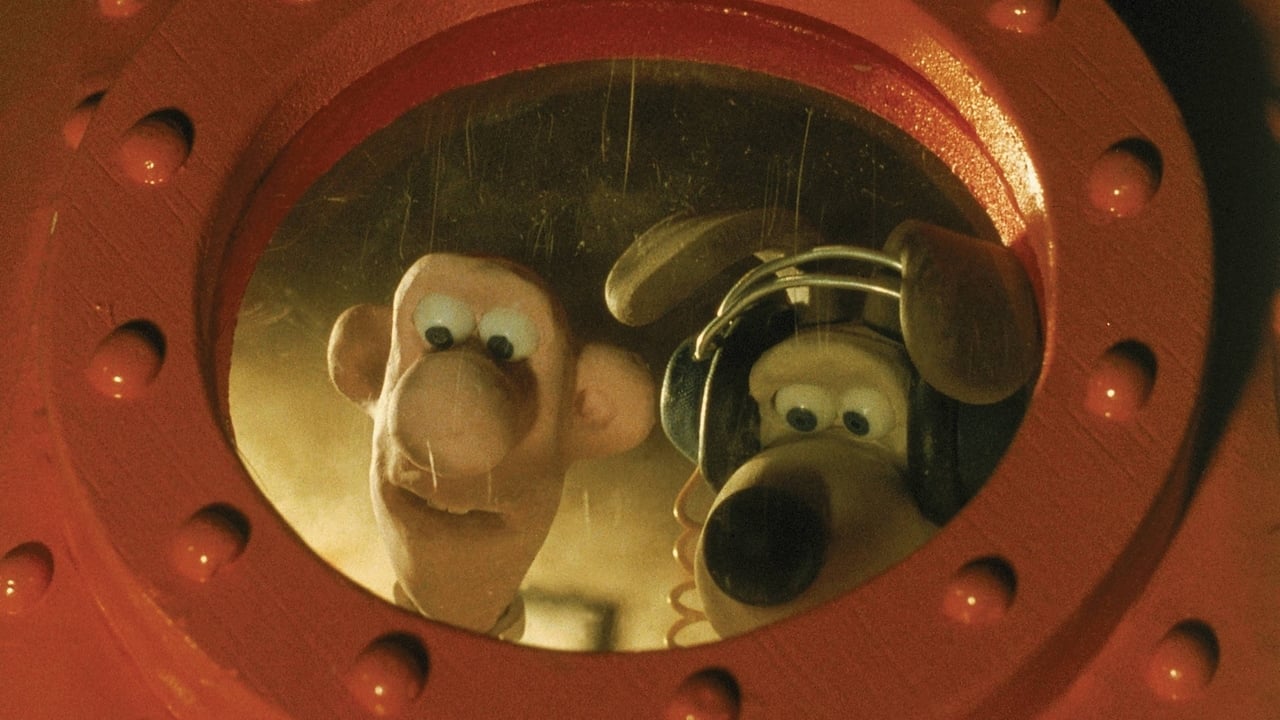
The "Sci-Fi" label here is used with a wink and a nod. The plot is delightfully simple: Wallace and his dog, Gromit, have run out of cheese. Since the shops are closed for the bank holiday, they decide to build a rocket and fly to the moon. The construction montage is legendary—there's no high-tech laboratory here, just a basement, some orange paint, and a bit of wallpapering.
Peter Sallis, who provided the voice of Wallace, brings a gentle, bumbling optimism that is quintessentially Northern English. He treats a lunar expedition with the same casualness most of us reserve for a trip to the post office. But the real star is Gromit. Even in this early stage, before the character was fully refined in later shorts like The Wrong Trousers or A Close Shave, Gromit is a masterclass in silent acting. With nothing but a pair of eyebrows and a slight tilt of the head, he conveys more exasperation and intelligence than most A-list actors do with a ten-page monologue.
What strikes me looking back is how well the science fiction elements are parodied. The rocket ship is a masterpiece of "junk-shop" aesthetic. It has a wood-burning stove and a cozy interior that looks more like a grandmother’s parlor than a cockpit. When they land on the moon, they don't find hostile aliens or ancient monoliths. They find a lonely, coin-operated robot that looks like a hybrid of a vending machine and a gas oven.
The Pathos of a Skiing Vending Machine
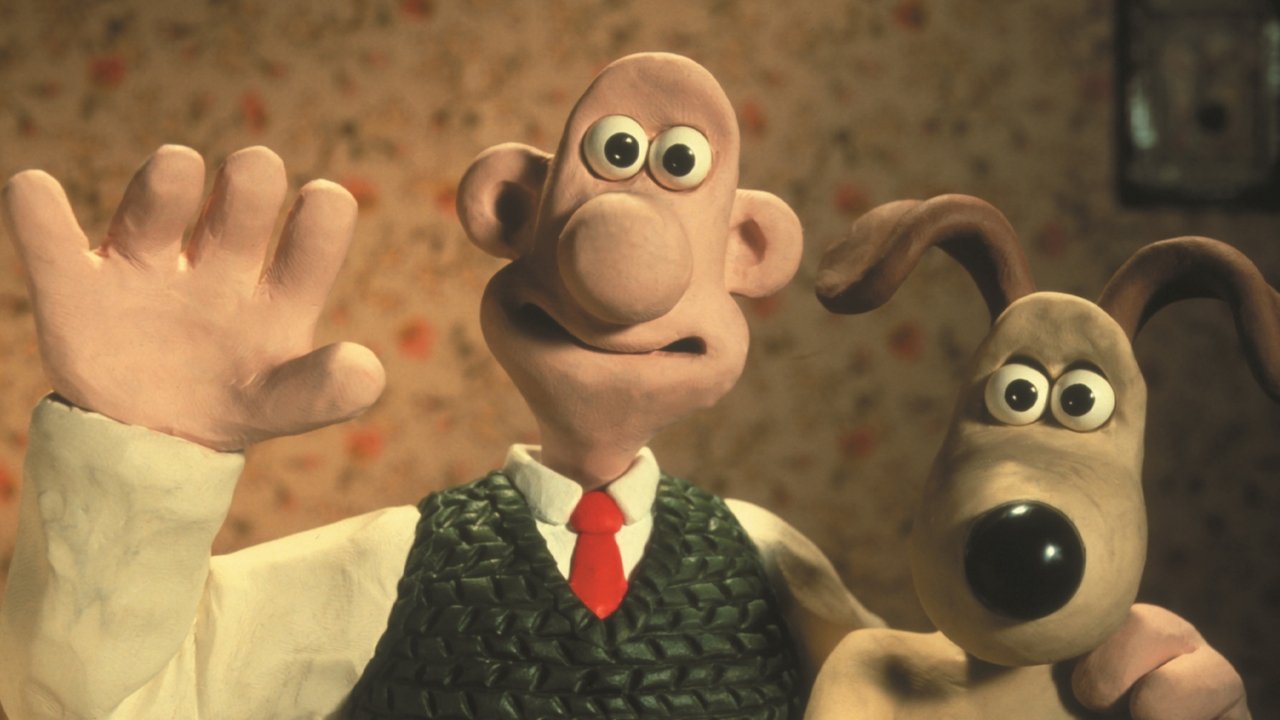
One of the coolest details about the production is that the "Cooker" robot was originally intended to be much more complex. Due to time and budget, Park had to simplify the design, which resulted in a character that is surprisingly moving. The robot doesn't want to conquer Earth; it just wants to go skiing. There is a genuine moment of melancholy when the robot realizes it can’t follow Wallace and Gromit back to Earth.
It’s this blend of absurd comedy and quiet heart that defined the Aardman style. They weren't trying to compete with the slickness of Pixar (which was just starting to find its feet at the time with shorts like Luxo Jr.). Instead, they leaned into the "British-ness"—the obsession with tea, the mundane problems in fantastical settings, and the DIY spirit.
Looking back from 2024, A Grand Day Out feels like a time capsule of a transition era. It was released just as the digital revolution was about to swallow the industry. Within five years, Toy Story would change everything. But this short proved that there was still a massive audience for the "analog" feel. It eventually lost the Oscar for Best Animated Short to Creature Comforts, which was also directed by Nick Park. When you’re so good you’re only competing against yourself, you know you’ve hit a cultural nerve.
This isn't just a "kids' cartoon"; it's a testament to what can be achieved with a massive imagination and a very small amount of clay. It’s funny, weirdly beautiful, and it moves at a pace that respects your time. It’s the kind of film that makes you want to go into your garage and build something, even if you know it’ll never leave the ground. If you haven't revisited Wallace and Gromit's debut lately, do yourself a favor: grab some crackers, find a nice Wensleydale, and enjoy twenty-four minutes of pure, unadulterated joy.
Keep Exploring...
-
The Wrong Trousers
1993
-
A Close Shave
1996
-

Wallace & Gromit: The Curse of the Were-Rabbit
2005
-
Chicken Run
2000
-
DuckTales: The Movie - Treasure of the Lost Lamp
1990
-
Porco Rosso
1992
-
Hercules
1997
-

The Emperor's New Groove
2000
-
The Road to El Dorado
2000
-
Shrek
2001
-

Sinbad: Legend of the Seven Seas
2003
-
Shrek 2
2004
-

The SpongeBob SquarePants Movie
2004
-
Lilo & Stitch 2: Stitch Has a Glitch
2005
-
Monster House
2006
-
Meet the Robinsons
2007
-
Ratatouille
2007
-
Horton Hears a Who!
2008
-
Partly Cloudy
2009
-
Despicable Me
2010