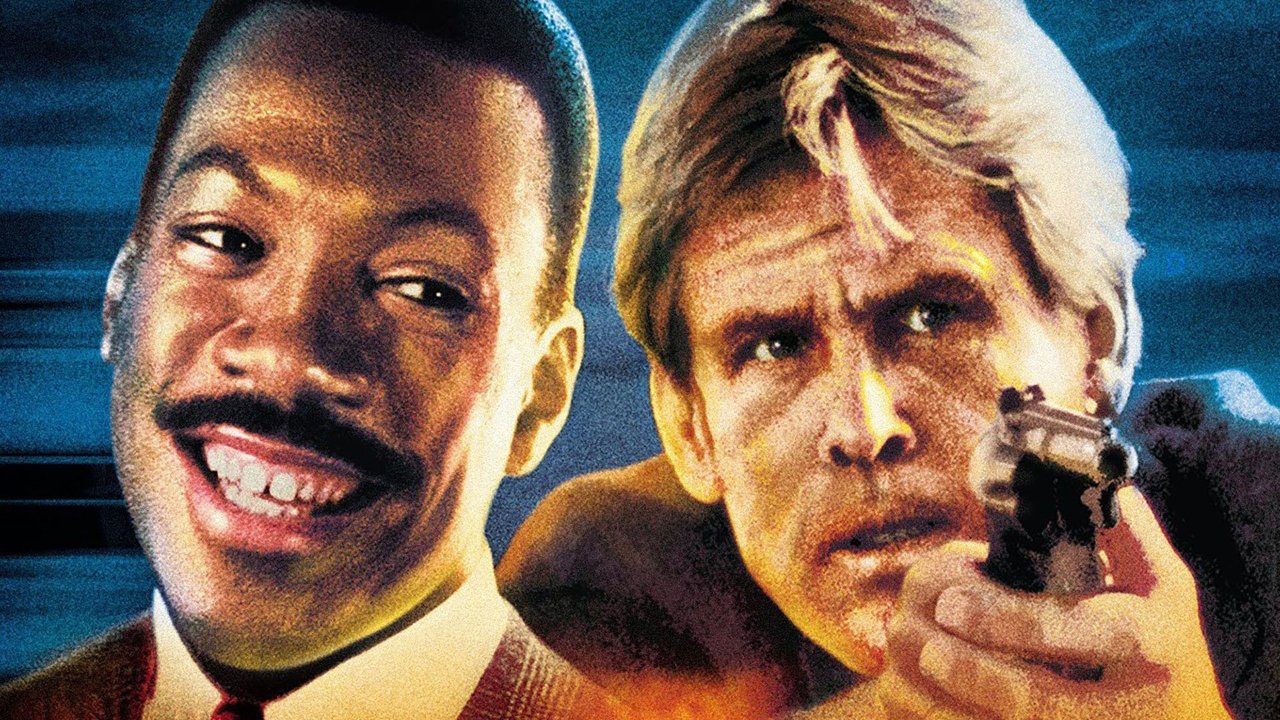
Another 48 Hrs.
"Same badge. Same con. More broken glass."
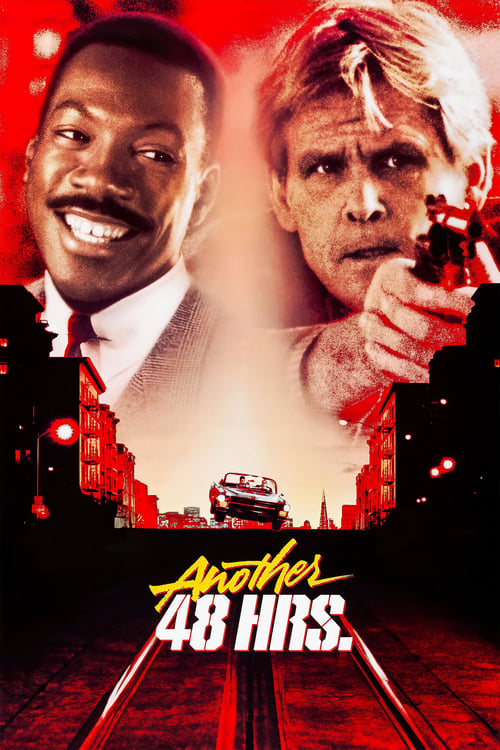
By 1990, the "buddy cop" formula wasn't just a trend; it was the law of the land. We had survived the neon-soaked excess of the 80s, and Hollywood was pivoting toward a sleeker, more expensive brand of carnage. Enter Another 48 Hrs., a sequel that arrived eight years after the original, landing in theaters like a cinderblock through a plate-glass window. It’s a fascinating artifact from that specific moment in cinema history where the grit of the 1970s "New Hollywood" was being polished into the high-gloss, high-testosterone blockbusters of the 1990s.
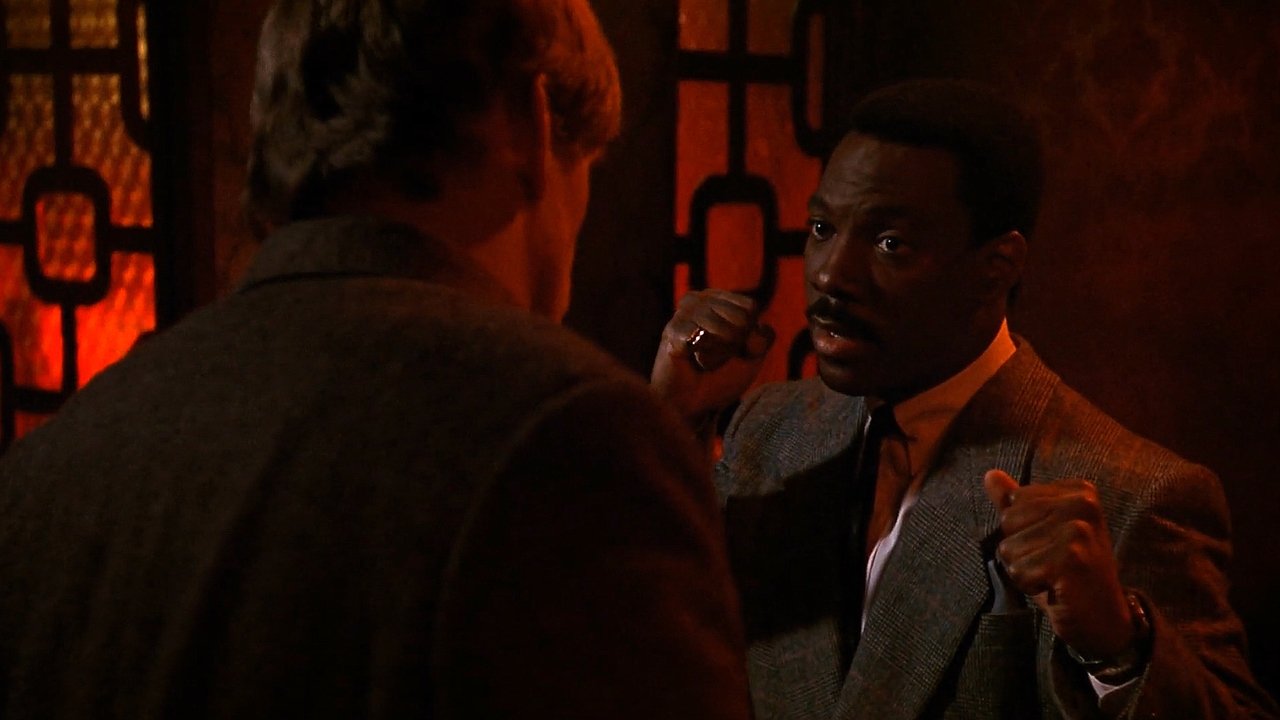
I watched this one on a rainy Tuesday afternoon while my radiator was making a sound like a dying walrus, which, incidentally, isn’t far off from the cadence of Nick Nolte’s voice. There’s something strangely comforting about watching a movie that refuses to overthink itself. It knows you’re here for two things: Eddie Murphy being charmingly arrogant and Nick Nolte looking like he’s been marinated in bourbon and sandpaper.
The 8-Year Itch and the Sequel Trap
Sequels in the early 90s were often accused of being "remakes with a bigger budget," and Another 48 Hrs. leanly leans into that critique. The plot is almost a carbon copy of the 1982 classic: Jack Cates (Nolte) is in professional hot water, Reggie Hammond (Murphy) is finishing a stint in the joint, and they have exactly two days to catch a shadowy villain—this time a drug kingpin named the "Ice Man."
Looking back, this film captures the transition from the practical, dirty streets of 80s San Francisco to the more stylized, almost comic-book violence that would define the decade. Director Walter Hill (The Warriors, Streets of Fire) doesn't bother with subtext. Instead, he focuses on his signature aesthetic: men in suits, heavy shadows, and an astronomical amount of shattering glass. Seriously, the film’s budget for sugar glass must have been higher than the GDP of a small nation.
Action Choreography and Practical Mayhem
The action here is a masterclass in pre-CGI stunt work. There is a bus crash early in the film that feels genuinely dangerous. You can see the weight of the vehicle as it flips; you can feel the impact. It’s a physical reality that modern, digital-heavy action often lacks. Walter Hill and cinematographer Matthew F. Leonetti frame the shootouts with a rhythmic intensity, punctuated by James Horner’s score, which swaps the orchestral grandeur he used for Aliens (1986) for a more urban, synth-heavy pulse.
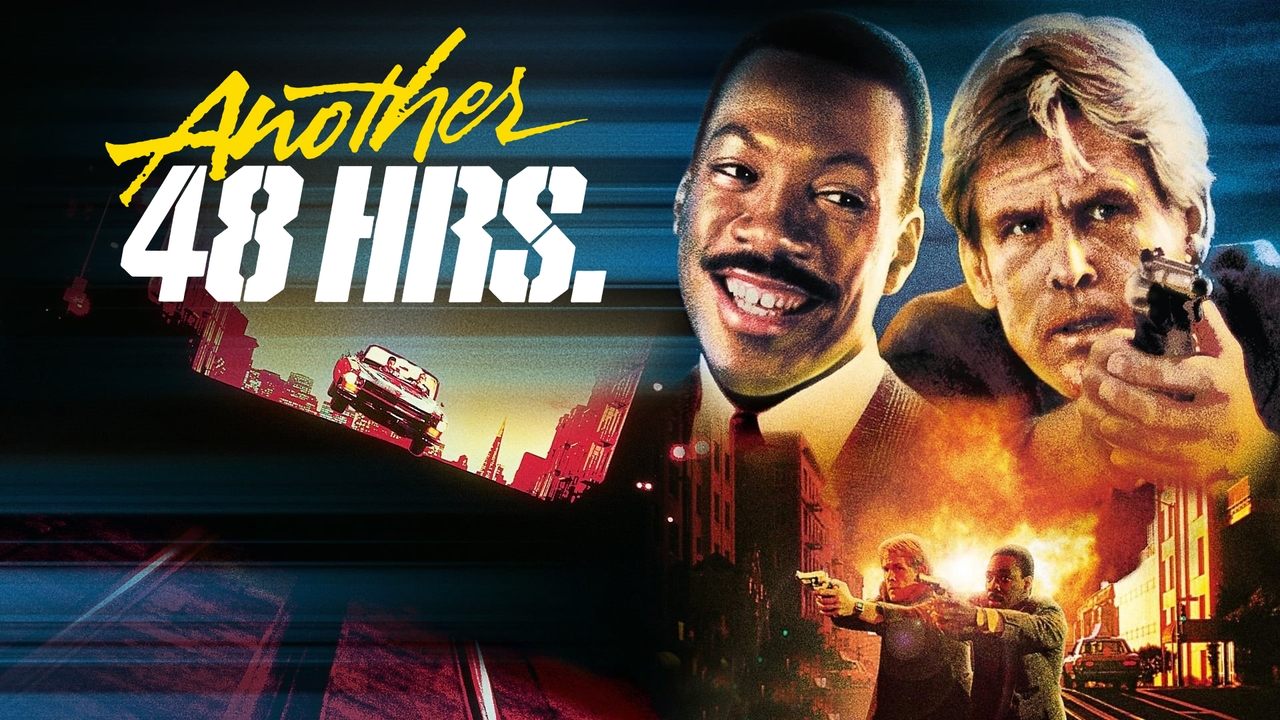
The bar-room brawl—a mandatory requirement for any Hill movie—is staged with a chaotic clarity. You always know where Jack and Reggie are in the mess, even as bodies fly through windows. It’s "meat and potatoes" filmmaking, but it’s cooked by a chef who knows exactly how to sear the steak. Eddie Murphy’s Reggie Hammond is notably cooler here, less of a fish-out-of-water and more of a man who knows his worth, which mirrors Murphy's own stratospheric rise to fame between 1982 and 1990.
The Lost Movie and Production Grit
Part of the charm (and the frustration) of Another 48 Hrs. lies in what we don't see. The film was famously cut down from a 120-minute director’s cut to a lean 95 minutes just weeks before its release. This explains why certain subplots, like the one involving Brion James’ character, feel a bit frayed at the edges. Despite this studio interference, the film was a massive commercial win, raking in over $150 million against a $38 million budget—a testament to the drawing power of the Murphy-Nolte duo.
Here are a few things you might not know about the production:
The film’s budget was nearly ten times that of the original 1982 film. Brion James, a cult favorite who also appeared in Blade Runner, complained that most of his character development was left on the cutting room floor during the frantic final edit. The "Blue Note" bar where a major shootout occurs was actually a massive set built at Paramount, designed to be completely destroyed. This was the first film produced under the "Eddie Murphy Productions" banner at Paramount, signaling his move into behind-the-scenes power.
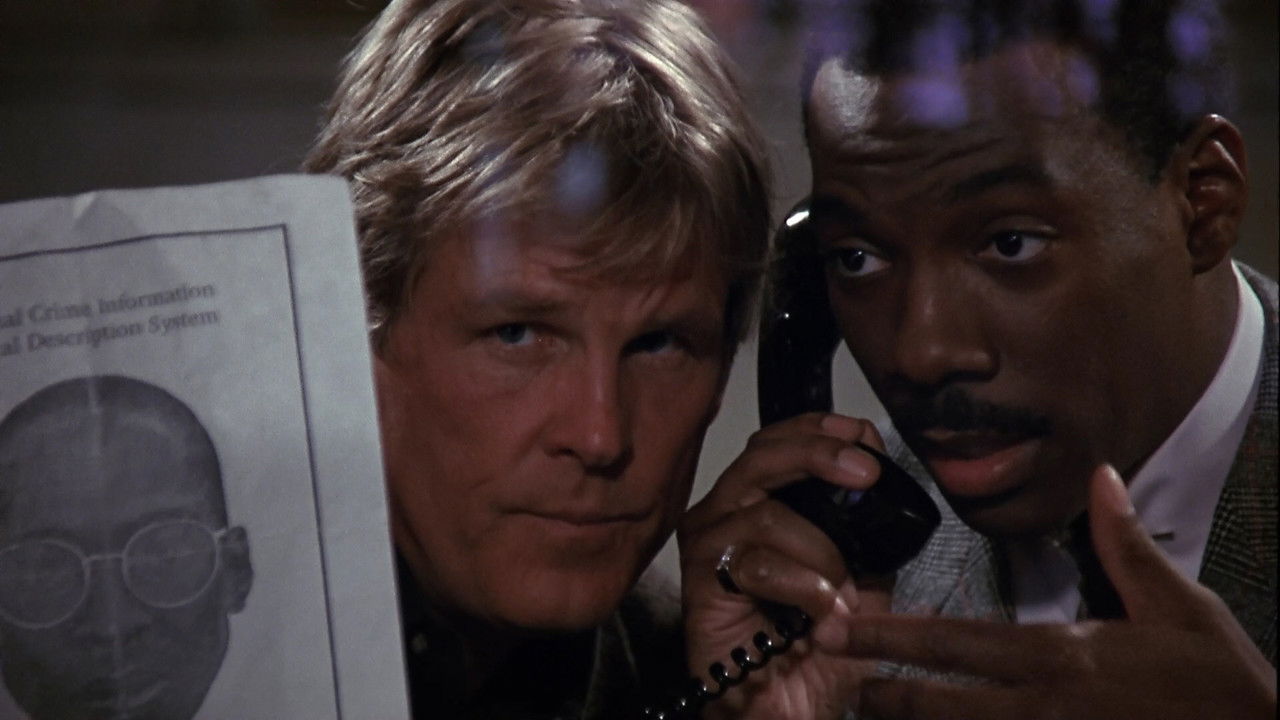
Why It Still Earns a Watch
Is it as good as the first one? No. It’s messier, meaner, and arguably less "important." But it serves as a perfect time capsule of the era. It reflects the burgeoning "Franchise Mentality" that would soon lead to the endless sequels of the 2000s, yet it retains a rugged, practical soul that feels extinct today. It’s basically a high-budget cover version of the first movie played at 1.5x speed, and honestly, sometimes that’s exactly what you need.
The chemistry between the leads is the glue. Murphy can do more with a smirk than most actors can with a five-minute monologue, and Nolte is the ultimate straight man, playing Jack Cates with a weary, soul-crushed gravity that anchors the movie’s more absurd moments. If you’re looking for a slice of 90s nostalgia that doesn't require a lore-map or a 10-film backstory, this is your ticket.
Ultimately, Another 48 Hrs. is a loud, glass-shattering reminder of why we loved these two together in the first place. It doesn't reinvent the wheel—it just puts a new set of rims on it and drives it through a wall. It’s the kind of cinema that’s best enjoyed with a cold drink and zero expectations, a relic of a time when the "The boys are back in town" wasn't just a tagline, but a promise of a fun, if slightly recycled, afternoon at the movies.

Keep Exploring...
-
48 Hrs.
1982
-
Lethal Weapon 3
1992
-
Bad Boys
1995
-

RED
2010
-
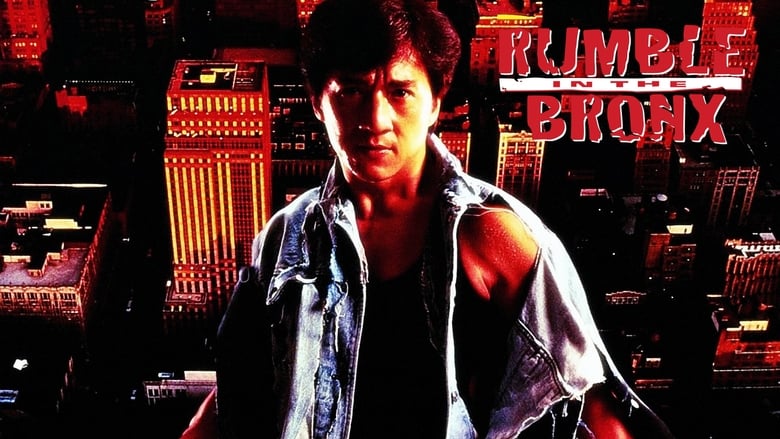
Rumble in the Bronx
1995
-
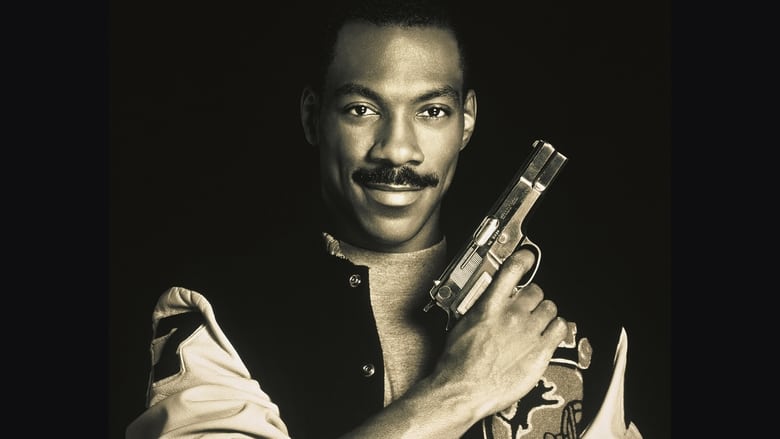
Beverly Hills Cop III
1994
-
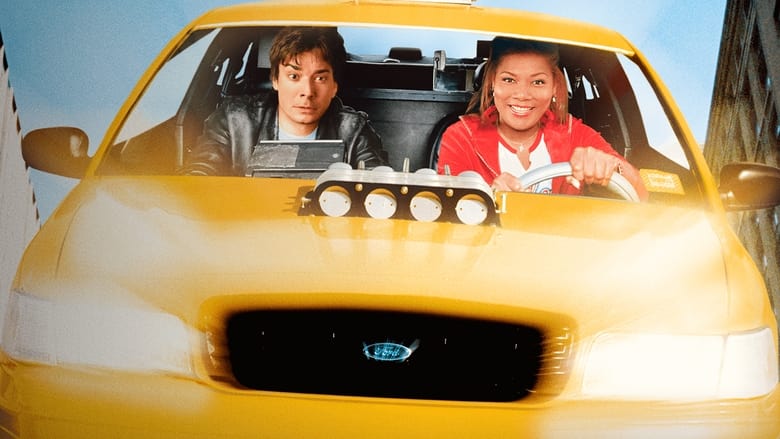
Taxi
2004
-
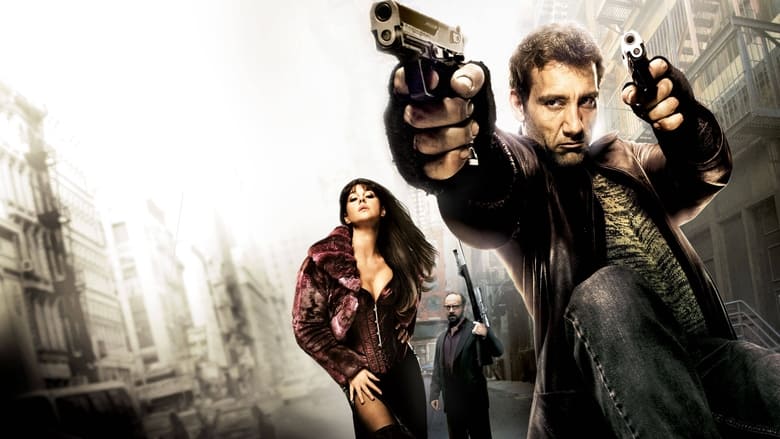
Shoot 'Em Up
2007
-
Stand Up Guys
2012
-
Lethal Weapon 4
1998
-
Smokin' Aces
2006
-
RED 2
2013
-
Beverly Hills Cop II
1987
-
Pineapple Express
2008
-

21 Jump Street
2012
-
The Heat
2013
-
Universal Soldier
1992
-
Bullet to the Head
2012
-
Rush Hour 2
2001
-
Mr. & Mrs. Smith
2005