Arachnophobia
"Check your shoes. Check your sheets."
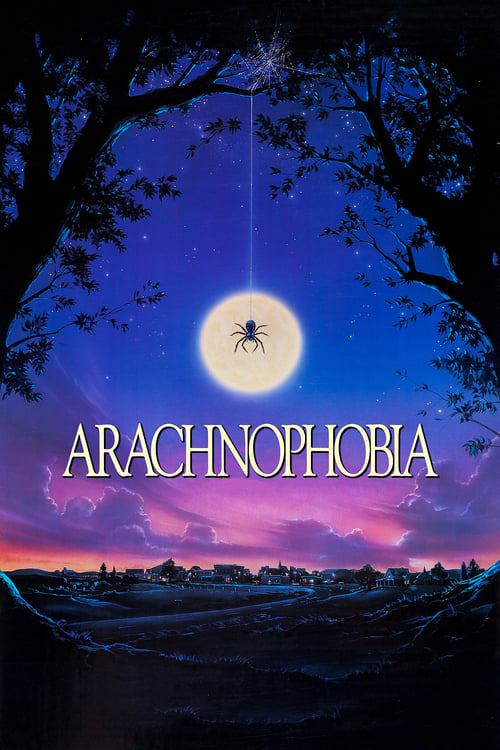
I once spent forty-five minutes poking a rolled-up newspaper into the corner of my ceiling because I saw a shadow move. If you’ve ever done the same, Arachnophobia isn't just a movie; it’s a personal attack. I recently revisited this 1990 creature feature on a DVD I found at a garage sale—it still had a "Property of Blockbuster" sticker peeling off the corner—while drinking a lukewarm ginger ale, and I realized we don’t talk nearly enough about how this film weaponizes the mundane.
The Amblin Touch in the 90s
Directed by Frank Marshall (his debut after years of producing for Spielberg), Arachnophobia arrived at the very dawn of the "Modern Cinema" era. It was actually the first release from Disney’s Hollywood Pictures, an attempt to make more adult-oriented fare, though it smells exactly like an Amblin production. You have the idyllic small town of Canaima, the misunderstood outsider, and a threat that creeps into the domestic sphere.
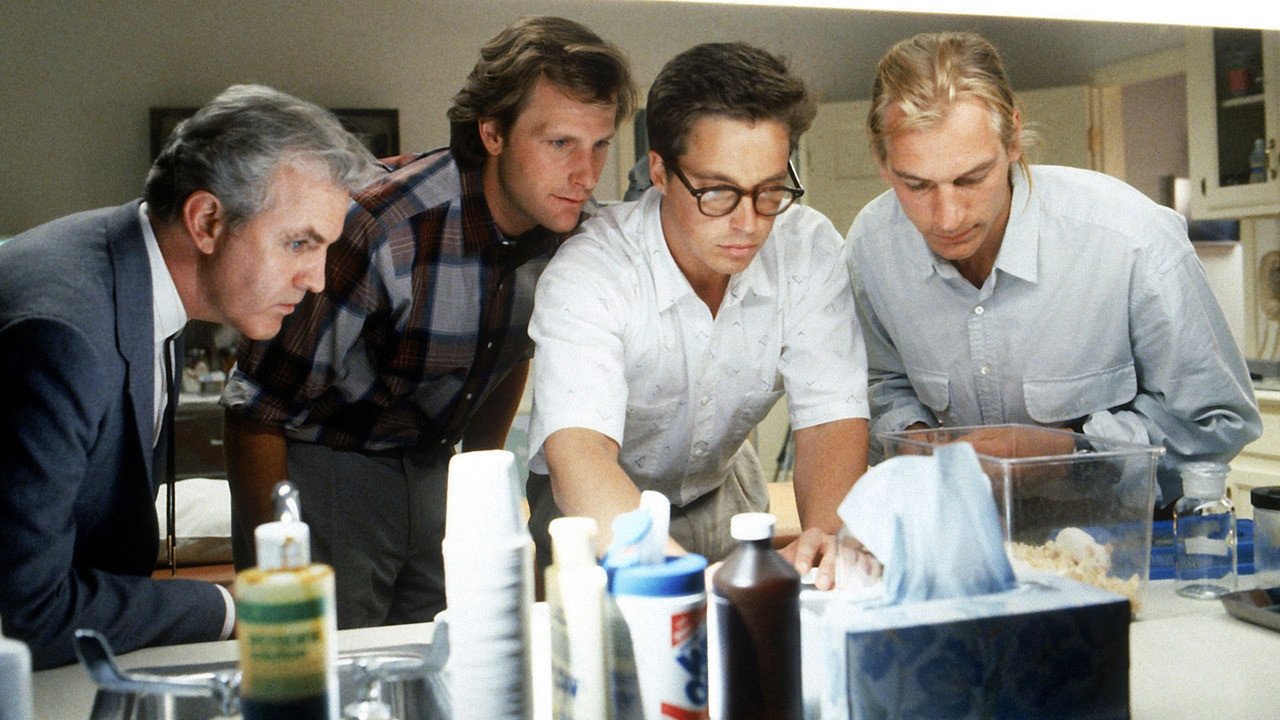
The story follows Ross Jennings, played with a delightful, jittery energy by Jeff Daniels (years before Dumb and Dumber or The Newsroom). Ross is a doctor who moves his family from the big city to the country to escape stress, only to find out he’s moved into a literal breeding ground for a prehistoric, hyper-aggressive spider hitchhiking in a coffin from Venezuela. The setup is classic, but what makes it work is the patience. This isn't a "monster" movie where the beast is thirty feet tall. The horror is that the monster is two inches wide and currently hiding in your slipper.
Real Legs, Real Screams
Looking back from our era of weightless CGI, Arachnophobia is a masterclass in the power of the tangible. In 1990, if you wanted three hundred spiders on screen, you mostly had to get three hundred spiders. They used Avondale spiders from New Zealand—large, hairy, but harmless to humans—and the actors were genuinely sharing space with them. I found out later that the crew used tiny magnets and vibrating wires to guide the spiders where they wanted them to go.
The lack of digital artifice makes every scene feel dangerously intimate. When a spider crawls toward Harley Jane Kozak in the shower, or when they descend from the ceiling during a dinner party, my skin didn't just crawl; it tried to leave my body. There is a specific clicking sound the spiders make—a creative choice by the sound team—that acts like a Pavlovian bell for anxiety. Apparently, the sound of a spider being squished was achieved by the Foley artists stepping on Manzanilla olives and potato chips. I haven't looked at a cocktail garnish the same way since.
The Delbert Factor
The film was marketed as a "thrillomedy," a term that never quite caught on, but perfectly describes the tonal tightrope the movie walks. For every moment of genuine dread, there’s a release valve of humor, mostly provided by John Goodman as Delbert McClintock, the local exterminator.
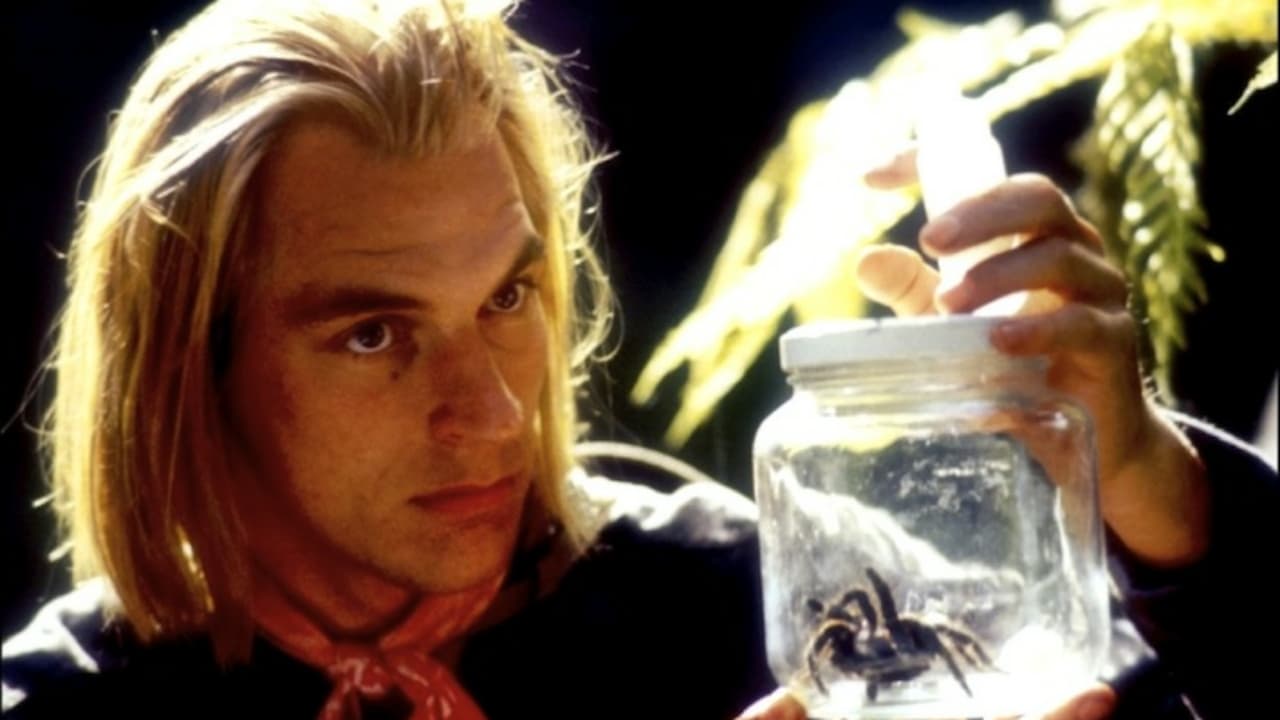
John Goodman’s Delbert is essentially a live-action cartoon character who wandered into a horror movie, and he’s the only reason I didn't turn the film off out of pure terror. He treats the spider invasion like a personal grudge match, bringing a level of blue-collar bravado that balances Jeff Daniels’ frantic neurosis. On the other side of the spectrum, you have Julian Sands as the cold, aristocratic entomologist Dr. Atherton. Julian Sands was always brilliant at playing men who were far too comfortable with things that have too many legs, and his presence adds a layer of "Nature is coming for us" gravitas that keeps the stakes high.

Why It’s the Perfect 5-Minute (or 109-Minute) Fix
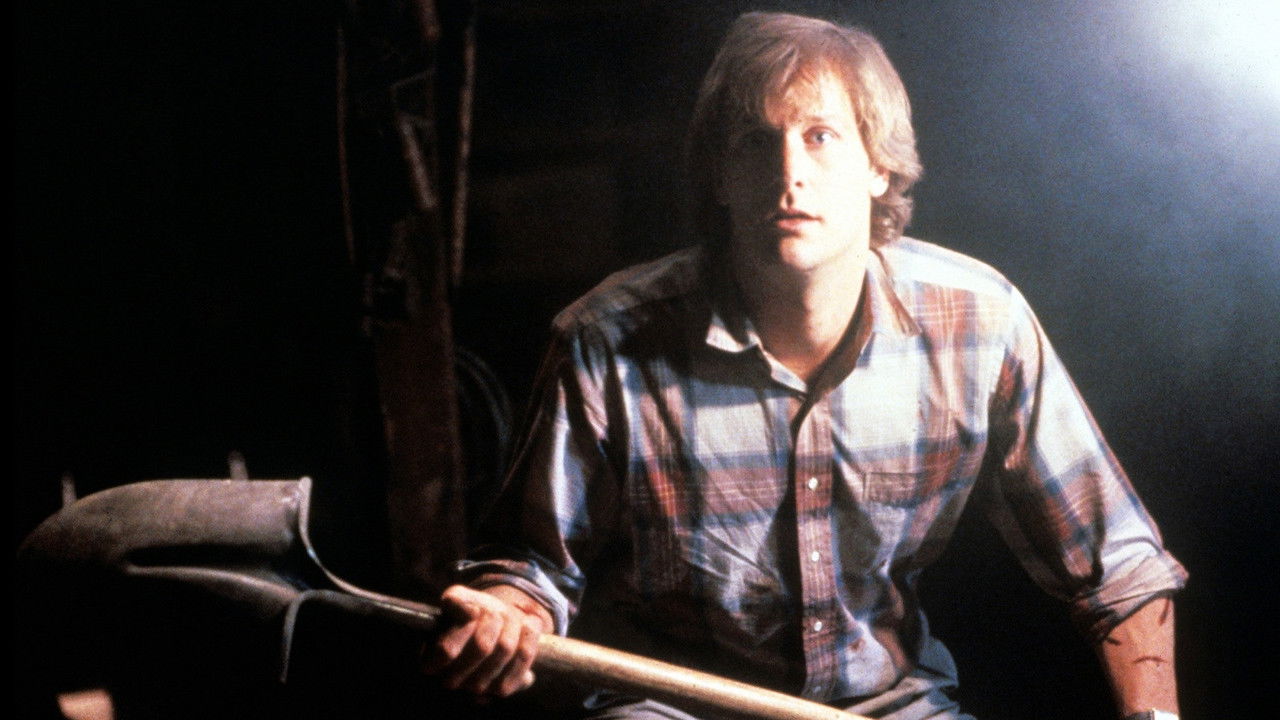
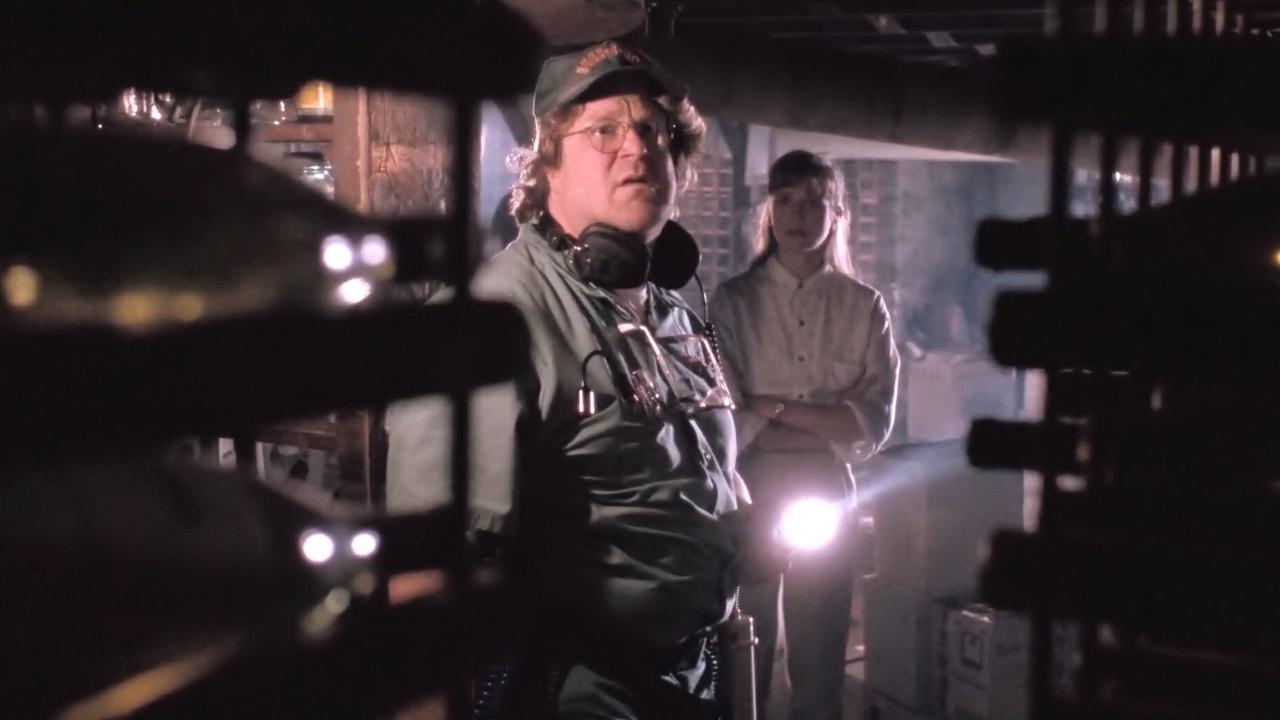
The finale is where Frank Marshall really shows his teeth. The showdown in the Jennings’ cellar is a masterpiece of spatial horror. It’s dark, cramped, and filled with wine racks that provide a million hiding places. The spider-fighting climax features Jeff Daniels doing a frantic floor-routine that would earn a bronze medal in Olympic panic, and it’s genuinely satisfying to see a protagonist who is legitimately terrified of the thing he’s fighting.
Arachnophobia is one of those films that fell into a bit of a memory hole because it’s not quite a "slasher" and not quite a "comedy," but it represents the peak of 1990s craft. It’s a movie that respects your phobias while inviting you to laugh at them. It’s a reminder that before we had the MCU and massive digital spectacles, we had high-concept B-movies with A-list budgets and real, hairy legs.
If you haven't seen this in a decade, it’s time to head back to Canaima. It’s a lean, mean, and surprisingly funny experience that does exactly what a horror-comedy should do: it makes you laugh, then it makes you check behind your ears. Just do yourself a favor and keep a rolled-up newspaper nearby. You know, just in case.
Keep Exploring...
-
Buffy the Vampire Slayer
1992
-
Alive
1993
-
The Frighteners
1996
-
Lake Placid
1999
-
Eight Legged Freaks
2002
-

Seed of Chucky
2004
-
Wolf
1994
-
Tremors
1990
-
Army of Darkness
1992
-
Dracula: Dead and Loving It
1995
-

In the Mouth of Madness
1995
-
Slither
2006
-
The Voices
2014
-
Vampires
1998
-
Gremlins 2: The New Batch
1990
-
Braindead
1992
-
Death Becomes Her
1992
-
Congo
1995
-
Housebound
2014
-
Child's Play 2
1990