Awakenings
"One summer to remember a lifetime."
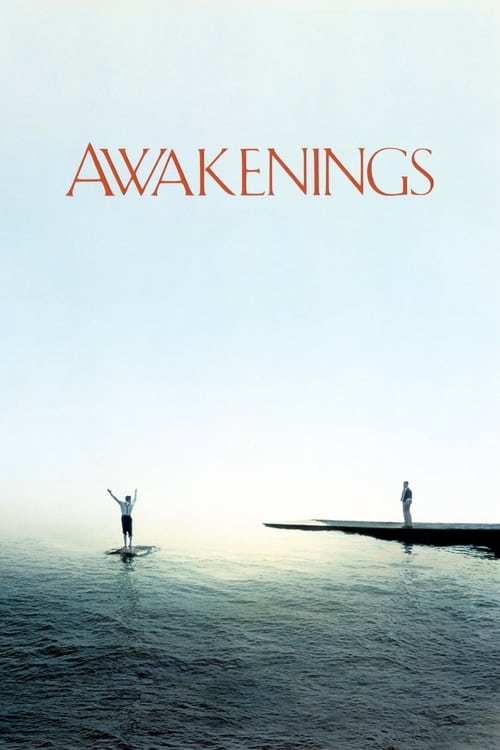
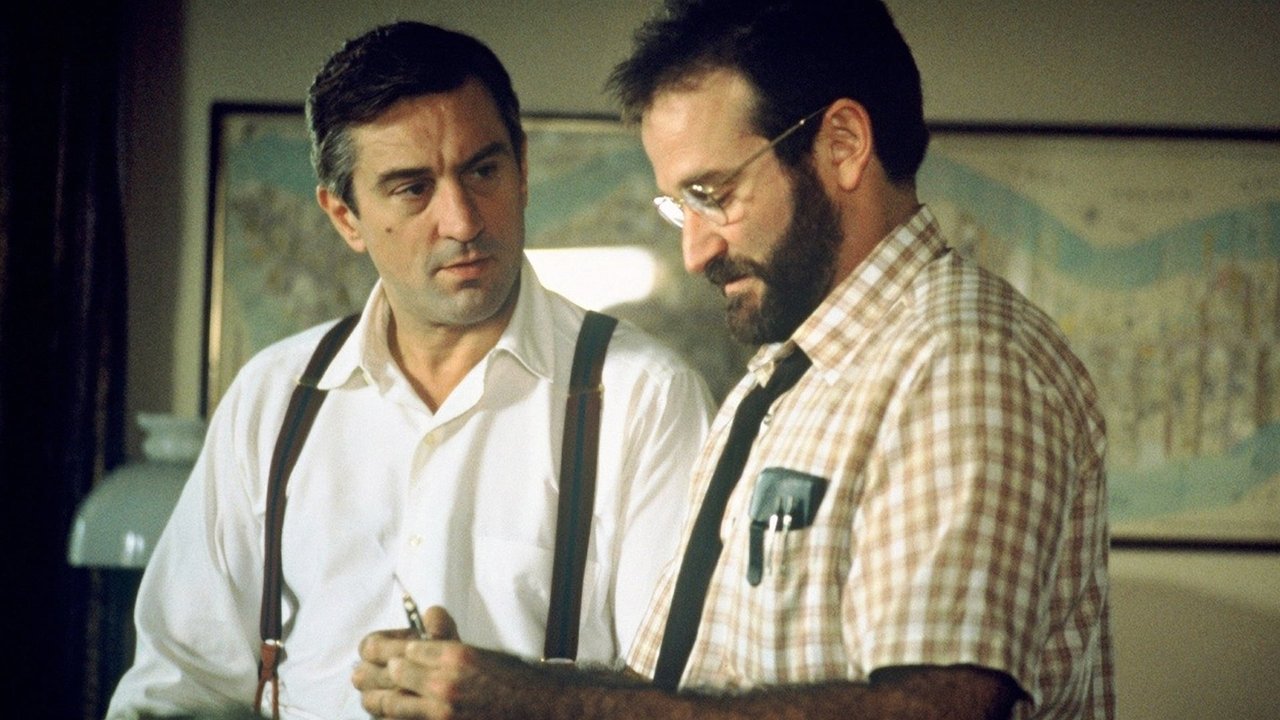
The first time I watched Awakenings, I was struck by a single, silent moment: Robin Williams dropping a pen. It’s a simple physics test for a room full of "statues"—patients frozen in time by a decades-old sleeping sickness—but the way Williams watches that pen hit the floor carries more weight than most action climaxes. I remember watching this on a grainy VHS in a basement that smelled faintly of damp laundry, and even through the tracking lines, the stillness of the film felt electric. It’s a movie that asks us to sit in the quiet, which is a bold ask for a 1990 blockbuster.
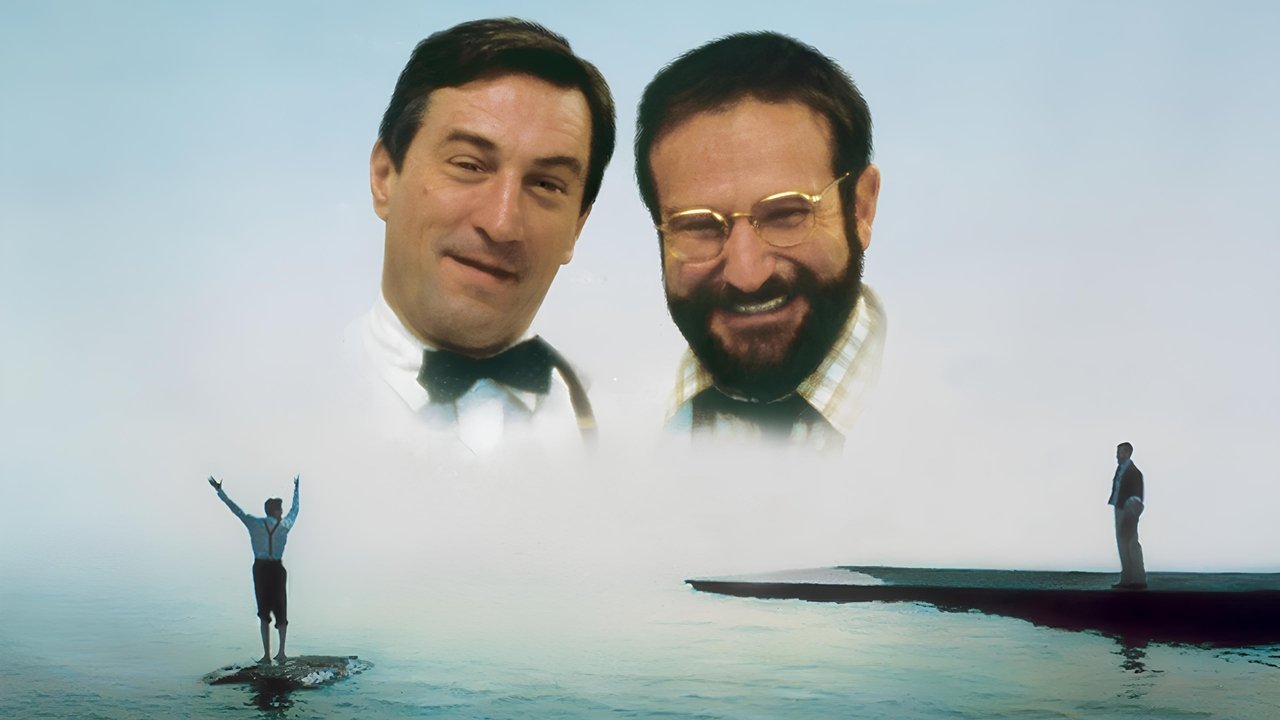
The Quiet Side of the Genie
We usually think of Robin Williams as a kinetic explosion—the man who could riff a thousand jokes a minute in Aladdin (1992). But here, under the direction of Penny Marshall (who had just come off the massive success of Big), Williams does something much harder: he disappears. As Dr. Malcolm Sayer, he is painfully shy, a man who prefers the company of earthworms to humans. It’s a performance of twitches, lowered eyes, and hesitant speech. Williams is actually at his most soulful when he isn’t trying to make us laugh, and his chemistry with the hospital staff, particularly Julie Kavner (whose voice will always trigger my Simpsons nostalgia), provides a grounded, human heartbeat to a story that could have easily drifted into clinical coldness.
The film serves as a fascinating bridge in cinema history. Released in 1990, it sits right on the edge of the "Modern" era—it has the prestige polish of an 80s Oscar contender but hints at the more psychologically complex dramas that would define the 90s. There’s no CGI here to show the brain’s chemical shifts; instead, we get Miroslav Ondříček’s cinematography, which uses light and shadow to mimic the "waking up" of a mind that has been dark for thirty years.
De Niro and the Art of the Tremor
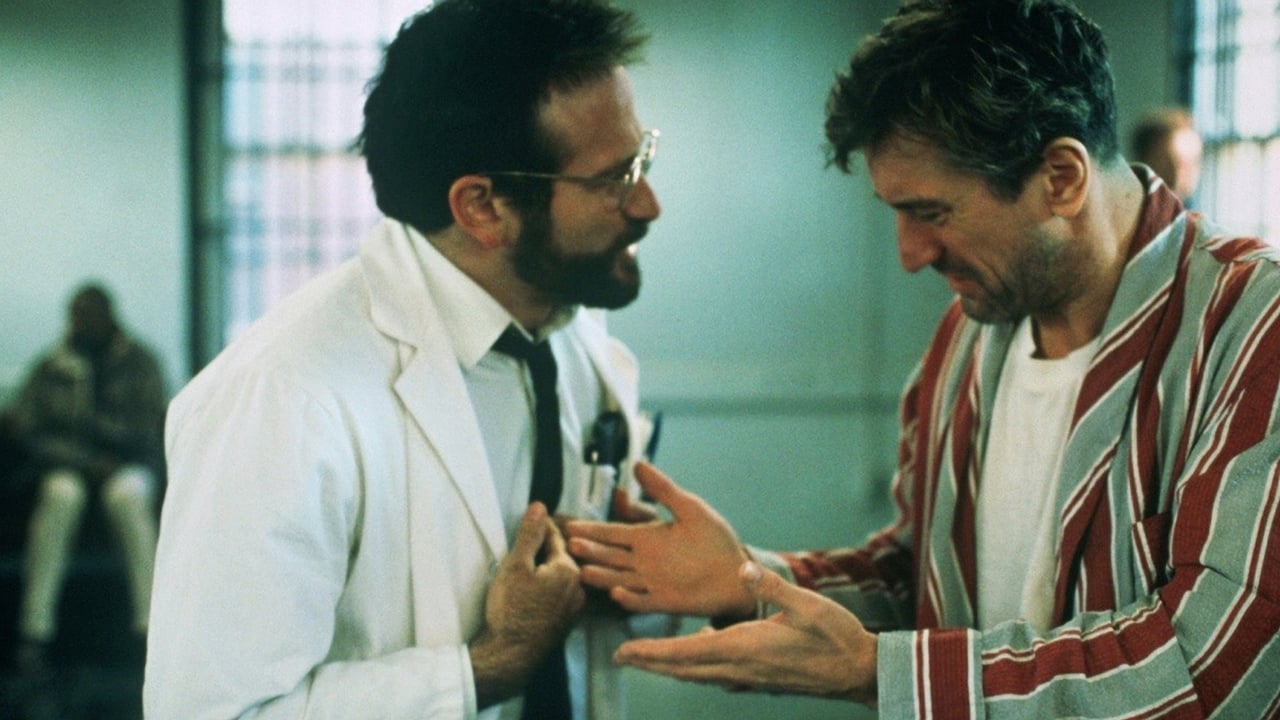
Then there is Leonard Lowe. Robert De Niro was coming off a decade of being the world’s most dangerous man in films like The Untouchables (1987), so watching him transition into a vulnerable, child-like soul trapped in a middle-aged body is jarring in the best way. His performance is a physical feat. To prepare, De Niro spent weeks shadowing real patients who had survived the encephalitis lethargica epidemic of the 1920s, obsessively filming their movements.
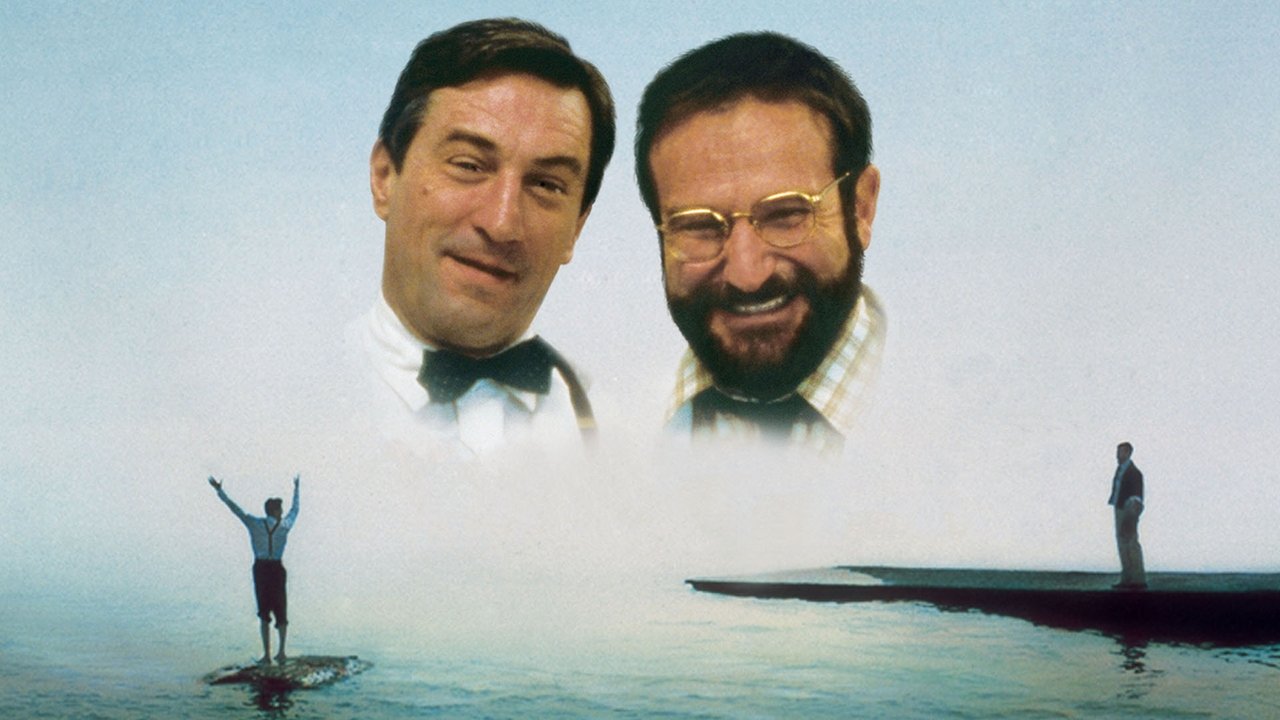
His "awakening" is pure cinematic joy—the scene where he first tastes a decaf coffee or walks through the night air is enough to make you want to go outside and hug a tree. But the brilliance of the performance lies in the second half. As the experimental drug L-Dopa begins to fail, Leonard’s body betrays him. The ticks and tremors return, and De Niro plays this decline with a terrifying lack of vanity. It’s one of the few times a "Method" performance feels like empathy rather than just showing off. He makes the loss of autonomy feel like a slow-motion car crash that you’re helpless to stop.
The Ethics of the Miracle
Because Awakenings is based on the memoirs of Dr. Oliver Sacks, it carries a cerebral weight that many "illness of the week" movies lack. It forces us to grapple with a messy philosophical question: Is it better to have lived for one vibrant, conscious summer only to be cast back into the dark, or is it kinder to have never woken up at all?
The film doesn’t offer easy answers. Steven Zaillian’s screenplay (who would later give us the stark brilliance of Schindler's List) treats the "miracle" drug as a double-edged sword. There’s a scene where the hospital board, led by a wonderfully bureaucratic John Heard, questions the cost of the treatment. It’s a reminder that even in 1990, the corporatization of medicine was starting to loom over humanistic care. The film suggests that the real "awakening" isn't just Leonard's—it's Sayer's realization that "life" isn't something to be studied in a lab, but something to be risked in the real world.
Stuff You Might Have Missed
The production was famously intense, largely because Penny Marshall demanded a level of authenticity that was rare for the time. She cast actual survivors of the encephalitis epidemic as extras in several scenes, which gives the hospital wards a haunting, lived-in quality that sets this apart from your standard Hollywood set.
Interestingly, the real Oliver Sacks was on set constantly as a consultant. He and Robin Williams became incredibly close; Sacks later said that watching Williams was like seeing a mirror of his own insecurities. Also, keep an eye out for a young Vin Diesel in an uncredited role as a hospital orderly—it’s a "blink and you'll miss it" moment that serves as a fun time capsule for where his career started before the fast cars and family took over.
Looking back from an era where dramas are often either ultra-gritty indies or sanitized streaming fare, Awakenings feels like a sturdy, beautifully made relic. It’s the kind of movie that earns its tears because it respects the tragedy of its characters. It reminds me that before we got lost in digital spectacle, we were obsessed with the spectacle of the human face. If you haven't seen it since the 90s, give it another look. It’s a film that appreciates the "unutterably sweet pleasures" of life, and frankly, in our current distracted age, we could all use a bit of that perspective. Just maybe don't eat a loud, crunchy bagel during the quiet parts like I did.
Keep Exploring...
-
A League of Their Own
1992
-
A Bronx Tale
1993
-

What's Eating Gilbert Grape
1993
-

Boogie Nights
1997
-
10 Things I Hate About You
1999
-
Girl, Interrupted
1999
-
Magnolia
1999
-
Men of Honor
2000
-

I Am Sam
2001
-
Coach Carter
2005
-

The Wrestler
2008
-

Moonrise Kingdom
2012
-
The Book Thief
2013
-
Whisper of the Heart
1995
-
GoodFellas
1990
-
Cape Fear
1991
-
A Few Good Men
1992
-
Malcolm X
1992
-
My Cousin Vinny
1992
-
Scent of a Woman
1992