Bird on a Wire
"Mullets, Minivans, and Murderous Mayhem."
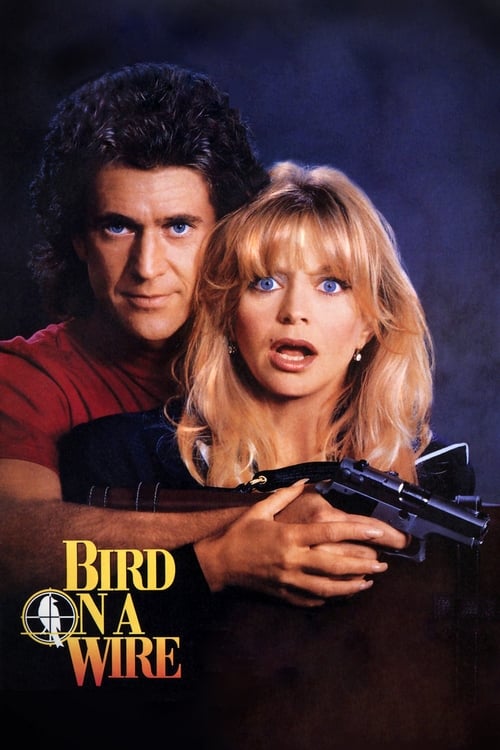
In the summer of 1990, the American public wasn't necessarily asking for nuanced deconstructions of the human condition; they were asking for Mel Gibson to show off his backside and for things to go "boom" in the general vicinity of a waterfall. Bird on a Wire is the absolute zenith of the "high-concept star vehicle" era, a time when you didn't need a multiverse or a superhero cape to dominate the box office. You just needed two actors with blindingly white teeth and a script that forced them to run away from David Carradine.
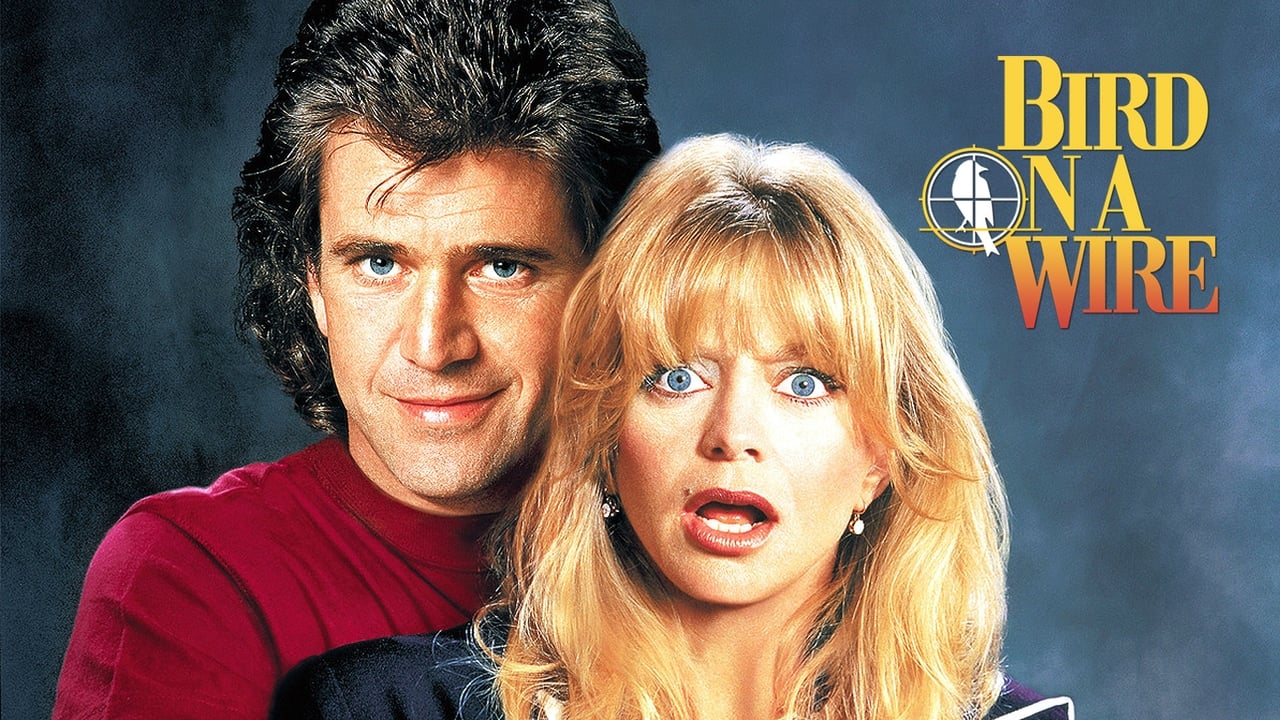
I watched this recently while trying to peel a particularly stubborn clementine, and I realized that the film has roughly the same nutritional value as that fruit—sweet, slightly messy, and entirely refreshing if you don't overthink the process. It’s a movie that knows exactly what it is: a glossy, expensive chase film that serves as a 110-minute showcase for the chemistry between two of the era's biggest magnets.
The Mullet and the Muse
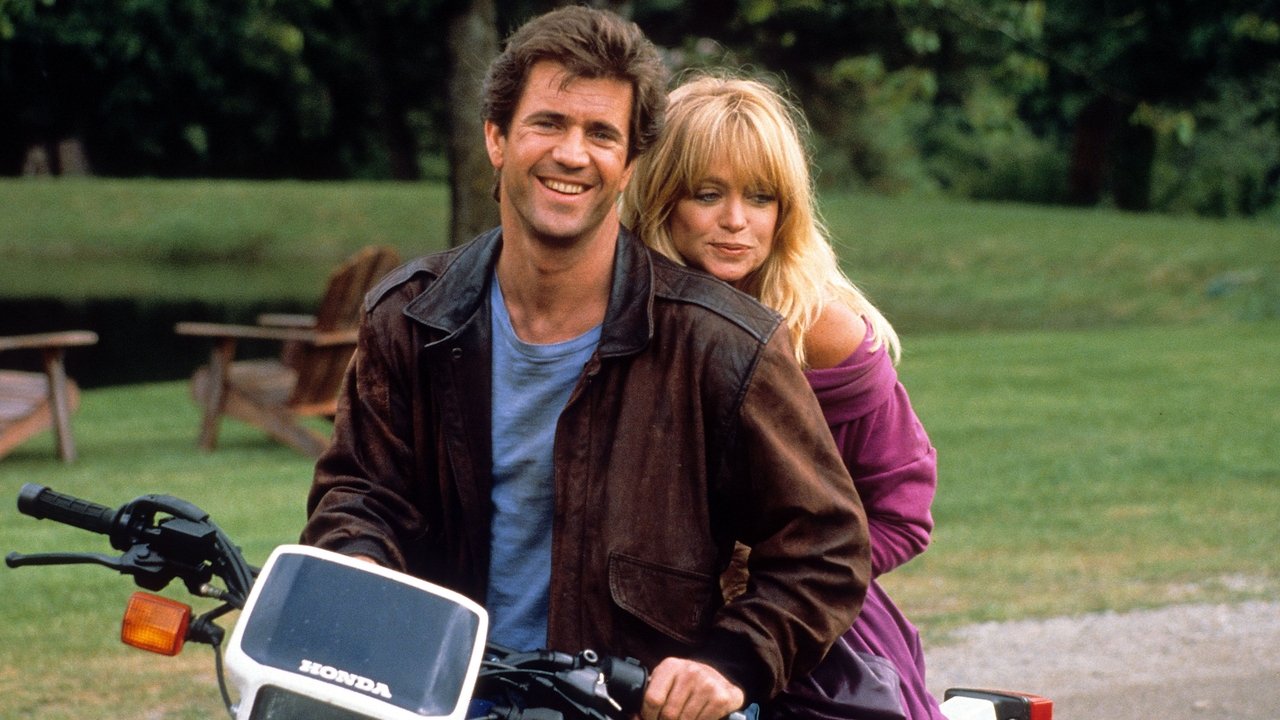
The plot is effectively a clothesline for the set pieces. Rick Jarmin (Mel Gibson) is a man in the Witness Protection Program who has been living a quiet life as a gas station mechanic for fifteen years. His cover is blown when his old flame, the high-powered lawyer Marianne Graves (Goldie Hawn), recognizes him during a business trip. Naturally, this happens just as the corrupt FBI agents and the drug runners Rick helped put away—led by a delightfully lizard-like David Carradine—come looking for revenge.
What makes this work isn't the "informant on the run" trope, which was already well-worn by 1990. It’s the interplay. Mel Gibson was at the peak of his "crazy-brave" phase here, leaning into the manic energy he perfected in Lethal Weapon but softening it with a romantic leading-man charm. Opposite him, Goldie Hawn is doing her signature "posh girl in peril" routine. While some modern viewers might find her constant screaming a bit much, I’ve always felt that Goldie Hawn’s scream is the most underrated instrument in cinema history. She plays the exasperated city dweller with such infectious energy that you almost forget her character has no logical reason to stay with this guy once the bullets start flying.
Practical Magic and Zoo Chaos
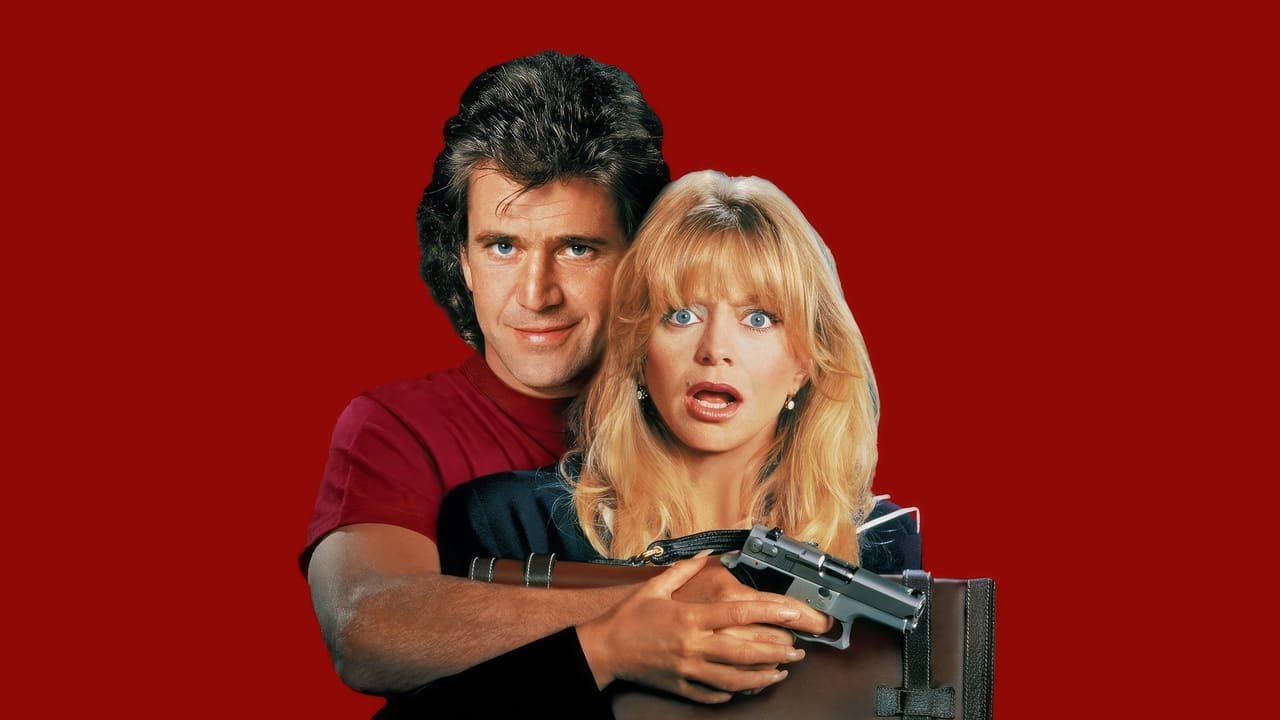
Directed by John Badham, the man responsible for the slick pacing of WarGames and the dance floor tension of Saturday Night Fever, the film moves with a relentless velocity. This was a transitional moment for action cinema; we are post-80s grit but pre-CGI dominance. Everything you see on screen is a physical reality. When a motorcycle jumps through a window or a plane buzzes a farmhouse, there’s a weight to it that modern digital effects struggle to replicate.
The film culminates in an extended climax set inside a massive, elaborate zoo exhibit. It’s essentially Home Alone but with more lions and fewer paint cans. It’s a masterclass in using your environment for action comedy. David Carradine and Bill Duke (who is always a welcome, intimidating presence) stalk our heroes through artificial rainforests and over crocodile pits. It’s absurd, yes, but it’s staged with such professional craft that it’s impossible not to be swept up in it. David Carradine looks like he walked onto the set straight from a three-day bender in a desert casino, and that weathered, menacing energy provides the perfect foil to the shiny, bouncy leads.
A Box Office Behemoth
Looking back, it’s easy to dismiss Bird on a Wire as a "guilty pleasure," but the numbers tell a different story. This was a massive hit, raking in over $138 million on a $20 million budget. In 1990, that was the equivalent of a modern billion-dollar blockbuster. It captured a specific cultural moment where audiences wanted the thrill of an action movie but the safety of a romantic comedy.
The production was a true "A-list" affair. You have a score by Hans Zimmer, though it’s far removed from the brooding, percussion-heavy wall of sound he’d later become known for with The Dark Knight. Here, he’s in his "bouncy 90s action" mode, using synthesizers to punctuate the jokes as much as the chases. Even the supporting cast is stacked; keep an eye out for a young Stephen Tobolowsky (Ned Ryerson himself!) as a shifty official.
This movie is the cinematic equivalent of a very expensive, very loud Hawaiian shirt. It shouldn't work as well as it does, and it’s definitely a product of its time, but it wears its excesses with such confidence that you can’t help but enjoy the ride. It represents a Hollywood that was confident enough to put all its chips on star power and practical stunts, a gamble that paid off handsomely.
If you're looking for a deep dive into the psyche of a man living a lie, look elsewhere. But if you want to see Mel Gibson and Goldie Hawn bicker while hanging off a bridge, Bird on a Wire is top-tier entertainment. It’s a glossy, loud, and unashamedly fun relic of the early 90s that proves some formulas became "classic" for a reason. Grab some popcorn, ignore the lapses in logic, and enjoy the chemistry.
Keep Exploring...
-
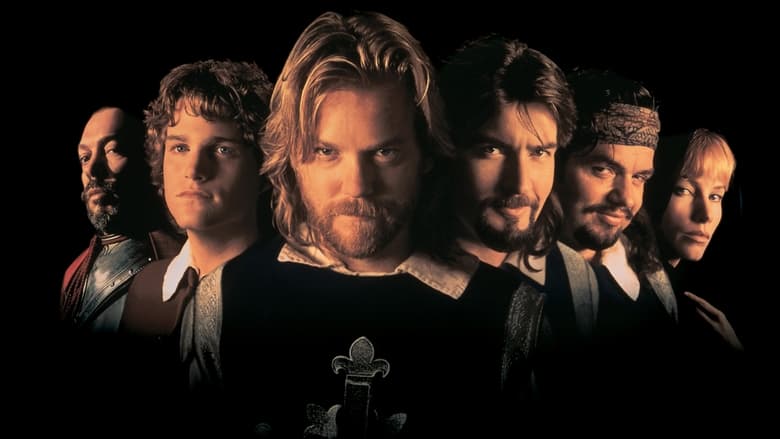
The Three Musketeers
1993
-
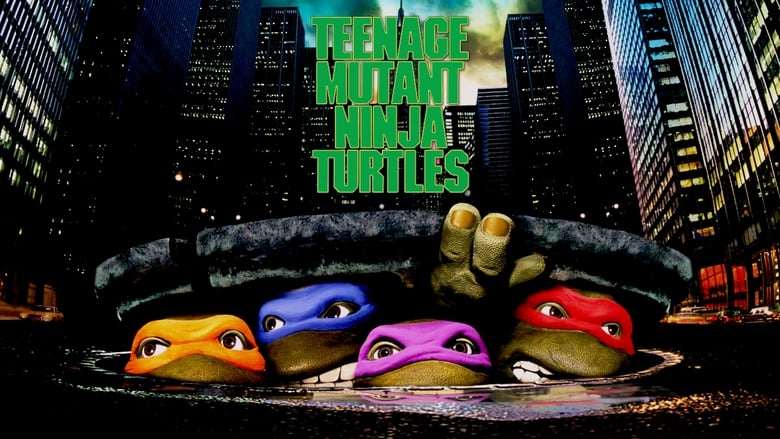
Teenage Mutant Ninja Turtles
1990
-
Maverick
1994
-
Lethal Weapon 3
1992
-
Lethal Weapon 2
1989
-
Spy Kids
2001
-
Spy Kids 2: The Island of Lost Dreams
2002
-

The Bounty Hunter
2010
-
Lethal Weapon 4
1998
-
Teenage Mutant Ninja Turtles II: The Secret of the Ooze
1991
-
A Goofy Movie
1995
-

George of the Jungle
1997
-
Men in Black
1997
-
Johnny English
2003
-

Night at the Museum
2006
-

Wild Hogs
2007
-

RED
2010
-

Puss in Boots
2011
-
Teenage Mutant Ninja Turtles
2014
-
The Jewel of the Nile
1985