Child's Play 2
"He’s back, he’s plastic, and he’s your new best friend."
There is something deeply satisfying about the way horror movies in 1990 handled corporate stupidity. We’ve all seen the trope: a company tries to fix a PR nightmare by doubling down on the very thing that caused the nightmare in the first place. In Child's Play 2, the Play Pals Corporation decides that the best way to prove the "Good Guy" dolls aren't possessed by the soul of a serial killer is to... reconstruct the exact doll that did the killing. I watched this again recently on a Tuesday night while trying to figure out how to assemble a flat-pack bookshelf, and I swear, following Chucky’s logic is easier than deciphering IKEA instructions.

This sequel hits that perfect sweet spot of early 90s cinema. It’s polished enough to look professional, but it’s still rooted in the glorious, messy world of practical effects before the CGI revolution of the mid-90s turned everything into smooth digital mush.
The Peak of Puppet Power
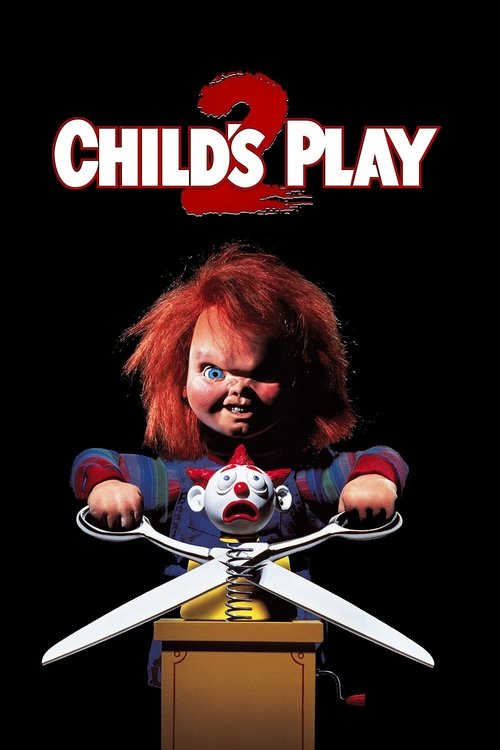
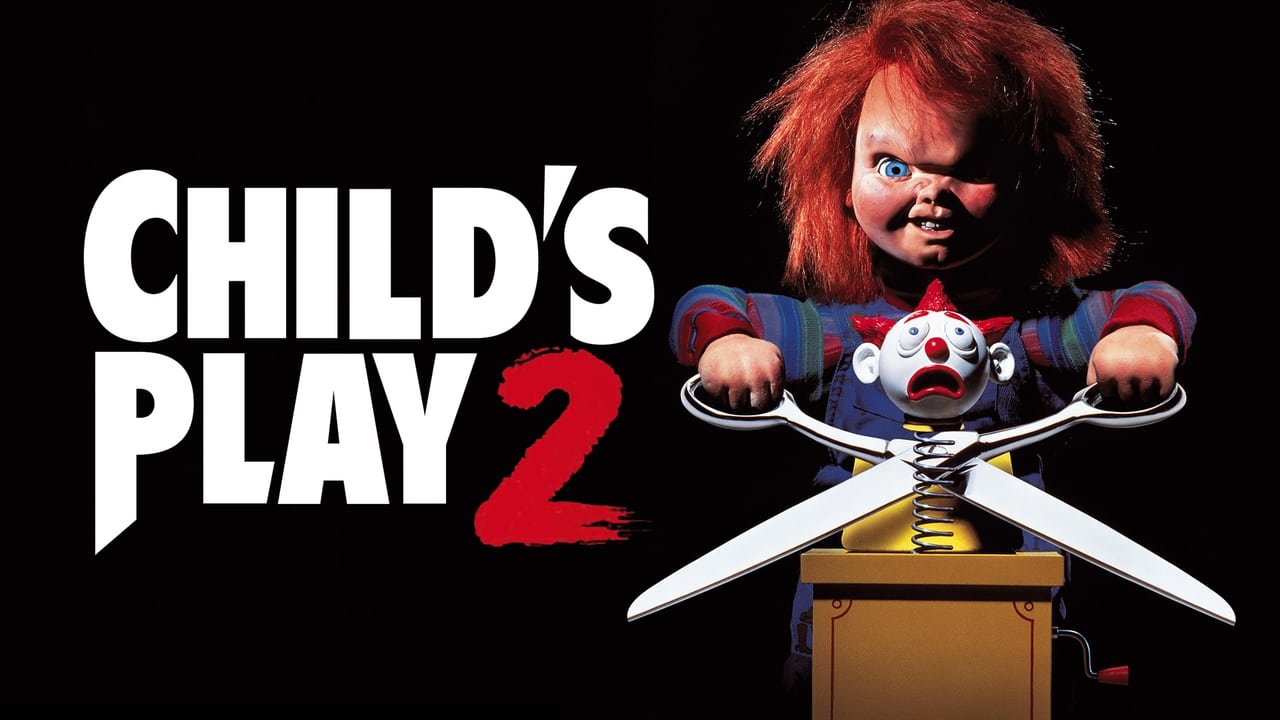
If you grew up in the era of VHS rentals, you know that the cover art for Child's Play 2—Chucky with the giant scissors about to snip the neck of a jack-in-the-box—was legendary. It promised a meaner, faster, and more vocal version of our favorite ginger-haired menace. Director John Lafia (who co-wrote the first film) understands that we aren't here for the mystery anymore. We know it’s Chucky. We know he’s voiced by the incomparable Brad Dourif. So, the movie gets right to the point.
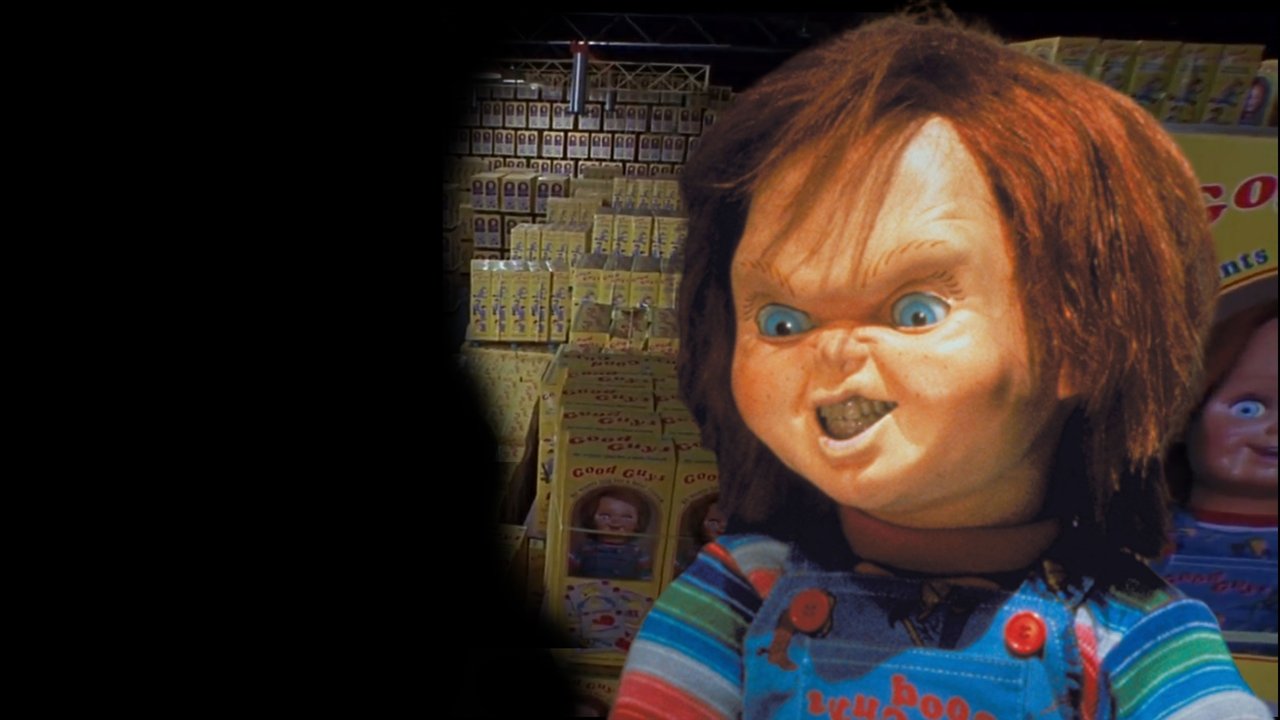
The animatronics here are a massive step up from the 1988 original. Kevin Yagher and his team created a puppet that is genuinely expressive; you can see the malice in the way his brow furrows and the lip curls. There’s a scene where Chucky replaces a "Tommy" doll in a foster home, and the subtle shifts in his plastic expression are more chilling than any jump scare. Looking back from 2024, it’s a reminder of what we lost when horror moved toward digital monsters—there’s a tactile, physical weight to Chucky that makes the threat feel "real," even when the premise is patently ridiculous.
Foster Care and Slasher Rules
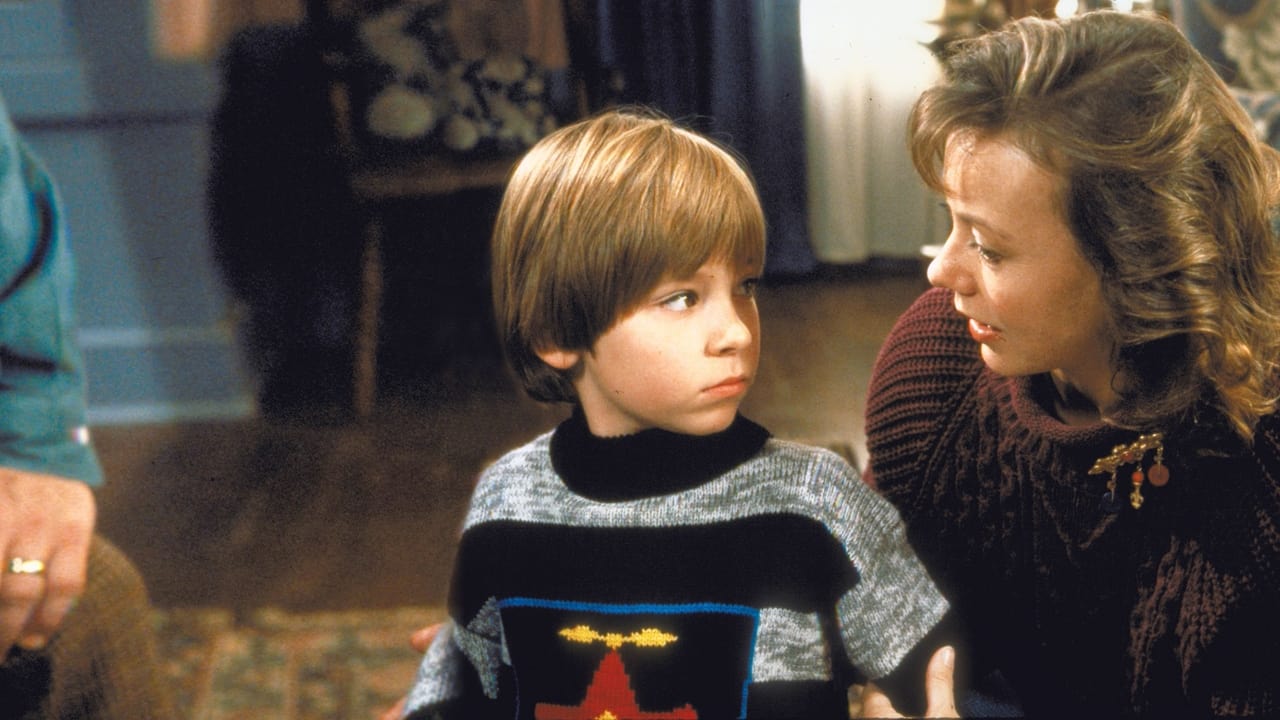
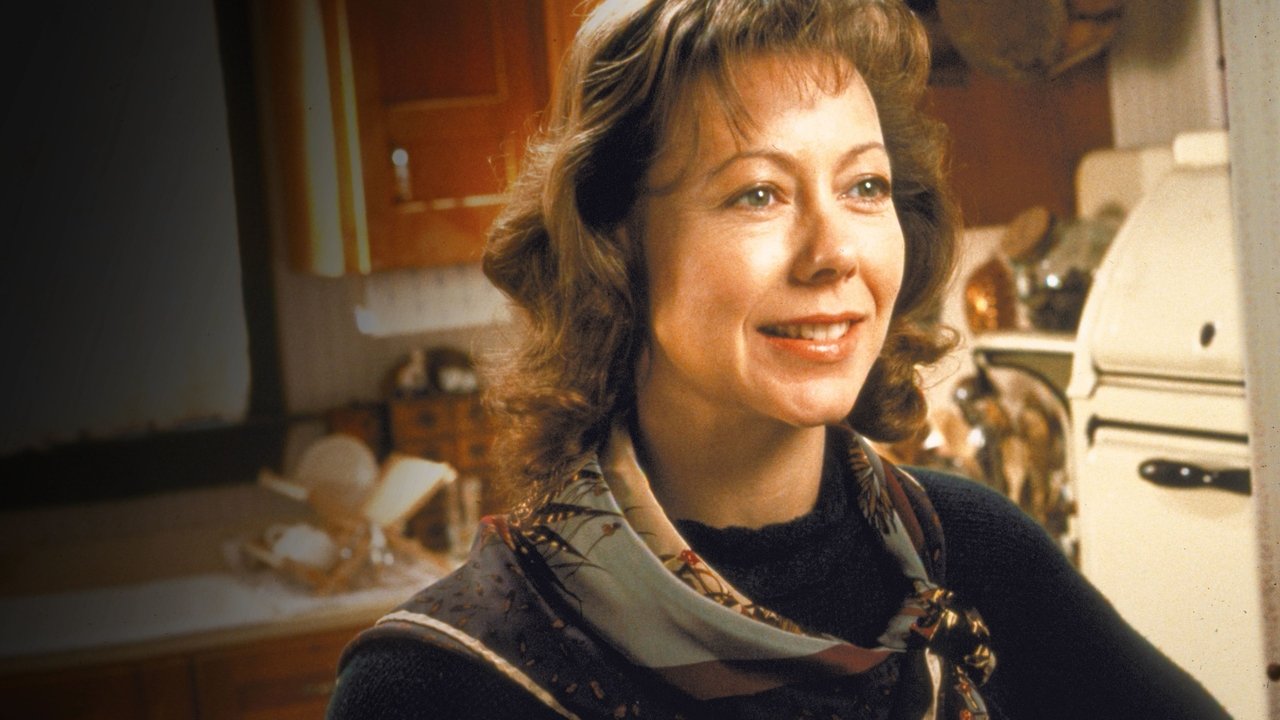
The plot finds young Andy Barclay, played again by Alex Vincent, moved into a foster home because his mother has been institutionalized (a grim but realistic consequence of telling the police a doll tried to kill you). The foster parents, played by Jenny Agutter and Gerrit Graham, are essentially there to be obstacles for Andy and fodder for Chucky. Gerrit Graham’s Phil Simpson is arguably the most punchable "concerned parent" in 90s horror history, and his eventual basement demise remains one of the most cheered-for moments in the franchise.
The real heart of the movie, though, is Christine Elise as Kyle, the rebellious teenage foster sister. She brings a much-needed "cool older sibling" energy to the film. She doesn't treat Andy like he's crazy; she treats him like a kid who's been through the ringer. Their bond gives the movie an emotional anchor that many slashers of this era lacked. When the third act kicks in and moves the action to the Play Pals toy factory, it’s Kyle who steps up to the "final girl" plate with a chain-smoking, leather-jacket-wearing grit that I absolutely adore.
The Factory of Nightmares
Speaking of that finale—good grief, it’s a masterpiece of production design. The toy factory is a labyrinth of primary colors, conveyor belts, and vats of molten yellow plastic. It’s the ultimate "Good Guy" graveyard. Graeme Revell provides a score that leans into the twisted nursery rhyme vibe, making the sound of a mechanical assembly line feel like a heartbeat.
It’s also where the movie gets its most creative with the gore. This was the era where franchises were trying to outdo each other, and while Child's Play 2 isn't as mean-spirited as a Hellraiser sequel, it has a certain "sticky" creativity. The way Chucky meets his end here involves a literal expansion of his character that is both gross and hilarious. It’s a far cry from the post-9/11 "torture porn" era that would come later; this is horror as a fun, dark carnival ride.
Apparently, the production was a bit of a scramble. Universal Pictures actually bought the rights from United Artists after UA’s owner decided he didn't want to make "disturbing" movies anymore. Their loss was our gain. Interestingly, the scene where the technician is killed by the machinery in the opening was actually filmed on the very last day of production because they felt the movie needed one more early shock.
Child's Play 2 is the quintessential "sleepover movie." It’s short, punchy, and moves with a relentless pace that modern horror directors should study. It manages to balance the absurdity of a two-foot-tall killer with genuine tension, largely because everyone involved—from the actors to the puppeteers—takes the threat seriously. It’s a colorful, plastic, and occasionally foul-mouthed relic of a time when sequels knew exactly what the audience wanted: more of the same, but louder and faster.
In the grand ranking of the Child’s Play collection, this one arguably sits at the top for purists. It doesn’t have the gritty Chicago atmosphere of the first one, nor the meta-humor of Bride of Chucky, but it is the purest distillation of Chucky as a slasher icon. If you haven't revisited it since the days of Blockbuster, give it a spin; it’s one of the few 90s sequels that actually earns its "Sorry Jack... Chucky's back!" tagline.
Keep Exploring...
-
Child's Play 3
1991
-

Curse of Chucky
2013
-
Cult of Chucky
2017
-

Seed of Chucky
2004
-
Child's Play
1988
-

Bride of Chucky
1998
-
Candyman
1992
-
The Good Son
1993
-

Village of the Damned
1995
-
Inland Empire
2006
-
Quarantine
2008
-
Halloween H20: 20 Years Later
1998
-
Lake Placid
1999
-
Stigmata
1999
-

Stir of Echoes
1999
-

The Gift
2000
-
Eight Legged Freaks
2002
-
The Hitcher
2007
-

Vacancy
2007
-
Untraceable
2008