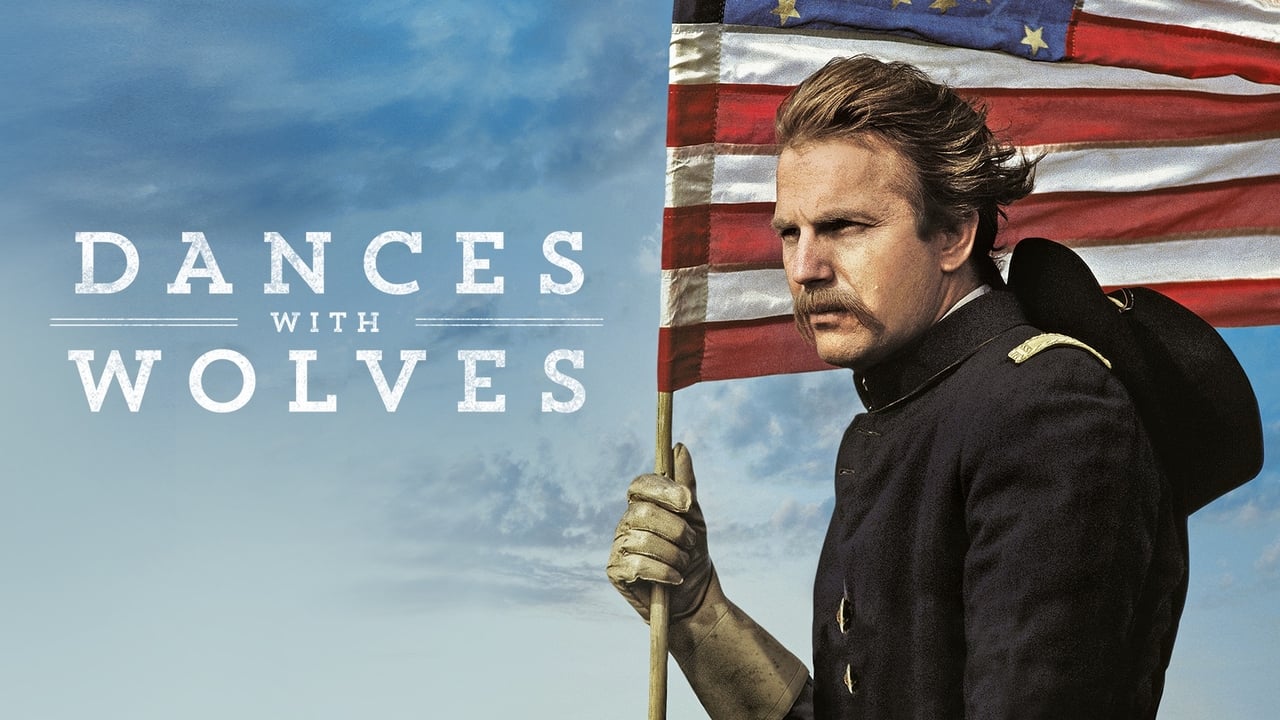
Dances with Wolves
"The frontier isn't a place, it's a soul."
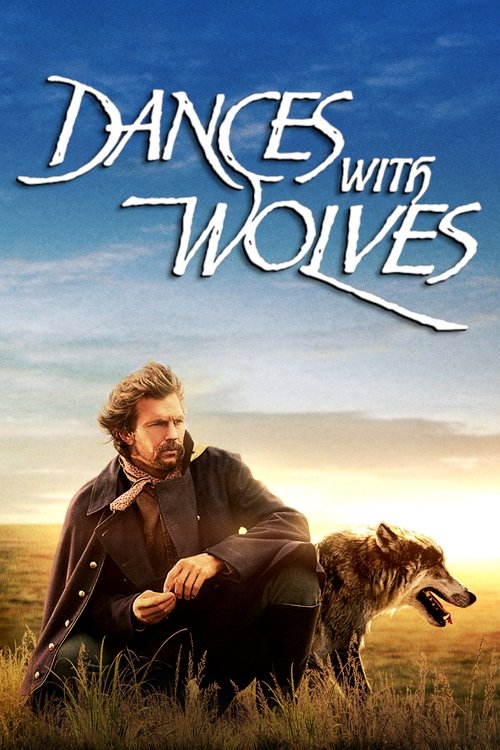
Lieutenant John Dunbar’s suicide attempt is the most successful failure in cinematic history. He rides his horse, arms outstretched, across a Civil War battlefield expecting a bullet, but instead, he receives a medal and the pick of any post in the army. He chooses the edge of the world—the American frontier. When I first saw this as a kid on a double-VHS set that looked like two heavy bricks, I didn't realize I was watching the last gasp of the "Prestige Western" before the genre crawled into the shadows for a decade. Reassessing it now, decades after Kevin Costner (who also directed The Postman) risked his entire reputation on a three-hour epic, the film feels less like a dusty history lesson and more like a quiet, internal revolution.
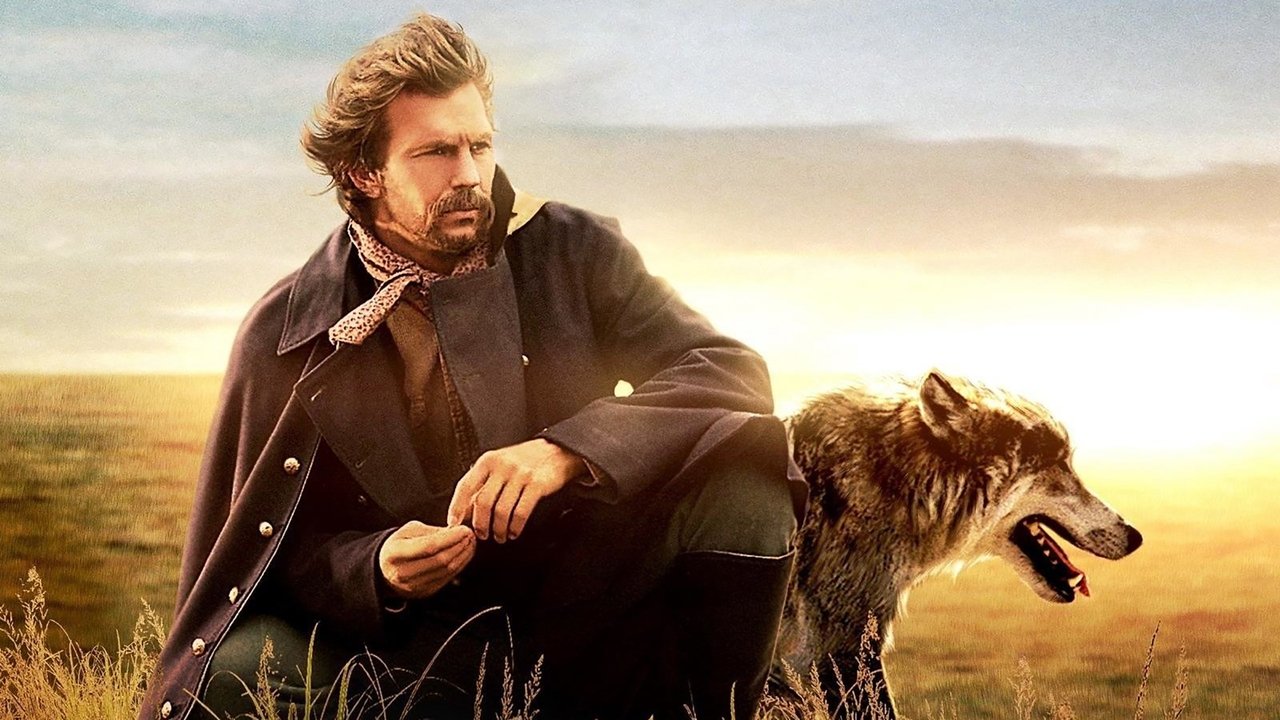
I watched this most recent screening while wearing a pair of scratchy wool socks that I eventually had to take off because they were making me feel a bit too "authentic" for my own comfort, but they did help me settle into the film’s deliberate, unhurried pace.
The Gamble That Toppled Giants
In 1990, the Western was supposed to be dead. It was a "relic genre" that Hollywood had largely abandoned. Then came Kevin Costner. He didn't just make a Western; he made a 181-minute manifesto. I still find it hilarious to think about the 63rd Academy Awards, where this film went head-to-head with Martin Scorsese's Goodfellas. To this day, film nerds will argue until they’re blue in the face that the "cowboy movie" robbed the "mob movie."
But looking back, I can see why the Academy swooned. This was "Big Cinema" at its most earnest. Backed by a $22 million budget—$3 million of which Kevin Costner famously chipped in from his own pocket when the production went over—the film has a physical weight that modern CGI-heavy epics usually lack. When you see those 3,500 real buffalo thundering across the South Dakota plains, you aren't looking at pixels; you're looking at a logistical nightmare that turned into a visual miracle. Cinematographer Dean Semler, who also shot the gritty Mad Max 2, uses the wide-open spaces to make Dunbar look microscopic, emphasizing the philosophical idea that the frontier isn't something you conquer—it’s something that consumes you.
Subtitles and the Art of Listening
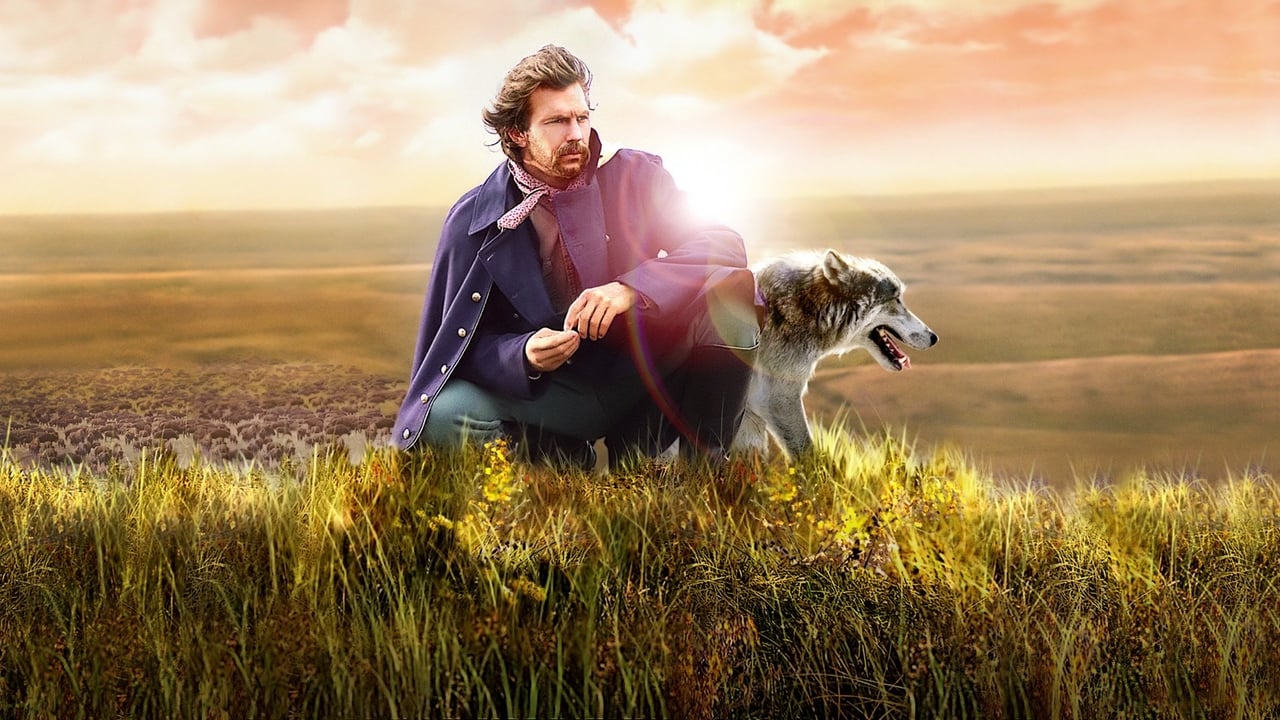
The most daring choice isn't the runtime or the buffalo; it’s the language. A massive chunk of the film is spoken in Lakota with English subtitles. Today, we take that kind of authenticity for granted, but in 1990, it was a radical move for a tentpole blockbuster. It forces the audience to actually listen, to slow down, and to engage with the Sioux characters as individuals rather than the faceless "antagonists" seen in the Westerns of the 1950s.
The performances here are what keep the drama from drifting into melodrama. Graham Greene (later seen in Wind River) provides a masterful sense of curiosity and wisdom as Kicking Bird. He doesn't play the character as a mystic trope; he plays him as a diplomat trying to solve a puzzle. The chemistry between him and Kevin Costner is built on silence and awkward gestures, which feels far more human than a standard script. Mary McDonnell, as the white captive Stands With A Fist, has the impossible task of acting as a bridge between two worlds, and she does it with a raw, wide-eyed intensity that earned her a well-deserved Oscar nod. Rodney A. Grant as Wind In His Hair is the perfect foil, bringing a fierce, protective energy that balances the film’s more contemplative moments.
Reassessing the "White Savior" Narrative
It is impossible to talk about Dances with Wolves today without addressing the "White Savior" trope. Critics often lump it in with Avatar or The Last Samurai, where a white protagonist joins an indigenous group and suddenly becomes their most important member. While that criticism has merit, I find that Dunbar’s arc is slightly more nuanced. He doesn't "save" the Sioux; if anything, the film’s tragic ending acknowledges that the coming tide of "civilization" is an unstoppable, destructive force that neither he nor his new friends can survive intact.
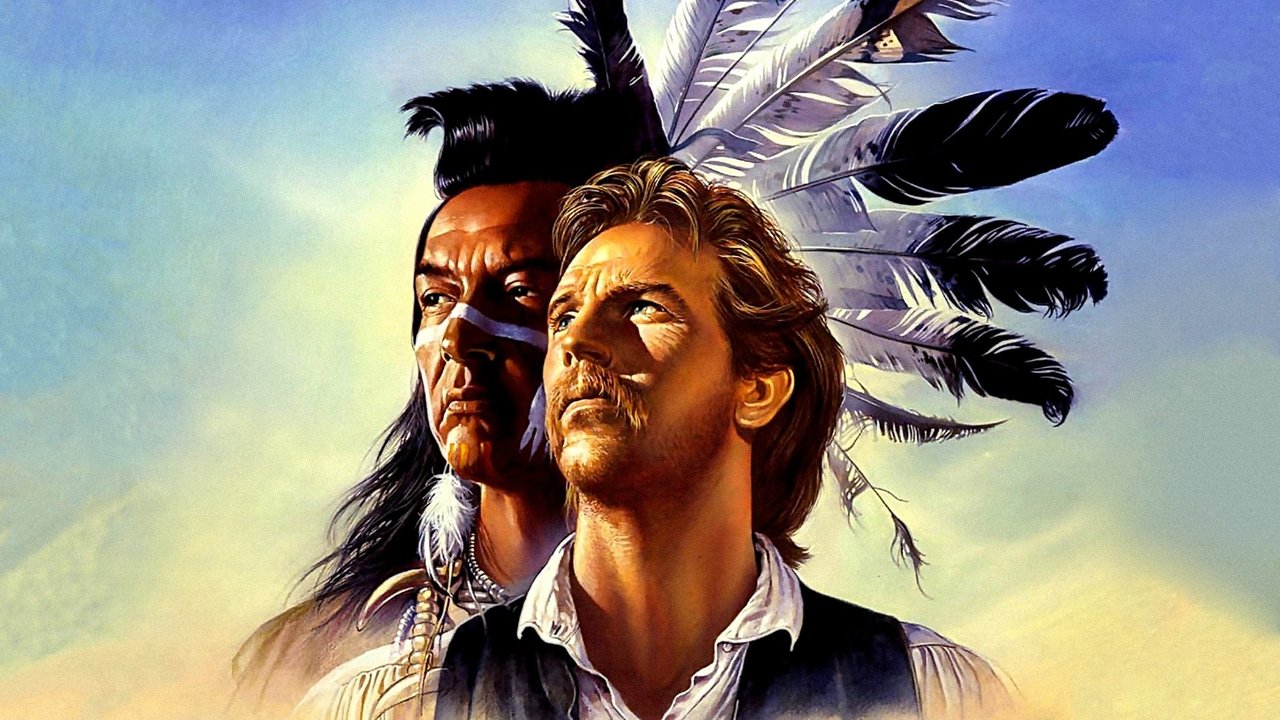
The film grapples with the idea of identity—is John Dunbar a soldier who happens to be living in a tent, or is he a human being who has finally found his frequency? If you think this is just 'Pocahontas' for adults, you’re missing the quiet tragedy in the margins. The film is deeply cynical about the government and the military, portraying the "frontier" not as a land of opportunity, but as a place where the American spirit went to lose its soul.
The score by John Barry (the man behind the classic James Bond themes) is the secret weapon here. It’s sweeping and romantic, but there’s an undercurrent of mourning in those brass swells. It tells you from the first frame that this story isn't going to end with a sunset ride and a happy ending.
Dances with Wolves is a rare example of a "vanity project" that actually justified the vanity. It’s a film that asks for your patience and rewards it with some of the most beautiful imagery ever put to celluloid. While the pacing might feel "analog" to a modern audience used to rapid-fire editing, there is a soulful resonance in its long takes and quiet landscapes. It’s a reminder that before the digital revolution, cinema was about the physical struggle of man against the elements—and sometimes, the struggle of a man against his own uniform. It’s a big, beautiful, flawed epic that still manages to make the world feel vast and mysterious.
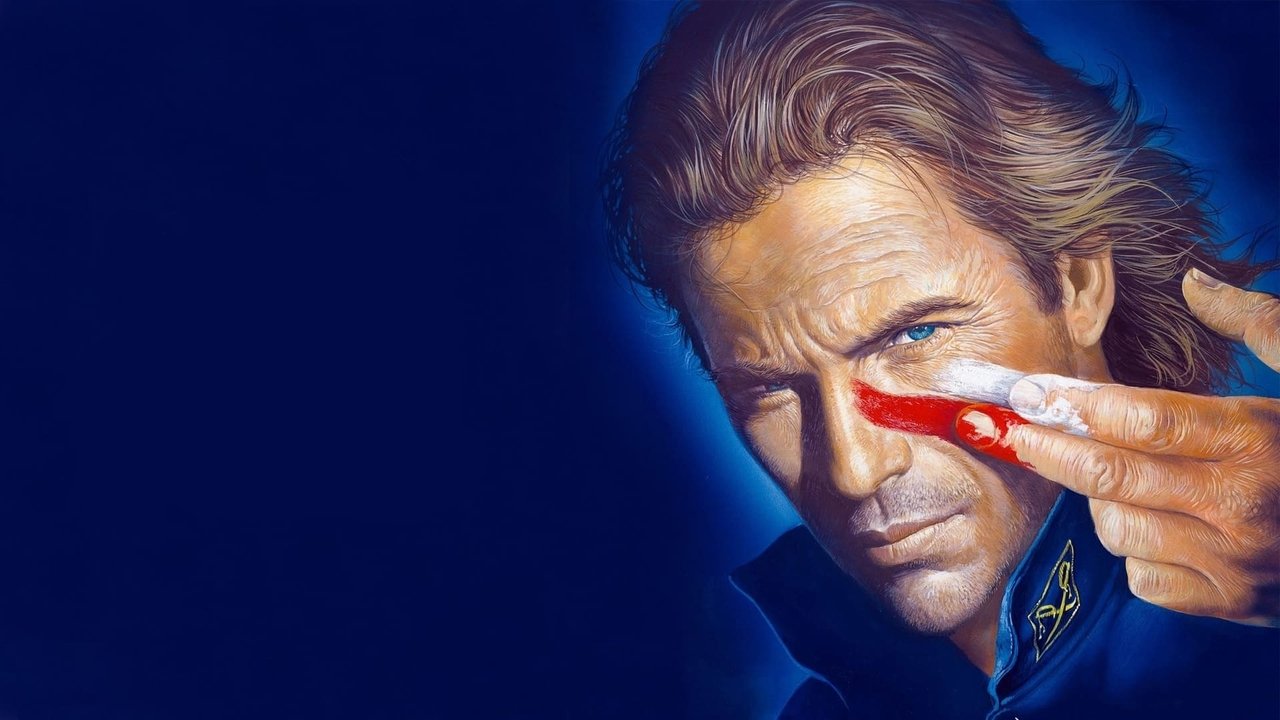
Keep Exploring...
-
Open Range
2003
-
Spirit: Stallion of the Cimarron
2002
-
Maverick
1994
-
Into the Wild
2007
-

Robin Hood: Prince of Thieves
1991
-
The Lion King
1994
-
True Grit
2010
-
Scent of a Woman
1992
-

Dilwale Dulhania Le Jayenge
1995
-

Hero
2002
-

The Fall
2006
-
Nebraska
2013
-

Legends of the Fall
1994
-

Pride & Prejudice
2005
-

Hachi: A Dog's Tale
2009
-

About Time
2013
-
Before Sunrise
1995
-
La Haine
1995
-
My Cousin Vinny
1992
-
Big Fish
2003