Darkman
"A jagged, burnt-offering to the superhero genre."

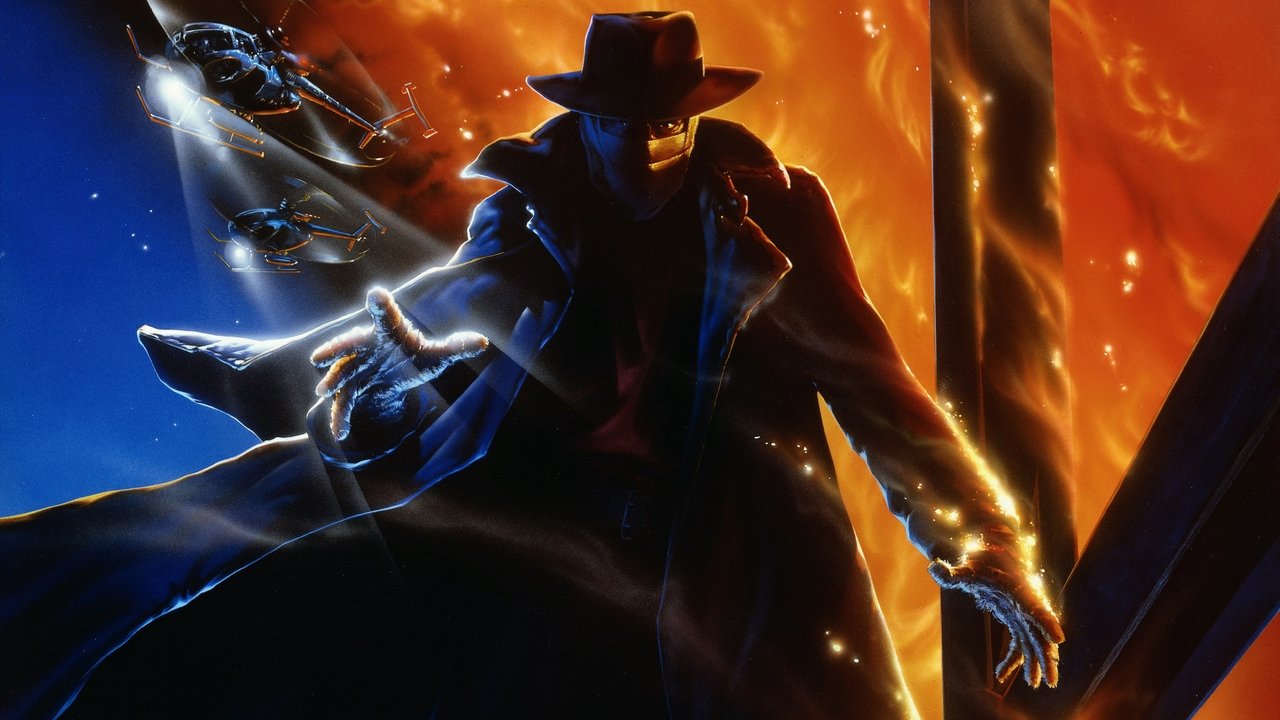
Before the Marvel Cinematic Universe turned superhero movies into a polished, multi-billion-dollar assembly line, the genre felt like a dangerous laboratory experiment. In 1990, Sam Raimi—fresh off the low-budget, high-octane madness of Evil Dead II—couldn't get the rights to The Shadow or Batman. Instead of pining over intellectual property he couldn't own, he decided to cook up his own Frankenstein’s monster of a hero. The result was Darkman, a film that feels less like a modern blockbuster and more like a fever dream fueled by comic book ink and old-school Universal horror.
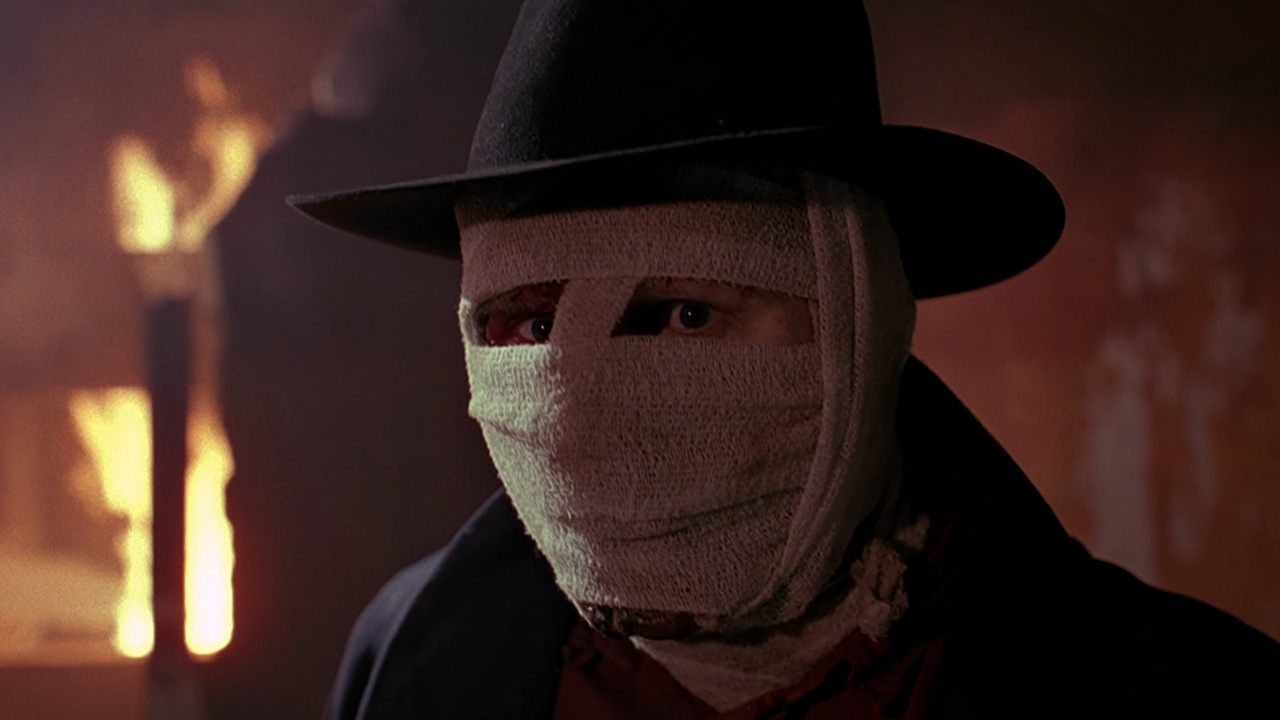
I recently revisited this on a humid Tuesday evening while nursing a lukewarm ginger ale, and I was struck by how much "personality" this movie has compared to the digital sludge of the 2020s. It’s messy, it’s loud, and it features a pre-stardom Liam Neeson screaming at a stuffed pink elephant. If that doesn't earn your five minutes of attention, I don't know what will.
A Hero Made of Synthetic Scabs
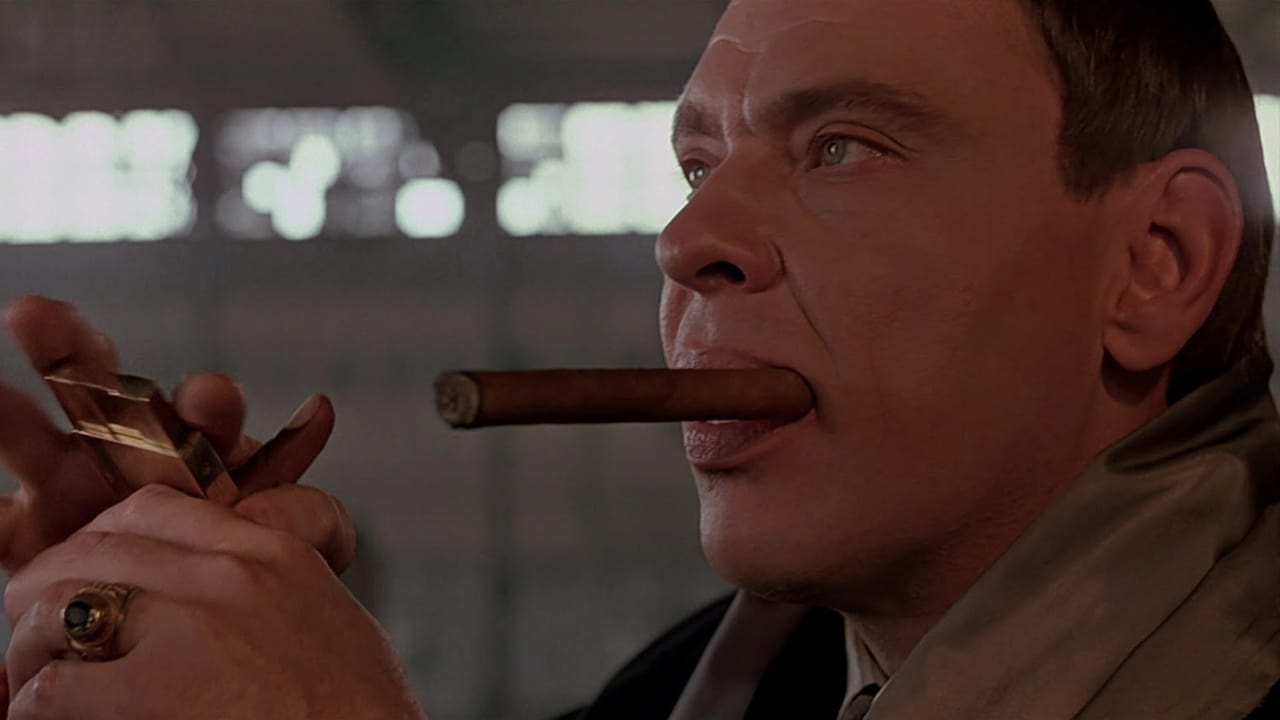
The premise is pure pulp. Liam Neeson plays Peyton Westlake, a scientist working on synthetic skin that dissolves after 99 minutes in the light (a convenient ticking clock for any screenwriter). When a group of mobsters, led by the perpetually sinister Larry Drake as Robert G. Durant, incinerates his lab and leaves him for dead, Westlake survives. A radical medical procedure severs his spinothalamic tract, meaning he can’t feel physical pain but is flooded with adrenaline, making him super strong and emotionally unstable.
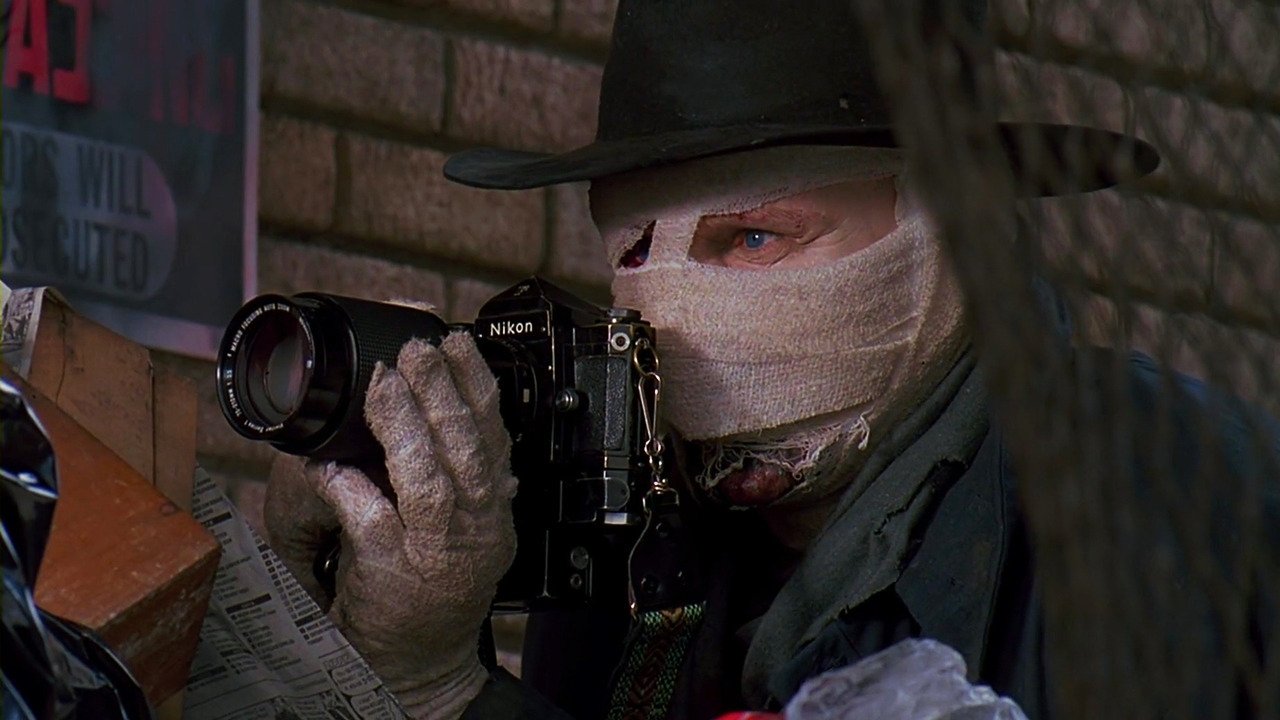
What I love about Darkman is that it doesn't try to make its hero "cool" in the traditional sense. Neeson spends most of the movie wrapped in bandages like a budget mummy, hiding in a crumbling industrial ruin. When he does use his synthetic skin to impersonate the villains, the effects are delightfully uncanny. There is a tactile, gross-out quality to the makeup that modern CGI simply can’t replicate. Neeson’s makeup looks like a sentient lasagna, and I mean that as the highest possible compliment to the practical effects team. You can almost smell the chemicals and the burnt rubber.
The Raimi Whirlwind
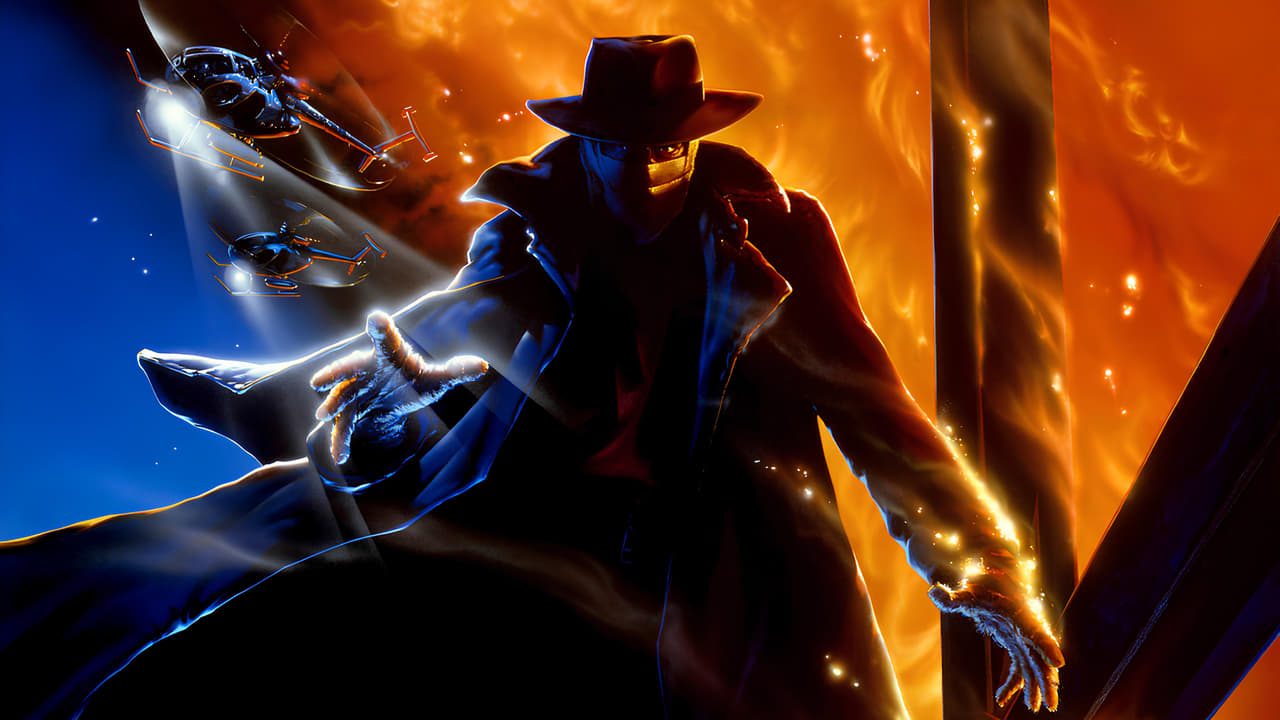
If you’re a fan of Sam Raimi’s later work on the original Spider-Man trilogy, Darkman is the Rosetta Stone for his style. The camera doesn’t just sit there; it attacks the actors. We get those signature POV shots, rapid-fire zooms, and Dutch angles that make the whole world feel like it's tilting off its axis. Raimi treats the frame like a comic book panel, often layering images on top of one another to show Westlake’s fractured psyche.
There’s a scene at a carnival where Westlake tries to win a prize for his girlfriend, Julie (Frances McDormand), and his rage bubbles over. The way the camera captures his spiraling sanity—intercutting shots of the spinning rides with his distorted face—is pure cinema. It’s the kind of creative flair that feels "lost" in an era where every shot is designed to be easily digestible for a smartphone screen. McDormand, even in a relatively standard "hero’s girlfriend" role, brings a grounded soulfulness to the movie. You actually believe she’d stay with a guy who lives in a sewer and wears other people’s faces.
Practical Mayhem and Helicopter Highs
The third act of Darkman is a masterclass in 1990s action choreography. We’re talking about a time when if you wanted a guy dangling from a helicopter above a city, you actually had to dangle a guy from a helicopter. The stunt work here is harrowing. There’s a sequence involving a chase through the city skyline that feels genuinely dangerous. You can see the wind whipping the actors' clothes; you can feel the weight of the metal.
The film also benefits immensely from Danny Elfman’s score. Fresh off his work on Tim Burton’s Batman, Elfman delivers a theme that is both tragic and heroic, swirling with gothic energy. It elevates the movie from a b-movie revenge flick to something that feels like a grand, operatic tragedy. It’s the sound of a man who has lost everything and is having a blast being the monster under the bed.
Looking back, Darkman occupies a strange, forgotten corner of film history. It was a modest hit, but it didn't launch a massive cinematic universe (though it did spawn some truly bizarre direct-to-video sequels). It remains a testament to what happens when a director with a distinct voice is given a decent budget and told to go nuts. It’s an "ugly" movie in the best way possible—scarred, angry, and wildly imaginative.
Darkman is the perfect antidote to superhero fatigue. It’s a reminder that these stories used to be weird, personal, and a little bit gross before they became corporate mandates. If you’ve never seen it, or haven't revisited it since the days of VHS rentals, it’s time to put on a mask and dive back into the shadows. Just make sure you stay out of the light for more than 99 minutes.
Keep Exploring...
-
The Quick and the Dead
1995
-

Star Trek VI: The Undiscovered Country
1991
-

Hard Target
1993
-
Spider-Man 3
2007
-
Lake Placid
1999
-
The One
2001
-
Doomsday
2008
-

Death Race 2
2010
-
Predator 2
1990
-
RoboCop 2
1990
-
Universal Soldier
1992
-
Star Trek: Generations
1994
-
Timecop
1994
-
Escape from L.A.
1996
-
The Saint
1997
-
Volcano
1997
-

Star Trek: Insurrection
1998
-
Batman Beyond: Return of the Joker
2000
-
Red Planet
2000
-
Final Fantasy: The Spirits Within
2001