Days of Thunder
"Speed is a religion, and the track is the cathedral."

I recently rewatched Days of Thunder while sitting on a beanbag chair that has lost about 40% of its structural integrity, nursing a bag of slightly stale pretzel nuggets. There’s something about the hum of a V8 engine—that low, chest-rattling thrum—that makes you forgive a lot of narrative sins. In the pantheon of Tom Cruise movies, this 1990 stock car odyssey often gets shoved into the "Top Gun on Wheels" locker and left there to collect dust. But looking back at it now, in an era where action sequences are often polished to a dull sheen by digital artists in darkened rooms, this film feels like a beautiful, loud, and oily relic of a lost civilization.
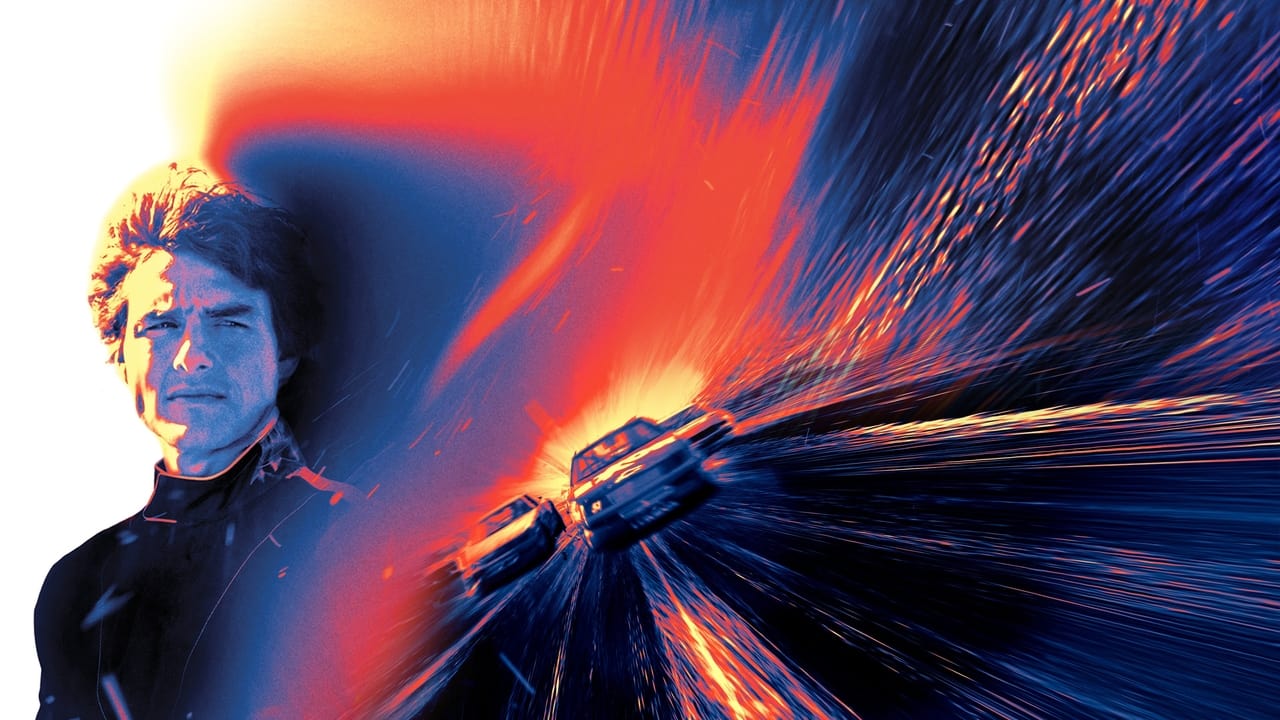
The Chaos of the 200 MPH Script
When I think about Days of Thunder, I think about the sheer, unadulterated hubris of 1990s Hollywood. This wasn't a movie that was "made" so much as it was willed into existence through the sheer force of the Don Simpson and Jerry Bruckheimer (the duo behind Beverly Hills Cop) machine. They started filming without a finished screenplay. Robert Towne, the legendary writer behind Chinatown, was reportedly writing scenes in a trailer while the engines were literally idling on the track.
You can feel that frantic energy on the screen. The plot is, let’s be honest, basically Top Gun with carburetors and slightly less volleyball. Tom Cruise plays Cole Trickle (a name that sounds like a brand of high-end artisanal syrup), a hotshot open-wheel driver who thinks he can conquer NASCAR through raw talent alone. He’s arrogant, he’s fast, and he doesn’t know a thing about how a car actually works. It’s a classic "ego vs. wisdom" setup, but it’s anchored by Robert Duvall as Harry Hogge. Duvall is the secret sauce here; he brings a weary, dirt-under-the-fingernails gravitas that keeps the movie from floating away into pure vanity project territory.
Tony Scott’s Neon-Soaked Asphalt
If you’ve seen a Tony Scott film (like True Romance or Man on Fire), you know the "Look." It’s all long lenses, heavy filters, and enough atmospheric smoke to trigger every fire alarm in a three-county radius. In Days of Thunder, Scott treats the Darlington Raceway like a battlefield in a fever dream. The sun is always setting in a deep, bruised orange, and the cars don't just drive; they shimmer through heat waves like metallic ghosts.
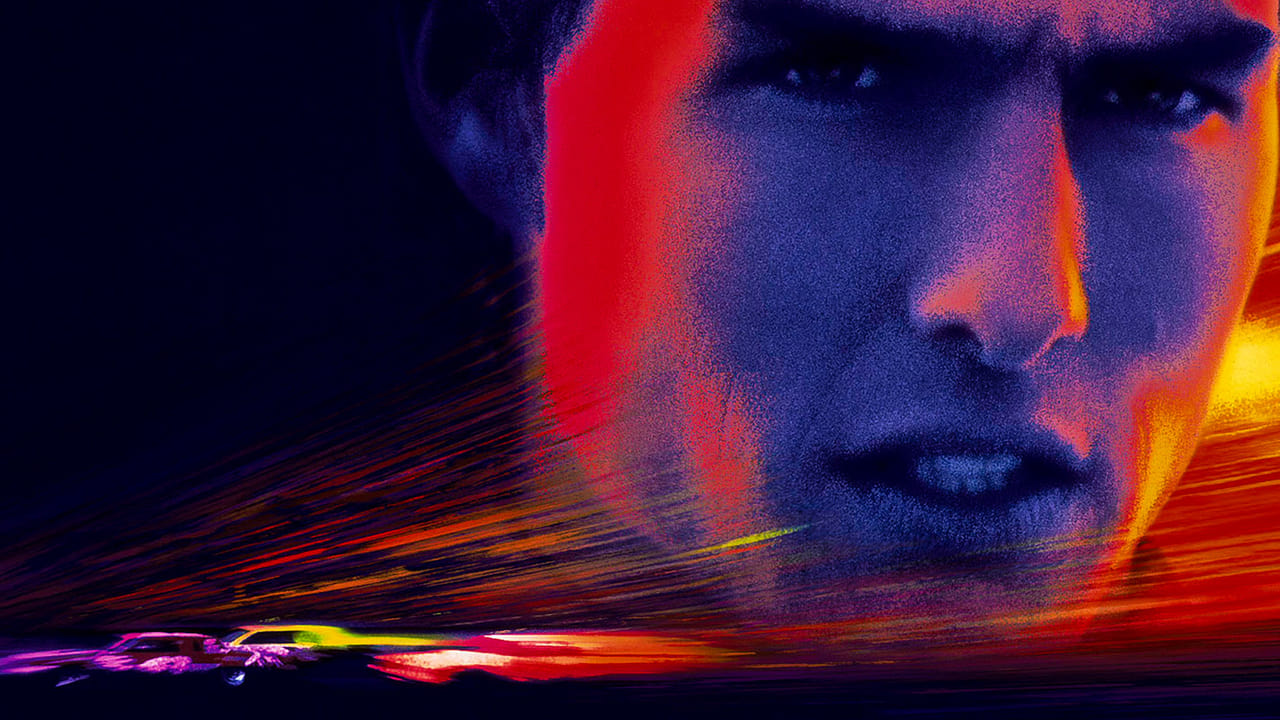
The action cinematography by Ward Russell is where the film truly earns its keep. Before the CGI revolution of the mid-90s, if you wanted a shot of a car flipping at 180 miles per hour, you generally had to actually flip a car. The production reportedly wrecked dozens of real stock cars, and the sense of weight and consequence is palpable. When Cole and his rival Rowdy Burns (Michael Rooker, playing the "lovable jerk" role with terrifying precision) trade paint on the track, you hear the metal scream. The sound design is a masterclass in mechanical aggression—the whine of the transmission and the roar of the pack feel like they’re coming from inside your own skull. Hans Zimmer’s score adds a synth-heavy, heroic pulse that screams "the 90s are here and we brought leather jackets."
The Spark That Started a Decade
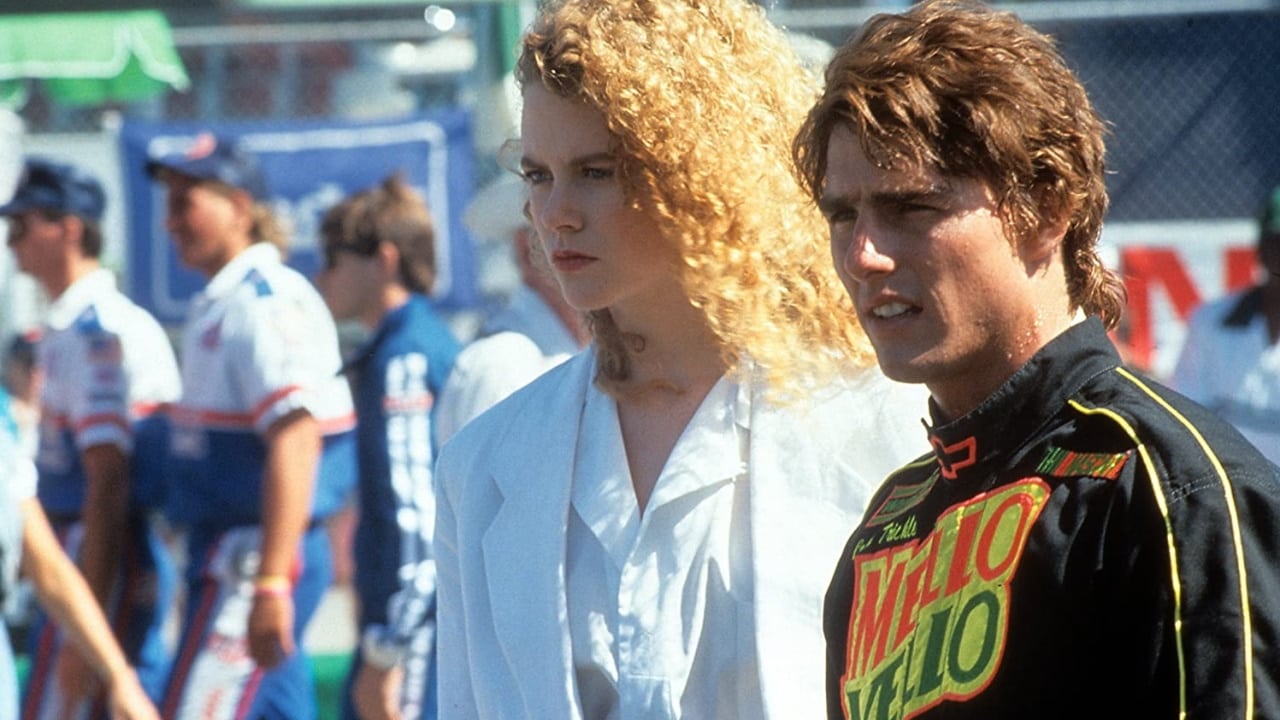
Looking back, it’s wild to realize this was the first time Tom Cruise and Nicole Kidman shared the screen. Kidman, playing neurosurgeon Dr. Claire Lewicki, was just 22 at the time and largely unknown to American audiences. Their chemistry is undeniable, even if the "doctor falling for the patient" trope is about as subtle as a multi-car pileup on the final lap. The film serves as a fascinating time capsule of the transition from the 80s' glossy excess to the 90s' more character-driven action.
The supporting cast is an absolute embarrassment of riches. Randy Quaid is surprisingly restrained as the car owner, and Cary Elwes (just three years after The Princess Bride) shows up later to be the quintessential corporate villain. But the movie belongs to the racing. There’s a scene where Cole has to drive through a literal wall of smoke from a crash, blind and terrified, relying solely on his crew chief’s voice. It’s a sequence that captures the terror of the sport better than almost any documentary could. It reminds me that action is at its best when it's used to reveal a character's breaking point.
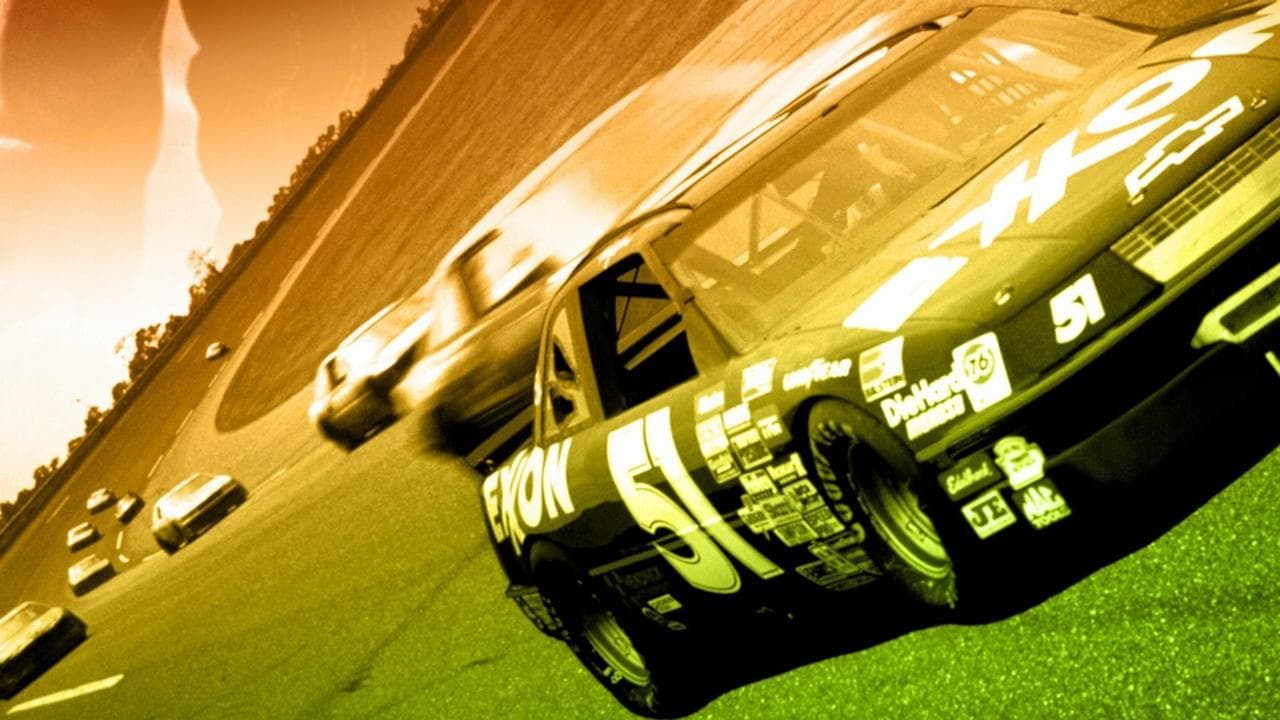
Days of Thunder isn't a perfect film—the middle act drags like a car with a blown tire, and the dialogue can occasionally veer into "motivational poster" territory. However, as a showcase for practical stunt work and the sheer charisma of a movie star at his absolute zenith, it’s an essential watch. It represents a moment in time when Hollywood had the money and the madness to put cameras on the bumpers of real race cars and tell everyone else to get out of the way. If you have a decent sound system and two hours to kill, turn it up loud enough to annoy the neighbors.
I watched the credits roll while picking the last of the pretzel salt out of the bottom of the bag, feeling a strange urge to go buy a leather jacket and drive significantly faster than the speed limit. That’s the magic of a Tony Scott movie; it makes the most dangerous jobs in the world look like the only ones worth having. It might be "Top Gun on wheels," but man, those wheels really spin.

Keep Exploring...
-
Crimson Tide
1995
-
Far and Away
1992
-
Maverick
1994
-
Wyatt Earp
1994
-
First Knight
1995
-

Domino
2005
-
Executive Decision
1996
-

Enemy of the State
1998
-

Sahara
2005
-
1492: Conquest of Paradise
1992
-
Mission: Impossible
1996
-
Mission: Impossible II
2000
-

Top Gun
1986
-
The Edge
1997
-
The Messenger: The Story of Joan of Arc
1999
-
Flight of the Phoenix
2004
-
Walking Tall
2004
-

Wizards of Waverly Place: The Movie
2009
-
All Is Lost
2013
-
Twister
1996