Dick Tracy
"A primary-color fever dream where the comic strip comes alive."
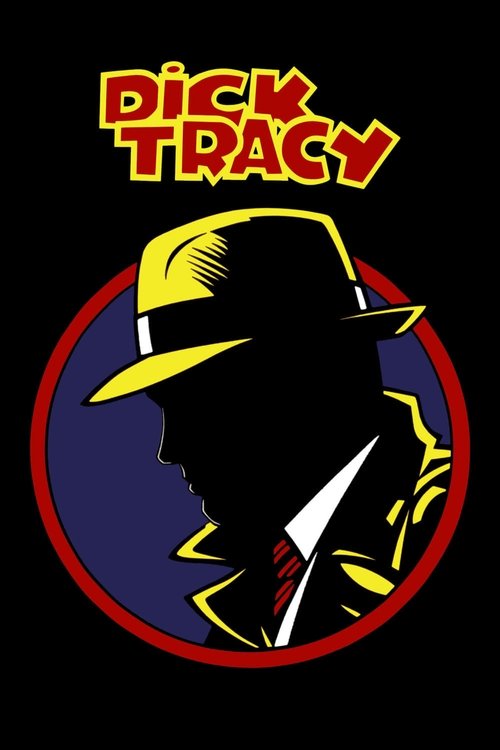
Imagine taking a vintage comic strip, dipping it in neon radioactive sludge, and slapping it onto a 70mm lens. That is the visual vocabulary of 1990’s Dick Tracy. It’s a film that doesn't just embrace its four-color origins; it tries to suffocate you with them. Coming off the heels of Tim Burton’s Batman (1989), every studio in Hollywood was desperate for a caped or fedora-wearing crusader to sell lunchboxes. Warren Beatty, acting as director, producer, and star, handed Disney something much stranger than a standard blockbuster: a live-action cartoon that feels like a Saturday morning serial directed by a high-fashion photographer.
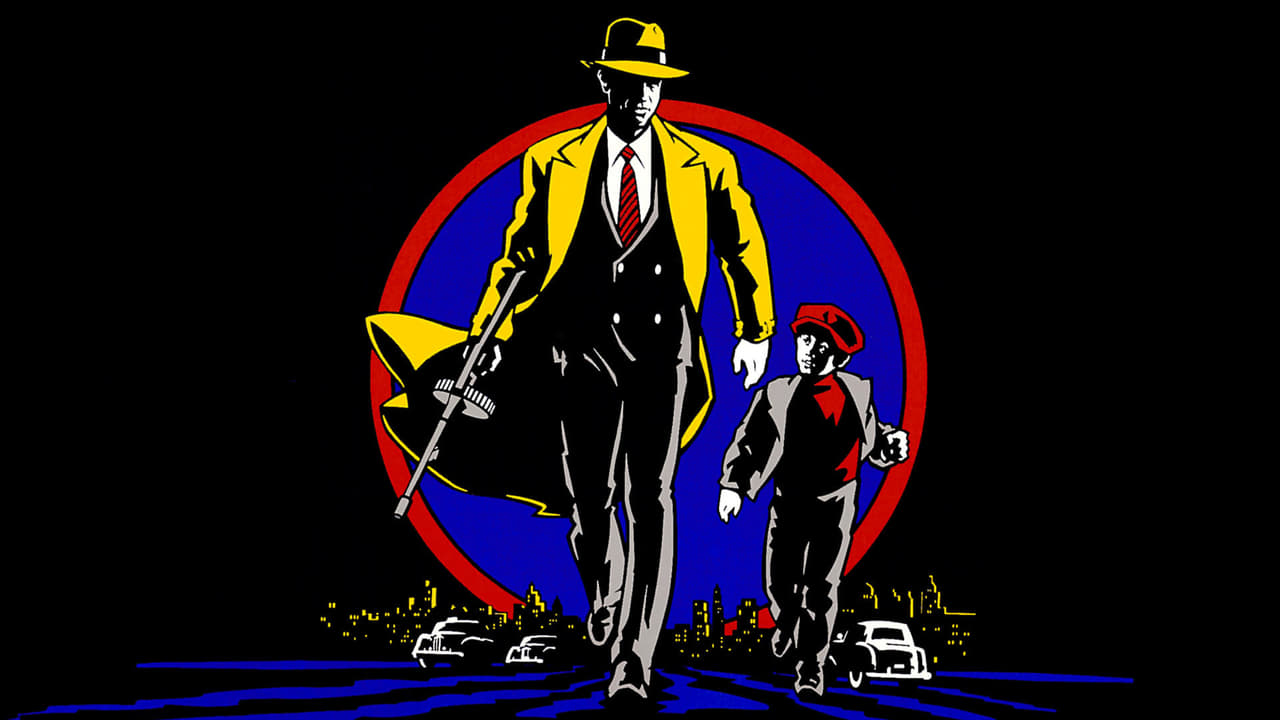
I’ll be honest, I watched this most recently on a DVD I found in a bargain bin at a shuttered Suncoast Video that smelled faintly of cinnamon pretzels, and the transfer was so vibrant it practically vibrated off my screen. In an era where modern superhero movies are often washed out in grays and muddy browns, looking back at Dick Tracy is like getting hit in the face with a bag of Skittles.
A Seven-Color Fever Dream
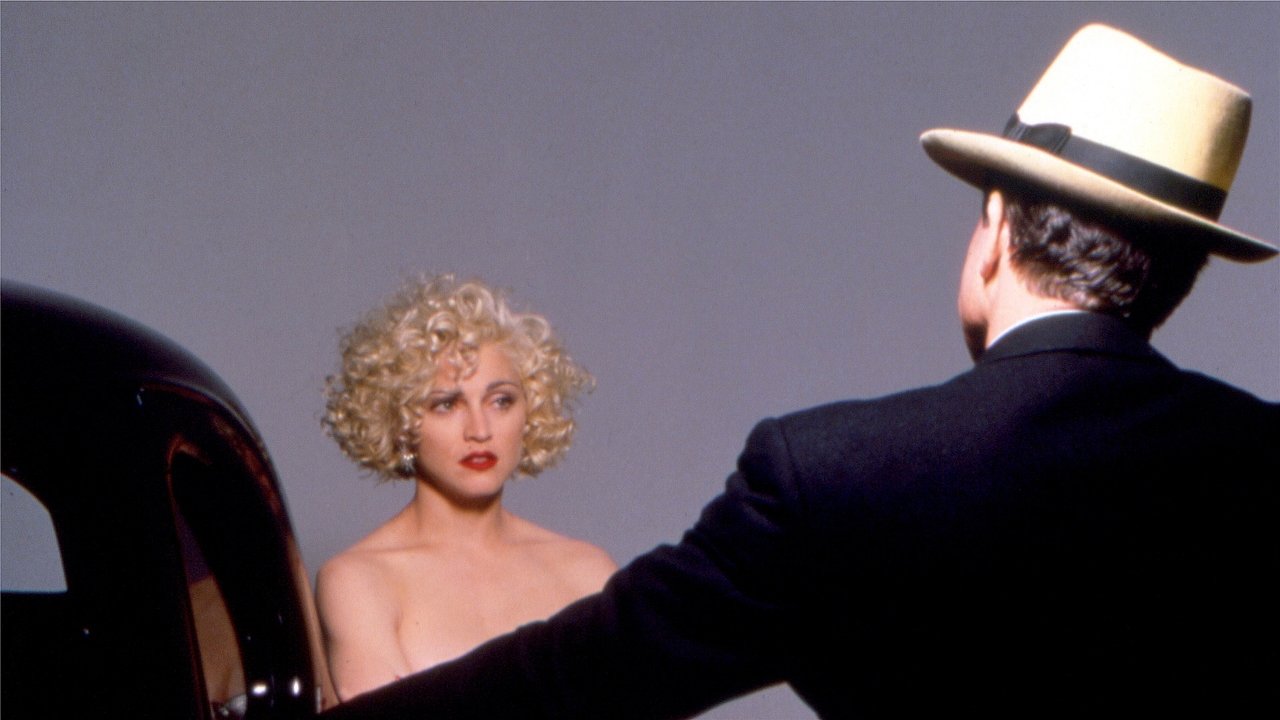
The most striking thing about this film isn't the plot—it’s the rules. Warren Beatty and his legendary cinematographer, Vittorio Storaro (the man who gave us the haunting shadows of Apocalypse Now), decided to limit the entire film’s palette to just seven colors. If it wasn't a primary red, blue, or yellow (plus a few others), it wasn't allowed on screen. This creates a world that feels completely detached from reality. When Tracy wears his iconic yellow trench coat, he doesn't just stand out; he glows like a radioactive canary.
This was the peak of practical filmmaking just before the CGI revolution of Jurassic Park changed the game forever. Every background you see is either a physical set or a stunning matte painting. There’s a texture to this world that digital effects simply can’t replicate. It’s tactile, weird, and gorgeous. The screenplay by Jim Cash and Jack Epps Jr. (who wrote Top Gun) keeps the dialogue snappy and hard-boiled, ensuring the movie moves with the rhythmic "thwack" of a folded newspaper hitting a doorstep.
Latex, Lies, and Lounge Singers
While Beatty plays Tracy as the ultimate straight man—stolid, square-jawed, and perhaps a bit too old for the role—the villains are where the fun lives. The makeup department went absolutely nuclear here. Al Pacino is completely unrecognizable as Big Boy Caprice. He’s buried under pounds of latex, looking like a gargoyle that swallowed a ham and spent a decade at a tanning salon. It’s one of his most unhinged, scenery-chewing performances, and I love every second of it.
He’s surrounded by a rogue's gallery that looks like a nightmare's version of a police lineup. You’ve got Dustin Hoffman doing a hilarious, high-speed mumble as... well, Mumbles. You’ve got James Caan as Spaldoni and William Forsythe as Flattop. These characters look like they fell head-first into a vat of silly putty and decided to stay there. The sheer commitment to the grotesque prosthetics is a testament to the era’s "go big or go home" practical effects mentality.
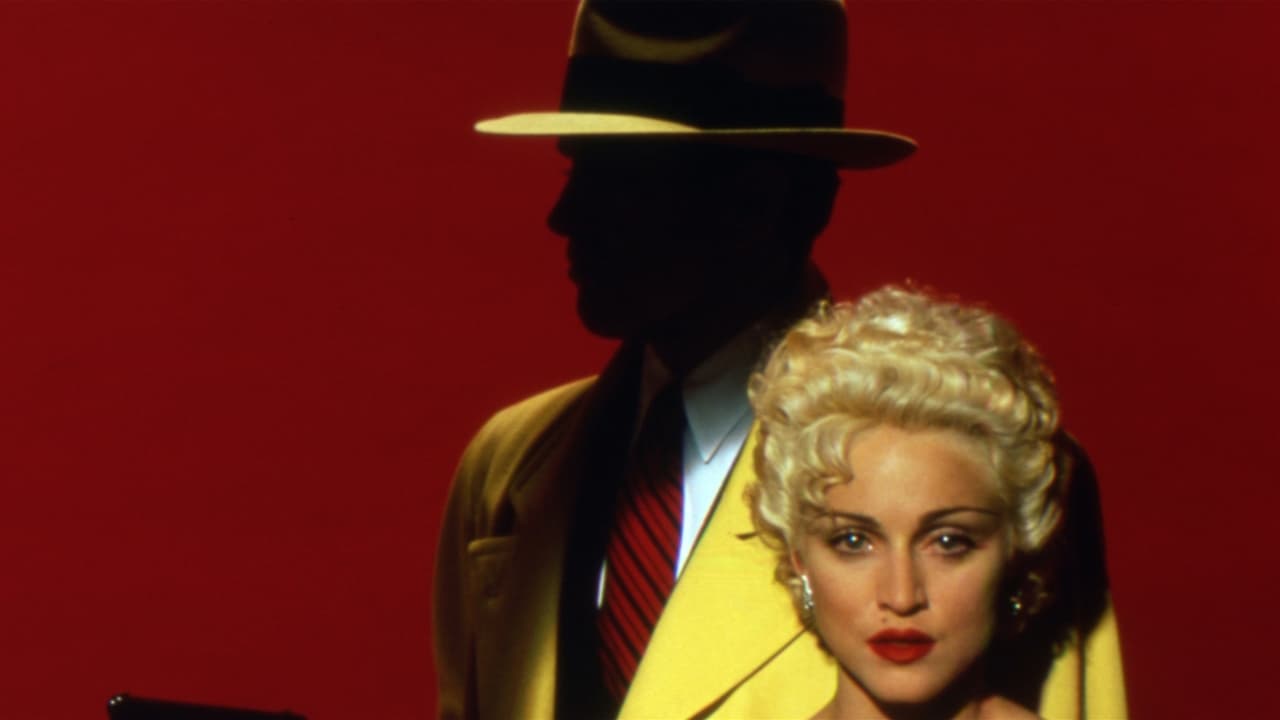
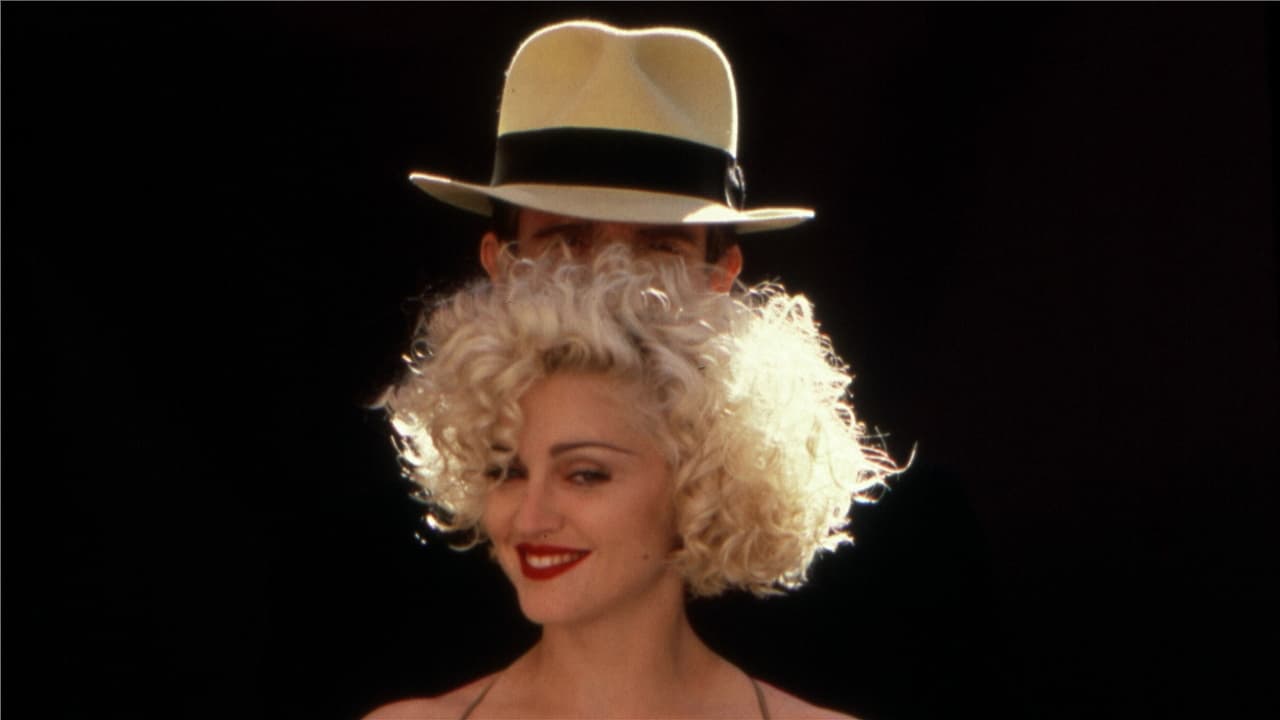
Then there’s Madonna as Breathless Mahoney. At the height of her Vogue-era fame, she was the only person on earth who could match the film's stylized art deco energy. She doesn't so much act as she does "sultry-pout" her way through the scenes, but it works perfectly. Her musical numbers, written specifically for the film by the legendary Stephen Sondheim, provide a sophisticated, jazzy backbone to the pulp violence.
The Kid and the Quest
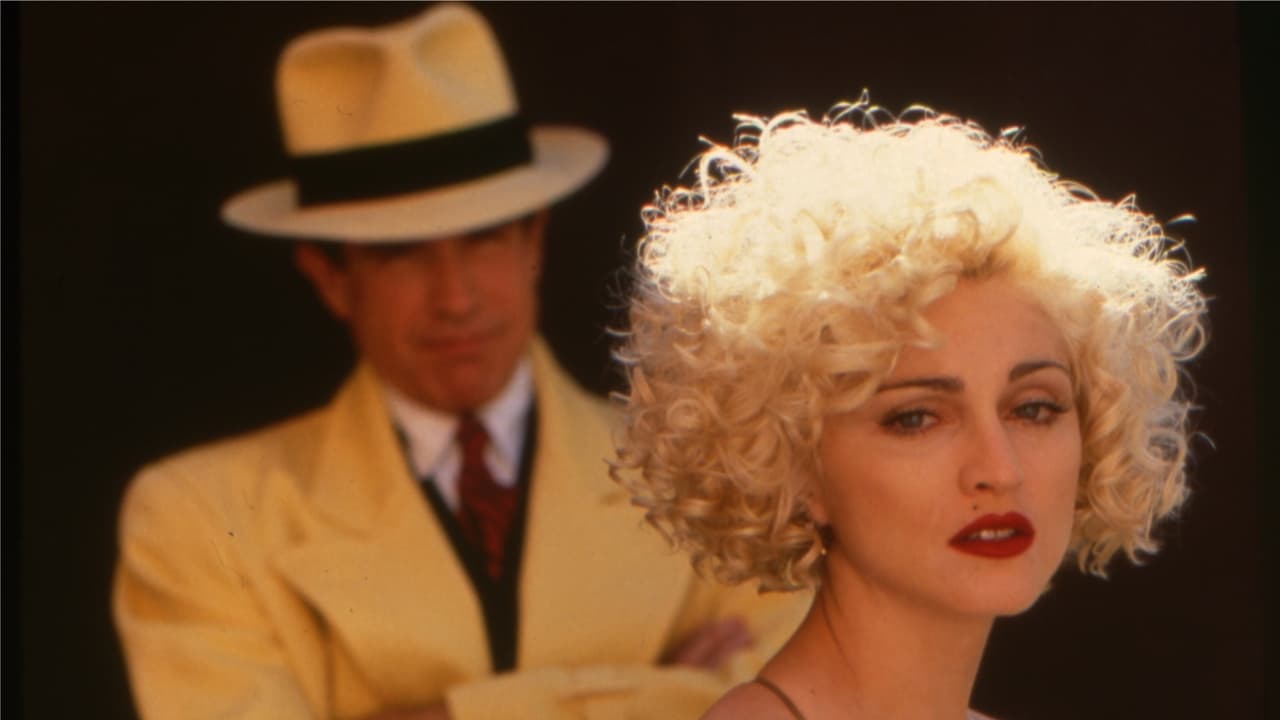
At its heart, Dick Tracy is an adventure about a man trying to find a balance between his badge and his heart. The inclusion of The Kid (Charlie Korsmo, the quintessential 90s child actor from Hook) adds a layer of "found family" that keeps the movie from becoming too cold or aesthetic-focused. Their chemistry is genuinely sweet, even when they’re dodging Tommy-gun fire from mobsters with names like Itchy and Pruneface.
Interestingly, the film was a massive production gamble. It cost a fortune and, while it was a hit, it didn't quite reach the "cultural phenomenon" status Disney was banking on. Looking back, it’s easy to see why. It’s a bit too weird for the mainstream and a bit too earnest for the "edgy" 90s crowd that was about to embrace Pulp Fiction. It exists in its own beautiful, primary-colored bubble.
Turns out, the yellow coat was a nightmare for the wardrobe department; they had to custom-dye dozens of them because the color would look different under various lighting setups. Also, keep an eye out for a blink-and-you’ll-miss-him cameo by Dick Van Dyke as the District Attorney. The film is packed with these "Wait, is that...?" moments that make rewatching it a blast for film nerds.
Dick Tracy is a triumph of style over substance, but when the style is this spectacular, who cares about the depth? It’s a breezy, 105-minute jolt of pure imagination that feels like a relic from a time when studios took massive, expensive risks on a director’s singular vision. If you’re tired of the "slop" of modern digital cityscapes, do yourself a favor and visit this version of the City. Just make sure you bring your sunglasses—those primary colors are bright.
Keep Exploring...
-
Ace Ventura: When Nature Calls
1995
-
Taxi 2
2000
-

DuckTales: The Movie - Treasure of the Lost Lamp
1990
-
Bill & Ted's Bogus Journey
1991
-
Teenage Mutant Ninja Turtles II: The Secret of the Ooze
1991
-
Homeward Bound: The Incredible Journey
1993
-

The Swan Princess
1994
-
A Goofy Movie
1995
-
To Die For
1995
-
Baby's Day Out
1994
-
Austin Powers: The Spy Who Shagged Me
1999
-
Stand Up Guys
2012
-

Hudson Hawk
1991
-
Maverick
1994
-
Major Payne
1995
-
Rumble in the Bronx
1995
-
Lethal Weapon 4
1998
-

Taxi
1998
-

Fanboys
2009
-

RED
2010