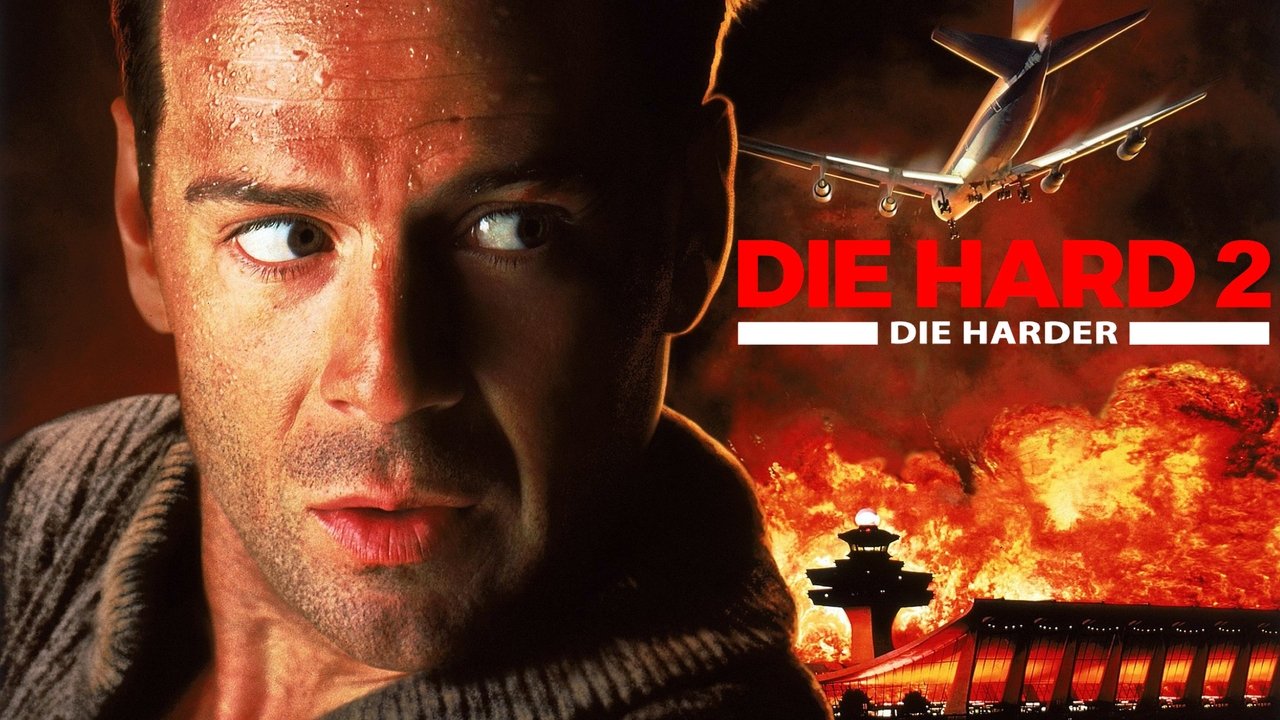
Die Hard 2
"Lightning strikes twice in the same snowstorm."
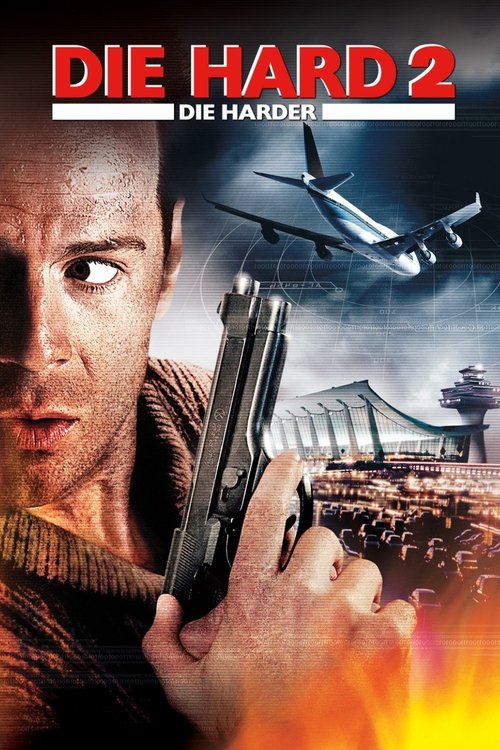
John McClane is the patron saint of bad timing and the only man on Earth who can’t go to an airport without accidentally dismantling a paramilitary coup. By 1990, the "Die Hard" formula was already a blueprint for the decade's action cinema, but Renny Harlin (who also gave us the gloriously over-the-top Cliffhanger) decided that for the sequel, everything needed to be bigger, colder, and significantly more expensive. I watched this last Tuesday while eating a slightly-too-cold slice of leftover pepperoni pizza, which felt appropriately blue-collar for a McClane marathon, and honestly? It still hits like a ton of bricks.
Bigger, Louder, and Snowier
While the original was a masterclass in claustrophobic tension within a vertical tomb, Die Hard 2 moves the goalposts to Washington Dulles International Airport. It’s the ultimate "same thing happens to the same guy twice" scenario, and the film leans into that irony with a wink. Bruce Willis returns as McClane, and you can already see the character shifting from the vulnerable, crying-in-the-bathroom cop of 1988 into the invincible human demolition derby he would eventually become. He’s grumpier here, and the "Modern Cinema" transition is palpable—this is the exact moment the 80s grit started evolving into the 90s blockbuster spectacle.
The plot involves a group of rogue military types, led by a very naked and very intense William Sadler as Colonel Stuart, taking over the airport’s systems to rescue a South American dictator (Franco Nero). Their leverage? A dozen planes circling overhead, running out of fuel. It’s a high-stakes ticking clock that works remarkably well, even if you have to ignore the fact that these planes could probably just fly to Philadelphia.
The Peak of Practical Mayhem
Looking back from our era of weightless CGI, the sheer physicality of Die Hard 2 is breathtaking. This was one of the most expensive movies ever made at the time, with a $70 million budget that looks like it went entirely into kerosene and stuntmen. The film is famous for its practical effects, specifically the climactic explosion of a Boeing 747. At the time, it was the most expensive stunt in cinema history, costing several million dollars for a few seconds of screen time. You can feel that money on the screen; when things blow up in this movie, you don't just see it—you feel the heat.
The action choreography reflects Renny Harlin’s background in horror. There’s a certain "crunch" to the violence here that the first film lacked. Whether it’s an icicle to the eye or the infamous ejection seat sequence, the film is basically a slasher movie where the killer is a tired cop in a sweater. That ejection seat scene, by the way, was a nightmare to film. They had to use 15 cameras to capture McClane soaring out of the cockpit of a stationary plane on a series of wires. It’s ridiculous, it defies every law of physics, and I love every second of it.
A Masterclass in Supporting Smarm
One of the great joys of this era of action movies is the character-actor buffet. John Amos shows up as Major Grant, bringing a stern authority that makes the eventual plot twists land with more impact. Then you have the return of William Atherton as Richard Thornberg, the reporter we all love to hate. If the first film didn't make you want to punch him, his behavior on the plane in this one—inciting a riot with a smuggled radio—certainly will. Atherton is the era's gold standard for "bureaucratic jerk," and his presence grounds the film in the franchise's specific brand of cynicism.
I also have to give a nod to Bonnie Bedelia as Holly McClane. While she’s stuck on a plane for most of the runtime, she remains the emotional anchor. In a genre that often treats wives as mere trophies or victims, the Die Hard series (at least early on) understood that McClane’s motivation isn't "saving the day," it's "getting back to his wife." That relatability is what kept this franchise afloat while other 90s actioners sank into the abyss of meathead posturing.
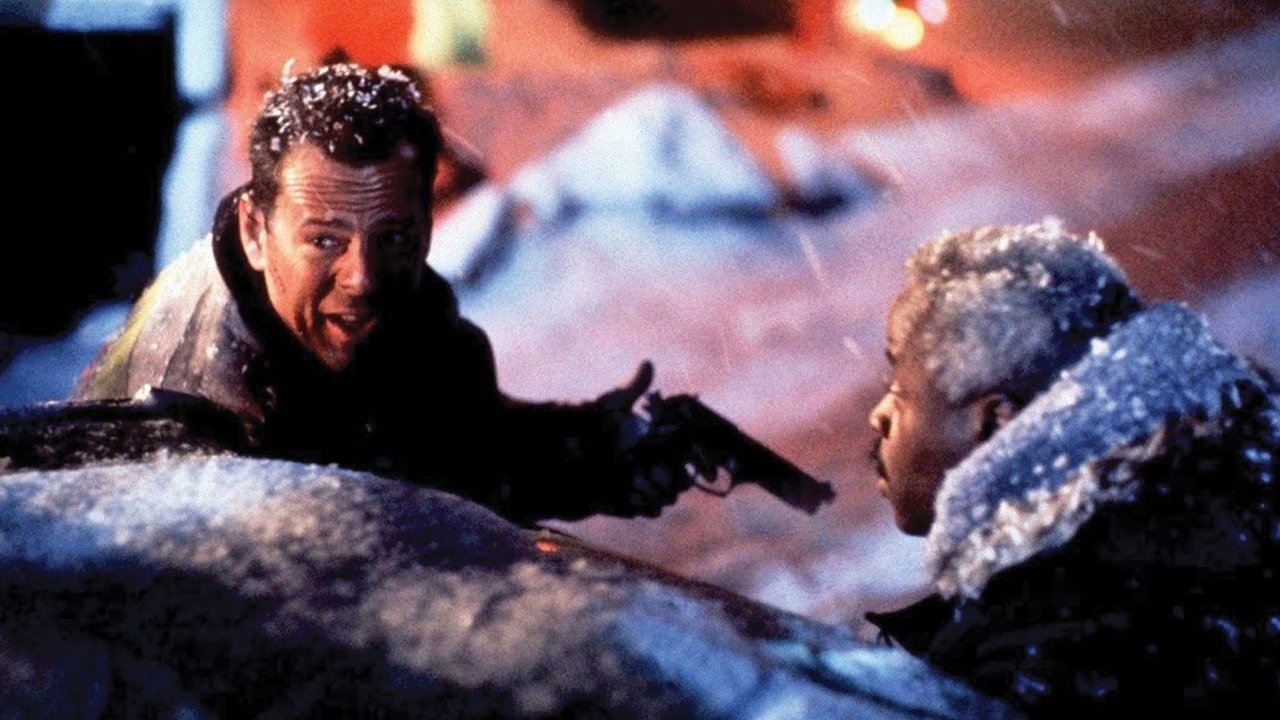
The Logistics of a Legacy
In retrospect, Die Hard 2 is the bridge between the analog 80s and the digital 90s. We see early tech anxieties—terrorists hacking into flight towers with what looks like high-end Commodore 64s—and a burgeoning interest in the "global" villain. It was a massive commercial success, raking in over $240 million worldwide, proving that John McClane wasn't just a fluke; he was a brand.
The film does suffer slightly from "sequel-itis." It tries to replicate the beats of the first film so closely that it occasionally feels like a remix rather than a new song. The airport police chief (Dennis Franz) is a bit too much of a caricature, and the "fuel" plot hole is large enough to fly a 747 through. However, the momentum is so relentless that you don't really care. It’s a loud, proud, snowy wrecking ball of a movie that reminds me why I fell in love with the multiplex in the first place.
It’s the most expensive way to prove that airport security in the 90s was a joke, but it remains a top-tier action sequel. While it lacks the lightning-in-a-bottle perfection of the Nakatomi Plaza incident, it compensates with sheer scale and a delightfully mean-spirited edge. If you can handle the logic gaps and the sight of William Sadler doing naked tai chi, it’s the perfect companion for a cold winter night. Just don't expect the baggage claim to be this exciting the next time you fly.
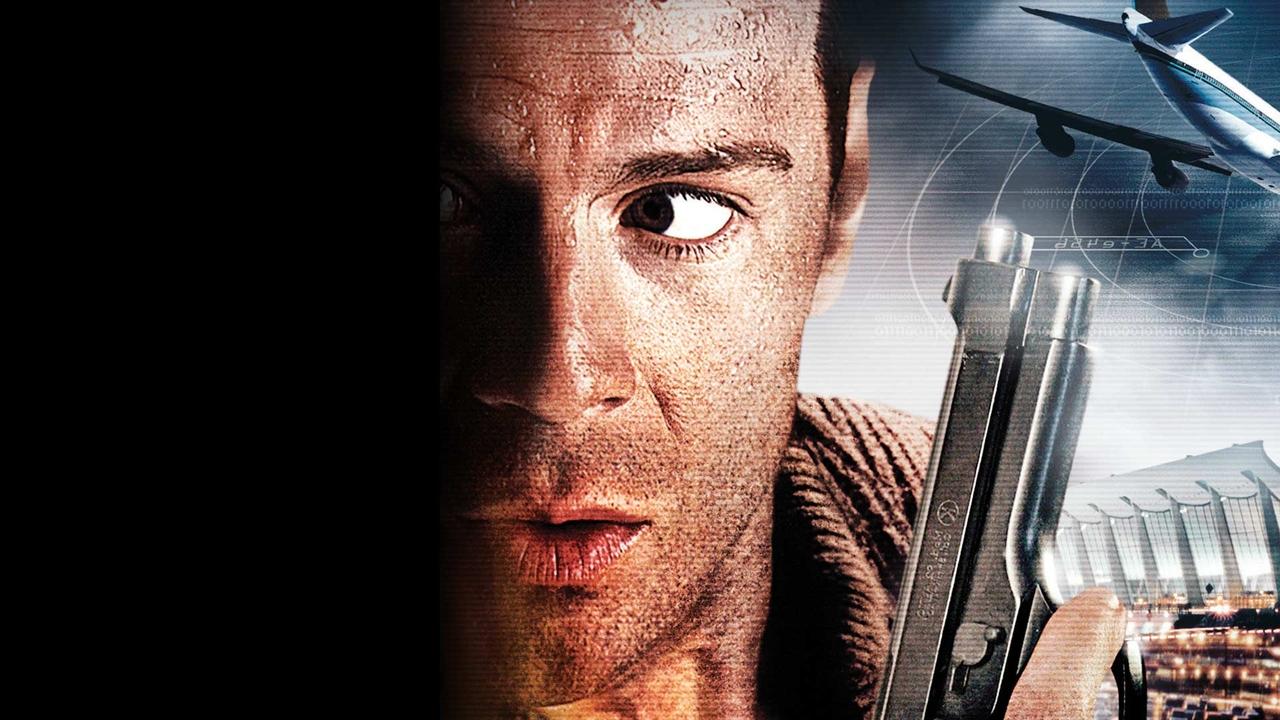
Keep Exploring...
-
Die Hard: With a Vengeance
1995
-
Die Hard
1988
-
Live Free or Die Hard
2007
-
Cliffhanger
1993
-
The Last Boy Scout
1991
-

The Long Kiss Goodnight
1996
-
Bad Boys
1995
-
Armageddon
1998
-
Hostage
2005
-

RED
2010
-
In the Line of Fire
1993
-
Clear and Present Danger
1994
-
True Lies
1994
-
Outbreak
1995
-
Another 48 Hrs.
1990
-
The Hunt for Red October
1990
-
Lethal Weapon 3
1992
-
Patriot Games
1992
-

Under Siege
1992
-
Universal Soldier
1992