DuckTales: The Movie - Treasure of the Lost Lamp
"Ten trillion tons of trouble in one tiny lamp."
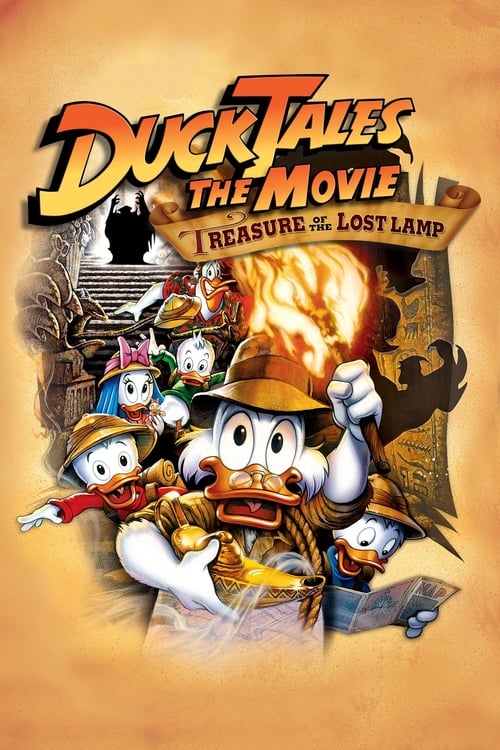
The desert sun beats down on a dig site where a billionaire duck is currently risking his life for a pile of old coins. Within the first five minutes of DuckTales: The Movie - Treasure of the Lost Lamp, we get a high-speed plane crash, a narrow escape from a collapsing tomb, and a clear signal that the Disney Afternoon had officially outgrown the living room television. Released in the summer of 1990, this was Disney’s attempt to see if their burgeoning TV empire could play in the big leagues alongside the likes of The Little Mermaid.
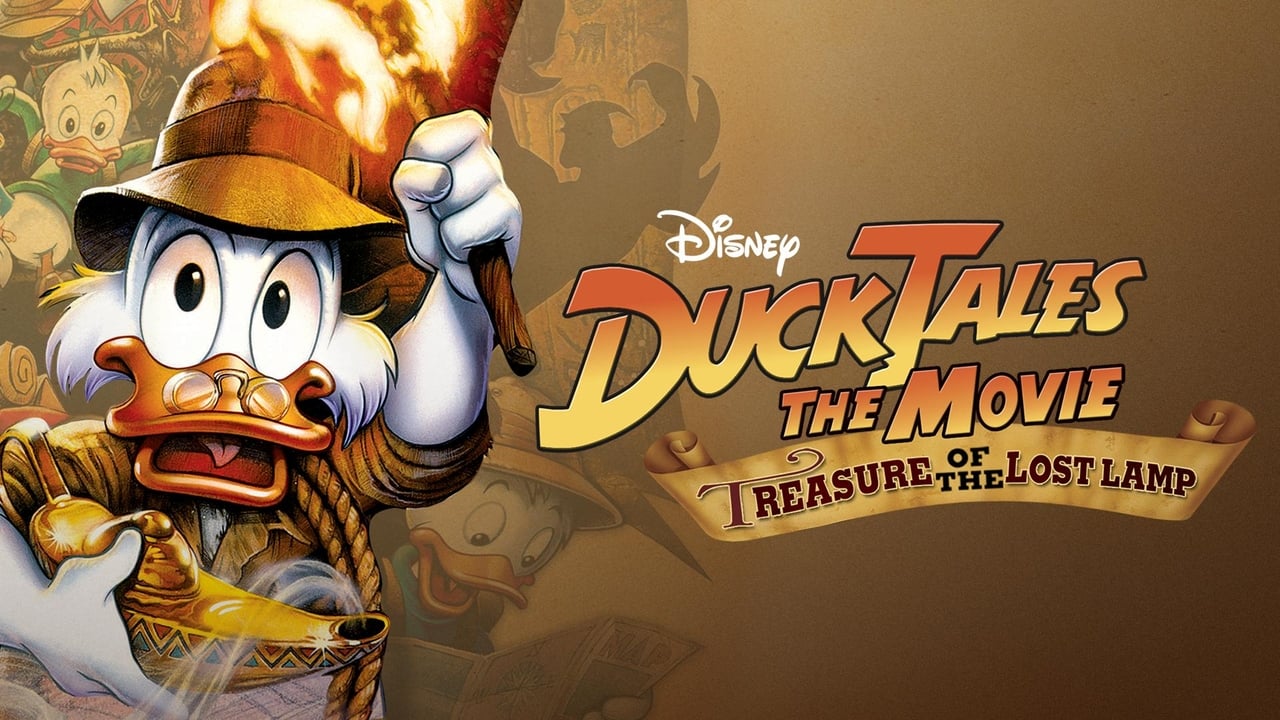
I watched this most recently on a rainy Tuesday afternoon while trying to peel a stubborn price sticker off a new ceramic mug. As the citrus-scented goo-remover failed me, the sheer 1990s-ness of the film's neon-accented color palette actually made the task feel more like a mission than a chore. It is a film that demands you get swept up in its "Indiana Jones for Waterfowl" energy, even if you’re just a grown adult dealing with a sticky coffee cup.
The Indiana Jones of the Pond
What immediately stands out, looking back through a 21st-century lens, is how much this film functions as a genuine adventure epic. This isn't just a bloated episode of the show; the scale feels vastly expanded. Alan Young returns as Scrooge McDuck, and his performance here is arguably the definitive version of the character. He isn't just a miser; he’s an explorer whose eyes light up at the prospect of history as much as gold.
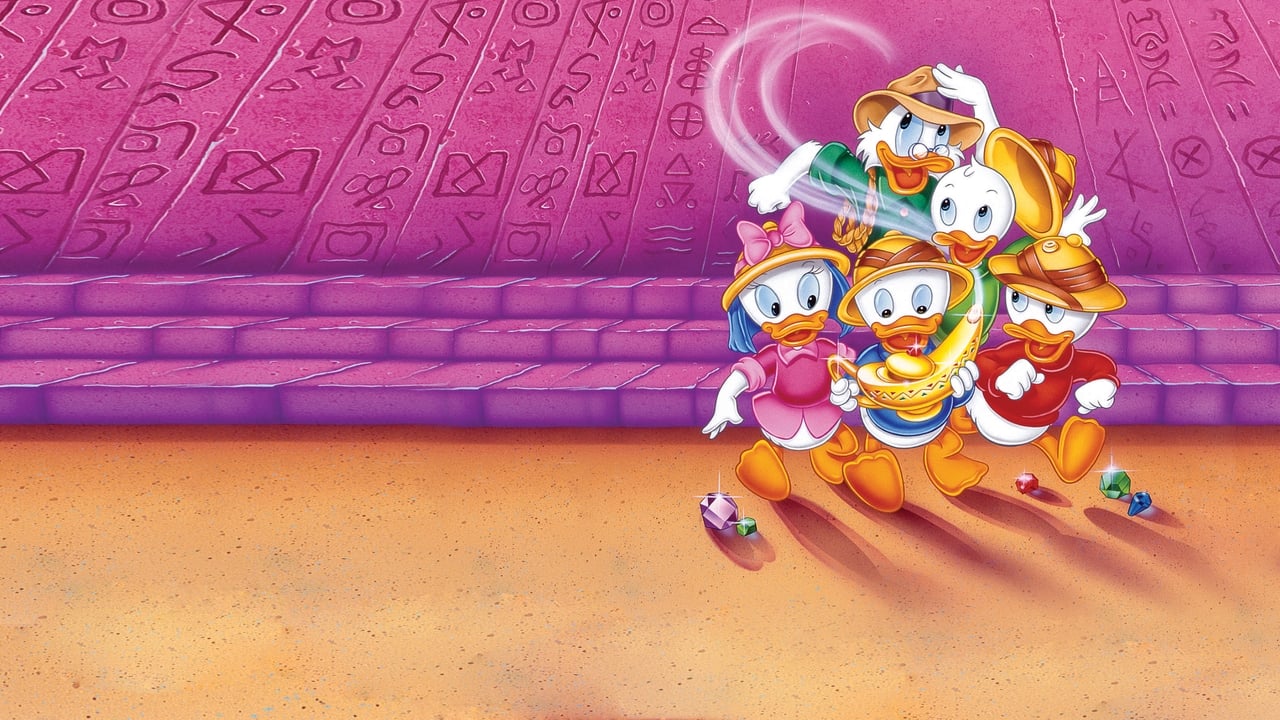
The plot follows Scrooge, his nephews—Huey, Dewey, and Louie (all voiced by the legendary Russi Taylor) —and the perpetually doomed pilot Terence McGovern as Launchpad McQuack. They are hunting the treasure of Collie Baba, which leads them to a magic lamp inhabited by a boyish, wish-granting Genie. The adventure beats are surprisingly tight. Whether they’re navigating booby-trapped pyramids or fleeing from a giant, supernatural eagle, the pacing never lets up. Launchpad McQuack is essentially a high-functioning disaster area, and his presence ensures that even the high-stakes moments are undercut with a healthy dose of slapstick that actually lands.
A Villain Who Earns His Cape

Every great adventure needs a threat that feels tangible, and this movie delivers one of the most terrifyingly effective villains in the Disney catalog. Christopher Lloyd lends his voice to Merlock, an ancient sorcerer with a talisman that gives him unlimited wishes and the ability to shape-shift. Unlike many animated villains of the era who were prone to bumbling, Merlock is arguably the most underrated sociopath in the Disney canon. He doesn't want to rule a kingdom or marry a princess; he wants to rewrite the laws of physics and plunge the world into eternal darkness.
Christopher Lloyd plays it straight, avoiding the "zany" energy he often brought to live-action roles like Doc Brown. His cold, calculating delivery makes the stakes feel real for a movie about ducks in sailor suits. Beside him is Richard Libertini as Dijon, a bumbling thief who provides the perfect comedic foil. The dynamic between the two—the terrifying mastermind and the kleptomaniac coward—gives the film a narrative weight that keeps it from floating away into pure fluff.
The Middle Child of the Renaissance
Despite its quality, Treasure of the Lost Lamp occupies a strange, lonely corner of film history. It was the first (and only) theatrical release from the "Disney MovieToon" studio in France. Produced for a relatively modest $20 million, it was intended to be the vanguard of a series of TV-to-film crossovers. When it failed to light the box office on fire, earning just under its budget domestically, Disney pivoted. They decided to keep the TV properties on the small screen (or direct-to-video) and focus their theatrical energy on the "Prestige" line like Beauty and the Beast.
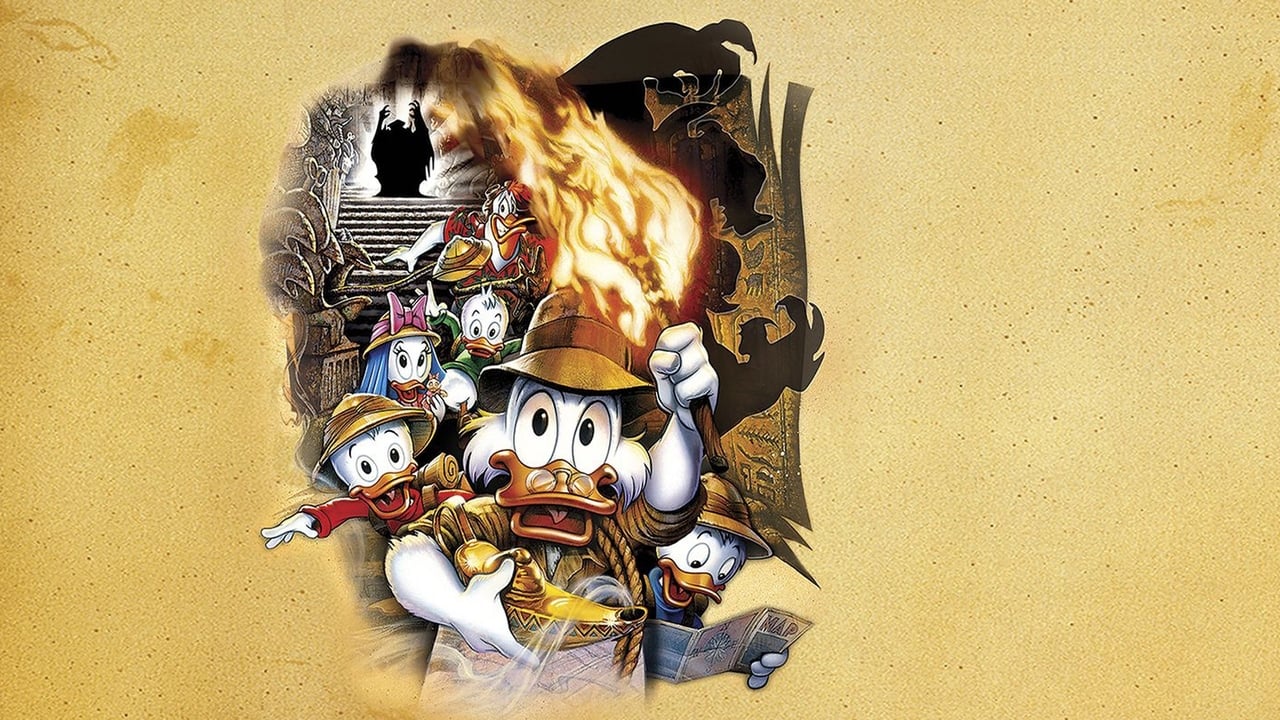
Looking at it now, the animation is a fascinating bridge. It’s significantly more detailed than the DuckTales TV show—the backgrounds are lusher, the shadows more dramatic—but it lacks the sheer fluid perfection of the main Disney features. There’s a hand-crafted, slightly gritty charm to it. It feels like a comic book come to life in a way that modern, hyper-polished CGI often fails to capture. It represents a brief moment in time when Disney was willing to experiment with what a "theatrical" movie could be.
Ultimately, DuckTales: The Movie is a reminder of a time when adventure didn't need to be part of a twenty-film cinematic universe to feel epic. It’s a brisk, 74-minute shot of adrenaline that respects its audience enough to provide a genuine villain and a real sense of discovery. While it might have been overshadowed by the giants of the Disney Renaissance, it remains a gold mine of nostalgia and sharp writing for anyone willing to dig it up. It is the cinematic equivalent of finding a forgotten five-dollar bill in an old coat pocket—not life-changing, but a total delight.
Keep Exploring...
-

The Swan Princess
1994
-

The Ant Bully
2006
-
Shrek the Halls
2007
-
A Monster in Paris
2011
-
A Goofy Movie
1995
-

The SpongeBob SquarePants Movie
2004
-
Hercules
1997
-

The Emperor's New Groove
2000
-
The Road to El Dorado
2000
-

Sinbad: Legend of the Seven Seas
2003
-
Shrek 2
2004
-
Shrek the Third
2007
-
Horton Hears a Who!
2008
-

Puss in Boots
2011
-
The Smurfs
2011
-
Brave
2012
-
How to Train Your Dragon 2
2014
-
The Book of Life
2014
-
The Lego Movie
2014
-
Jimmy Neutron: Boy Genius
2001