Edward Scissorhands
"He's not finished. Neither is your heart."
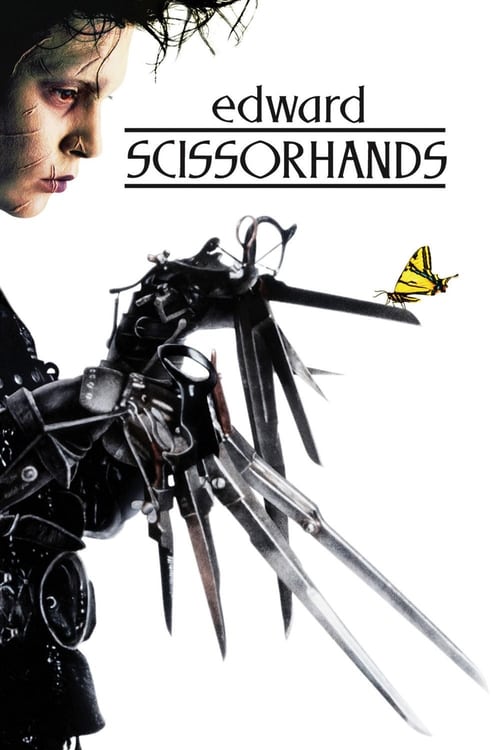
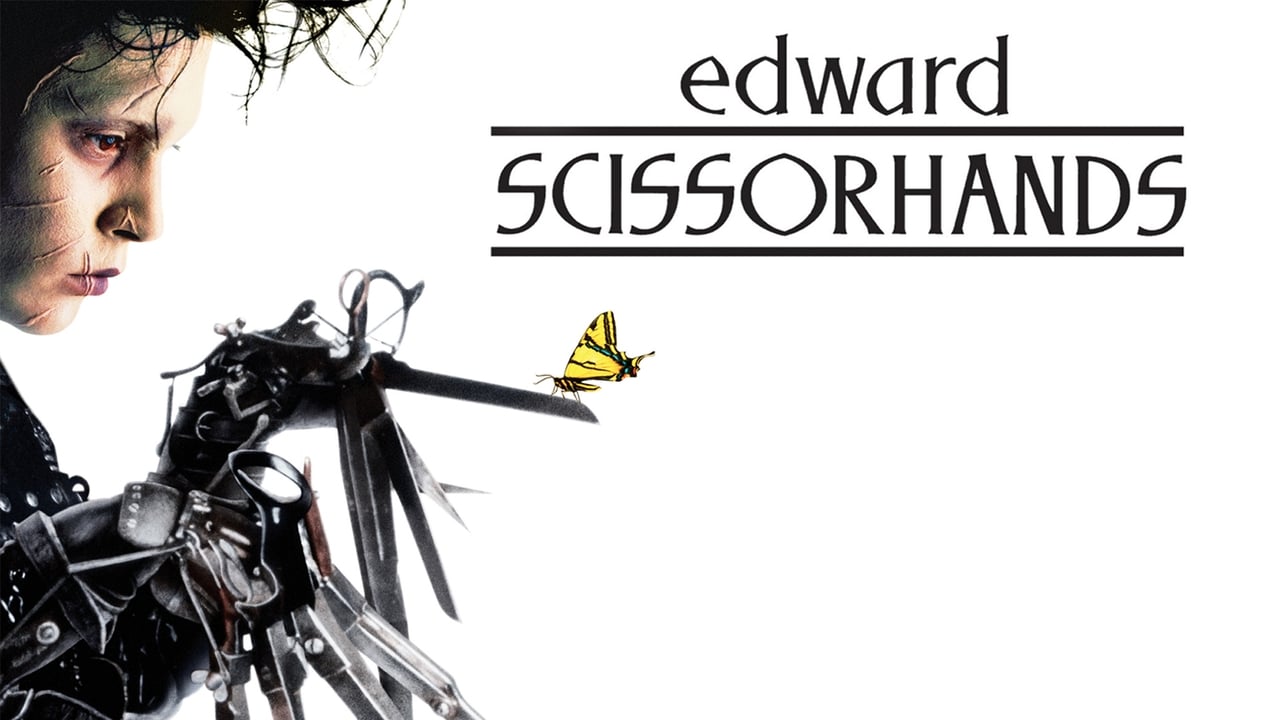
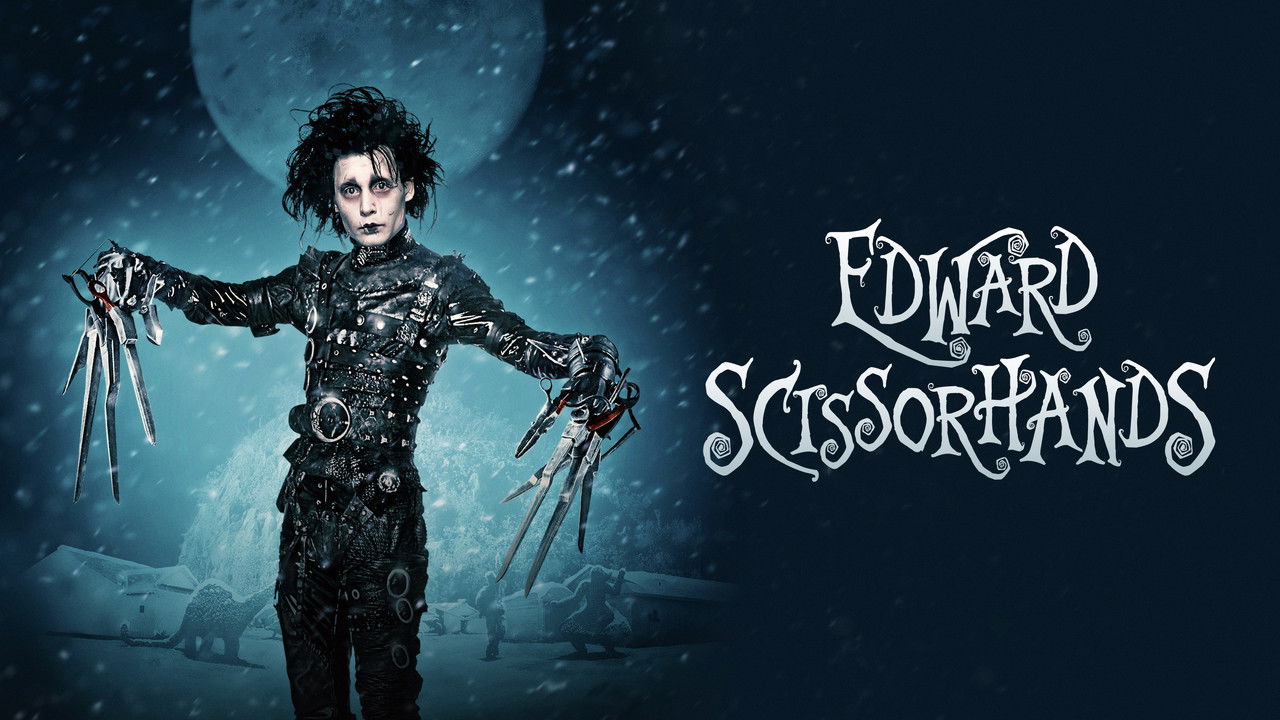
There is a specific kind of Florida humidity that makes pastel paint look like it’s screaming, and Tim Burton captured it perfectly by dropping a pale, leather-clad goth boy right into the middle of it. I watched this while nursing a mild coffee burn on my tongue, which felt strangely appropriate given the film’s focus on physical clumsiness and the inherent danger of just trying to exist. Edward Scissorhands isn't just a movie; it’s the definitive "outsider" manifesto that managed to sneak its way into the mainstream by pretending to be a fairy tale.
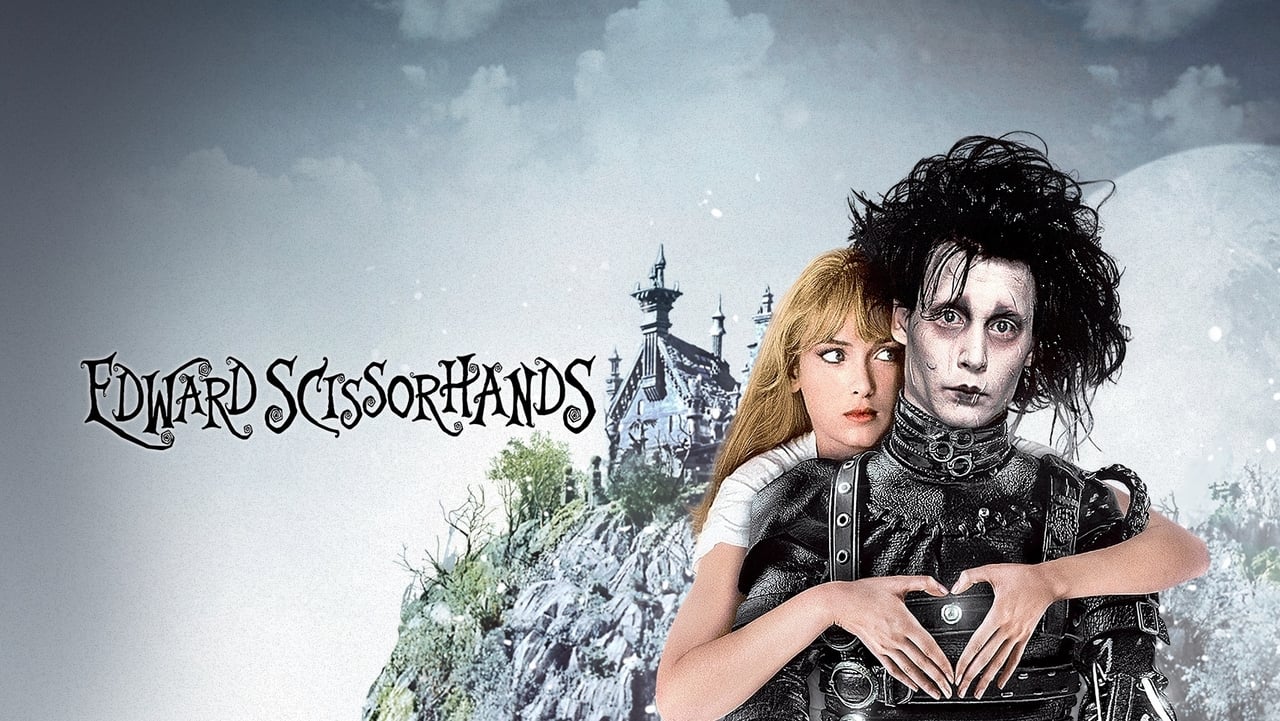
Looking back from the digital age, there’s something heartbreakingly tactile about this film. It’s the peak of that transitional era where practical effects—overseen here by the legendary Stan Winston—felt more "real" than the most expensive CGI of today. When Edward accidentally nicks his own face, you don't just see a scratch; you feel the vulnerability of a creature who literally cannot touch what he loves without destroying it.
The Pastel Menagerie
The genius of the setting lies in its aggressive normalcy. Dianne Wiest—who is essentially the MVP of suburban warmth—plays Peg Boggs, the Avon lady who finds Edward in his crumbling Gothic castle and decides the best solution for a man with shears for hands is a sensible lavender dress shirt and some concealer. The neighborhood she lives in was an actual housing development in Lutz, Florida, which the production crew painted in sun-faded shades of seafoam, lemon, and pink.
I’ve always felt that the town’s rapid descent from 'curiosity' to 'pitchfork mob' is the most realistic thing in a movie featuring a man with gardening shears for fingers. One minute, Edward is the neighborhood's darling, sculpting poodles into bushes and giving the local housewives avant-garde bobs; the next, he’s a pariah because he doesn't understand the concept of property or the predatory advances of Joyce (Kathy Baker). It’s a biting critique of how suburbia consumes "the exotic" until it becomes inconvenient, then spits it out with a vengeance.
The Silence of the Snip
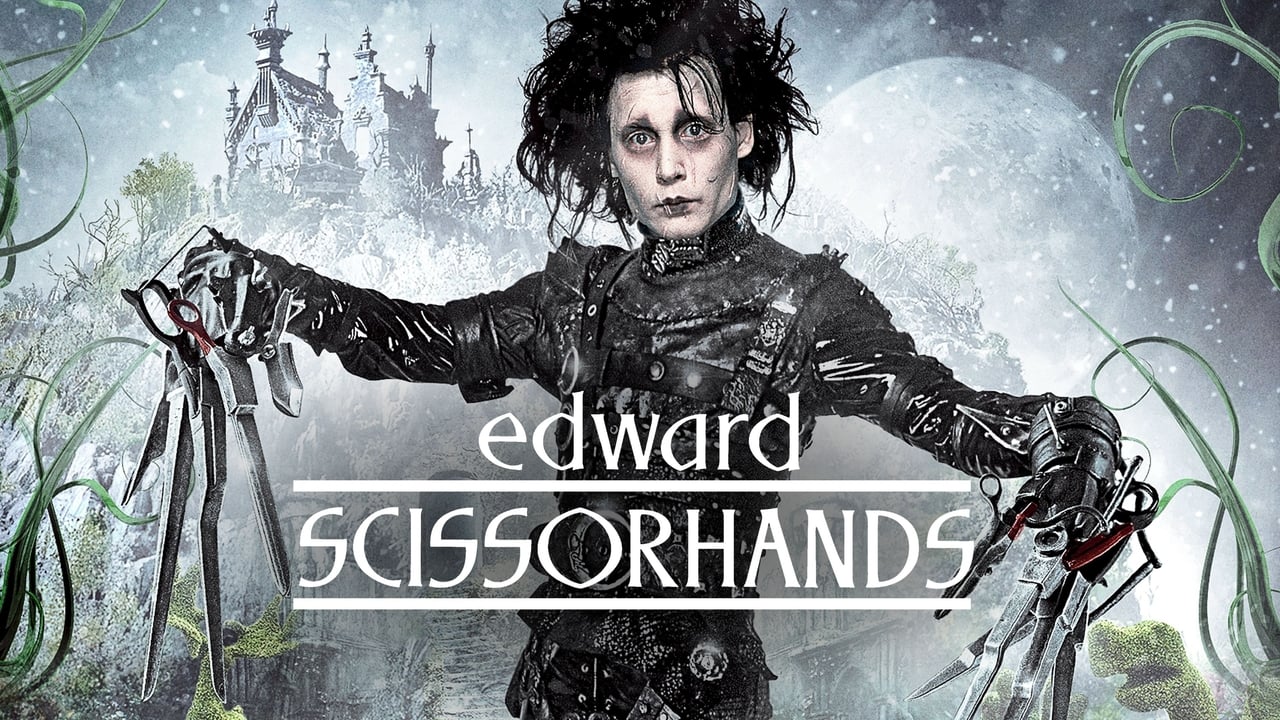
This was the film that effectively killed Johnny Depp's teen-idol image from 21 Jump Street and birthed the eccentric character actor we know today. What strikes me most upon a re-watch is his silence. Edward only speaks 169 words in the entire film. Johnny Depp relies almost entirely on his eyes—wide, terrified, and perpetually hopeful—to convey a soul that is literally unfinished.
Opposite him, Winona Ryder as Kim provides the perfect emotional anchor. While she starts as the quintessential cheerleader girlfriend to the jerk-jock Jim (played with surprisingly effective sleaze by Anthony Michael Hall), her transition from fear to genuine affection is earned. The "ice dance" scene, accompanied by Danny Elfman’s choral, ethereal score, remains one of the most beautiful sequences in cinema history. It’s the moment the film stops being a dark comedy and becomes a pure, unadulterated romance.
From Flop-ish to Forever
While it wasn't a "bomb" at the box office, Edward Scissorhands took time to cement its status as a cult powerhouse. It was a movie that people found on VHS and DVD, often feeling like they had discovered a secret world. The behind-the-scenes lore only adds to the magic. For instance, Johnny Depp reportedly lost 25 pounds to fit into that suffocating leather suit, and on one occasion, he actually collapsed from heat exhaustion on the Florida set.
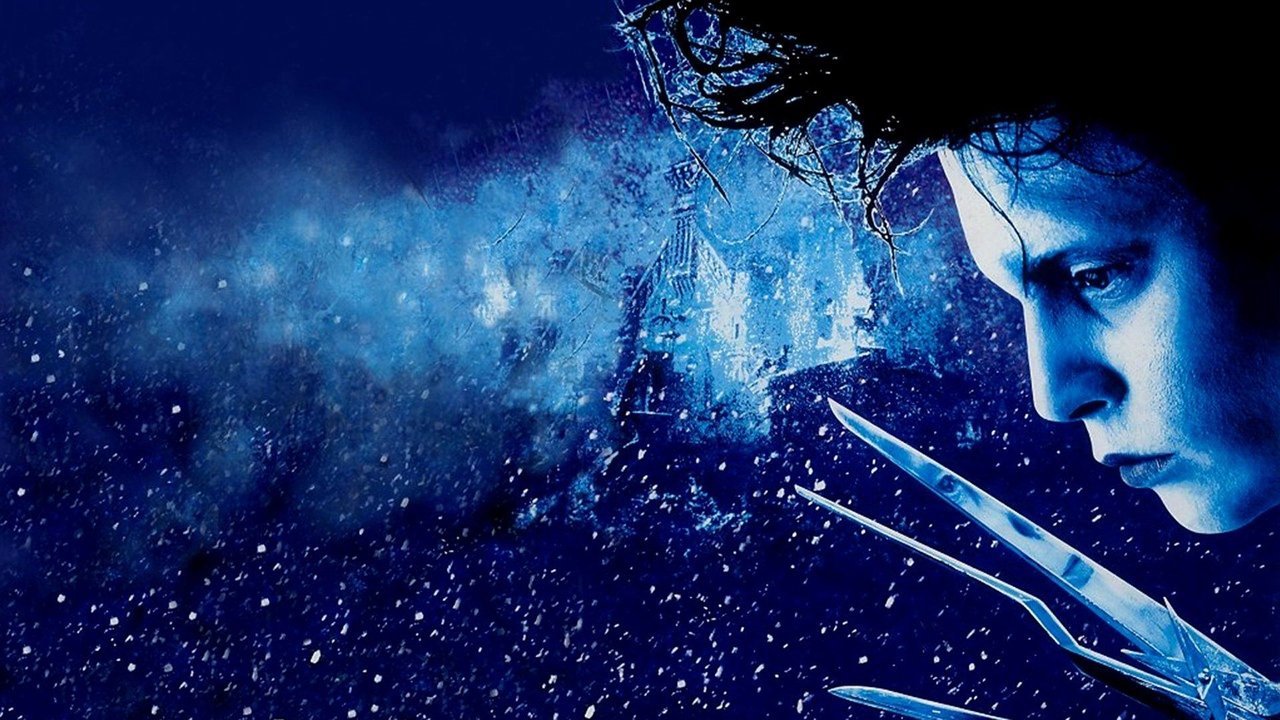
The film also served as a poignant swan song for horror icon Vincent Price, who played The Inventor. Price was battling Parkinson’s during filming, which is why his character has so little dialogue and spends much of his screentime sitting or falling. Watching him die on screen as Edward looks on is a meta-commentary on the passing of a certain era of classic Hollywood macabre into the hands of a new generation.
Turns out, the movie almost looked very different. Before Depp was cast, the studio pushed for Tom Cruise. Cruise reportedly spent a meeting asking "logical" questions, like how Edward went to the bathroom or why he hadn't grown new hands in all those years. Thankfully, Burton stuck to his guns; this isn't a movie for people who need logic—it’s for people who feel like they’re wearing scissors for mittens in a world made of silk.
Ultimately, Edward Scissorhands is the rare 90s film that hasn't aged a day because it never belonged to a specific time to begin with. It’s a fable about the tragedy of being "useful" but not "touchable." Every time those paper snowflakes start falling at the end, I find myself forgiving the film for its slight pacing hiccups in the second act. It’s a masterpiece of mood, a triumph of set design, and a reminder that sometimes the most dangerous thing you can be in a small town is different.
Keep Exploring...
-
Corpse Bride
2005
-
Ed Wood
1994
-
Big Fish
2003
-

What's Eating Gilbert Grape
1993
-
Sleepy Hollow
1999
-
Just Like Heaven
2005
-
Stranger Than Fiction
2006
-
The Illusionist
2006
-
Ghost
1990
-
What Dreams May Come
1998
-
The Family Man
2000
-
The Curious Case of Benjamin Button
2008
-
Only Lovers Left Alive
2013
-
Big Eyes
2014
-
Dead Man
1995
-
Charlie and the Chocolate Factory
2005
-
Groundhog Day
1993
-
The Secret Garden
1993
-
13 Going on 30
2004
-
Across the Universe
2007