Flatliners
"Death is a great place to visit, but you wouldn't want to live there."
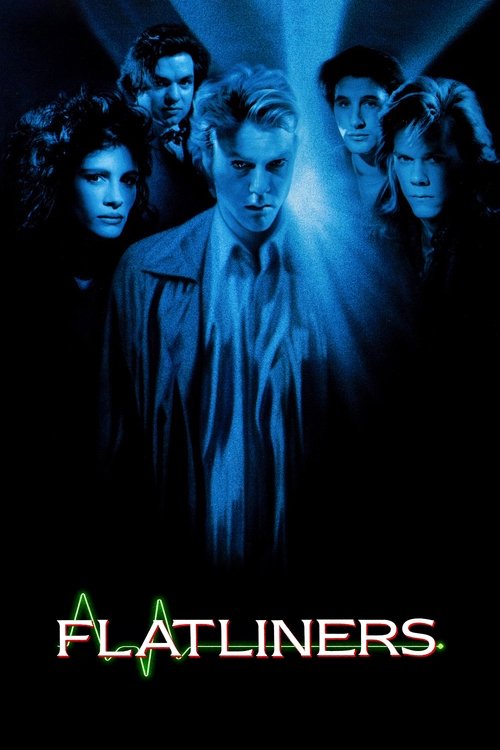
Walking into a movie directed by Joel Schumacher usually means you’re in for a specific kind of sensory overload. Before he was putting nipples on the Batsuit, he was the king of the "neon-gothic" aesthetic, and 1990’s Flatliners might be the purest distillation of that style. It’s a film that exists in a world where medical students apparently have the budget of interior designers and Chicago is perpetually shrouded in a blue-tinted mist. I watched this most recently on a humid Tuesday night while my neighbor’s dog barked in a rhythmic pattern that sounded suspiciously like a failing EKG monitor, and honestly, the coincidence only added to the tension.
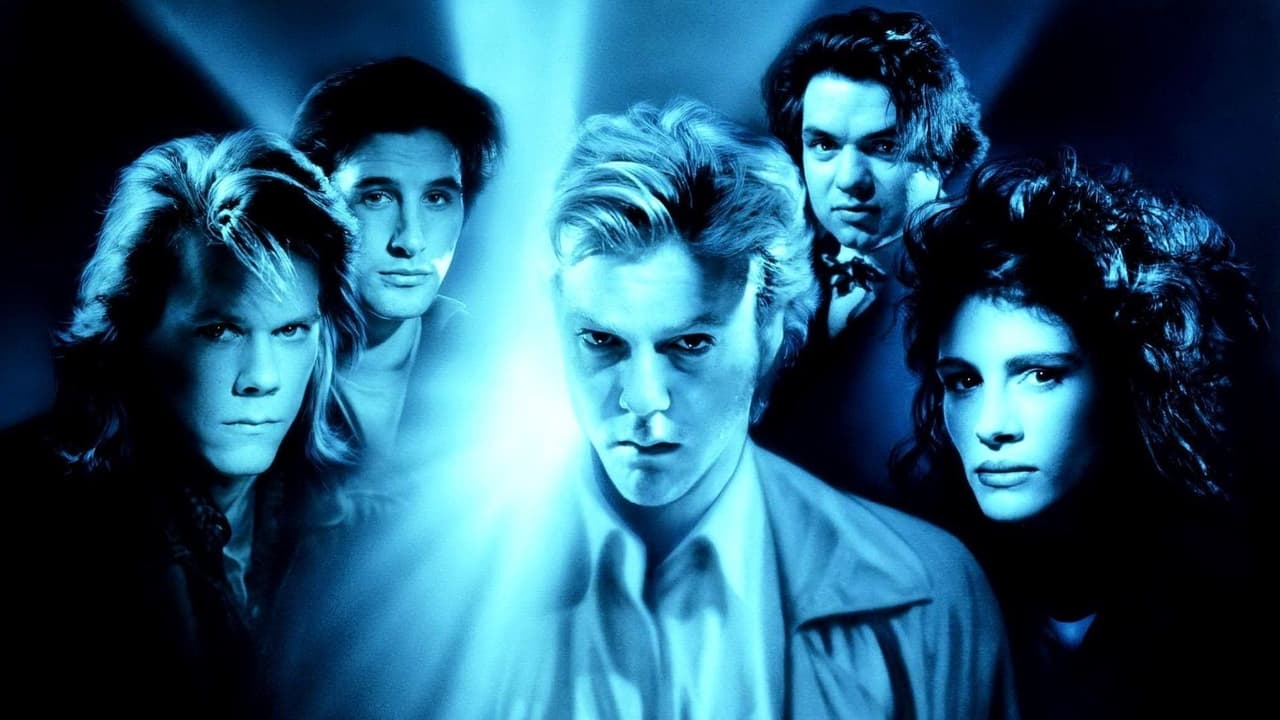
Flatliners arrived at a fascinating crossroads in cinema history. We were shaking off the neon-soaked excess of the 80s and moving toward the grimier, more cynical 90s. It’s a horror-thriller that doesn't rely on slasher tropes or buckets of blood, but rather on the high-concept anxiety of what happens when the heart stops.
Neon, Steam, and Stethoscopes
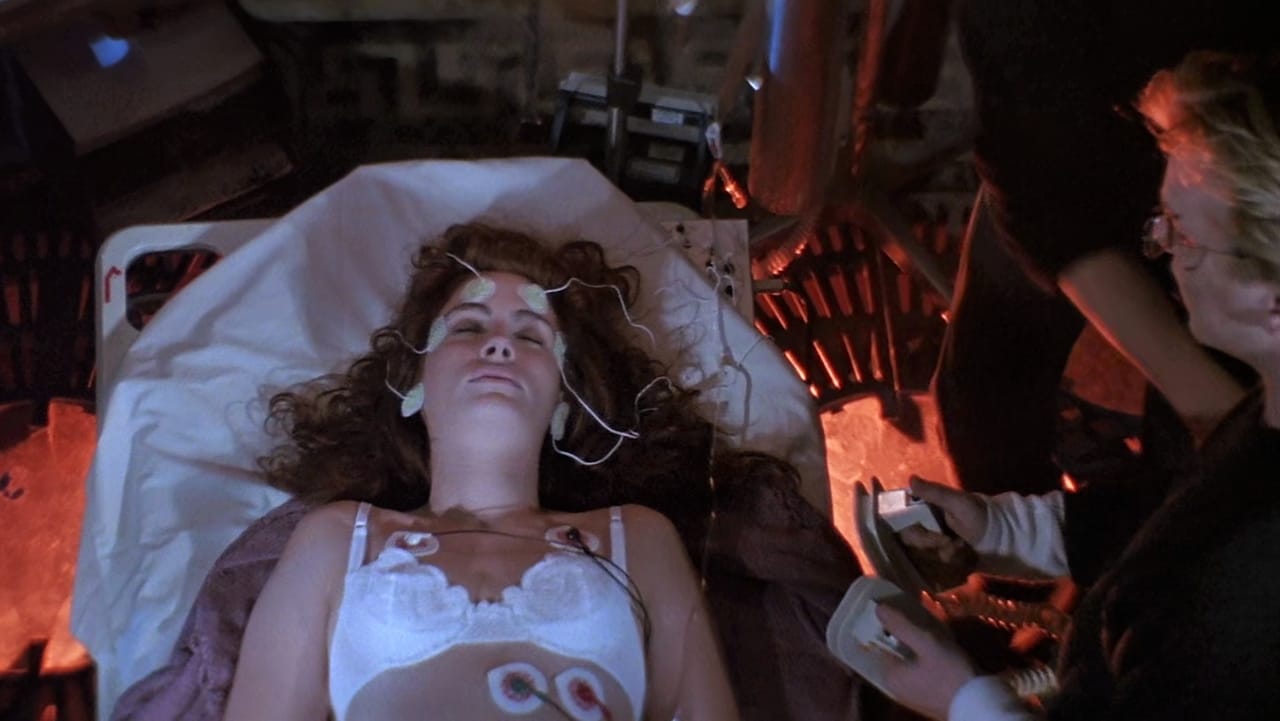
The premise is pure "what if" gold: five arrogant, sleep-deprived medical students decide to systematically kill themselves to see what’s on the other side, only to be revived by their peers minutes later. But as the tagline warns, "some lines shouldn't be crossed." When they return, they don't just bring back memories of white lights and peaceful meadows; they bring back the physical manifestations of their darkest sins.
What struck me upon this rewatch is how much the film relies on the incredible cinematography of Jan de Bont, who would later give us the high-octane thrills of Speed. There is almost zero CGI here. Every haunting image—the boy in the red hoodie, the flickering shadows of a cavernous loft—is achieved through lighting and practical trickery. It gives the film a weight and a presence that modern digital horror often lacks. The entire movie looks like a high-budget Goth music video for people who went to medical school, and I mean that as a sincere compliment. The operating room isn't a sterile white box; it’s a vaulted, shadowy cathedral where science and spirituality have a very messy breakup.
The Pre-A-List Power Hour
The cast is a ridiculous "who’s who" of 1990 Hollywood. You have Kiefer Sutherland as Nelson, the group's charismatic and dangerously obsessive leader. Kiefer Sutherland plays Nelson with such aggressive, chain-smoking intensity that I’m surprised his lab coat didn’t spontaneously combust mid-scene. He’s the engine of the movie, driving the plot forward with a reckless disregard for ethics that feels quintessentially "ambitious 90s protagonist."
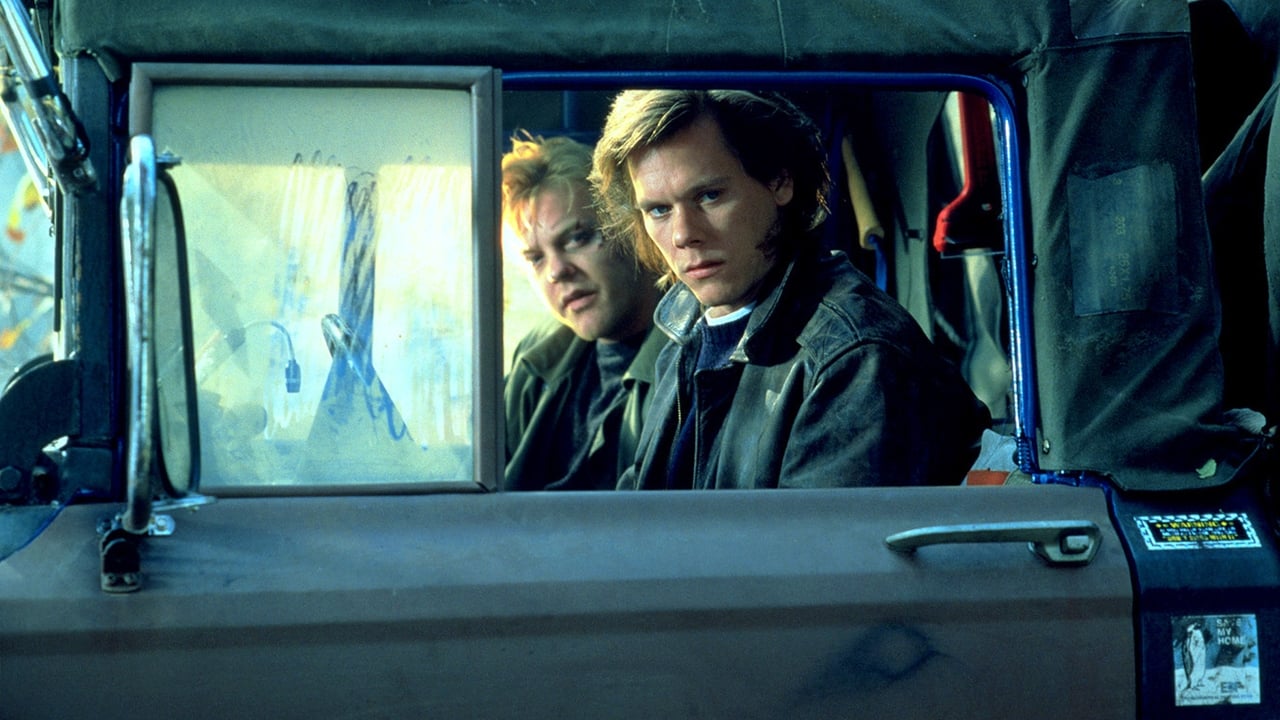
Then there’s Julia Roberts, fresh off the stratosphere-launching success of Pretty Woman. She plays Rachel, the soul of the group, and her storyline involving her father remains the most emotionally resonant part of the film. You also have Kevin Bacon as the cynical, pragmatic Labraccio, and William Baldwin as the resident playboy who secretly videotapes his conquests—a subplot that has aged like a fine glass of milk in the sun, though it serves to make his eventual haunting feel deeply earned. Finally, Oliver Platt provides the much-needed voice of reason as Steckle, the only one who seems to realize that killing yourself for a science project is a fundamentally terrible idea.
Guilt is the Real Ghost
As a horror film, Flatliners operates on a psychological level. It’s less about monsters under the bed and more about the skeletons in the closet. The scares are effective because they are personal. When Kevin Bacon is tormented by the girl he bullied in grade school, it’s not just a jump scare; it’s a confrontation with his own character.
The film does occasionally trip over its own melodrama. James Newton Howard’s score is soaring and choral, occasionally pushing the "this is very important cinema" button a bit too hard. But even when the dialogue gets a little purple, the atmosphere keeps you pinned to the seat. It captures that Y2K-adjacent anxiety—the idea that technology and science were advancing faster than our moral ability to handle the consequences.
Looking back, Flatliners is a reminder of a time when major studios would take a decent budget ($26 million was no pittance in 1990) and hand it to a stylist like Joel Schumacher to make a moody, philosophical ghost story. It’s a film about the weight of the past, dressed up in the coolest leather jackets the early 90s could provide. It’s not a perfect medical procedure, but the patient definitely has a pulse.
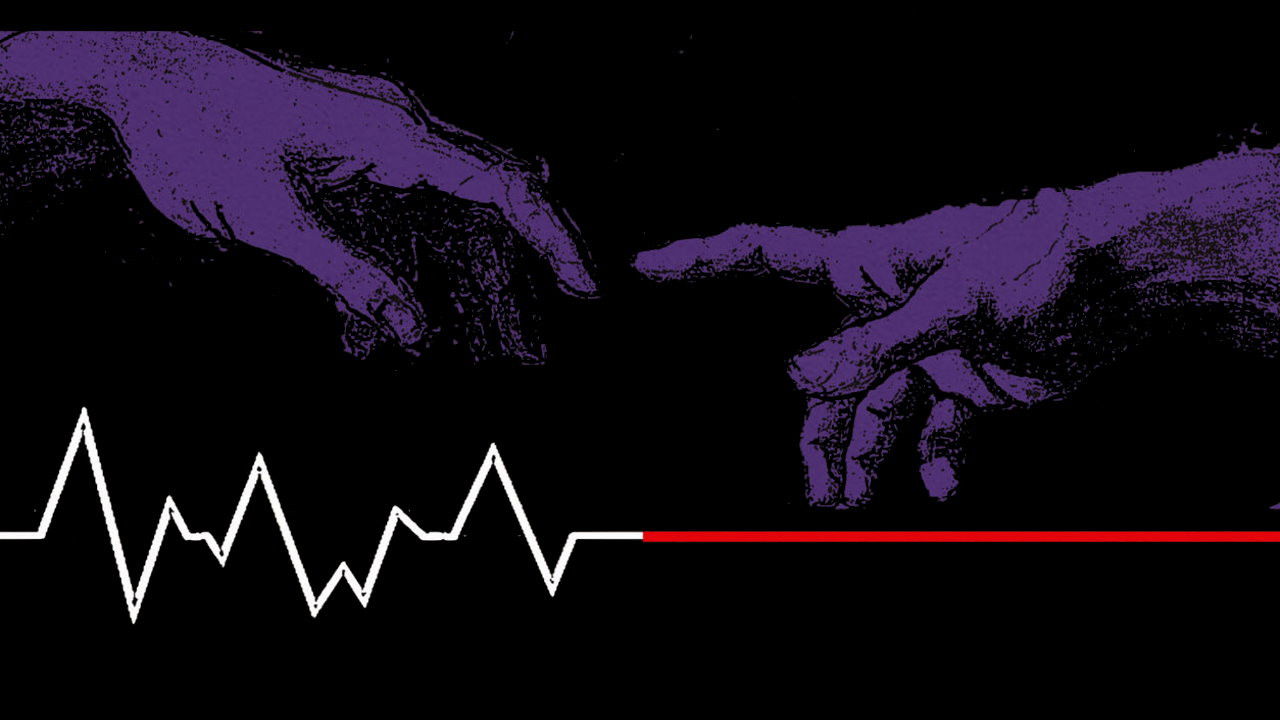
If you can get past the "why is there so much steam in a hospital?" logic, Flatliners remains a top-tier psychological thriller. It’s a stylish, well-acted exploration of hubris that manages to be spooky without being exploitative. It’s the kind of film that makes you want to call your old elementary school classmates and apologize for anything mean you ever said, just in case they decide to manifest in your hallway with a hockey stick.
***
Trivia Note: To get the actors into the headspace of their characters, the production actually had them observe real-life medical procedures and learn how to use the resuscitation equipment. Apparently, Kiefer Sutherland became so proficient that he could have probably held his own in a real ER, which is exactly the kind of terrifyingly focused energy he brings to the screen.

Keep Exploring...
-
Mary Shelley's Frankenstein
1994
-
The Client
1994
-
Carriers
2009
-
The Craft
1996
-

Dreamcatcher
2003
-

Jacob's Ladder
1990
-
Candyman
1992
-

Falling Down
1993
-

The Good Son
1993
-

Strange Days
1995
-

Village of the Damned
1995
-
A Time to Kill
1996
-
Lake Placid
1999
-

The Lost Boys
1987
-
Wolf
1994
-
The Phantom of the Opera
2004
-

The Host
2006
-
Mimic
1997
-

The Gift
2000
-

S1m0ne
2002