Ghost
"Love never dies, but betrayal leaves a cold trail."
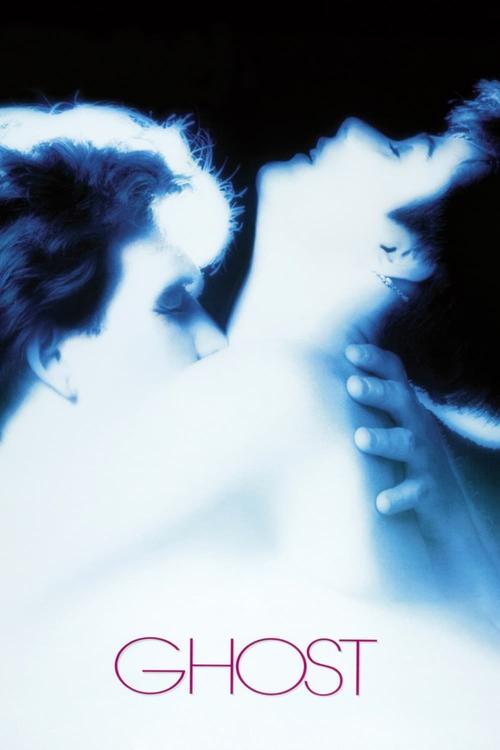
There is a specific, grimy chill to 1990 New York cinema that we’ve largely lost to the era of glass towers and digital cleanup. I’m talking about that industrial, loft-living-under-construction vibe where the streets look permanently damp and every alleyway feels like a portal to a bad decision. I rewatched Ghost recently while wearing a pair of incredibly itchy wool socks that made the concept of "unresolved discomfort" feel very literal, and I was struck by how much of a psychological thriller it actually is. We remember the pottery wheel, but we tend to forget the cold-blooded murder, the corporate money laundering, and the literal demons dragging yuppies into the void.
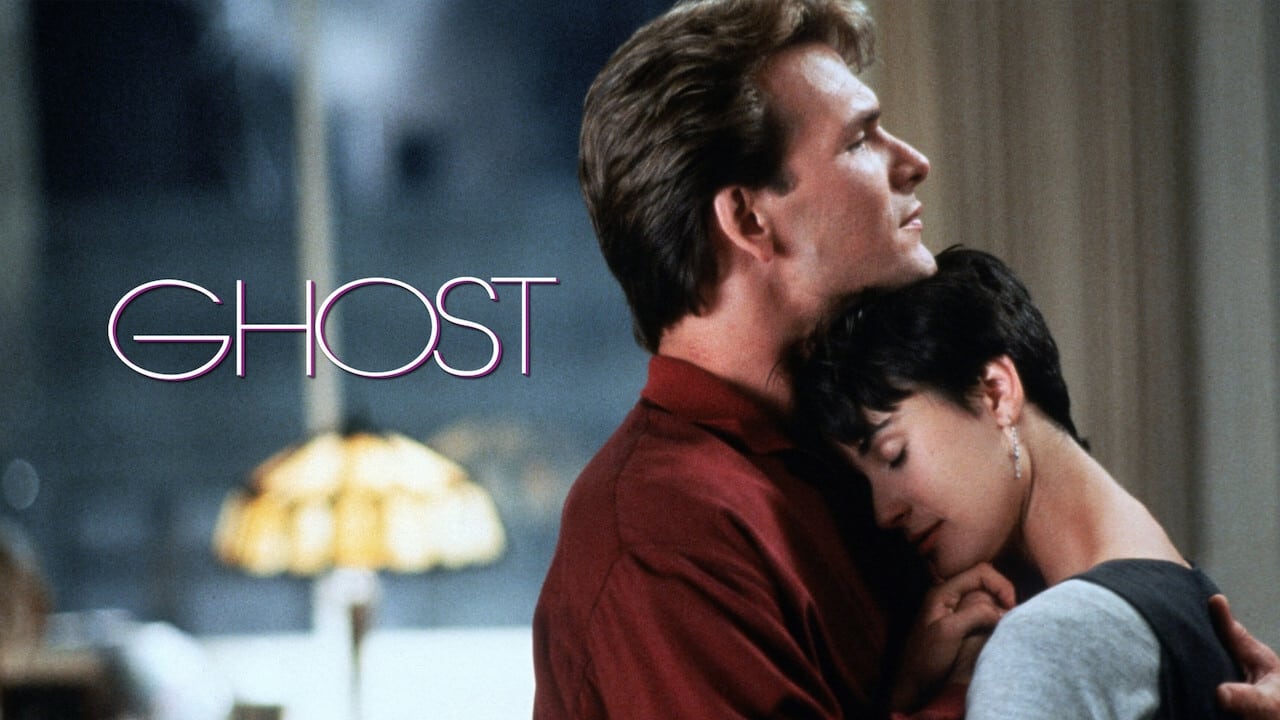
The Gritty Reality of the Great Beyond
Before it became the quintessential "date night" VHS, Ghost was a massive gamble. You have Jerry Zucker—one third of the legendary team behind Airplane! and The Naked Gun—stepping away from slapstick to direct a high-stakes supernatural drama. It shouldn't work. On paper, it sounds like a mess of genres: a romance wrapped in a murder mystery with a side of metaphysical horror. Yet, the film leans into its darkness with a sincerity that modern blockbusters often lack.
The central tragedy isn't just that Sam Wheat, played with a surprising, bruised vulnerability by Patrick Swayze, dies; it’s the clinical, sudden nature of his exit. One minute he’s arguing about the word "ditto," and the next he’s watching his own body expire on a rain-slicked sidewalk. Ghost is secretly a horror movie masquerading as a date night staple. When the "shadow demons" emerge to claim the villains, the sound design—which I later learned was actually a recording of babies crying, slowed down and played backward—creates a sense of existential dread that still holds up. It’s a grim reminder that in this universe, the afterlife has a very active HR department for the wicked.
A Masterclass in Genre-Blending

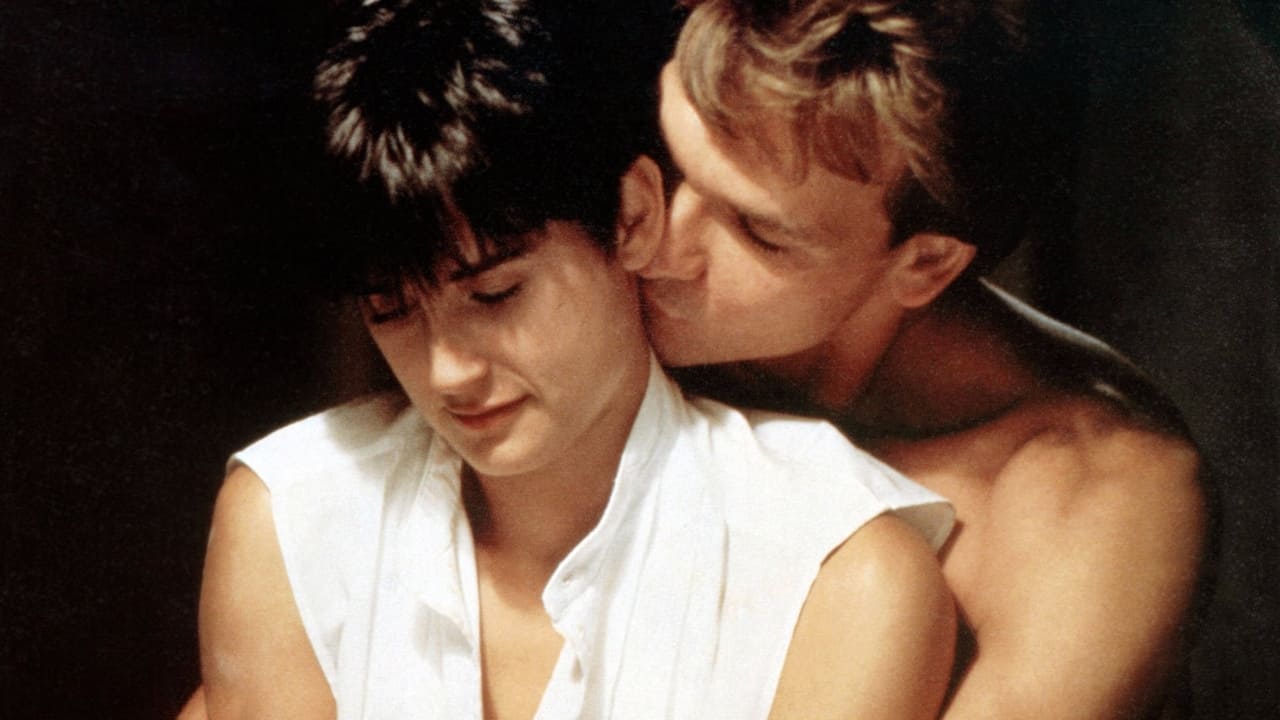
While Patrick Swayze was coming off the high-octane heels of Road House (1989), Ghost required him to be essentially powerless for two hours. He can’t touch the woman he loves, and he can’t punch the man who betrayed him. That frustration drives the film. Demi Moore, as Molly Jensen, delivers a performance that is almost entirely composed of grief. It’s a quiet, heavy turn that balances the more fantastical elements.
Then, of course, there is Whoopi Goldberg. It is impossible to overstate how much she carries the energy of this movie as Oda Mae Brown. Before the MCU perfected the "quippy sidekick" formula, Goldberg was showing us how to ground the supernatural in relatable, hilarious skepticism. She treats the spirit world like a massive inconvenience, and her chemistry with a ghost she can’t even see is the film's true engine. Tony Goldwyn also deserves a nod as Carl Bruner; he plays the "yuppie sociopath" with such oily precision that you’re practically rooting for the shadow demons by the third act.
The $505 Million Phenomenon
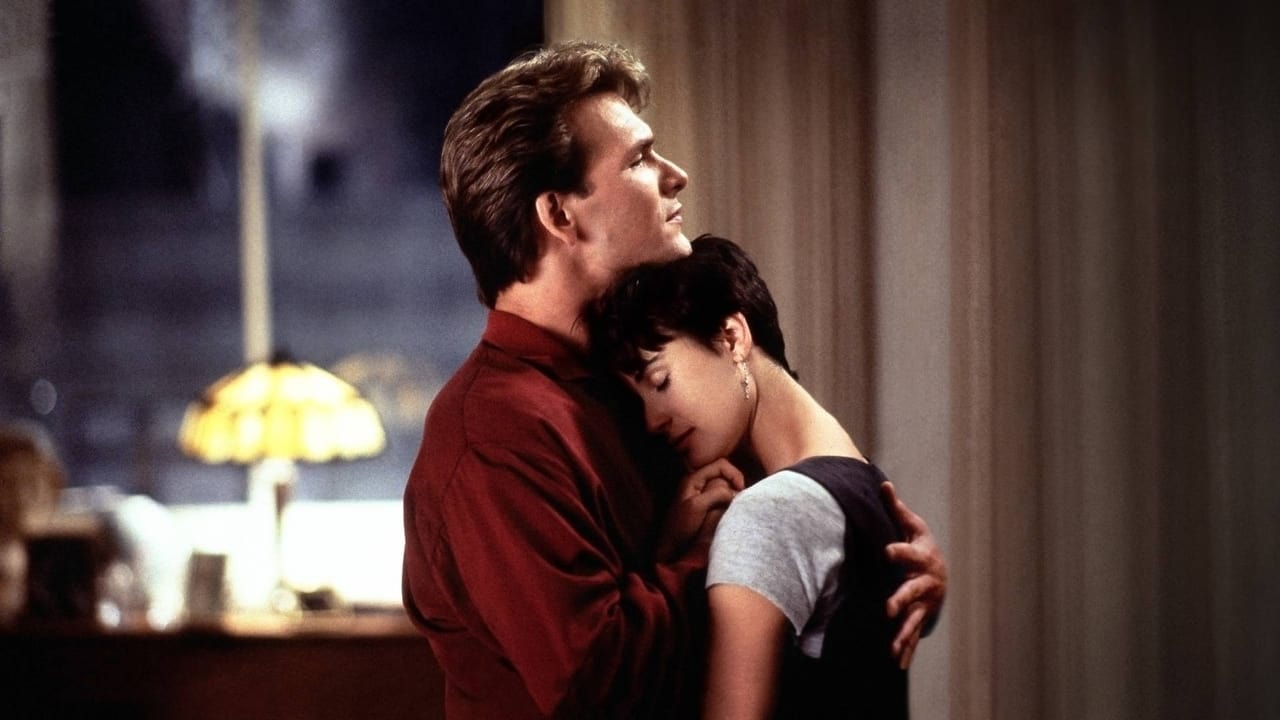
Looking back, the financial footprint of Ghost is staggering. With a modest budget of $22 million, it went on to rake in over $505 million globally. To put that in perspective, it out-earned Home Alone and Pretty Woman that year, becoming the highest-grossing film of 1990. It wasn't just a hit; it was a cultural takeover. It’s the kind of mid-budget adult drama that studios simply don't make anymore, favoring instead the $200 million franchise starters.
The production was a fascinating bridge between the old world and the new. We see early glimpses of the CGI revolution that would soon be led by Jurassic Park (1993), particularly in the way Sam moves through solid objects. But much of the film’s "magic" relied on practical cleverness. For instance, the famous subway scenes featured Vincent Schiavelli as the haunting Subway Ghost. The way he moved and the atmospheric lighting did more to sell the "otherness" of the afterlife than a million dollars of digital polish ever could. Apparently, Patrick Swayze had to chew ice before his takes so his breath wouldn't be visible on camera—a low-tech trick to prove he was a cold, lifeless spirit.
The film earns its emotional climax not through the special effects, but through the agonizing distance between its leads. By the time Maurice Jarre’s score swells and the "Unchained Melody" kicks in for the final time, the movie has successfully navigated through corporate thriller territory and supernatural horror to land a punch right in the gut. It’s a reminder that even in a decade obsessed with excess, a story about the simple, desperate need to say "I love you" one last time is what truly resonates. Ghost remains a hauntingly effective piece of commercial filmmaking that respects its audience's intelligence as much as its tear ducts.

Keep Exploring...
-
Inland Empire
2006
-
The Illusionist
2006
-
Primal Fear
1996
-
Mystic River
2003
-
Batman: Mask of the Phantasm
1993
-
Unbreakable
2000
-
The Bourne Identity
2002
-
The Bourne Ultimatum
2007
-
The Girl with the Dragon Tattoo
2009
-
Forever Young
1992
-
In the Line of Fire
1993
-

The Firm
1993
-
The Jacket
2005
-

Jacob's Ladder
1990
-
Cape Fear
1991
-
JFK
1991
-
A Perfect World
1993
-
The Fugitive
1993
-

Legends of the Fall
1994
-
Twelve Monkeys
1995