GoodFellas
"Murder, marinara, and the seductive rot of the American Dream."
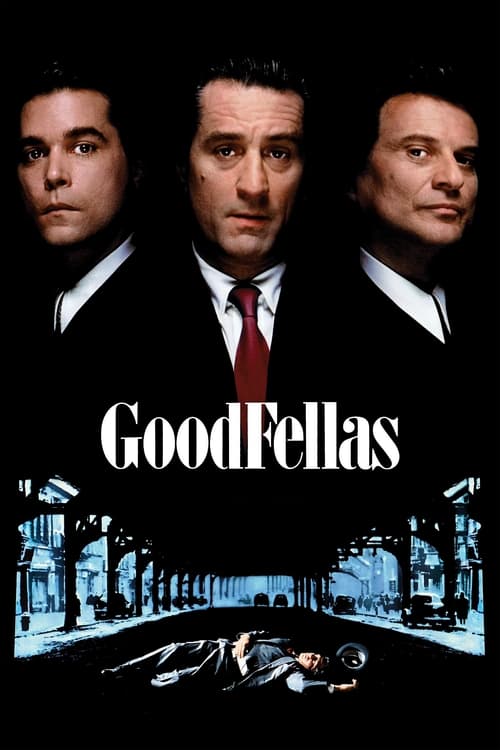
The first thing I always think about when GoodFellas comes to mind isn’t the violence or the glamour—it’s the sound of that trunk thudding in the middle of the night. It’s a wet, heavy noise that tells you everything you need to know about the "life." While Francis Ford Coppola gave us the Mafia as a Shakespearean tragedy of kings and succession, Martin Scorsese decided to show us the guys in the basement—the ones who worry about their suits getting blood on them and whether there’s enough garlic in the sauce.

I remember watching this for the third time on a humid Tuesday night while struggling to fold a fitted sheet. I eventually gave up, threw the lumpy mass of linen into the corner, and sat on the floor, completely mesmerized by the frantic, cocaine-fueled energy of the film’s final act. It’s a movie that makes you feel like you’re breaking the law just by sitting on your couch.
The Rhythmic Chaos of the Wise Guy
GoodFellas didn’t just change the crime genre; it reinvented how a story could be told in the 1990s. This was the dawn of the "hyper-kinetic" style. Scorsese and his long-time editor Thelma Schoonmaker (who is basically the secret architect of modern cinema pacing) created a rhythm that feels like a heart attack in progress. The freeze frames, the sudden bursts of narration, and the way the camera moves—it’s restless.
The famous Copacabana shot, where the camera follows Ray Liotta and Lorraine Bracco through the back kitchens and into the front row of the club, is more than just a flex by cinematographer Michael Ballhaus. It’s a narrative device. It shows you exactly why Karen Hill fell for Henry: the world opens up for him. Doors literally swing wide. In an era where we were just starting to see the transition from the grit of the 80s to the polished blockbusters of the 90s, this felt like a lightning strike of pure, analog craftsmanship. The Copacabana long take is the ultimate cinematic 'seduction' scene, and it doesn't even need a bedroom.
A Trinity of Dangerous Men
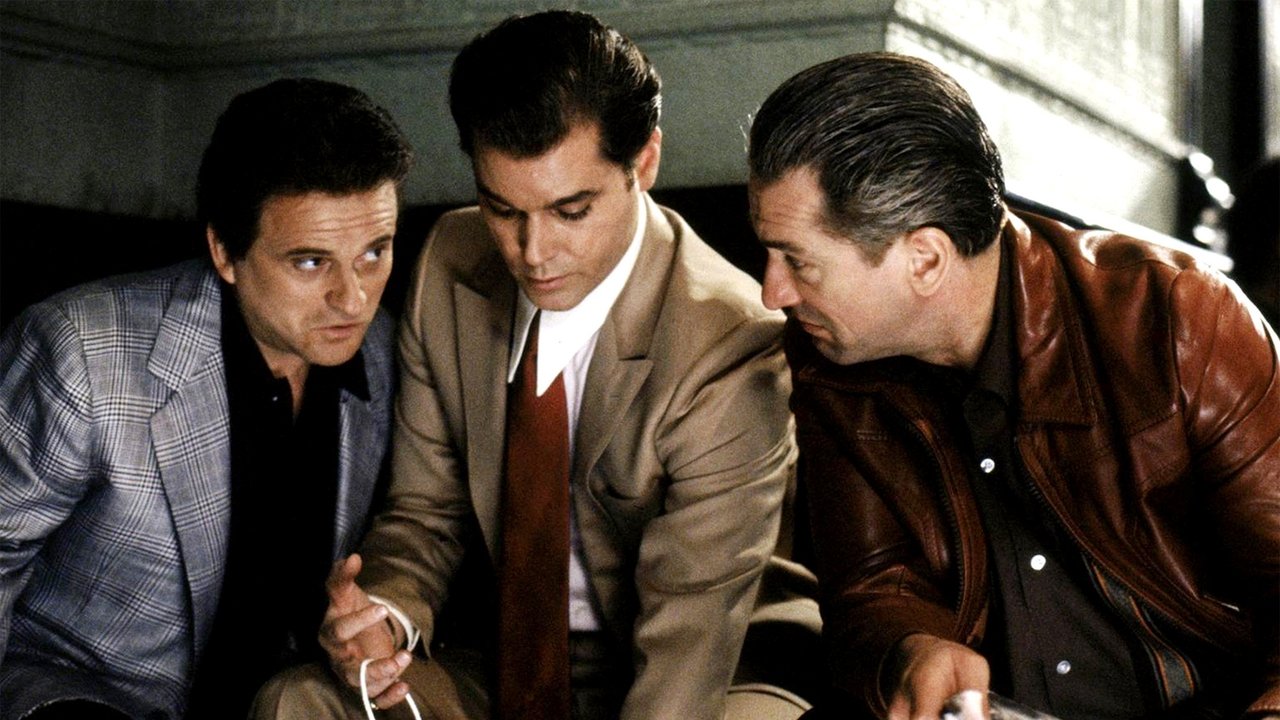
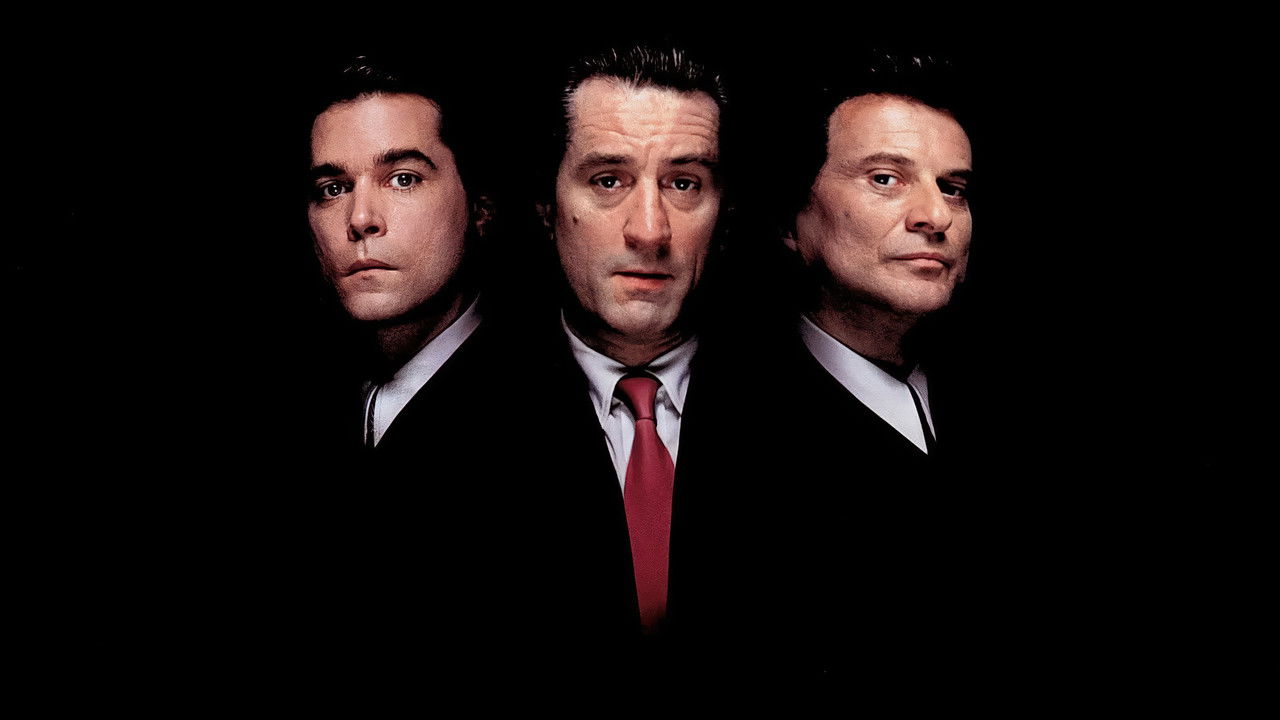
The performances here are so etched into the cultural DNA that it’s hard to see the actors as anyone else. Ray Liotta plays Henry Hill with a wide-eyed, manic desperation that holds the whole thing together. He’s our tour guide through purgatory. But the air in the room changes whenever Joe Pesci enters. His Tommy DeVito is a terrifying creation—essentially a homicidal chihuahua with a Napoleon complex.
The "Funny how?" scene is the gold standard for tension. Apparently, that entire exchange was based on a real-life encounter Pesci had in a restaurant years prior, and Scorsese let the actors improvise it during rehearsals to capture that genuine, skin-crawling discomfort. Then you have Robert De Niro as Jimmy Conway. It’s one of his most subtle, predatory roles. Watch his eyes in the scene at the bar while "Sunshine of Your Love" plays; he doesn't say a word, but you can see him deciding to kill everyone in the room. It’s chilling because it’s so casual. De Niro’s Jimmy Conway is a man who treats murder like a grocery list.
The Prestige of the Underworld
Despite being an instant classic, GoodFellas famously lost Best Picture to Dances with Wolves. Looking back from our current vantage point, that feels like one of the Academy's most "safe" decisions. While Kevin Costner’s epic was beautiful, GoodFellas was revolutionary. It earned six Oscar nominations, but only Joe Pesci took home a statue.
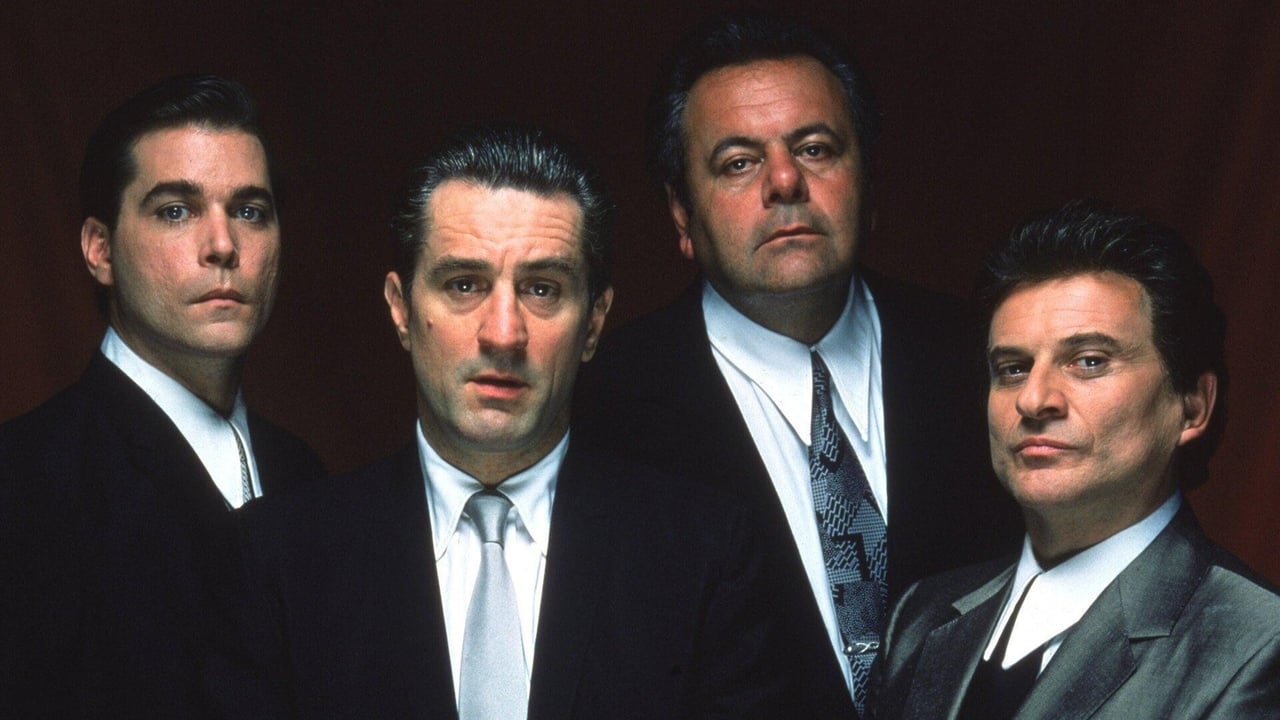
The production was a masterclass in period detail. Scorsese was obsessed with authenticity, even down to the way the characters tied their ties. Nicholas Pileggi, who co-wrote the screenplay based on his book Wiseguy, frequently brought real-life associates of Henry Hill to the set to consult on everything from the dialogue to the table settings. Even the food was real; the famous prison cooking scene featured real lobsters and steak, and Paul Sorvino really was slicing that garlic with a razor blade. It’s that level of prestige craftsmanship applied to such a "low-life" subject matter that gives the film its unique friction.
What’s fascinating to reassess now is how the film treats the women. Lorraine Bracco’s Karen is often overlooked, but she’s the moral compass that eventually spins right off its axis. She isn't a victim; she’s a co-conspirator who likes the white leather shoes and the power just as much as Henry does. Her narration segments provide a necessary, cynical counterpoint to the "boys' club" mentality.
Ultimately, GoodFellas works because it refuses to offer the comfort of a moral. It’s a film about the seductive nature of being an outsider and the inevitable, pathetic rot that follows. By the time the movie reaches its frantic, "Jump Into the Fire" helicopter-paranoia sequence, you’re as exhausted and wired as Henry is. It’s a dark, intense masterpiece that ruined the mob movie for everyone else by being too honest to be romantic.
Whether you’re here for the technical wizardry of the camerawork or just to see Joe Pesci lose his mind over a drink, it remains the ultimate document of the American underworld. It’s a film that leaves you feeling a bit greasy, a bit thrilled, and incredibly glad you aren't the one looking for a shovel in the middle of the night.
Keep Exploring...
-
Casino
1995
-
Cape Fear
1991
-
The Departed
2006
-

Taxi Driver
1976
-
A Bronx Tale
1993
-

The Irishman
2019
-
The Wolf of Wall Street
2013
-
The Silence of the Lambs
1991
-
Carlito's Way
1993
-
The Shawshank Redemption
1994
-
The Usual Suspects
1995
-
Shutter Island
2010
-
Mean Streets
1973
-

Léon: The Professional
1994
-
Heat
1995
-
Raging Bull
1980
-
Fargo
1996
-
L.A. Confidential
1997
-
Prisoners
2013
-

Once Upon a Time in America
1984