Home Alone
"Eight years old and ready for war."
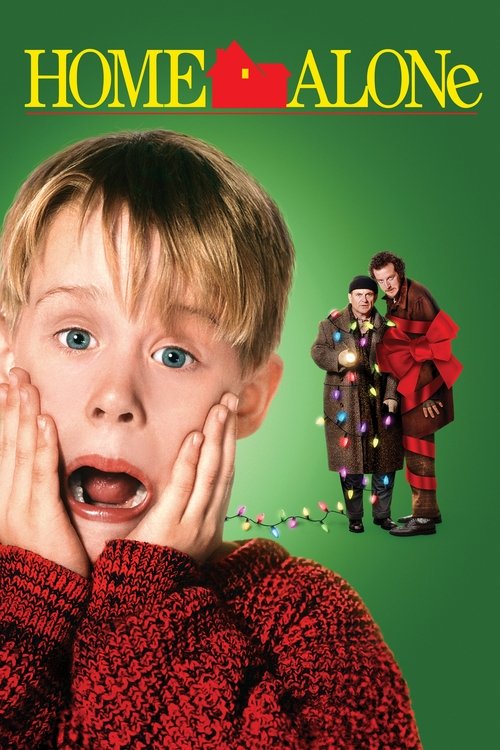
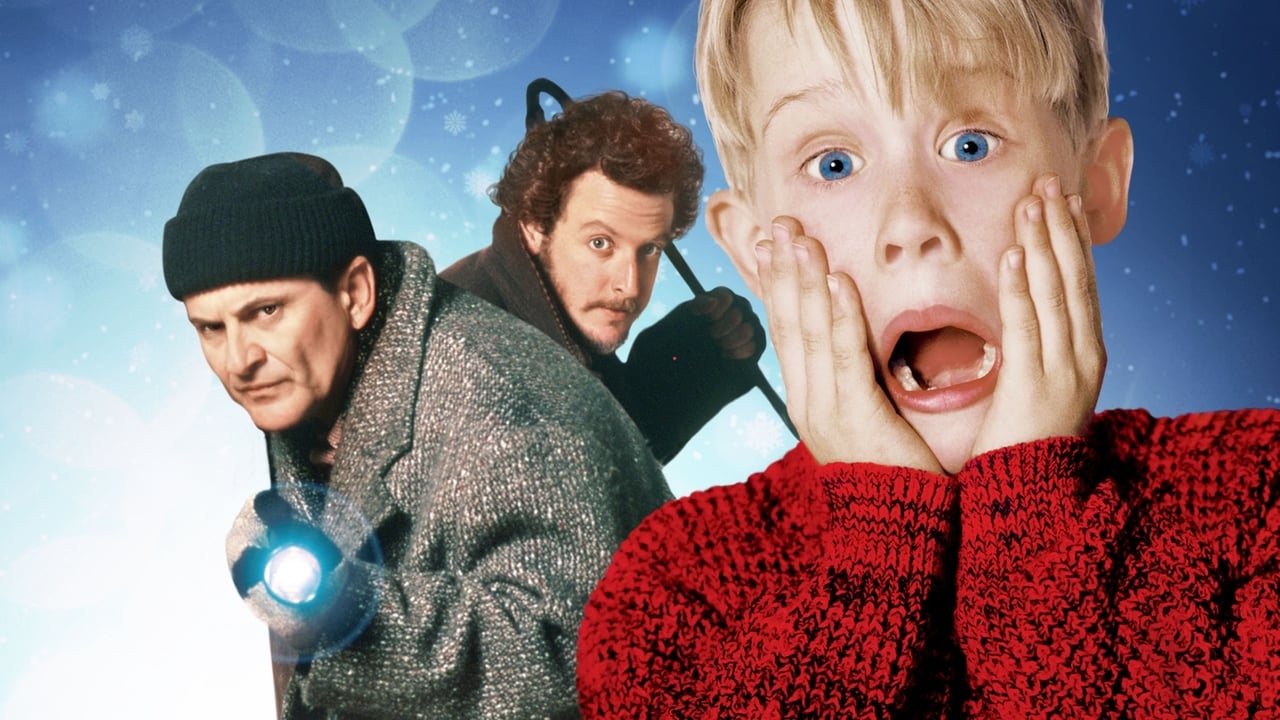
The first thing I always notice about Home Alone isn't the screaming child or the festive lights—it’s the sheer, unadulterated opulence of the McCallister house. That house is a cavernous, red-and-green fortress of 1990s suburban wealth, and it sets a stage so cozy you almost forget you’re watching a movie about a child being hunted by two grown men. It’s the ultimate "what if" scenario for every kid who ever felt overlooked by their family, wrapped in a Christmas bow and delivered with the precision of a heat-seeking missile.
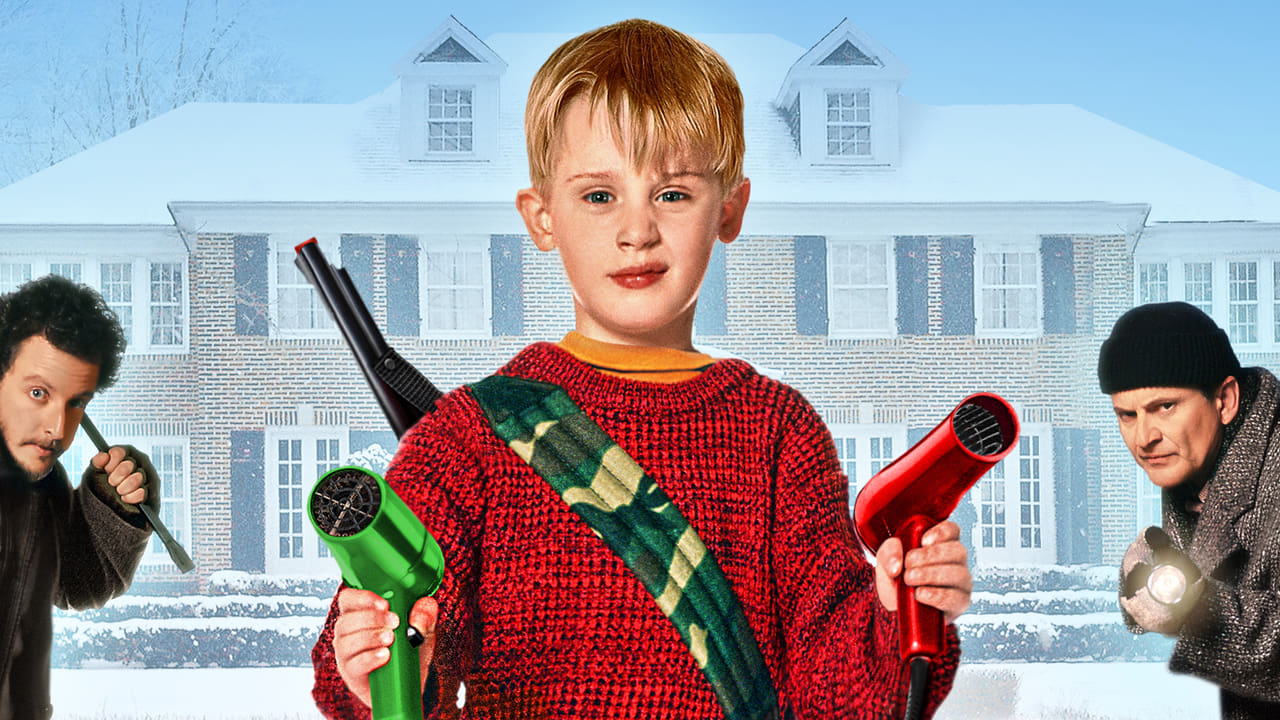
I recently rewatched this while trying to untangle a particularly stubborn string of lights that had been in a box since 2018, and I was struck by how much of this movie's DNA is actually a silent film. Take away the dialogue, and you’ve basically got a high-budget Buster Keaton short. It’s a masterpiece of physical geometry, where every toy car and every icy step is a Chekhov’s Gun waiting to go off in the third act.
The Junior Jigsaw and the Scorsese Veteran
At the center of it all is Macaulay Culkin. It’s easy to forget now, after decades of tabloids and "where are they now" pieces, just how much of a lightning-in-a-bottle performer he was. Most child actors "act" with their eyebrows or by shouting. Culkin just is Kevin. He has this weird, preternatural confidence that makes you believe he could actually survive on macaroni and cheese and ingenious violence.
Then you have the Wet Bandits. The casting here is honestly insane. You have Joe Pesci, fresh off playing the terrifying Tommy DeVito in Goodfellas (which came out only two months prior!), and Daniel Stern, a master of the "lovable moron" archetype. Apparently, Joe Pesci spent his time on set avoiding Culkin because he wanted the kid to be genuinely afraid of him. He even bit Culkin’s finger during the rehearsal for the scene where they hang him on a door hook—leaving a scar the actor still has.
Looking back, Kevin McCallister is basically a junior-grade Jigsaw from the Saw movies, and I say that with the highest level of respect. The sheer malice behind a heated doorknob or a nail through the foot is staggering when you actually stop to think about the physics. But because it’s John Hughes writing and Chris Columbus directing, it never feels mean-spirited; it feels like justice. It’s the fantasy of the powerless suddenly holding all the cards.
A Masterclass in Slapstick Rhythm
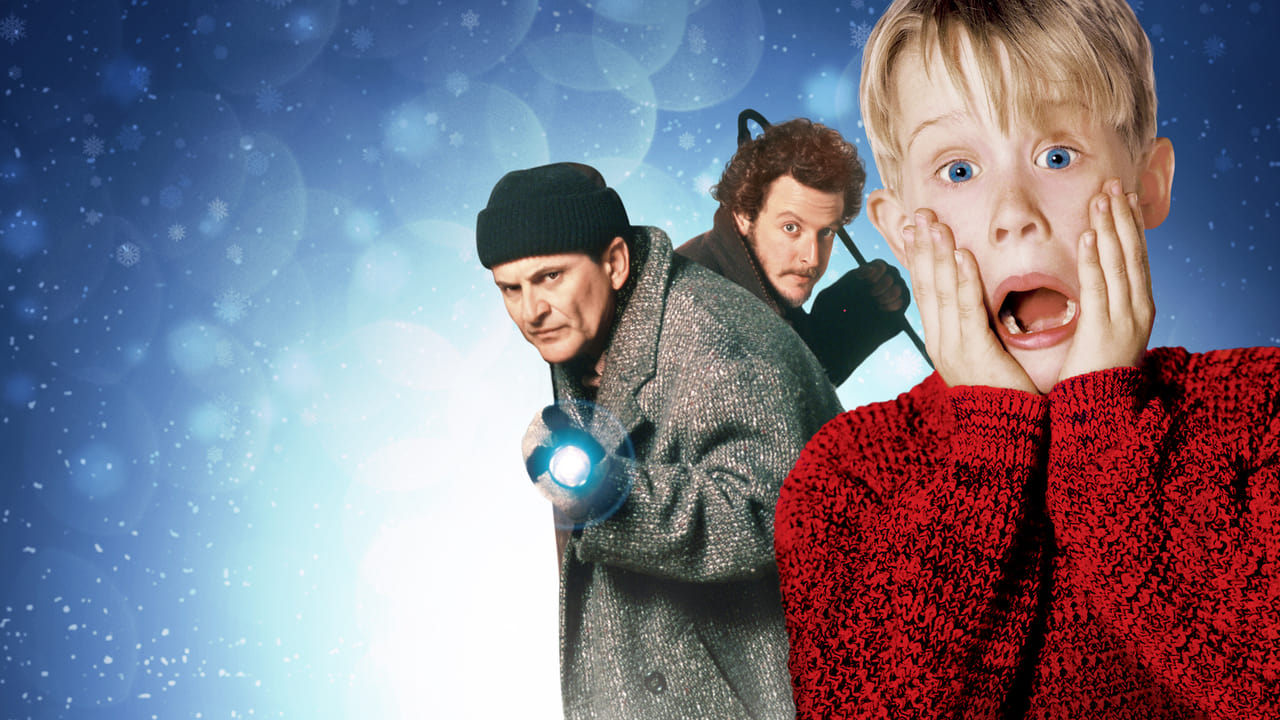
The comedy in Home Alone works because it understands the "Rule of Three" and the beauty of the reaction shot. When Daniel Stern takes a face-full of iron, the silence before the scream is what earns the laugh. The film doesn't rush the gags. It lets the tension build as Harry and Marv slowly realize they aren't dealing with a victim, but a tactical genius.
The score by John Williams (who did Star Wars and Jaws, for those living under a rock) is the secret weapon. He gives the McCallister house a whimsical, almost magical theme, but then pivots to a frantic, Tchaikovsky-esque energy during the trap sequences. It elevates what could have been a standard "kid outsmarts burglars" romp into something that feels like a modern fairy tale. Even the fake gangster movie Kevin watches, Angels with Filthy Souls, was shot specifically for this film. "Keep the change, ya filthy animal" is now more iconic than 90% of actual noir dialogue.
The $476 Million Surprise
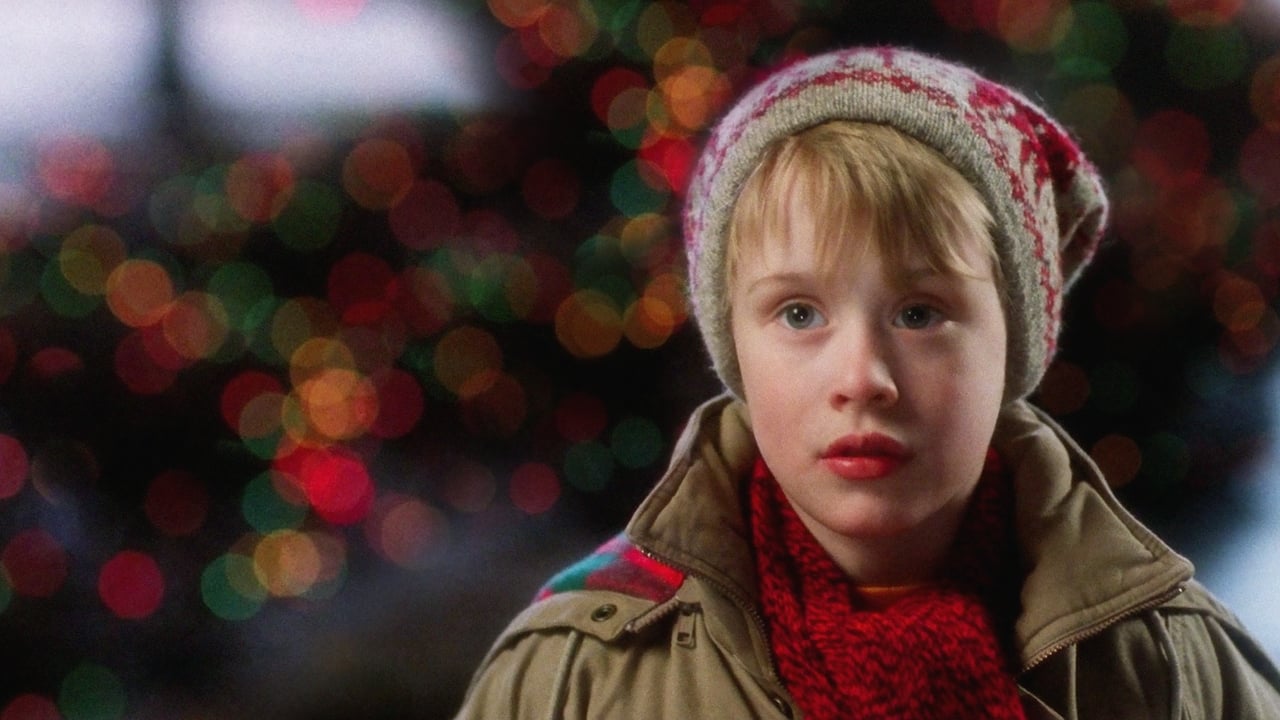
When Home Alone came out in November 1990, it was expected to be a modest success. Instead, it became a cultural supernova. It stayed at number one at the box office for twelve straight weeks and remained in the top ten well into the following Easter. It turned an $18 million budget into nearly $477 million worldwide. This wasn't just a movie; it was the birth of a franchise mentality that would define the next two decades.
In the transition from the analog 80s to the tech-heavy 90s, Home Alone caught the last gasp of a world where you could actually be "lost" without a cell phone. If Catherine O'Hara (who is brilliant here as the frantic, guilt-ridden mother) had a smartphone, the movie would be fifteen minutes long. But that’s the charm. It’s a snapshot of a very specific era of parenting and childhood independence that feels increasingly alien today.
What holds up best isn't even the traps—it’s the heart. The subplot with Old Man Marley (Roberts Blossom) provides the emotional anchor that prevents the movie from becoming a live-action Tom and Jerry cartoon. It’s about the fear of being alone, whether you’re an eight-year-old boy or an elderly man estranged from his family.
This is the quintessential family comedy for a reason. It balances the sugar of the holidays with the salt of some truly brutal physical comedy. While the sequels would eventually run the formula into the ground, the original remains a lean, perfectly paced exercise in wish fulfillment. It’s a film that respects a child’s ingenuity and reminds us that, sometimes, the best way to handle a crisis is with a well-placed micro-machine and a terrifyingly loud scream.

Keep Exploring...
-
Home Alone 2: Lost in New York
1992
-
Mrs. Doubtfire
1993
-
Teenage Mutant Ninja Turtles
1990
-
The Santa Clause
1994
-
Toy Story
1995
-
Stepmom
1998
-
Hook
1991
-
Over the Hedge
2006
-
MouseHunt
1997
-
Chicken Run
2000
-
The Princess Diaries
2001
-
Elf
2003
-
Freaky Friday
2003
-
The Princess Diaries 2: Royal Engagement
2004
-

The SpongeBob SquarePants Movie
2004
-
Nanny McPhee
2005
-

Wallace & Gromit: The Curse of the Were-Rabbit
2005
-

High School Musical 3: Senior Year
2008
-

Arthur Christmas
2011
-
The Muppets
2011