Jacob's Ladder
"Hell is just a subway ride away."

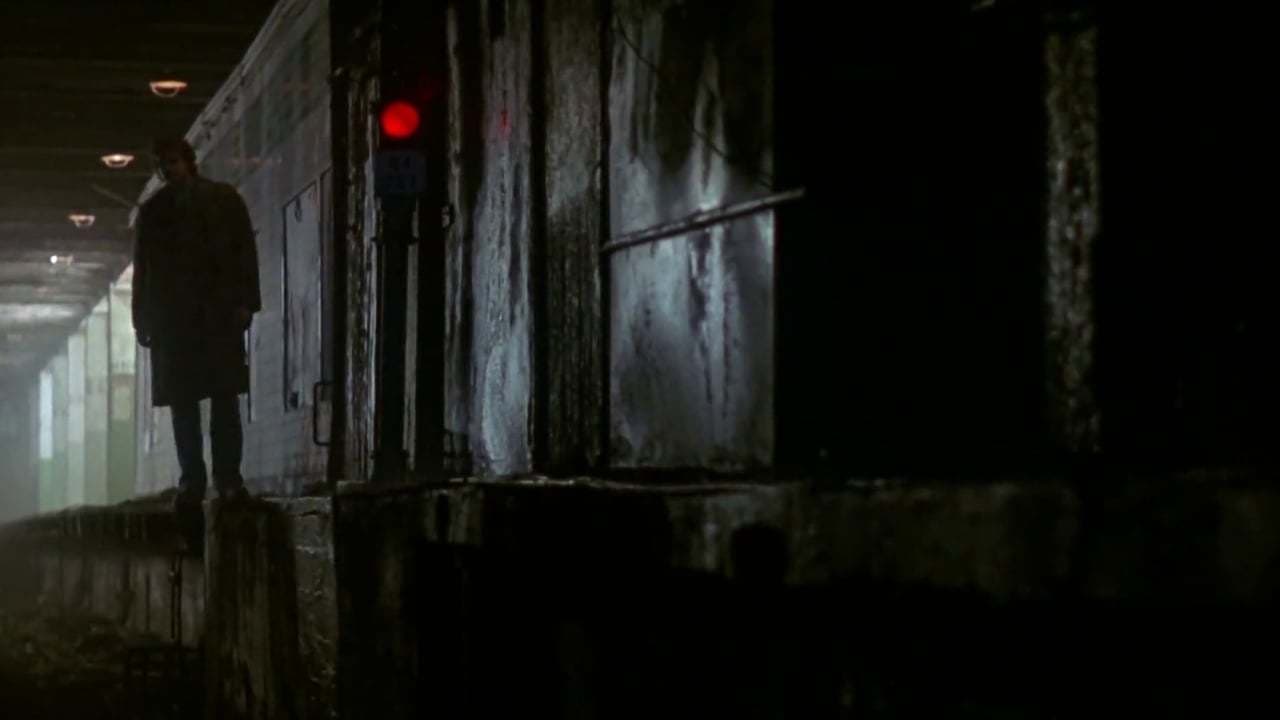
The first time I saw the subway scene in Jacob’s Ladder, I genuinely thought the tracking on my old Zenith VCR was failing. There is a specific, stuttering jitter to the "demons" in this film—a blur of motion that feels like a glitch in reality itself. It wasn’t a digital trick, though. Adrian Lyne, a director more famous for the slick, yuppie anxieties of Fatal Attraction (1987), achieved that terrifying effect by filming actors shaking their heads at a low frame rate. It’s a simple mechanical tweak that results in something far more upsetting than any 1990s CGI could have conjured.
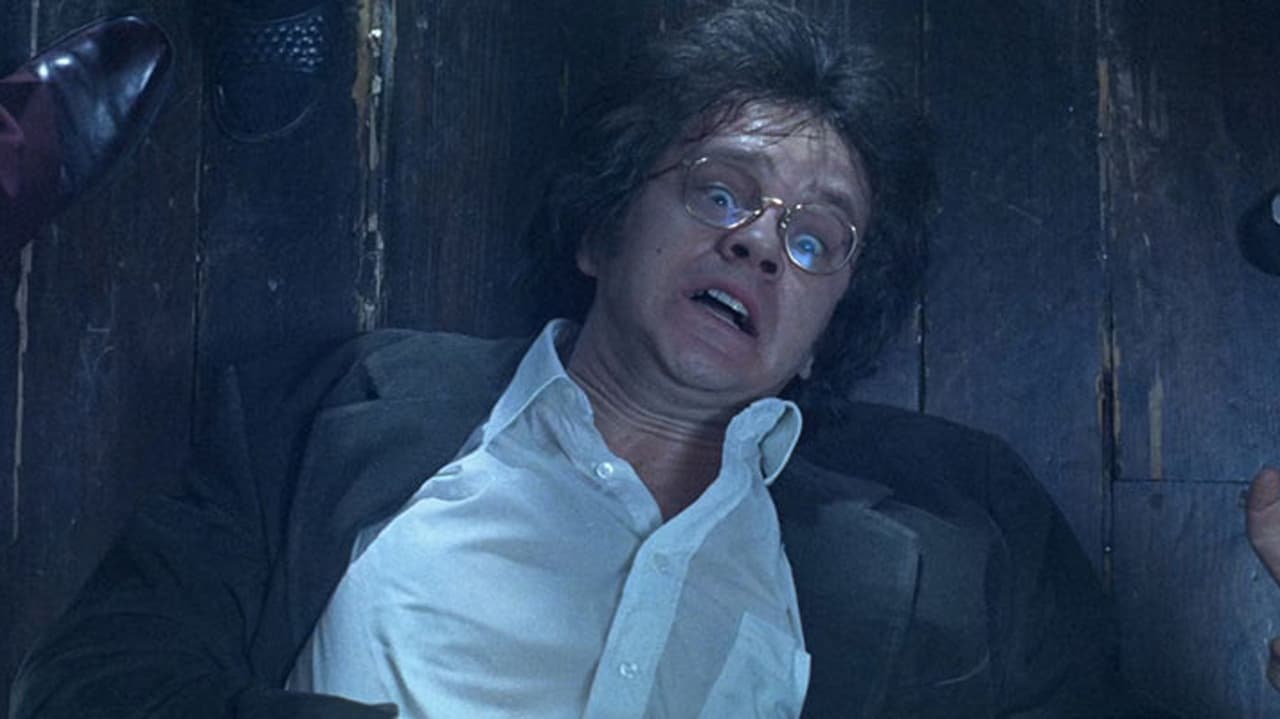
I remember watching this for the second time in a drafty apartment where the radiator hissed like a cornered cat, and that sound perfectly synchronized with the industrial, metallic screeching of the film's score. It’s an "itchy" movie. It makes you want to scrub your skin. While it performed modestly at the box office, it has since become a towering influence on the horror genre, serving as the primary DNA donor for the Silent Hill franchise.
The Grime of a Dying Decade
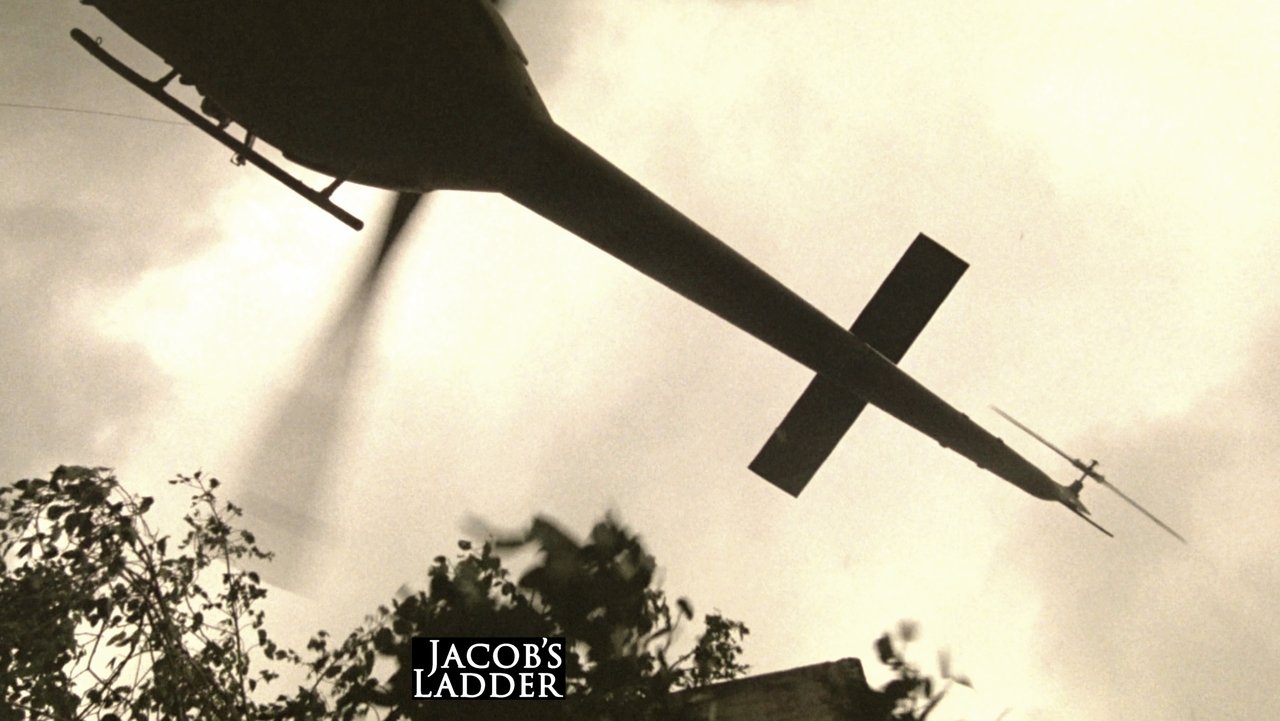
Set in a New York City that feels like it’s being digested by its own soot, the film follows Jacob Singer, played with a heartbreaking, wide-eyed vulnerability by Tim Robbins. Jacob is a Vietnam vet working as a mailman, living in a cramped apartment with his girlfriend Jezzie (Elizabeth Peña). He is a man mourning a life he no longer possesses—specifically a lost son, played in brief, glowing flashbacks by an uncredited, pre-Home Alone Macaulay Culkin.
The "horror" here isn't a slasher in a mask. It’s the erosion of the barrier between the mundane and the monstrous. Jacob sees people on the subway whose faces are fleshy, featureless lumps; he sees tails twitching beneath hospital gurneys. Elizabeth Peña is fantastic here because she plays Jezzie with a jarring mix of affection and aggression. One moment she’s his anchor, the next she’s burning his precious photos of his past life. She makes you feel Jacob’s isolation; even in bed with someone, he is utterly alone in his head.
Looking back, "Jacob’s Ladder" is a better Silent Hill movie than the actual "Silent Hill" movie. It captures that specific 1990 transition where film grain still mattered. The cinematography by Jeffrey L. Kimball (who also shot Top Gun, strangely enough) uses a palette of bruised purples, sickly yellows, and deep, oily blacks. It feels heavy, like the air in the room is getting thinner the longer you watch.
Practical Nightmares and The Ladder
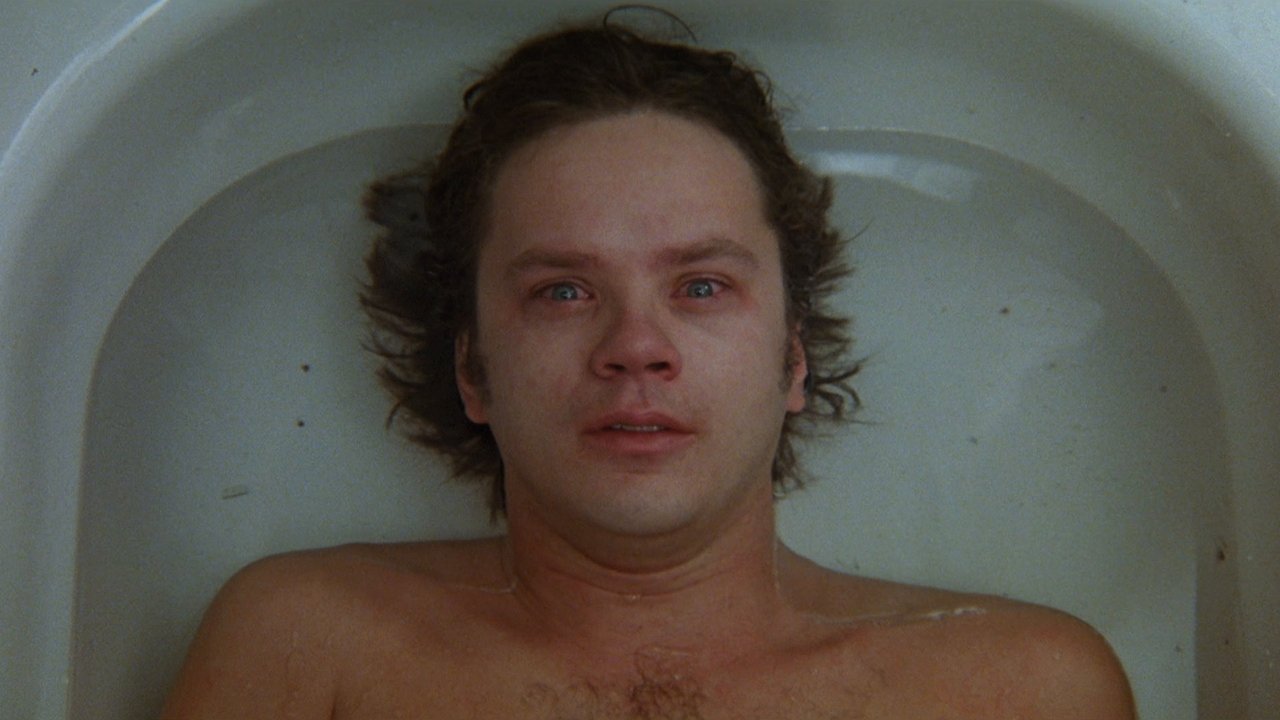
The screenplay by Bruce Joel Rubin is a fascinating pivot from his other 1990 hit, Ghost. While Ghost offered a comforted, pottery-spinning view of the afterlife, Jacob’s Ladder offers a descent into a spiritual meat grinder. There’s a heavy dose of post-9/11-style paranoia here, despite it being a decade early, focusing on government experimentation and the "Ladder" drug—a chemical designed to turn soldiers into mindless killing machines.
The hospital sequence is arguably the peak of the film’s atmospheric dread. As Jacob is wheeled through a facility that slowly transitions from a standard clinic to a literal charnel house filled with severed limbs and twitching lunatics, the camera stays tight on Tim Robbins' face. We are trapped in his perspective. This is where the practical effects shine. The creature designs weren’t meant to be "cool" monsters; they were meant to look like birth defects of the soul. I’ve always maintained that the most effective horror happens in the periphery, and Adrian Lyne masters that here, placing the most disturbing images just at the edge of the frame.
We also get a standout performance from Danny Aiello as Louis, Jacob’s chiropractor. In a movie filled with demons and conspiracies, Danny Aiello is the closest thing to an angel. He provides the film’s philosophical backbone, quoting the mystic Meister Eckhart about how the only thing that burns in Hell is the part of you that won't let go of your life. It’s a sophisticated take on the "scary movie" trope that elevates the film into a genuine character study about grief.
A Legacy of Psychological Shrapnel
It’s worth noting the small, weird details that round out the cast. You’ll spot a young Jason Alexander as a lawyer and Pruitt Taylor Vince as a fellow vet. There’s a texture to the world-building that makes the conspiracy feel plausible, even when the visuals suggest a supernatural apocalypse. The film arrived just as the "slasher" era of the 80s was wheezing its last breath, proving that audiences were ready for something more cerebral and soul-crushing.

The production was famously difficult, with various endings tested and scenes of more explicit "biblical" demons cut because they looked too much like a creature feature. Lyne made the right call to keep it grounded in psychological ambiguity. The result is a film that rewards repeat viewings, especially once you know where the "ladder" is actually leading.
If you’re used to the jump-scare-heavy diet of modern multiplex horror, Jacob’s Ladder might feel slow, but that’s the point. It’s a slow-burn fever dream that refuses to give you the satisfaction of a clean escape. It’s about the trauma of war, the pain of loss, and the terrifying possibility that the world we see is just a thin veil over something much darker.
Jacob’s Ladder remains a masterpiece of atmosphere that hasn't aged a day because its fears—death, madness, and being forgotten by one's country—are timeless. It’s a grim, beautiful, and deeply empathetic look at a man trying to find his way home through a landscape of nightmares. Turn the lights off, ignore your phone, and let the subway take you wherever it’s going. Just don't blame me if you start looking twice at the people sitting across from you on the bus tomorrow.
Keep Exploring...
-

Inland Empire
2006
-
Twin Peaks: Fire Walk with Me
1992
-

A Tale of Two Sisters
2003
-

Ghost
1990
-
Glengarry Glen Ross
1992
-
The Player
1992
-
Batman: Mask of the Phantasm
1993
-

In the Mouth of Madness
1995
-

The Gift
2000
-
The Devil's Advocate
1997
-
The Skin I Live In
2011
-
Arlington Road
1999
-
Take Shelter
2011
-
What Lies Beneath
2000
-
Infernal Affairs
2002
-
Caché
2005
-
Tell No One
2006
-

Mother
2009
-

Thirst
2009
-
Batman: Under the Red Hood
2010