Kindergarten Cop
"Class is in session. Discipline is optional."
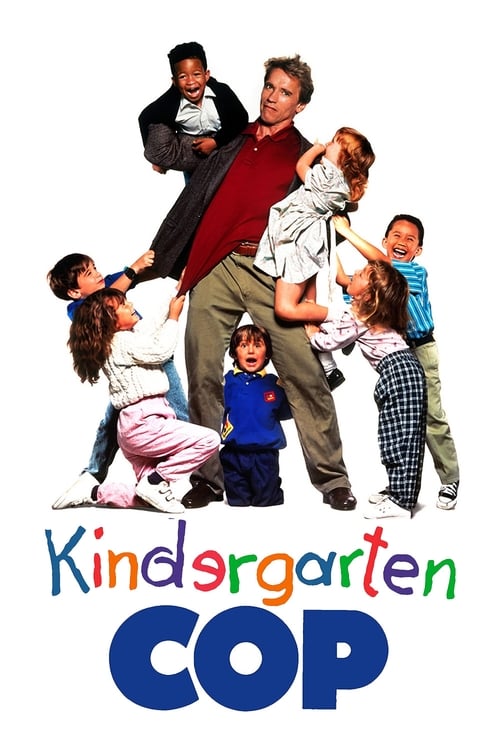
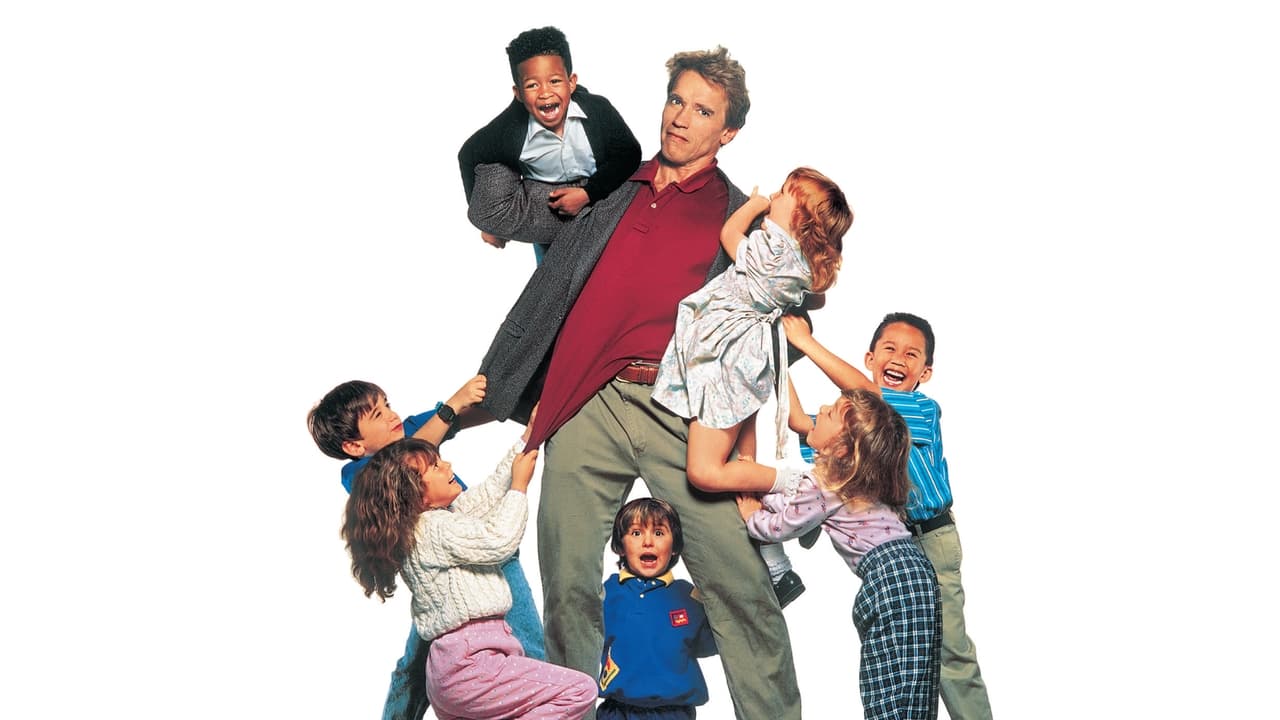
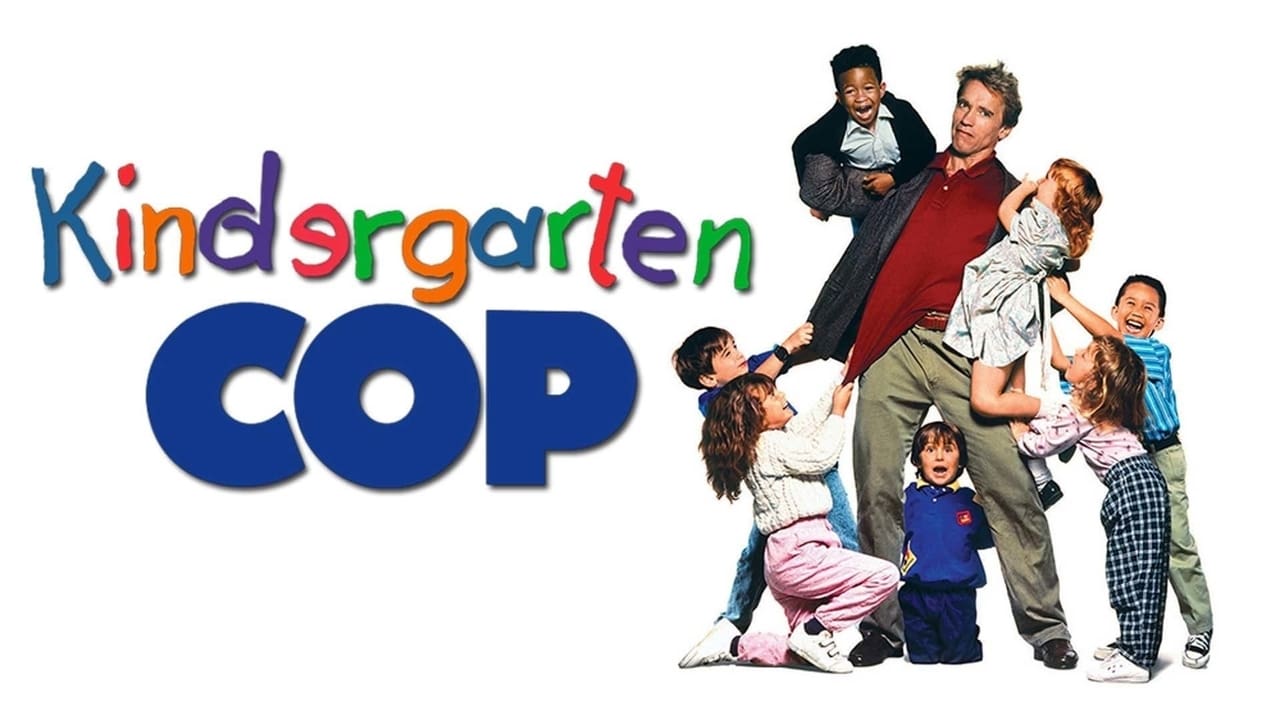
There is a specific, high-pitched frequency of a child’s scream that can penetrate bulletproof glass, and Arnold Schwarzenegger's face in the first thirty minutes of Kindergarten Cop suggests he’s experiencing that sound directly in his marrow. I watched this again last Tuesday while trying to fix a leaky faucet with a wrench that was definitely the wrong size, and honestly, Arnold’s struggle to manage a room full of sugar-charged five-year-olds felt significantly more taxing than my plumbing disaster.
In the grand arc of the 1990s, this film represents a fascinating pivot point. We were moving away from the "One Man Army" era of the 80s—where Arnold would simply level a small country to solve a problem—and into an era where the hyper-masculine action star had to be "domesticated" for the suburban box office. Director Ivan Reitman, fresh off the success of Twins, knew exactly how to weaponize Arnold’s physique for laughs: put the biggest man in the world in the smallest chair possible.
The Great Tonality Whiplash
Looking back, the most jarring thing about Kindergarten Cop isn't the sight of a 250-pound Austrian oak doing "The Wheels on the Bus." It’s the fact that the movie is secretly a grim, high-stakes police procedural that occasionally trips into a playground.
The film opens in a gritty, rain-slicked urban landscape. Arnold Schwarzenegger (as Detective John Kimble) is sporting a trench coat and a shotgun, hunting down a ruthless drug lord named Cullen Crisp (Richard Tyson). The stakes aren't "who stole the crayons"; they are literally about child abduction and murder. When Kimble finally goes undercover in Astoria, Oregon, the movie shifts gears so hard I’m surprised the celluloid didn’t snap.
One minute, we’re watching Carroll Baker—playing the villain’s terrifyingly cold mother—conspire to steal a child; the next, Arnold is shouting about "the fire drill!" and getting interrogated by kids about his reproductive anatomy. It shouldn't work. By all laws of cinematic physics, this movie should have collapsed under the weight of its own identity crisis. Yet, it thrives on that friction. The villain's mother is legitimately scarier than the T-1000, and that darkness gives the comedy a set of stakes that modern "family" comedies often lack.
The Power of the "Moppets"

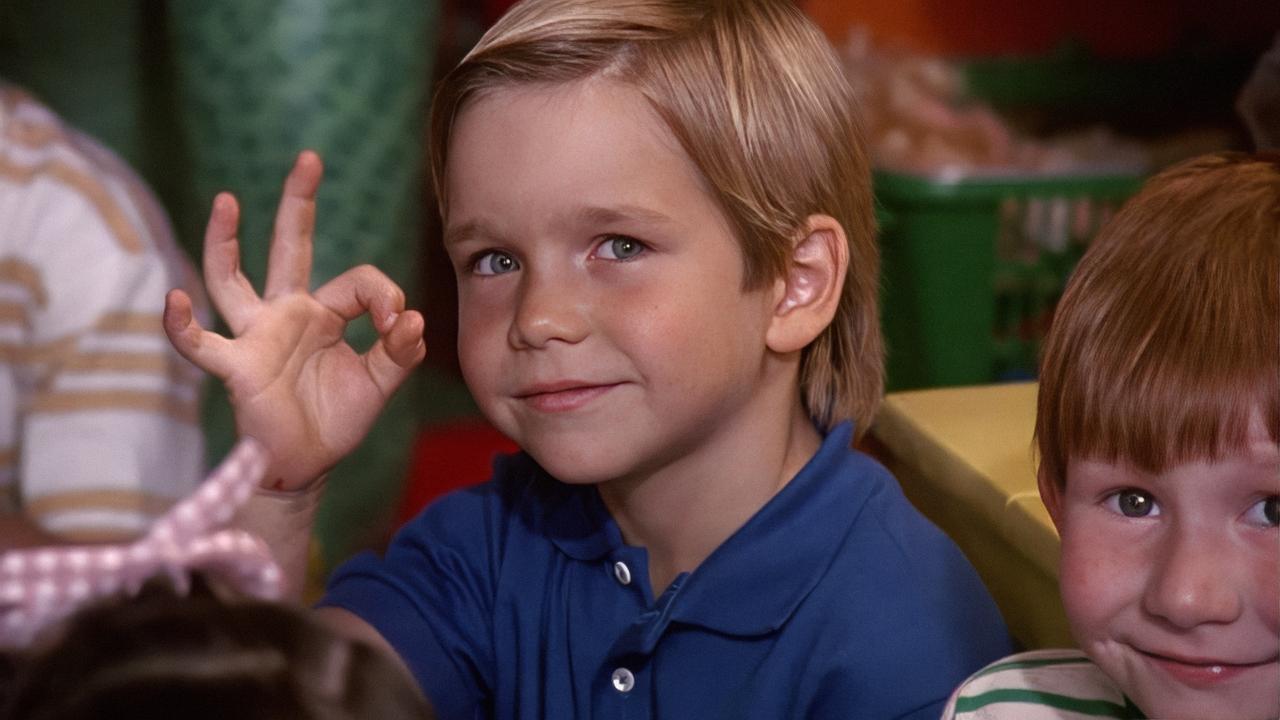
The secret weapon here isn't Arnold; it’s the ensemble of children. Ivan Reitman reportedly had a "no acting" rule for the kids, encouraging them to just be their chaotic selves. This leads to the film's most iconic moments—the "It's not a tumor!" line (delivered with that legendary Arnold cadence) and the "Who is your daddy and what does he do?" sequence.
I forgot how much of a standout Pamela Reed is as Kimble’s partner, Phoebe O'Hara. Her chemistry with Arnold is fantastic, particularly during the scenes where she’s pretending to be his sister while suffering from a brutal case of food poisoning. It’s a thankless role in theory, but she brings a frantic, grounded energy that balances Arnold’s stoicism. And then there’s Linda Hunt as the pint-sized principal, Miss Schlowski. Watching her stare down a man twice her size and win is one of the great joys of 90s character acting.
Behind the Blackboard
For a film that feels like a cozy cable TV staple today, its success was massive. Produced for a relatively lean $15 million, it raked in over $200 million worldwide. This wasn't just a hit; it was a blueprint. It essentially launched a decade-long trend of "tough guy meets toddlers" movies, though neither Vin Diesel (The Pacifier) nor Dwayne Johnson (The Tooth Fairy) ever quite captured the specific, vein-popping frustration that Arnold perfected here.
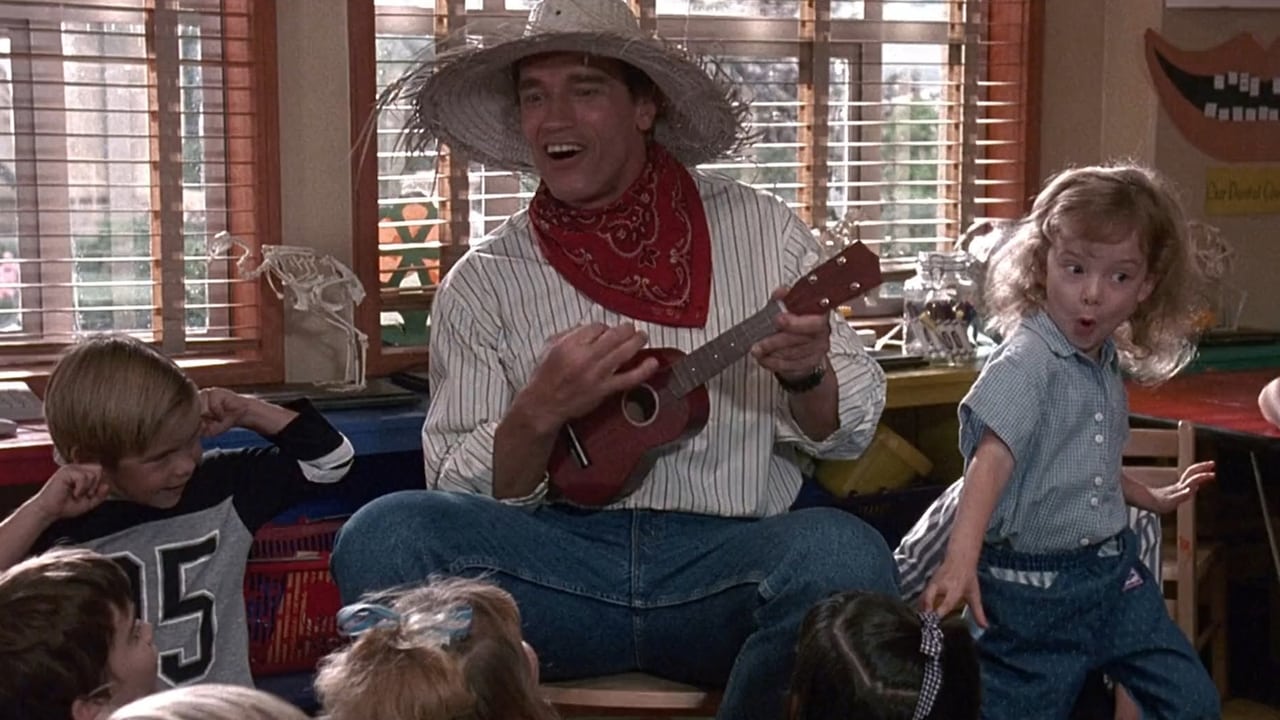
Apparently, the production was a logistical nightmare for the crew but a playground for the lead. Arnold Schwarzenegger has often cited this as one of his favorite filming experiences because he basically got to be a camp counselor between takes. To keep the kids focused, Ivan Reitman used a system of hand signals and silent cues from behind the camera, which is why the reactions from the children often feel so genuinely startled or amused—they weren't reading a script; they were reacting to a giant man losing his mind in real-time.
They even filmed on location at John Jacob Astor Elementary School in Astoria, the same foggy, coastal town where The Goonies was shot five years earlier. You can feel that Pacific Northwest dampness in the cinematography by Michael Chapman, who, let’s not forget, also shot Taxi Driver. Yes, the man who shot Travis Bickle also shot Arnold blowing a whistle at a five-year-old. That is the kind of professional range we just don't see anymore.
Kindergarten Cop is a bizarre relic that holds up surprisingly well because it refuses to play it safe. It’s too violent for toddlers, too silly for hard-boiled action fans, and yet it lands in a sweet spot of pure, 90s comfort food. It captures a moment when a global superstar was willing to look ridiculous to evolve his brand, and it gave us a handful of the most quotable lines in movie history. It's a reminder that sometimes, the most effective way to humanize a legend is to surround them with twenty kids who don't give a damn about his bicep circumference.
The film's legacy isn't just the memes or the catchphrases; it's the weird, heart-on-its-sleeve sincerity of its second half. Beneath the "shush-ing" and the slapstick, there's a genuine sweetness to Kimble finding a soul he didn't know he had. It’s not a masterpiece, but it’s a masterclass in how to build a blockbuster around a star's greatest weakness: his own image.
Keep Exploring...
-
Twins
1988
-
No Strings Attached
2011
-

Ghostbusters II
1989
-
Six Days Seven Nights
1998
-
Evolution
2001
-
Casper
1995
-
Another 48 Hrs.
1990
-
Bird on a Wire
1990
-
Teenage Mutant Ninja Turtles
1990
-

Hot Shots!
1991
-
The Addams Family
1991
-
The Naked Gun 2½: The Smell of Fear
1991
-
Home Alone 2: Lost in New York
1992
-
Lethal Weapon 3
1992
-

Sister Act
1992
-
Sneakers
1992
-
Wayne's World
1992
-
Beethoven's 2nd
1993
-
Cool Runnings
1993
-
Dennis the Menace
1993