Lionheart
"He fought for his family. He won for himself."
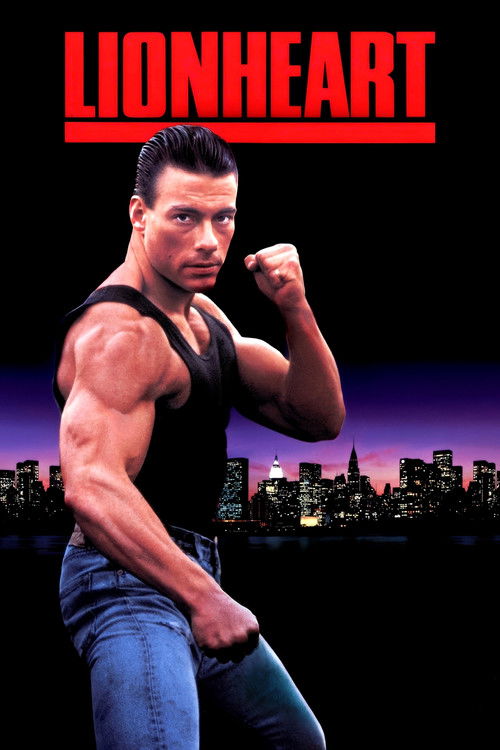
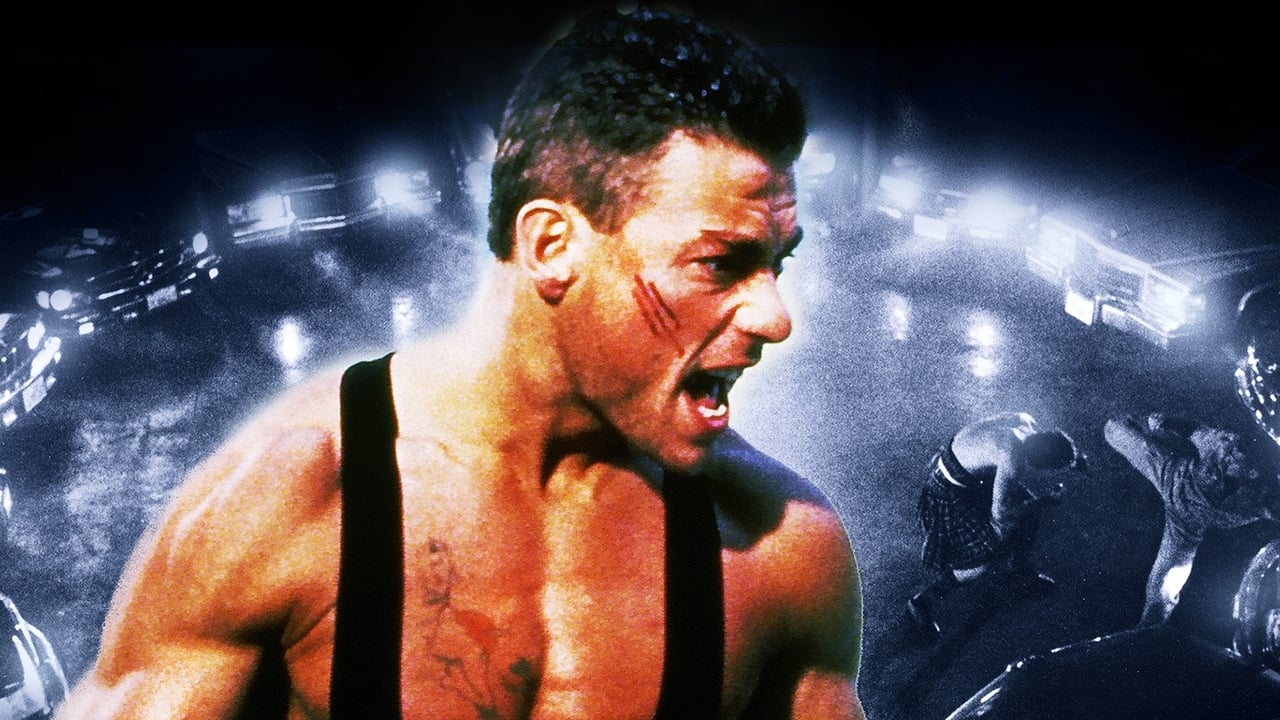
I remember the first time I saw the cover for Lionheart at my local Video Hut. It was that classic 1990s aesthetic: a sweaty, determined Jean-Claude Van Damme (JCVD) looking ready to kick through a brick wall, framed by a title in bold, metallic font. At the time, I was midway through a bag of slightly stale pretzel M&Ms—the kind where the salt has mostly rubbed off in the bottom of the bag—and I thought, "Yeah, this looks like exactly the kind of movie where a guy deserts the French Foreign Legion to engage in bare-knuckle brawls for his niece’s college fund."
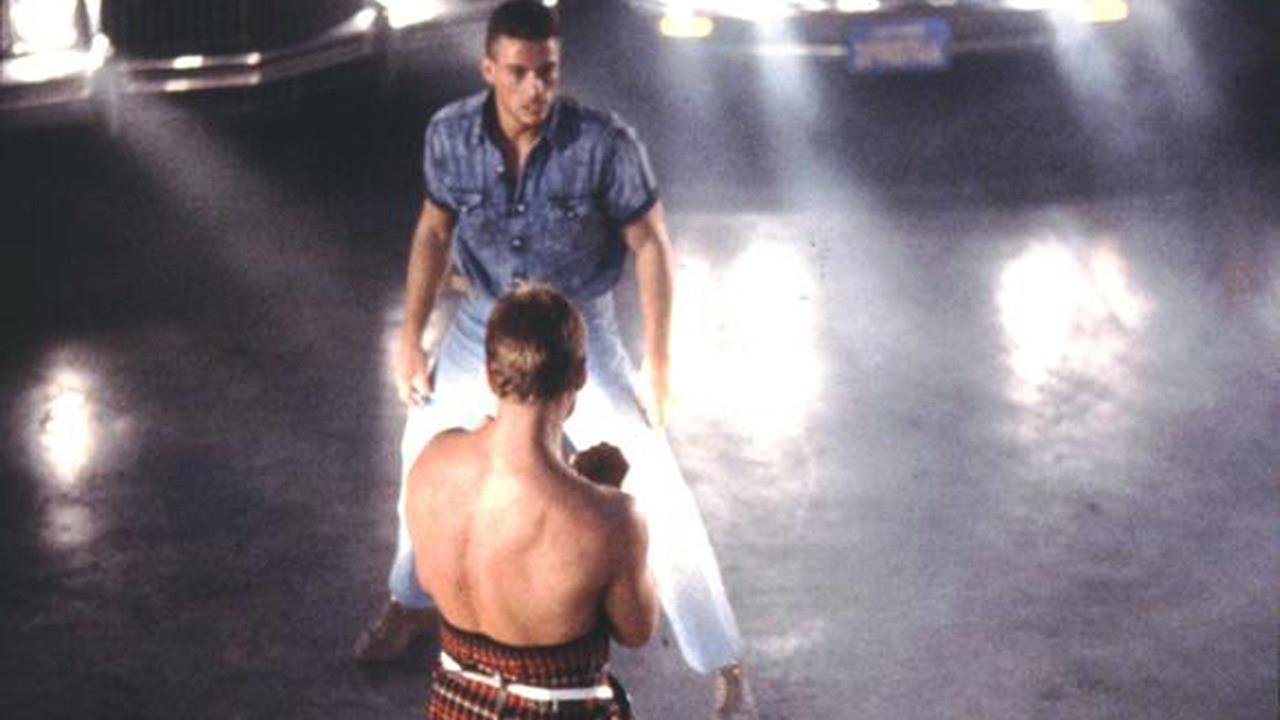
It turns out, that’s exactly what it is. But looking back at Lionheart decades later, it occupies a fascinating space in action cinema history. It’s the bridge between the mindless, neon-soaked excess of the 1980s and the slightly more "prestige" action films of the 90s. It’s a movie that desperately wants you to know that the Muscles from Brussels has a soul, even if that soul is mostly expressed through high-impact 360-degree helicoptor kicks.
The Most Emotional Kickboxer in the Legion
The plot is gloriously straightforward. JCVD plays Lyon Gaultier, a paratrooper in the French Foreign Legion stationed in Djibouti. When he learns his brother has been burned alive by drug dealers in Los Angeles, he asks for leave. They say no. He says, "I'm leaving anyway," and proceeds to outrun a Jeep through the desert on foot. It’s the kind of logic only 1990 could provide, and I love it for that.
Once he hits the States, Lyon is penniless and needs to get to L.A. to help his sister-in-law, Hélène (Lisa Pelikan), and his niece, Nicole (Ashley Johnson, who you might recognize now as the voice of Ellie from The Last of Us). To earn the cash, he falls in with a fast-talking street-fight promoter named Joshua, played by Harrison Page. Joshua is the secret weapon of this movie; he brings a genuine, frantic energy that balances Lyon’s stoic, "I’m just here to kick people" vibe.
Putting the "Art" in Martial Arts
Director Sheldon Lettich, who also worked with JCVD on Bloodsport and Double Impact, understands that the audience is here for the choreography. The action in Lionheart is remarkably clear. This was an era before "shaky cam" destroyed our ability to see a punch land. The camera stays wide, the cuts are deliberate, and you can see the physical toll on the performers.
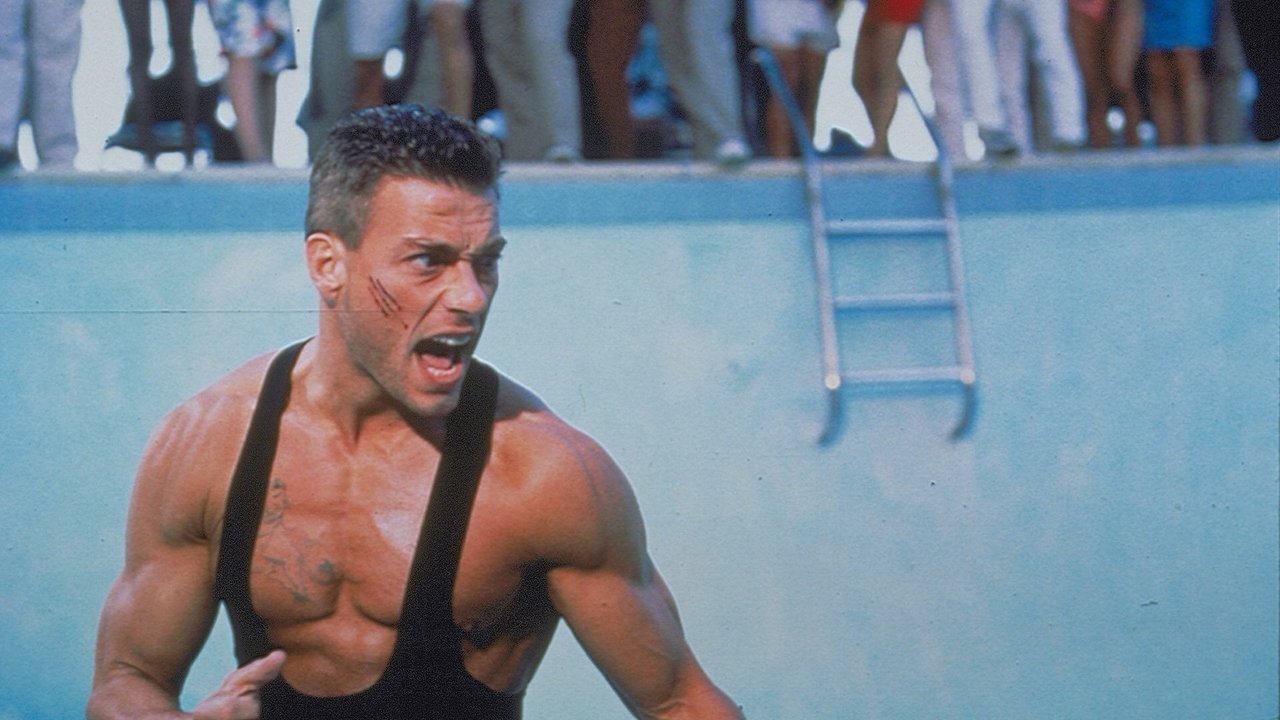
The underground fight circuit Lyon enters is a bizarre collection of high-concept arenas. My favorite is easily the swimming pool fight. It’s empty, it’s slick, and it features a villain who looks like he wandered off the set of a hair-metal music video. The physics of fighting in a slippery, empty pool are entirely ignored in favor of JCVD doing the splits, but that’s the bargain you make with this genre.
The climactic showdown against Attila (played by the hulking Abdel Qissi) is a classic "David vs. Goliath" setup. It’s not just about who hits harder; it’s about the melodrama. The stakes aren’t saving the world or stopping a bomb; they’re about paying for a little girl’s surgery and a grieving widow’s rent. There’s something refreshingly small-scale about it. In a modern era of multiversal threats, I found myself genuinely invested in whether or not Lyon could win enough cash to buy a used station wagon.
A Relic of the VHS Gold Mine
Why did Lionheart fall into relative obscurity compared to Kickboxer or Timecop? It might be because it’s the most "earnest" of the JCVD filmography. It lacks the sci-fi hook of his later hits or the pure tournament structure of his early work. It’s a urban drama dressed up as a martial arts flick.
Apparently, JCVD co-wrote the script because he wanted to show he could handle "heavy" emotional scenes. While he won’t be winning an Oscar for his crying-in-the-rain sequence, there’s a sincerity here that is missing from the cynical, corporate action movies of the 2020s. He really seems to care about that kid.

The film also captures a specific, grimy version of Los Angeles that has largely vanished—a world of steam-filled alleys, neon-lit parking garages, and $6 million budgets that actually looked like $6 million on screen. The score by John Scott is surprisingly sweeping, lending a "grand epic" feel to what is essentially a story about a guy getting punched in the ribs for rent money.
Lionheart isn't a masterpiece of cinema, but it is a masterpiece of its specific, sweaty niche. It’s the kind of movie that rewards you for paying attention to the stunt work while letting you ignore the leaps in narrative logic. It’s a reminder of a time when movie stars were built on physical prowess and a very specific kind of charisma that didn't require a quippy script or a cape.
If you can find a copy—ideally one that feels like it’s been played a hundred times in a basement—grab some M&Ms and lean into the cheese. It’s a movie with a big heart and even bigger hamstrings, and sometimes, that’s all you really need on a Tuesday night. It doesn't need to be a "modern classic" to be a damn good time at the movies.
Keep Exploring...
-

Double Impact
1991
-
Hard Target
1993
-
Universal Soldier
1992
-
Timecop
1994
-
Darkman
1990
-

Star Trek VI: The Undiscovered Country
1991
-
Teenage Mutant Ninja Turtles II: The Secret of the Ooze
1991
-

The Rocketeer
1991
-
Buffy the Vampire Slayer
1992
-
Passenger 57
1992
-
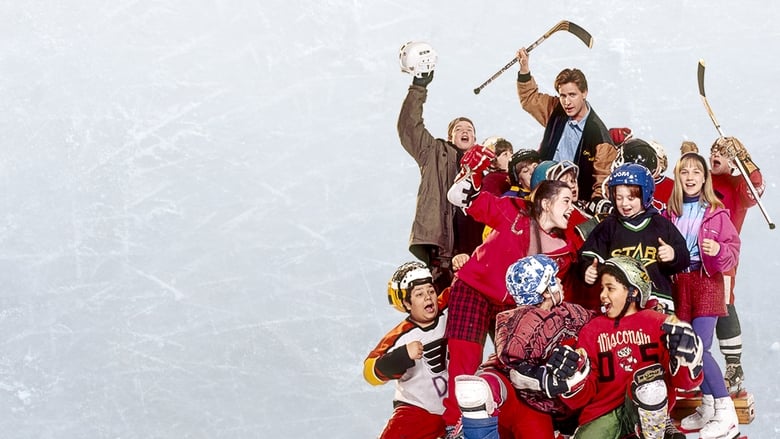
The Mighty Ducks
1992
-

Hackers
1995
-
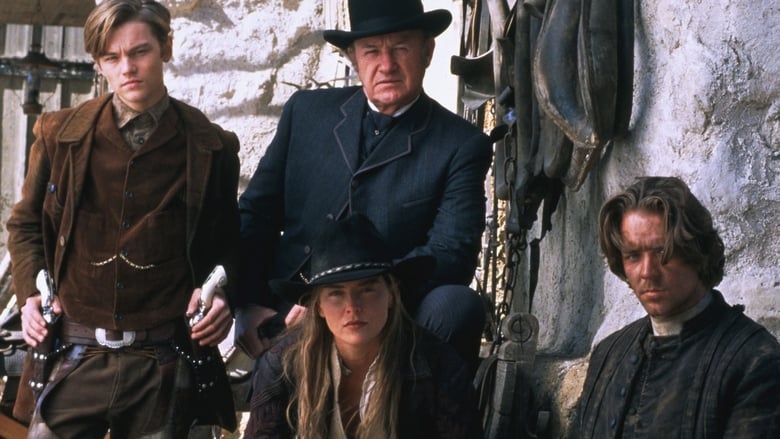
The Quick and the Dead
1995
-
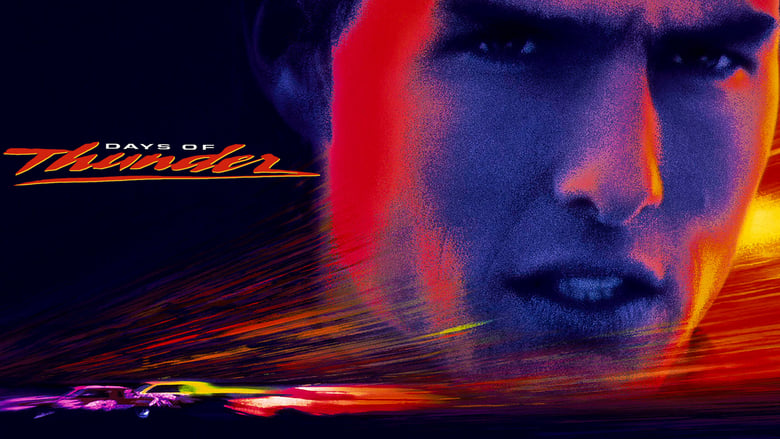
Days of Thunder
1990
-
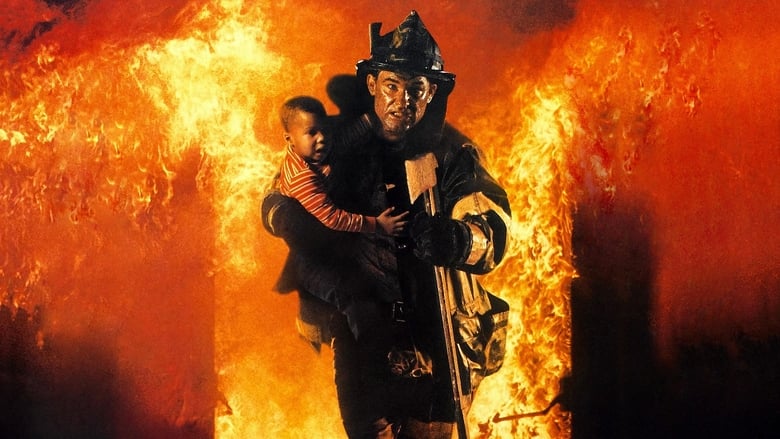
Backdraft
1991
-

Hudson Hawk
1991
-

1492: Conquest of Paradise
1992
-
Striking Distance
1993
-
Maverick
1994
-
Wyatt Earp
1994