Miller's Crossing
"Ethics are just a matter of who's still standing."
The first thing you see isn’t a face, a gun, or a bribe. It’s a hat—a silk-lined fedora caught in a breeze, tumbling through a forest of birch trees while a melancholic violin weeps in the background. It is an image of total loss of control, which is ironic, because the man who owns that hat, Tom Reagan, spends every waking second trying to convince everyone he’s the only person in town with his hand on the steering wheel.
I recently revisited Miller’s Crossing on a Tuesday evening while nursing a lukewarm cup of peppermint tea that had grown a strange film on top, and it struck me how much this movie feels like that tea: dark, slightly bitter, and medicinal in a way that settles your stomach even as it leaves a sharp aftertaste. Released in 1990, the same year Martin Scorsese dropped the high-octane adrenaline shot of Goodfellas, the Coen Brothers’ third feature was effectively buried at the box office. It was too quiet, too dense, and perhaps too obsessed with its own vocabulary to compete with Joe Pesci’s "Funny how?" routine. But looking back three decades later, this isn't just a gangster flick; it’s a beautifully grim chess match played by people who have already lost their souls.
The smartest man in the room is usually bleeding
Gabriel Byrne plays Tom, the advisor to the local Irish political boss, Leo (Albert Finney). Tom is a "thinker," which in the world of 1929 prohibition-era racketeering means he’s the guy who tells you when you’re being a moron. The conflict kicks off because Leo is thinking with his heart—specifically, his heart is set on Verna (Marcia Gay Harden), a grifter whose brother, Bernie Bernbaum, is a "schmatte" (a rag) who’s been skimming from the local Italian mob.
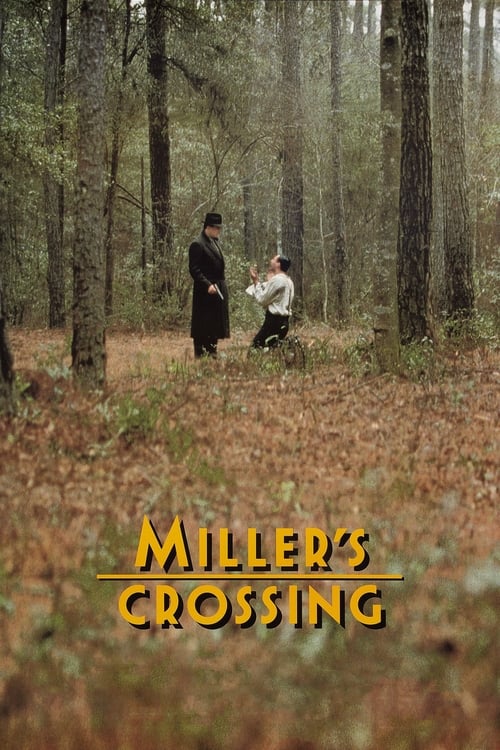
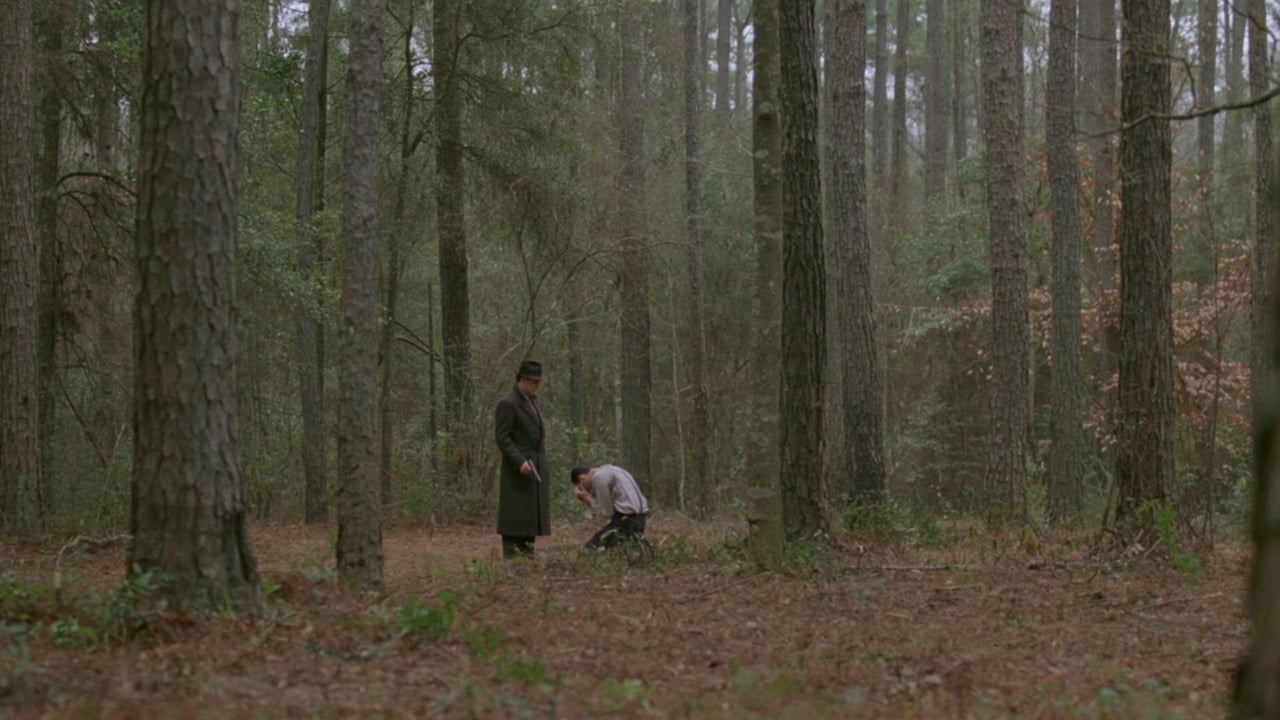
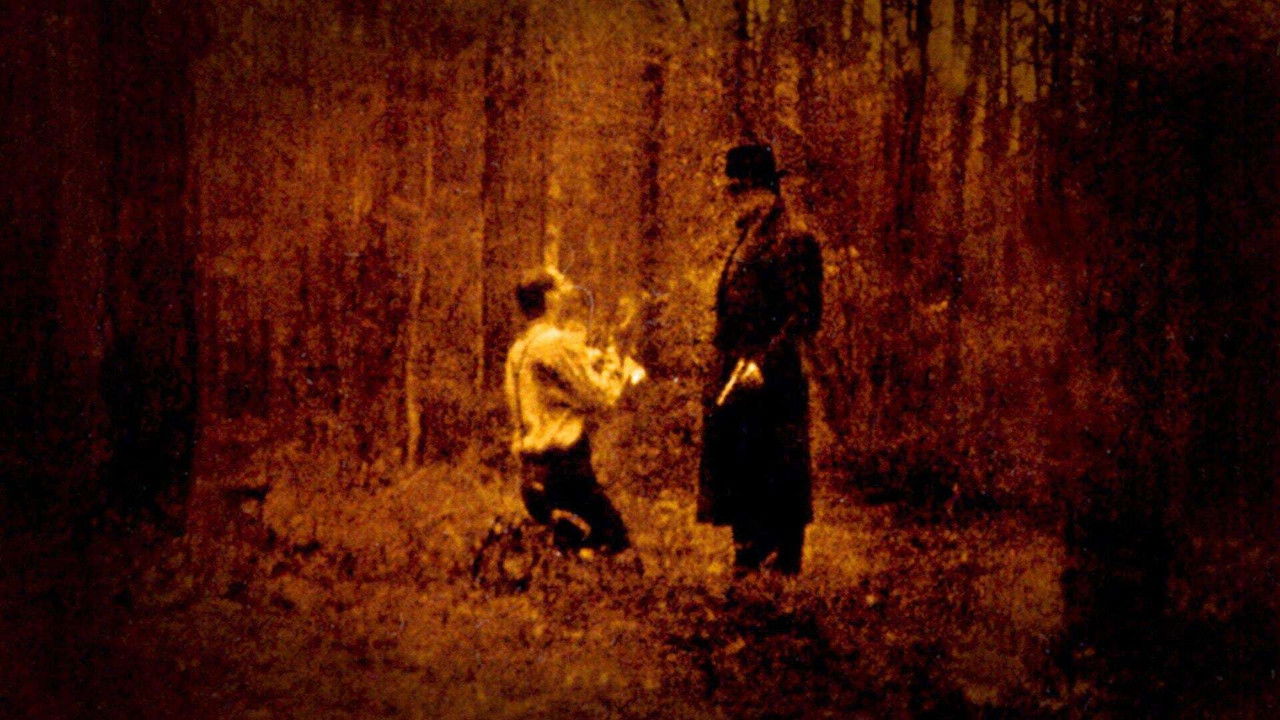
The performance by John Turturro as Bernie is, quite frankly, the kind of work that should be taught in schools. There is a scene in the woods—the titular Miller’s Crossing—where Bernie is on his knees, begging for his life. It is pathetic, sniveling, and deeply human. Turturro plays it with such a high-pitched, desperate vibrato that you almost forget he’s a parasitic lowlife. It’s the moral pivot point of the whole film: do you kill the man because he’s a rat, or do you spare him because killing a man in cold blood is a weight your own "heart" can't carry?
Tom is the only one who realizes that having a heart in this business is a death sentence. Yet, for all his logic, Tom spends half the movie getting punched in the face. Gabriel Byrne brings a weary, existential exhaustion to the role. He looks like a man who hasn’t slept since the Hoover administration began, navigating a world where loyalties shift like the wind that kept stealing his hat.
Style as a blunt instrument
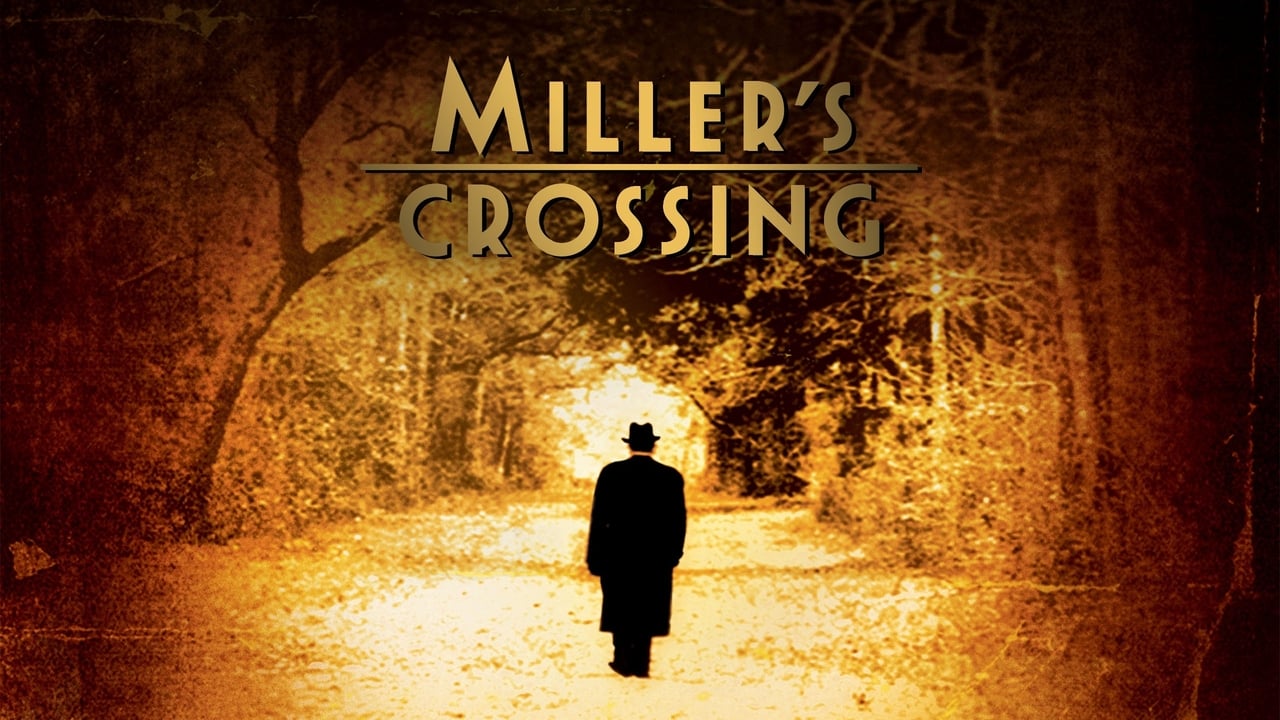
The 1990s was an era where "indie" meant something specific—a certain rebellious streak before the big studios figured out how to package it. The Coens were at the forefront of this, using Barry Sonnenfeld’s (who would later direct Men in Black) cinematography to create a world of deep ambers, forest greens, and shadows so thick you could hide a body in them. Unlike the shaky-cam "realism" that would plague the genre later, Miller’s Crossing is composed with a painterly stillness.
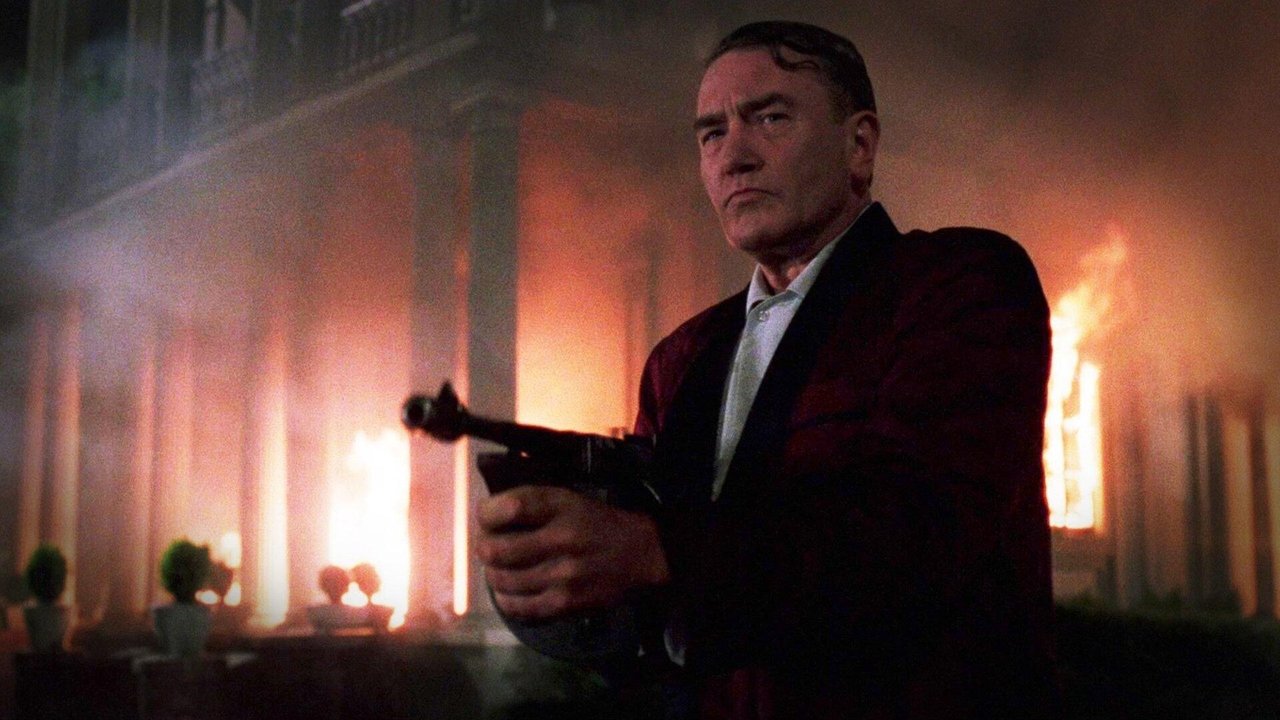
The "Danny Boy" assassination sequence remains one of the greatest bits of pure cinema ever put to film. It’s a masterclass in pacing, sound design, and the sheer absurdity of violence. Seeing Albert Finney step out of a burning house with a Thompson submachine gun while the world’s most sentimental Irish ballad blares over the carnage is a core memory for any cinephile. It shouldn't work. It should be goofy. Instead, it’s operatic.
What’s fascinating about the production is that the script was so complex it actually gave the Coen Brothers writer's block. They had to step away from the woods of Miller's Crossing to write a little "distraction" called Barton Fink just to clear their heads. You can feel that density on screen. Every line of dialogue—"What's the rumpus?", "Give 'em the high hat," "Look in your heart!"—is delivered with a rhythmic, stylized cadence that demands your full attention. It’s a movie that expects you to keep up, or get left in the woods.
The "Schmatte" that wouldn't die
Why did this movie vanish from the public consciousness for so long? Partly, it’s because it’s a "talky" thriller. It prioritizes the subtext of a conversation over the caliber of a gun. In the landscape of 1990, it sat awkwardly between the old-school glamour of The Godfather and the New Wave grit of the 90s crime boom.
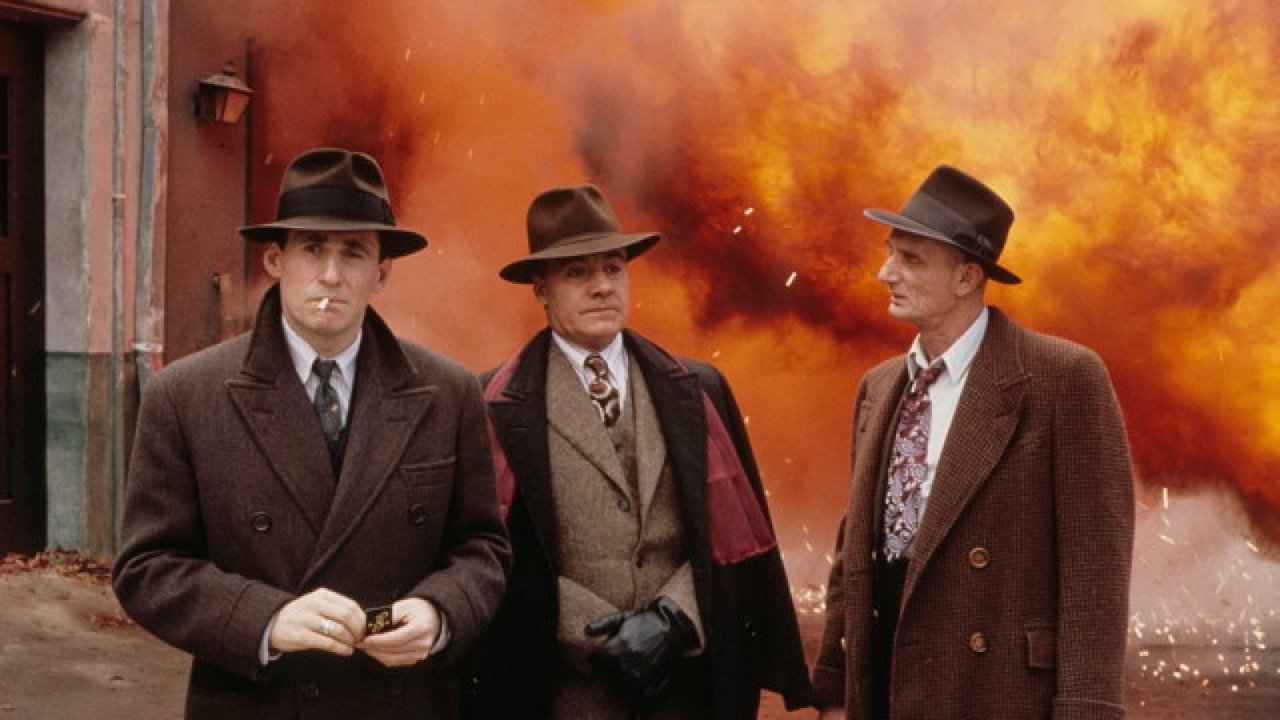
But it’s also remarkably prescient. It deals with the idea of "identity" and "the fix"—how we build narratives to justify our worst impulses. The rivalry between Leo’s Irish mob and Johnny Caspar’s (Jon Polito) Italian crew isn't about territory; it’s about "ethics," or at least Caspar’s warped version of them. Watching Jon Polito rant about "character" while he’s ordering hits is a darkly hilarious commentary on the hypocrisies of power that feels more relevant every year.
Even the score by Carter Burwell feels distinct for its era. While most 90s thrillers were leaning into synth or pop-heavy soundtracks, Burwell’s orchestral, folk-inspired themes give the film a timeless, almost ancient weight. It’s a movie about the 1920s, made in 1990, that feels like it could have been carved out of stone in 1950.
Miller's Crossing is a miracle of a movie that rewards the patient viewer with every single frame. It’s a tragedy wrapped in a gangster suit, featuring some of the sharpest writing the Coens have ever put to paper. If you’ve missed this one because it was hidden in the shadow of taller trees, find a quiet night, grab a drink (maybe skip the film-covered peppermint tea), and head into the woods. Just try to keep a grip on your hat.
Keep Exploring...
-
Barton Fink
1991
-
Fargo
1996
-
The Man Who Wasn't There
2001
-
Blood Simple
1985
-
No Country for Old Men
2007
-
Bound by Honor
1993
-
Strange Days
1995
-
Before the Devil Knows You're Dead
2007
-
Batman: Year One
2011
-
The Rainmaker
1997
-
A Simple Plan
1998
-
The Big Lebowski
1998
-
Arlington Road
1999
-
Undisputed II: Last Man Standing
2006
-
United 93
2006
-
The Hudsucker Proxy
1994
-
Wild at Heart
1990
-
Cape Fear
1991
-
The Silence of the Lambs
1991
-
A Perfect World
1993