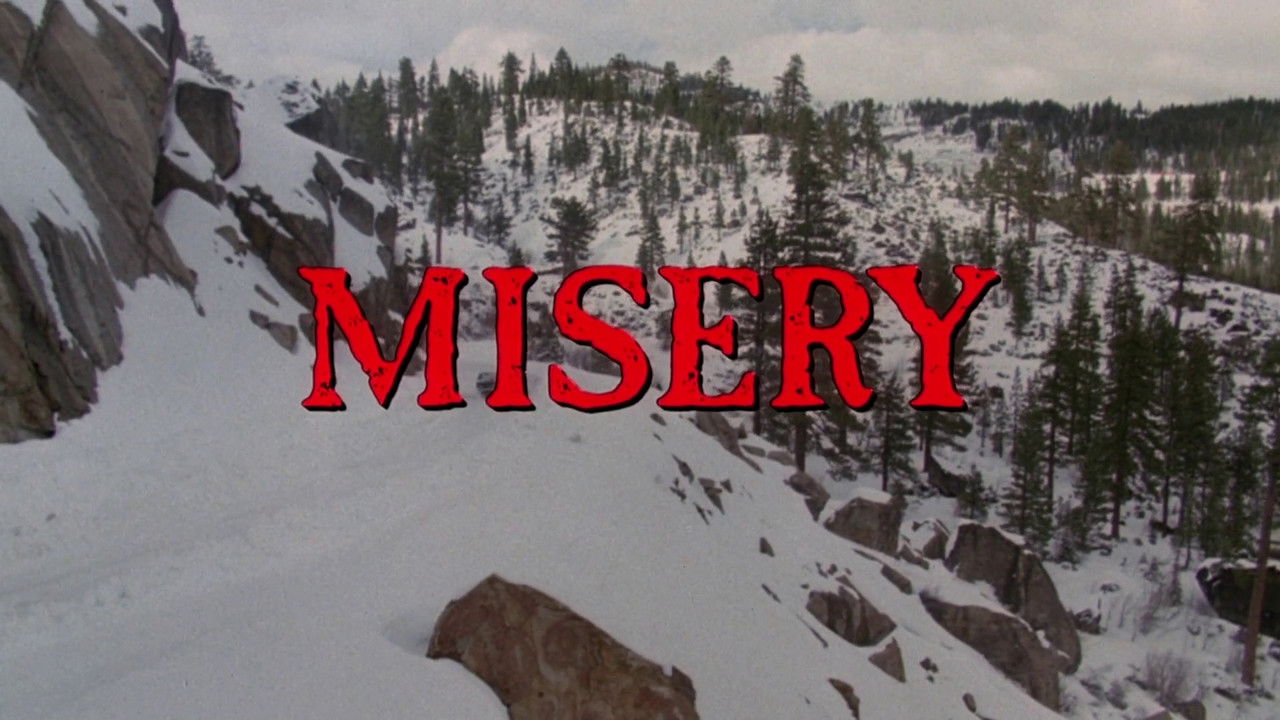
Misery
"Your number one fan is your worst nightmare."
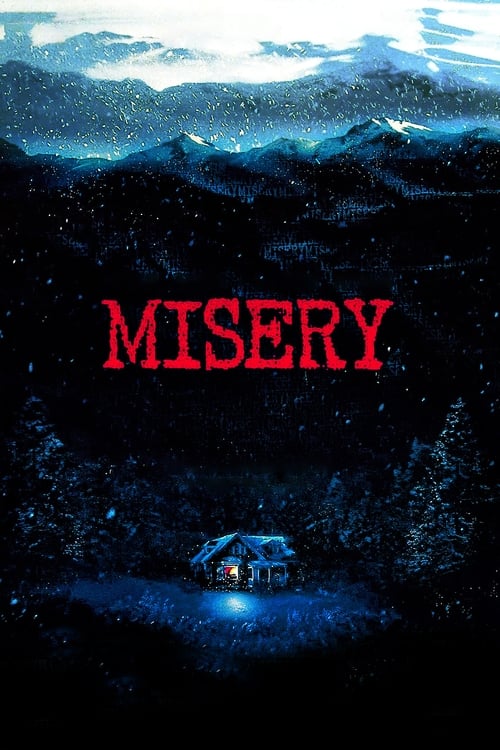
The first time I saw Misery, I was nursing a minor ankle sprain on my couch, and I can tell you with absolute certainty that it was the worst possible timing for a viewing. Every time a character even looked at a limb with ill intent, I found myself clutching my ice pack with white-knuckled desperation. But that’s the power of this film; it doesn't need sprawling vistas or a thousand extras to make you feel like the walls are closing in. It just needs a typewriter, a sledgehammer, and the terrifyingly polite smile of a woman who just wants her favorite character back.
Released in 1990, Misery sits at a fascinating crossroads in cinema history. It’s a Stephen King adaptation that arrived just as the 80s "slasher" boom was fading into the rearview, replaced by a more sophisticated, psychological brand of dread that would define much of the 90s. There are no supernatural clowns or telekinetic teenagers here. The horror is entirely human, born from the toxic intersection of obsession and isolation.
The Anatomy of an Obsession
At the heart of the film is a power dynamic so skewed it becomes nauseating. James Caan, an actor I usually associate with the "tough guy" energy of The Godfather or the cool professionalism of Thief, is stripped of every ounce of his physicality. As Paul Sheldon, he is a man literally broken—legs shattered, trapped in a guest bed, and entirely dependent on his "savior." It is a masterclass in reactive acting. James Caan spends 100 minutes doing the best horizontal acting in history, conveying a spectrum of terror, calculation, and sheer agony primarily through his eyes and the set of his jaw.
Then there is Kathy Bates. It’s rare for a performance to shift the cultural tectonic plates, but her portrayal of Annie Wilkes did exactly that. Before the 1990 Academy Awards, the "Best Actress" category wasn't exactly a playground for horror-adjacent thrillers, but Bates was undeniable. She doesn't play Annie as a cackling villain; she plays her as a woman living in her own moral universe, where "cock-a-doodle-doo" is a valid expression of rage and burning a manuscript is a righteous act. The way she flips from maternal care to explosive, bone-deep violence is genuinely unsettling because it feels so grounded in a fractured reality.
From the Page to the Screen
The transition from King’s novel to the screen required a steady hand, and in William Goldman, the production found a surgeon. William Goldman (who gave us the wit of The Princess Bride and the tension of All the President's Men) understood that the gore of the book needed to be calibrated for the screen. In the novel, the infamous "hobbling" scene involves an axe and a blowtorch—a sequence so gruesome it might have pushed the film into "video nasty" territory.
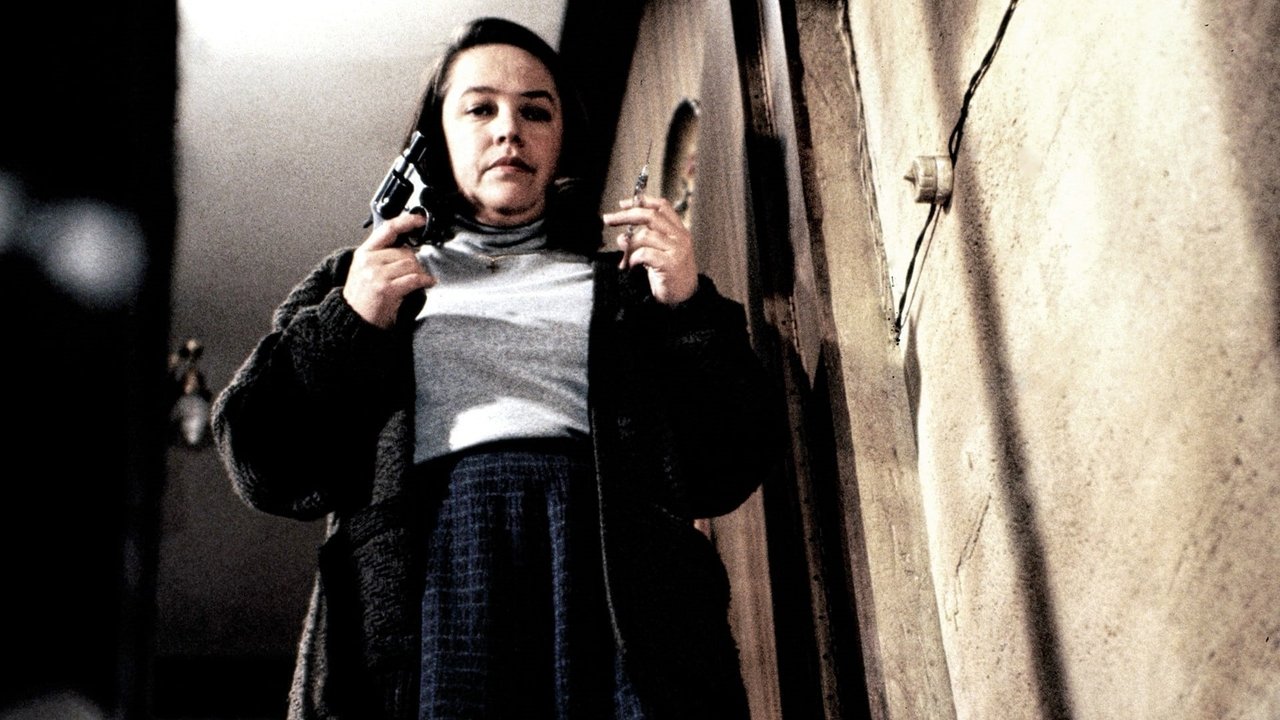
Instead, Rob Reiner and William Goldman opted for a sledgehammer and a wooden block. Looking back, this was a stroke of dark genius. The sound design alone—that sickening thud followed by the crunch of bone—is far more haunting than any prosthetic limb could ever be. It’s a moment that defines the film’s "Dark/Intense" DNA; it lingers in your mind long after the credits roll because it forces you to imagine the pain rather than just witness it.
Rob Reiner, primarily known at the time for comedies and the coming-of-age perfection of Stand By Me, proved he could handle a pressure-cooker environment. Working with cinematographer Barry Sonnenfeld, Rob Reiner keeps the camera tight on the faces. The house is small, the rooms are cluttered, and the lighting is often deceptively warm, which only makes Annie’s outbursts feel more like a violation of a safe space.
The Birth of a Cult Obsession
While Misery was a commercial hit, its status as a cult classic grew in the DVD era. I remember scouring the special features of the early 2000s releases, learning about the "Stuff You Didn't Notice" category—like the fact that Kathy Bates actually cried after filming the more violent scenes because she found the material so distressing.
There's also the delightful bit of trivia regarding the casting. Apparently, the role of Paul Sheldon was turned down by almost every major leading man in Hollywood—Warren Beatty, Robert De Niro, and Harrison Ford all allegedly passed—because they didn't want to play a character so helpless. Their loss was our gain, as James Caan brought a grit to the role that made his eventual fight for survival feel earned rather than inevitable.
In retrospect, Annie Wilkes is basically the patron saint of modern Twitter discourse. She is the ultimate toxic "stan," a fan who feels a sense of ownership over the creator’s work. Watching Misery in the 2020s feels strangely prophetic. We live in an era where fans petition to rewrite the endings of shows they dislike or harass actors over narrative choices. Annie Wilkes didn't have a hashtag; she just had a remote cabin and a very firm grip on a heavy object.
Misery is a rare specimen: a thriller that relies entirely on performance and pacing rather than gimmicks or scale. It’s a film that respects the intelligence of its audience, letting the silence between Paul and Annie do as much work as the dialogue. It remains a high-water mark for the genre, proving that the most effective cage isn't made of iron bars, but of a misplaced, obsessive kind of love.
I’ll never look at a sledgehammer—or a fan letter—the same way again. It’s a visceral reminder of why we love the movies: they can make us feel utterly trapped for two hours, only to let us breathe again the moment the screen goes black. If you haven't revisited this one lately, do yourself a favor and check back into the Wilkes residence. Just watch your ankles on the way in.

Keep Exploring...
-

Falling Down
1993
-
Natural Born Killers
1994
-
The Godfather Part III
1990
-

Dogville
2003
-

Jackie Brown
1997
-
Lost Highway
1997
-
American Psycho
2000
-
John Q
2002
-
21 Grams
2003
-
The Machinist
2004
-

Match Point
2005
-
Lucky Number Slevin
2006
-
The Illusionist
2006
-

The Hurt Locker
2008
-

Brothers
2009
-
127 Hours
2010
-
The Next Three Days
2010
-
Drive
2011
-
The Lincoln Lawyer
2011
-
End of Watch
2012