Night of the Living Dead
"The dead are back, and they've brought better weapons."
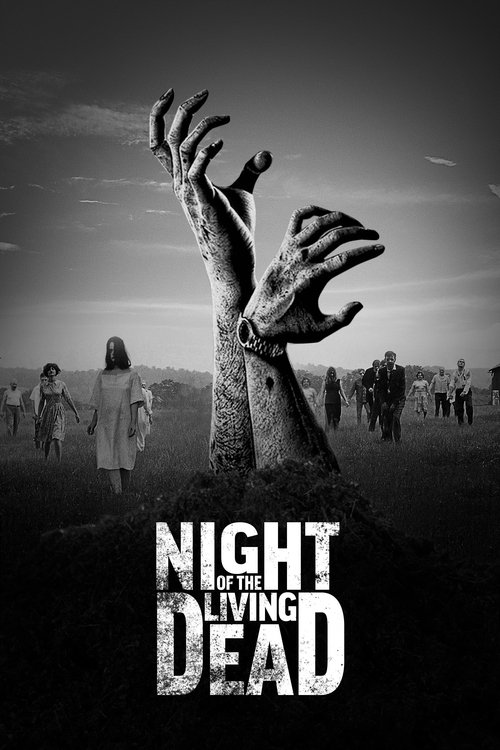
Remaking a untouchable masterpiece is usually a fool’s errand. It’s the cinematic equivalent of trying to paint over the Mona Lisa because you think she’d look better with a more modern haircut. When I first heard that Tom Savini—the undisputed Sultan of Splatter—was stepping behind the camera to remake George A. Romero’s 1968 classic Night of the Living Dead, I remember feeling a mix of genuine excitement and "please don't ruin my childhood" dread.
The original is the blueprint for everything we love (and fear) about zombies. But here’s the thing: Romero himself wrote the screenplay for this 1990 version. He didn't just do it for the art; he did it to reclaim the copyright he’d famously lost on the original due to a titling error. This wasn't a soulless studio cash-grab; it was a family affair intended to update the story for a 90s audience that had grown used to the neon-soaked gore of the 80s.
I actually watched this for the third time last Tuesday while trying to scrape a three-year-old pepperoni pizza stain off my rug with a butter knife, and I realized something: this movie might actually be the most underrated remake in horror history.
A Heroine Reborn
The biggest shock for anyone coming from the black-and-white original is the transformation of Barbara. In the '68 version, Barbara is essentially a walking radiator—she spends the movie in a catatonic state, staring at walls while the men do the heavy lifting. But in 1990, Patricia Tallman (who I first recognized from her stunt work) gives us a Barbara who evolves. She starts as a victim, sure, but she ends up as a combat-boot-wearing, rifle-toting survivalist.
Watching her trade her funeral dress for a utilitarian vest is one of those great "hell yeah" moments. Patricia Tallman brings a grounded, simmering rage to the role that feels entirely earned. Opposite her, we have the legendary Tony Todd as Ben. Long before he was whispering into mirrors as Candyman (1992), he was here, providing a powerful, desperate anchor for the group. He’s more volatile than the original Ben, and his chemistry with Tallman is electric. They don't always agree, but they feel like two people actually trying to solve a problem, rather than just playing archetypes.
The Maestro’s Blood-Soaked Debut
You can’t talk about a Tom Savini movie without talking about the "wet stuff." Savini, who revolutionized makeup effects in Dawn of the Dead (1978) and Friday the 13th (1980), was under immense pressure here. Ironically, the MPAA ended up being his biggest monster. To avoid an X-rating, Savini had to trim some of his most ambitious practical effects, including a "brain-spurting" shot that sounded legendary in horror magazines of the time.
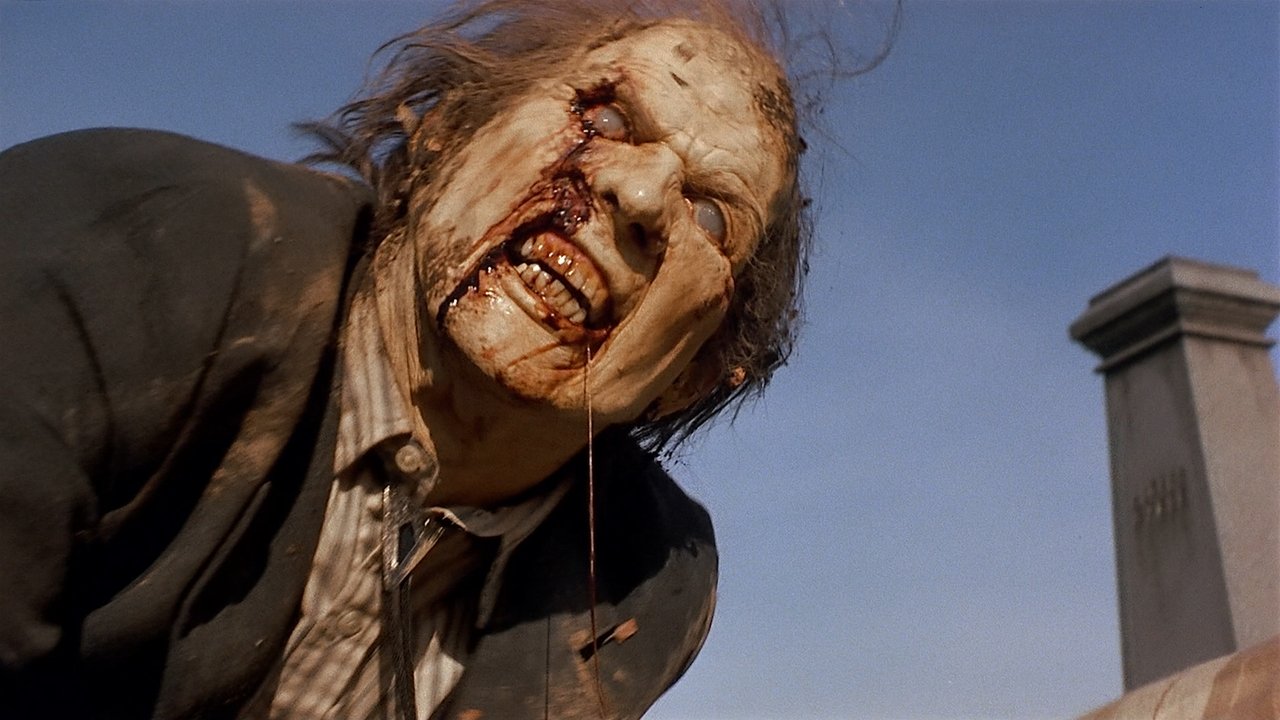
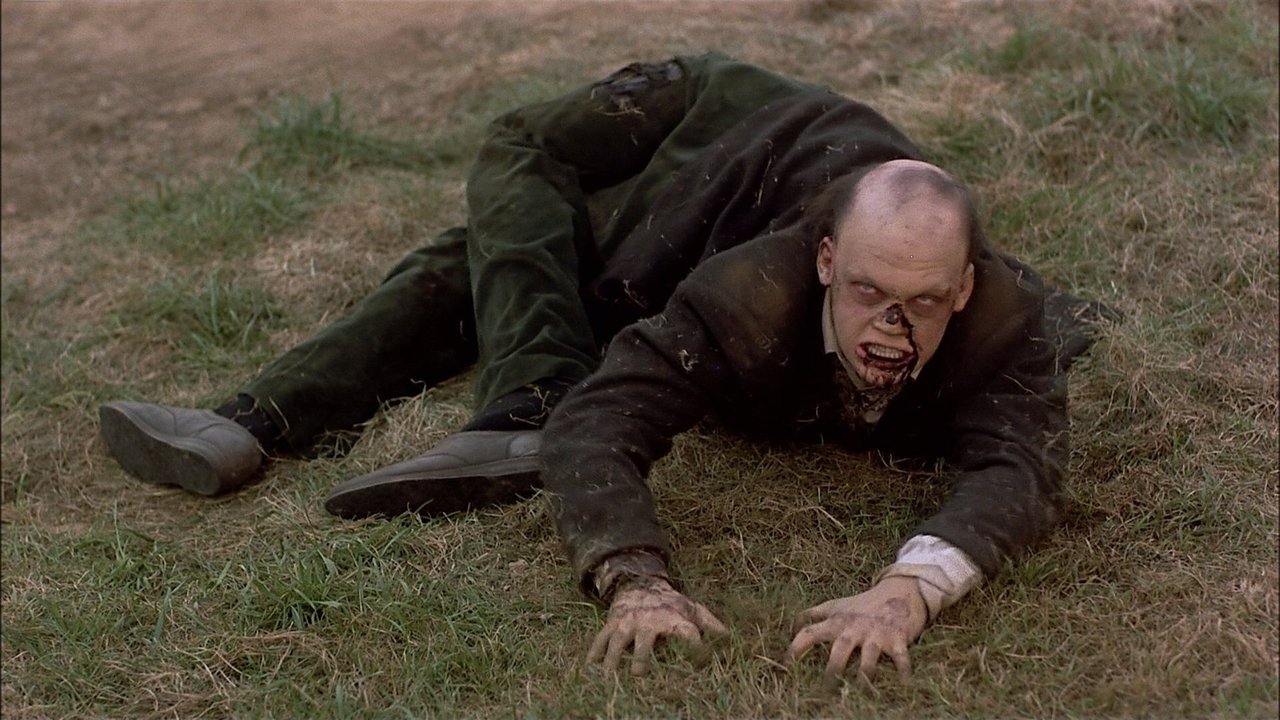
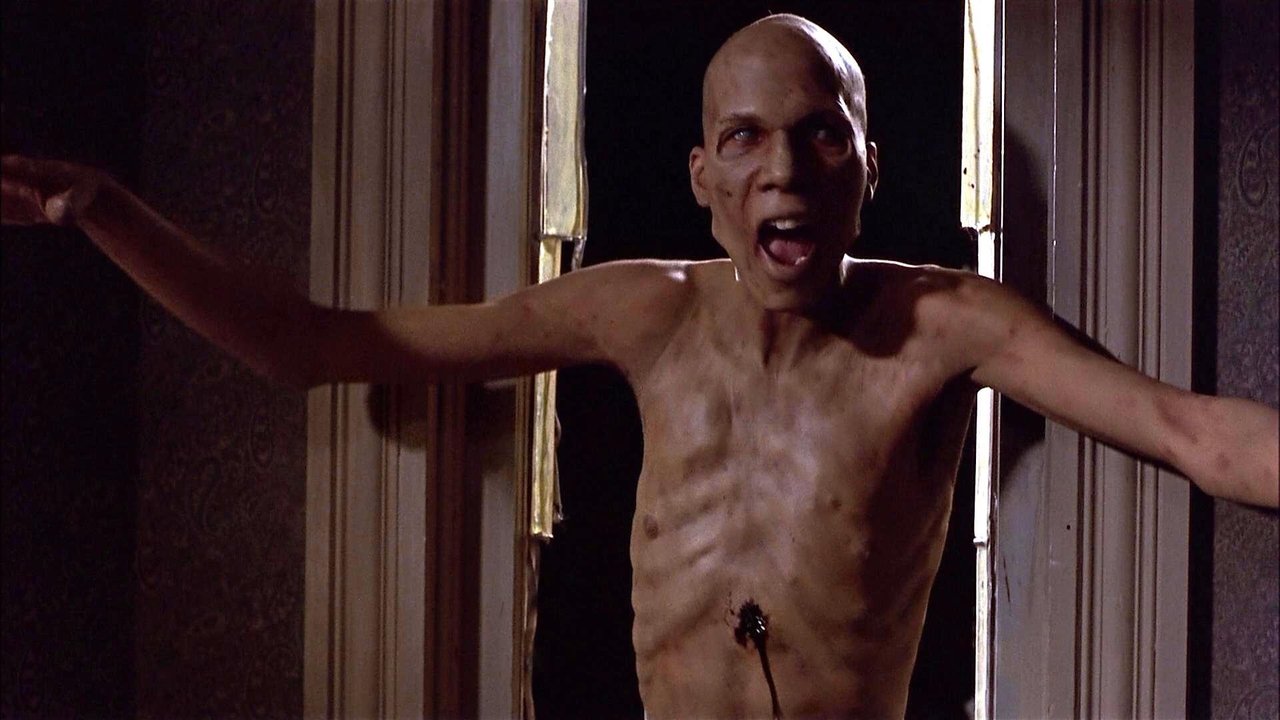
Despite the cuts, the zombies here look phenomenal. They aren't the blue-painted guys from the 70s or the hyper-active sprinters of the 2000s; they are rotting, tactile, and terrifyingly human. There is a weight to the makeup that CGI simply cannot replicate. When a zombie gets hit with a tire iron, you feel the crunch.
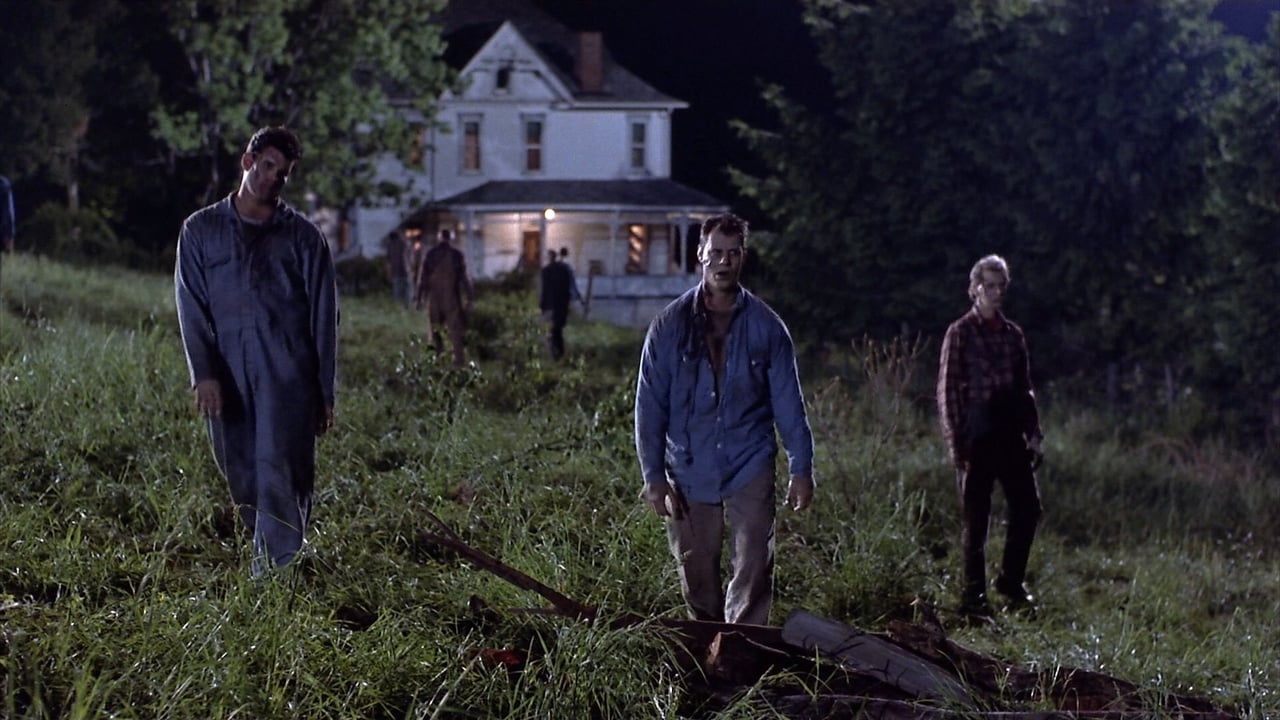
The indie roots of this production are visible in the best way. Shot on a relatively modest $4.2 million budget in Washington, Pennsylvania, the film utilizes its singular location with expert precision. Frank Prinzi’s cinematography uses the darkness of the farmhouse to create a claustrophobia that feels much tighter than the original. It’s a masterclass in how to make a small budget feel like a grand-scale apocalypse just by focusing on the shadows outside the window.
The Basement Blues
The real horror of Night of the Living Dead has always been the people inside the house, not the monsters outside. Enter Tom Towles as Harry Cooper. I truly believe Tom Towles gives one of the most punchable performances in cinema history. He is so grating, so cowardly, and so stubborn that you find yourself rooting for the zombies to break through the cellar door just to shut him up.
Behind the scenes, the production was a bit of a pressure cooker. Savini has often spoken about how difficult it was to transition from effects artist to director, especially with the weight of Romero’s legacy on his shoulders. The film was produced by 21st Century Film Corporation during a tumultuous time for indie studios, but that "us against the world" energy translated perfectly onto the screen. Bill Moseley (who most fans know as Otis from House of 1000 Corpses) even stops by for a cameo as Johnnie, delivering the iconic "They're coming to get you, Barbara" line with a sinister, sibling-mockery twist.
The ending is where the 1990 version truly carves its own path. I won't spoil it for the uninitiated, but the 1990 ending is actually superior to the 1968 one because it replaces accidental tragedy with a much more cynical, deliberate commentary on human nature. It reflects a post-80s world that had grown a bit more jagged and a bit less hopeful.
This is exactly what a remake should be: a film that respects the source material enough to keep the skeleton, but has the courage to grow entirely new skin. It’s a gritty, practical-effects powerhouse that proved Tom Savini could handle more than just blood pumps and latex. If you’ve ignored this one because you’re a "purist," you’re missing out on one of the tightest horror experiences of the 90s. Grab some popcorn, lock your doors, and remember: they’re still hungry.
Keep Exploring...
-
Braindead
1992
-
Return of the Living Dead III
1993
-

Tremors 2: Aftershocks
1996
-
Session 9
2001
-
P2
2007
-
I Spit on Your Grave
2010
-

Red State
2011
-

Sinister
2012
-
V/H/S
2012
-
Dark Skies
2013
-
You're Next
2013
-
A Girl Walks Home Alone at Night
2014
-

Day of the Dead
1985
-
Candyman
1992
-
Ring
1998
-
Audition
2000
-

Ichi the Killer
2001
-

The Devil's Backbone
2001
-
The Hole
2001
-

Dog Soldiers
2002