Nikita
"To serve the state, she must die first."
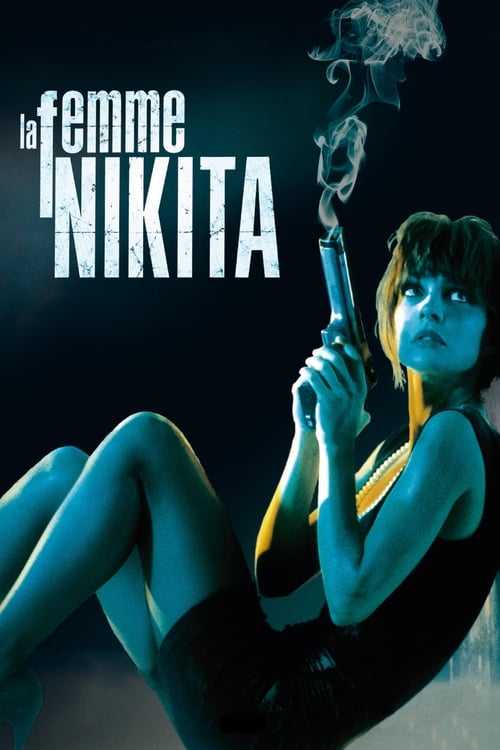
The 1990s didn’t begin with a whimper; in French cinema, they began with the wet thud of a heroin addict’s boot hitting the floor of a pharmacy and a point-blank gunshot to a policeman’s skull. I first encountered Nikita on a grainy, multi-generational VHS tape I’d swiped from my older brother's shoebox of "grown-up" movies. I watched it while sitting on a scratchy rug, picking at a loose thread in the carpet, and I remember the exact moment my jaw tightened—the moment the needle went into the protagonist’s arm to fake her "suicide." It wasn't just an action beat; it felt like a door slamming shut on a soul.

Luc Besson’s masterpiece is often categorized as the pinnacle of Cinema du Look, a movement obsessed with style, color, and high-gloss visuals. But looking back at it now, through a lens unclouded by the neon-drenched imitators that followed, Nikita is a remarkably bleak study of state-sponsored identity theft. It’s a film about a woman who is murdered by her own government so they can turn her ghost into a weapon.
The Feral and the Finished
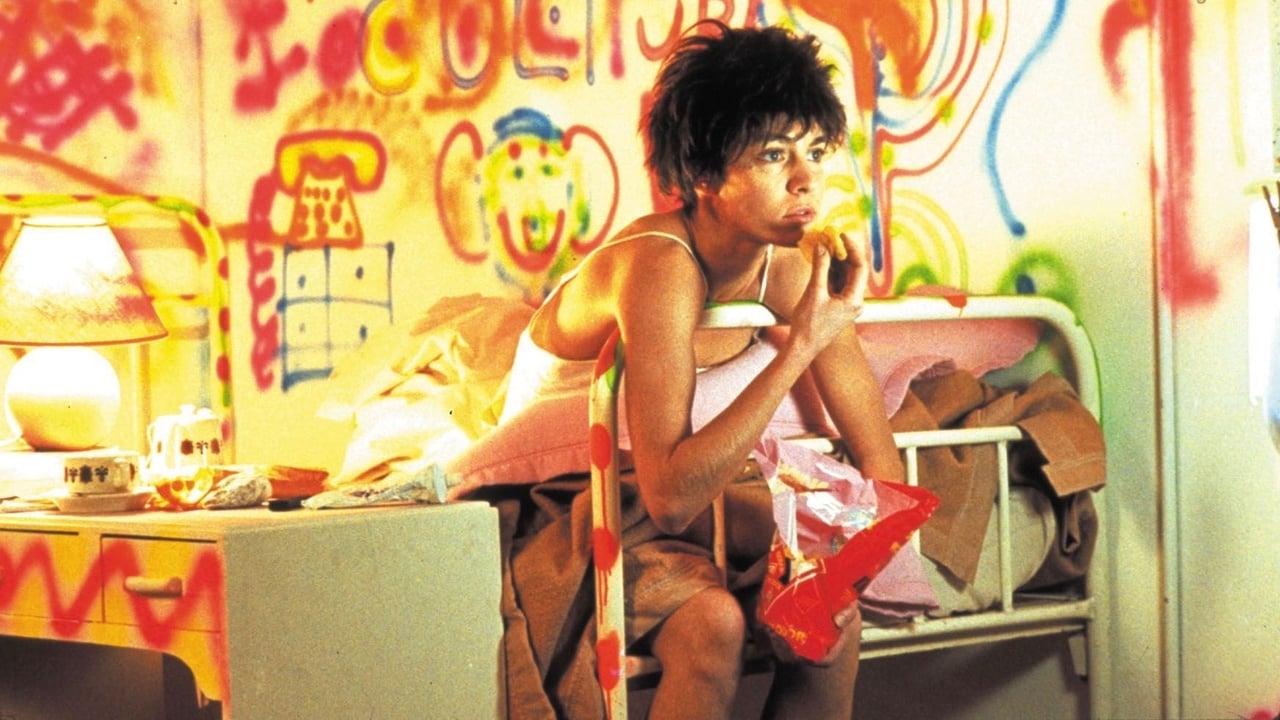
The transformation of the title character is one of the most agonizing and rewarding arcs of the early 90s. Anne Parillaud doesn’t just play a role; she undergoes a visible molecular change. In the opening act, she is a gutter-dwelling animal—hissing, biting, and utterly devoid of what society calls "grace." When Tchéky Karyo’s Bob, the government handler who exudes a chilling, paternalistic menace, gives her the choice between a grave and a career in wetwork, the "training" that follows is essentially a long, stylish torture session.
What makes this work so well is the contrast. Besson pits the cold, blue-hued brutality of the government facility against the legendary Jeanne Moreau, who appears as Armande to teach Nikita how to be a woman. It’s a bizarre, gendered re-education. Seeing Moreau—the icon of the French New Wave—passing the torch to Parillaud is a meta-cinematic moment that felt like the 1960s handing a knife to the 1990s. The state is essentially a high-end pimp with a badge, and the film refuses to let us forget the inherent ugliness of that arrangement.
The Choreography of Desperation
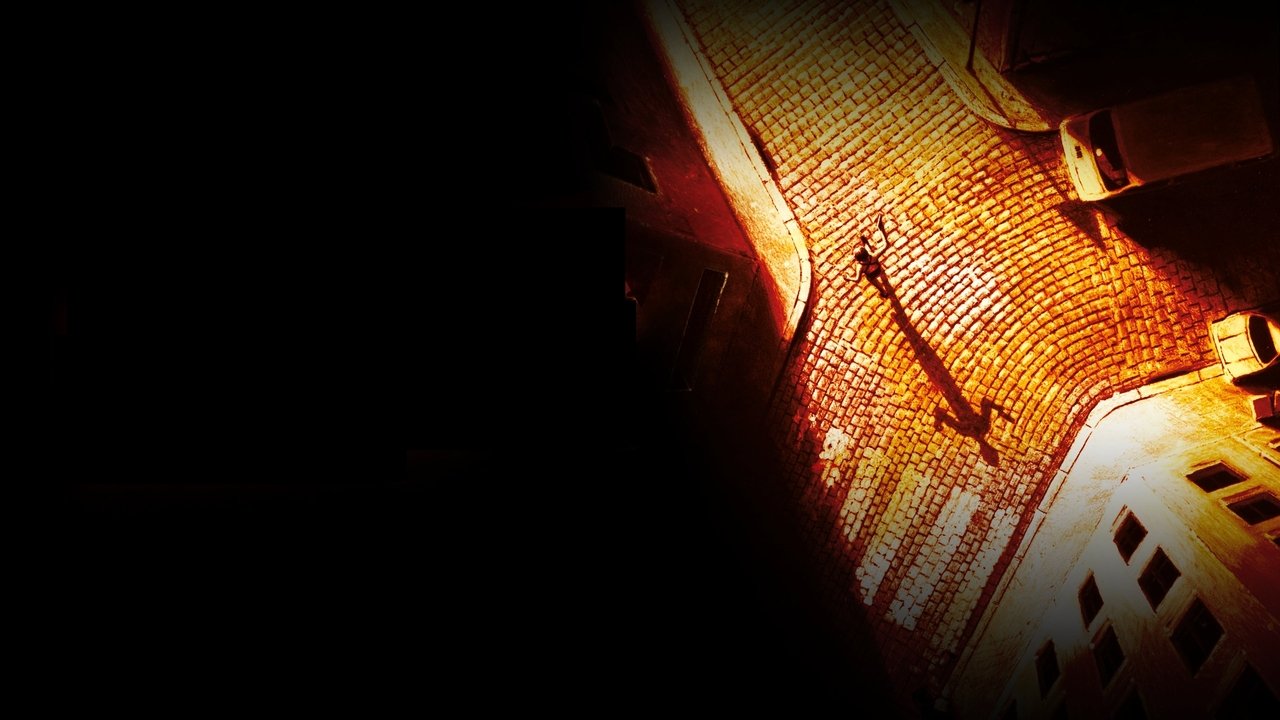
When the action hits, it doesn’t feel like a choreographed dance; it feels like a panic attack. The infamous restaurant scene—filmed in the opulent Le Train Bleu in Paris—is a masterclass in tension. Apparently, the production only had three days to shoot in that historic location, and you can feel that ticking-clock pressure on the screen. When Nikita is told to "enjoy your dessert" and handed a Beretta, the subsequent shootout is messy and terrifying.
This leads to the introduction of Jean Reno as Victor, the Cleaner. Long before he was the soft-hearted hitman in Léon: The Professional (1994), Reno was a terrifying, silent force of nature here. His arrival shifts the film’s energy from a spy thriller into something closer to a slasher movie. Reno was only supposed to be on set for a brief time, but his presence was so gravitational that he basically walked off the set of Nikita and into his own legendary career. The way he handles acid and corpses with the same boredom a man uses to fold laundry is a grim highlight of the film’s middle act.
An Analog Ghost in a Digital Dawn
Watching Nikita today reveals just how much we’ve lost in the transition to digital action. There is a weight to the practical effects—the way the plaster explodes, the genuine recoil of the weapons, and the heavy shadows captured by Thierry Arbogast on actual film stock. It’s a film that sits on the cusp of the CGI revolution but remains firmly rooted in the physical. The score by Éric Serra—all shimmering synths and industrial clangs—perfectly captures that Y2K-adjacent anxiety that was beginning to percolate in the early 90s.
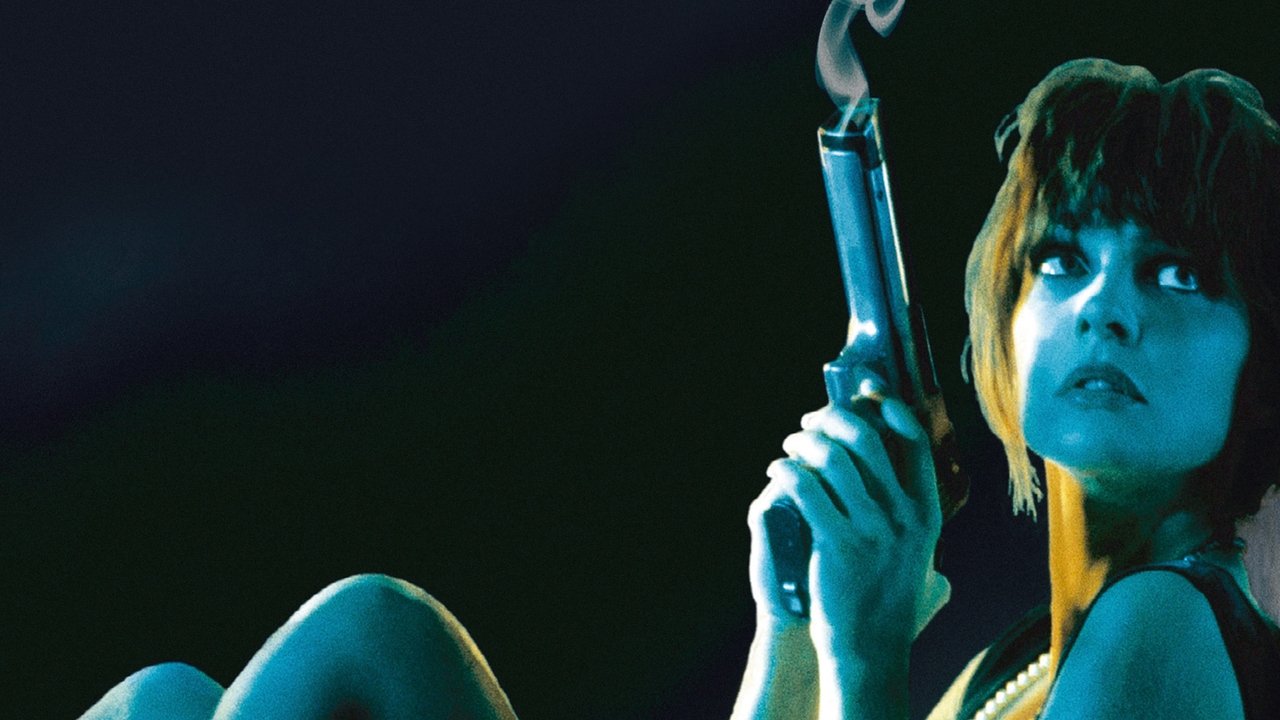
The tragedy of the film lies in the character of Marco, played with a heartbreaking, puppy-like sincerity by Jean-Hugues Anglade. He represents the "normal" life that Nikita can never truly touch. Their domestic scenes are shot with a warmth that feels like a lie, making the eventual intrusion of her "work" feel like a violation. I've always found the ending of Nikita to be one of the most honest in the genre; it doesn't offer the tidy closure of a Hollywood blockbuster. It recognizes that once you’ve been broken and rebuilt by the state, there is no "going home."
Nikita remains a dark, shimmering jewel of French action that proved subtitles were no barrier to a global cult following. It paved the way for everything from The Matrix to John Wick, yet it possesses a melancholic soul those films often trade for spectacle. It's a reminder that before Luc Besson became a franchise-producing machine, he was a director who could make the pull of a trigger feel like a scream for help. If you've only seen the sanitized American remakes or the TV spin-offs, you haven't seen the real Nikita—the feral girl who died so a ghost could learn to kill.
Keep Exploring...
-

Léon: The Professional
1994
-
The Fifth Element
1997
-
The Family
2013
-
Point Break
1991
-

The Crow
1994
-
Taken
2008
-
Anna
2019
-

The Messenger: The Story of Joan of Arc
1999
-
The Transporter
2002
-
Transporter 2
2005
-
The Extraordinary Adventures of Adèle Blanc-Sec
2010
-
Lucy
2014
-
From Dusk Till Dawn
1996
-
The Boondock Saints
1999
-
Equilibrium
2002
-
Serenity
2005
-
John Wick
2014
-
Colombiana
2011
-

3 Days to Kill
2014
-
The Hunt for Red October
1990