Pretty Woman
"A corporate shark, a streetwise girl, and one big mistake."
In the early months of 1990, the cinematic landscape was caught in a weird, sweaty transition. The high-octane, shoulder-padded excess of the ‘80s was fading, but the self-aware, indie-fueled irony of the mid-90s hadn’t quite arrived yet. Into this vacuum slid a silver Lotus Esprit, driven by a man who couldn't work a stick shift, looking for directions to Beverly Hills. I watched this again last night on a slightly blurry digital stream while trying to get a stubborn piece of popcorn out of my back molar, and I realized that Pretty Woman isn’t just a rom-com; it’s the ultimate "vibe" movie of the pre-digital age.
The premise is, on paper, a bit of a nightmare. A ruthless corporate raider hires a sex worker to be his "beck-and-call girl" for a week to navigate the treacherous waters of high-society business dinners. Yet, through some sort of alchemy involving lighting, a Roxette-heavy soundtrack, and the most infectious laugh in film history, it becomes a modern Cinderella story. It’s a testament to the era’s ability to take a gritty, dark concept and polish it until it reflects nothing but California sunshine.
The Smile That Launched a Thousand Careers
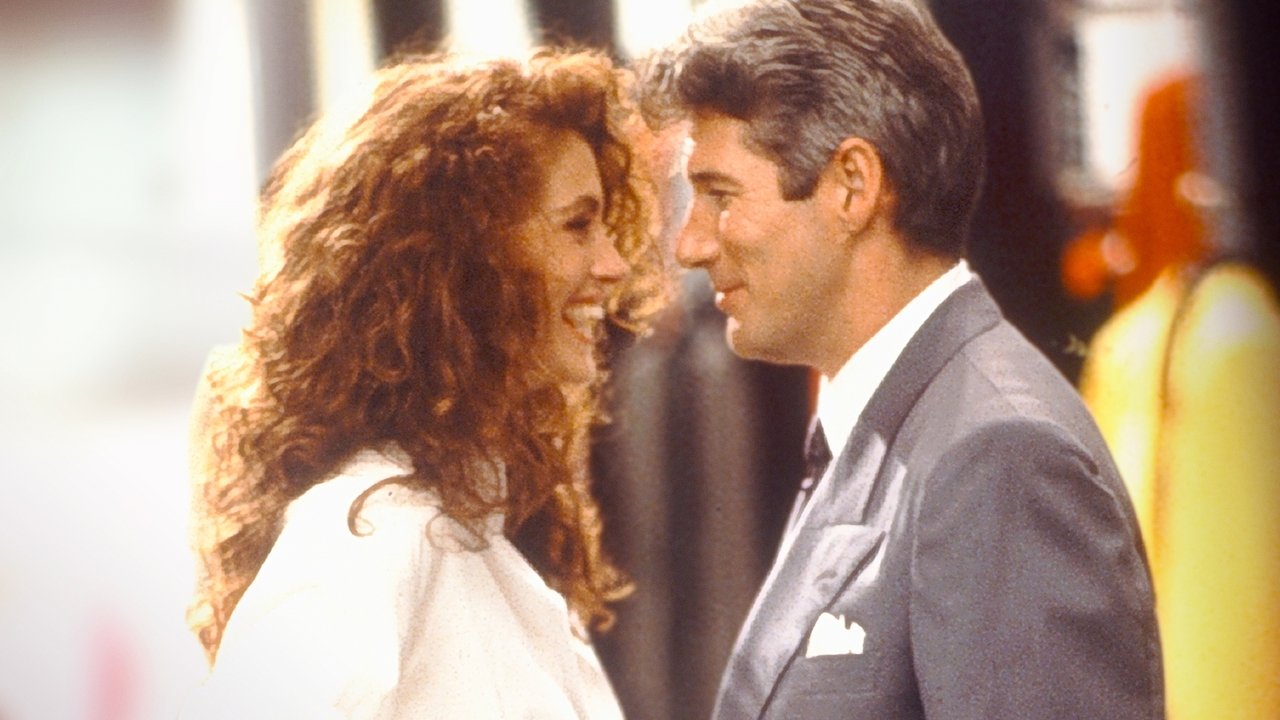
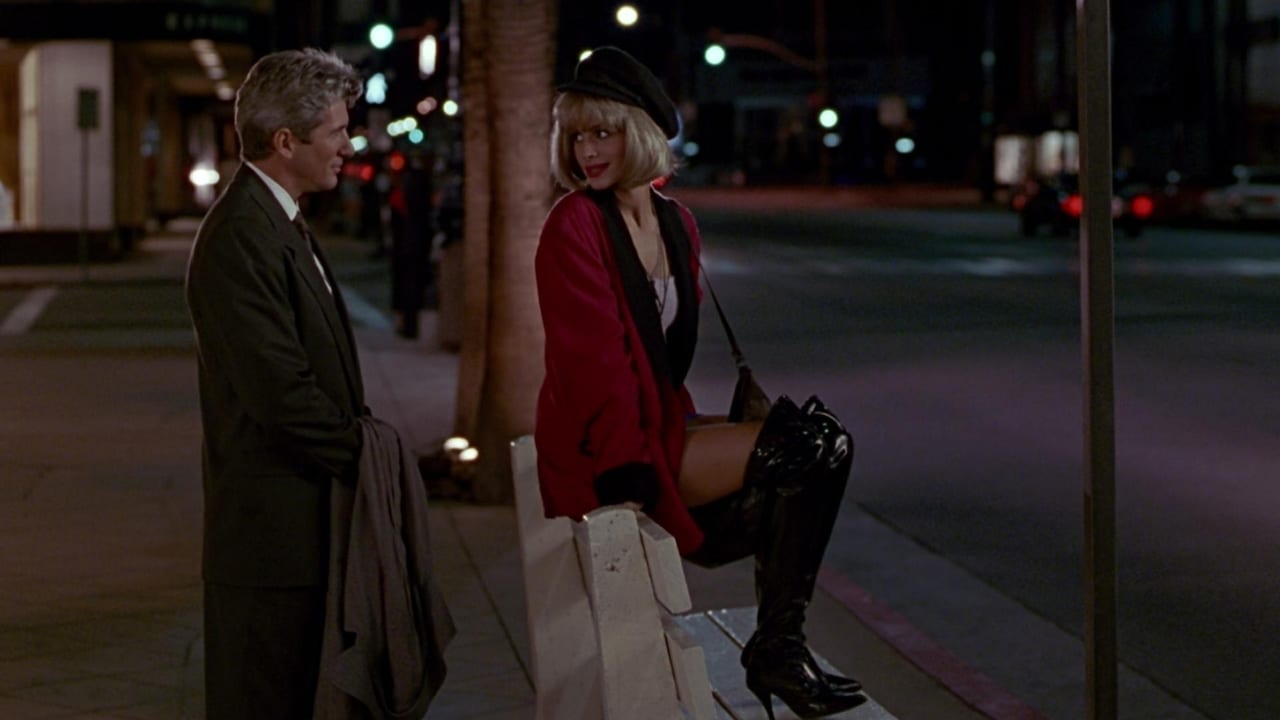
While Richard Gere provides the necessary "stiff-shirt-waiting-to-be-unbuttoned" energy, this movie belongs entirely to Julia Roberts. Looking back, it’s easy to forget how much of a gamble she was. Before she was the Julia Roberts, she was a 22-year-old with a few credits and a smile that seemed to take up 40% of her face. Her Vivian Ward is a marvel of comedic timing; she moves through the stuffy corridors of the Regent Beverly Wilshire with a mix of gangly awkwardness and defiant pride.
Edward Lewis is essentially a financial serial killer who gets a pass because he plays the piano, but Gere plays him with such a weary, soulful detachment that you find yourself rooting for him to stop dismantling companies and start dismantling his own emotional walls. The chemistry isn't just romantic; it’s a rhythmic, verbal dance. When they’re trading barbs over escargot ("Slippery little suckers!"), the timing is as precise as a Swiss watch.
From Dark Drama to Disney Gloss
One of the most fascinating things about Pretty Woman is what it almost was. The original script by J.F. Lawton was titled 3,000 (the price for the week) and was a bleak, cautionary tale about class and drug abuse that ended with Vivian and her friend Kit on a bus to Disneyland. But Disney’s Touchstone Pictures saw the dailies, realized they had a rom-com supernova on their hands, and let director Garry Marshall lean into the fairy tale.
This pivot was a masterstroke. By leaning into the "Modern Cinema" gloss, the film became a box office titan, pulling in over $463 million on a modest $14 million budget. It’s a definitive blockbuster that succeeded by selling a lifestyle. We aren't just watching a romance; we're watching a retail-therapy revenge fantasy. The "Big Mistake. Huge." scene is the ultimate middle finger to elitism, and I still get a dopamine hit every time she walks back into that boutique.
The supporting cast is where the comedy really breathes. Héctor Elizondo, as the hotel manager Barney Thompson, is the film’s secret MVP. His silent, dignified guidance of Vivian—teaching her which fork to use without ever making her feel small—is the movie’s true emotional spine. On the flip side, Jason Alexander (pre-Seinfeld fame) is wonderfully loathsome as the predatory lawyer Stuckey, providing the necessary friction to make Edward’s eventual "hero" turn feel earned.
The Charm of the Analog Era
Revisiting this in the 2020s highlights how much has changed. There’s no social media to ruin Vivian’s reputation, no cell phones to interrupt their polo match dates—just the hum of Los Angeles and the tactile luxury of 1990. The film captures a very specific moment where corporate greed was being re-evaluated through a softer lens.
The production trivia is a goldmine for fans of this era. For instance, that iconic red dress was almost black, but costume designer Marilyn Vance fought for the scarlet hue, even after three different test shots. And the famous scene where Edward snaps the jewelry box shut on Vivian’s fingers? That was an ad-libbed prank by Gere to wake a tired Roberts up. Her genuine, explosive laugh was so perfect that Garry Marshall kept it in, creating one of the most recognizable moments in cinema.
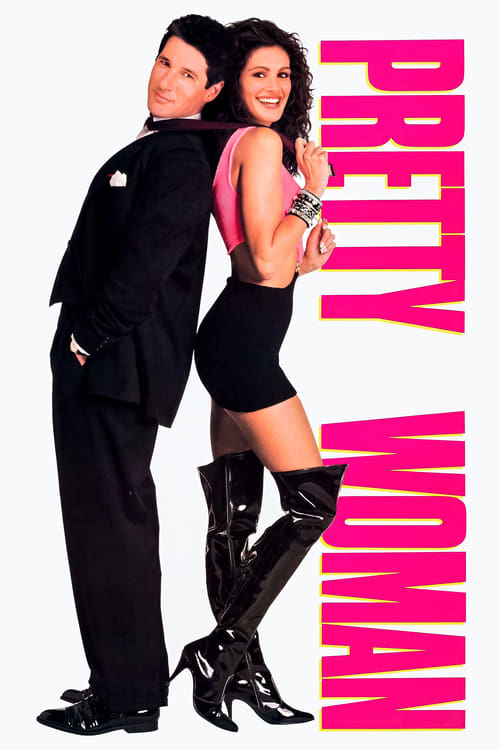
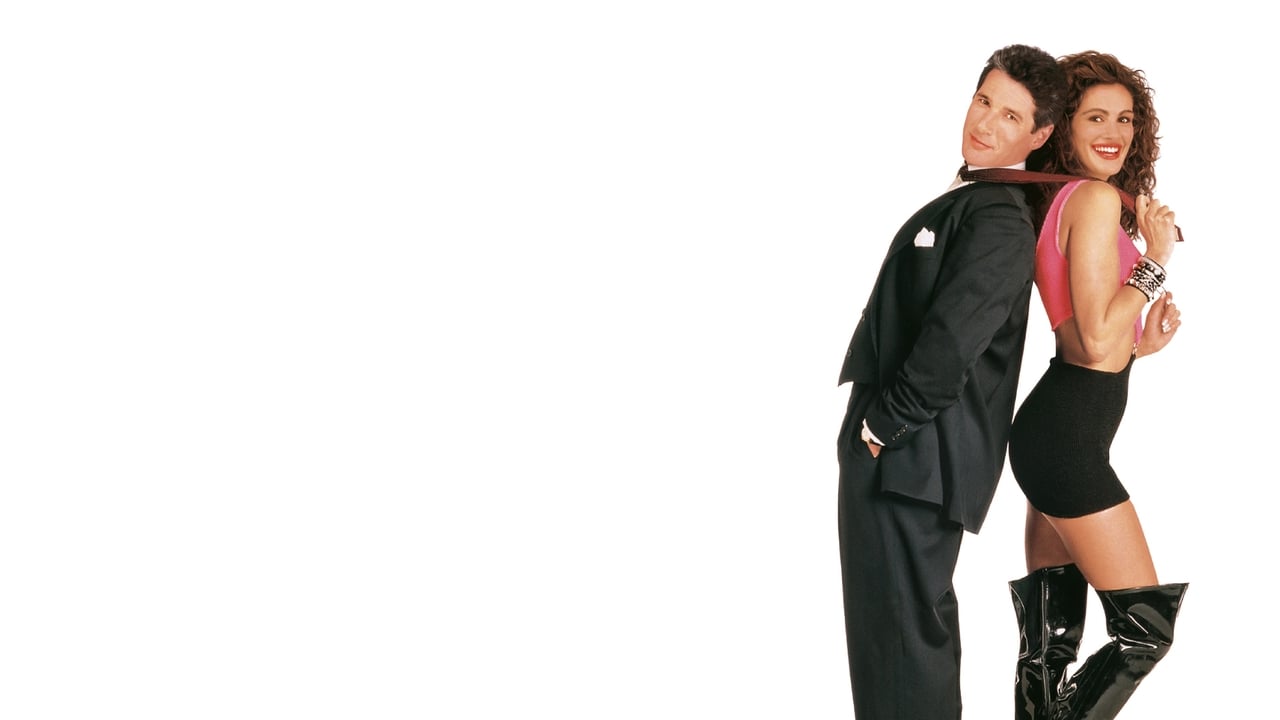
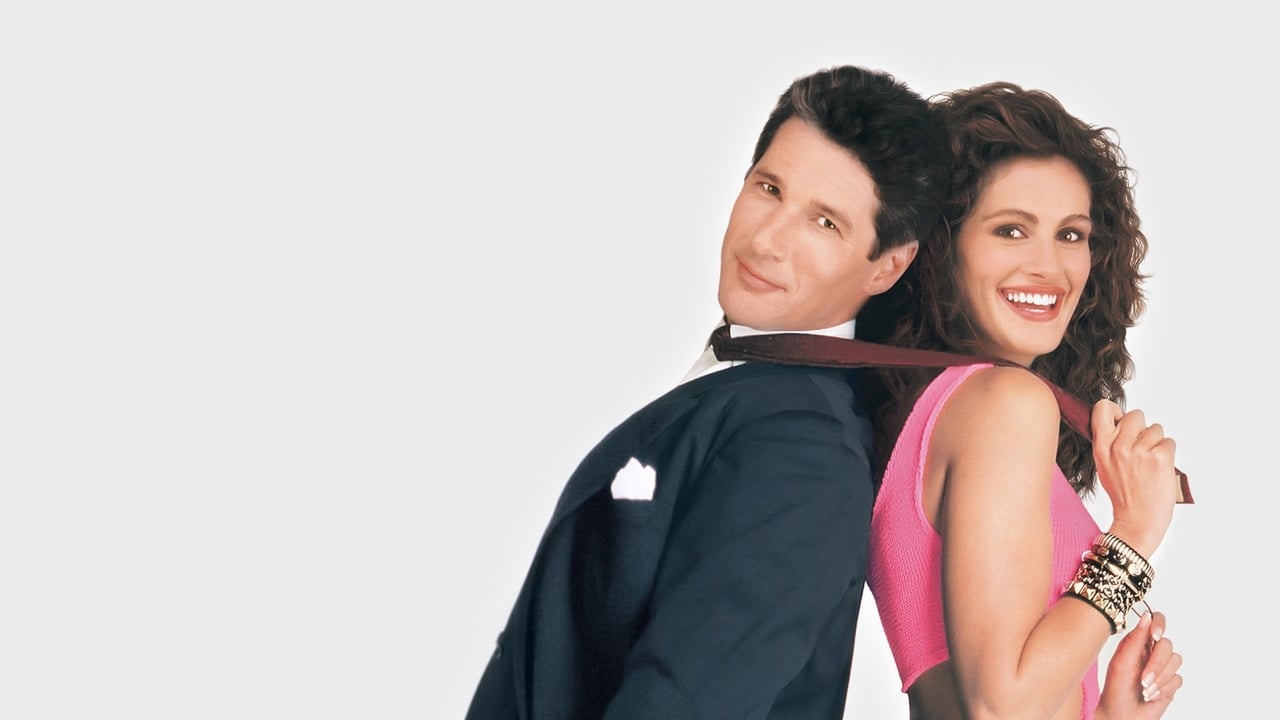
Even the poster has its own weird 90s quirks: Julia Roberts' head was actually photoshopped onto the body of her body double, Shelley Michelle, and Richard Gere’s hair is suspiciously brown on the poster while being a distinguished silver-fox grey in the actual film.
Ultimately, Pretty Woman works because it doesn't try to be a documentary. It knows it’s a fantasy. It’s a movie that trusts its leads to carry the weight of its thin plot on the strength of their charisma alone. It’s the kind of film that makes you want to go out, buy an oversized blazer with rolled-up sleeves, and believe that the guy in the limo is actually going to climb the fire escape.
In an era of CGI-heavy spectacles, there's something incredibly refreshing about a movie where the biggest special effect is a woman discovering she’s worth more than the price on her tag. It’s funny, it’s sweet, and it’s a reminder of why we fell in love with the movies in the first place. Go ahead, treat yourself to a rewatch. Big mistake if you don't. Huge.

Keep Exploring...
-
The Princess Diaries
2001
-
The Princess Diaries 2: Royal Engagement
2004
-
The Mask
1994
-

While You Were Sleeping
1995
-
Runaway Bride
1999
-
Shakespeare in Love
1998
-
The Wedding Singer
1998
-
There's Something About Mary
1998
-
About a Boy
2002
-
Freaky Friday
2003
-
Love & Other Drugs
2010
-
Friends with Benefits
2011
-
Midnight in Paris
2011
-
Silver Linings Playbook
2012
-
Warm Bodies
2013
-
Groundhog Day
1993
-
A Goofy Movie
1995
-

Mallrats
1995
-
As Good as It Gets
1997
-
Stepmom
1998