RoboCop 2
"A cynical, chrome-plated nightmare of corporate greed and stop-motion madness."
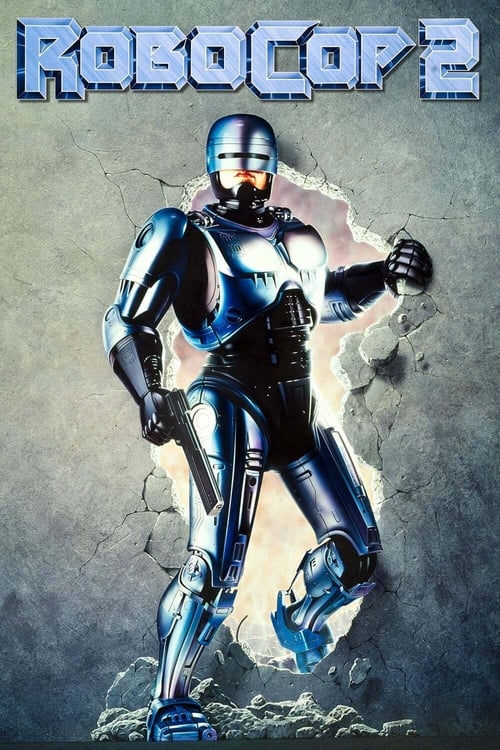
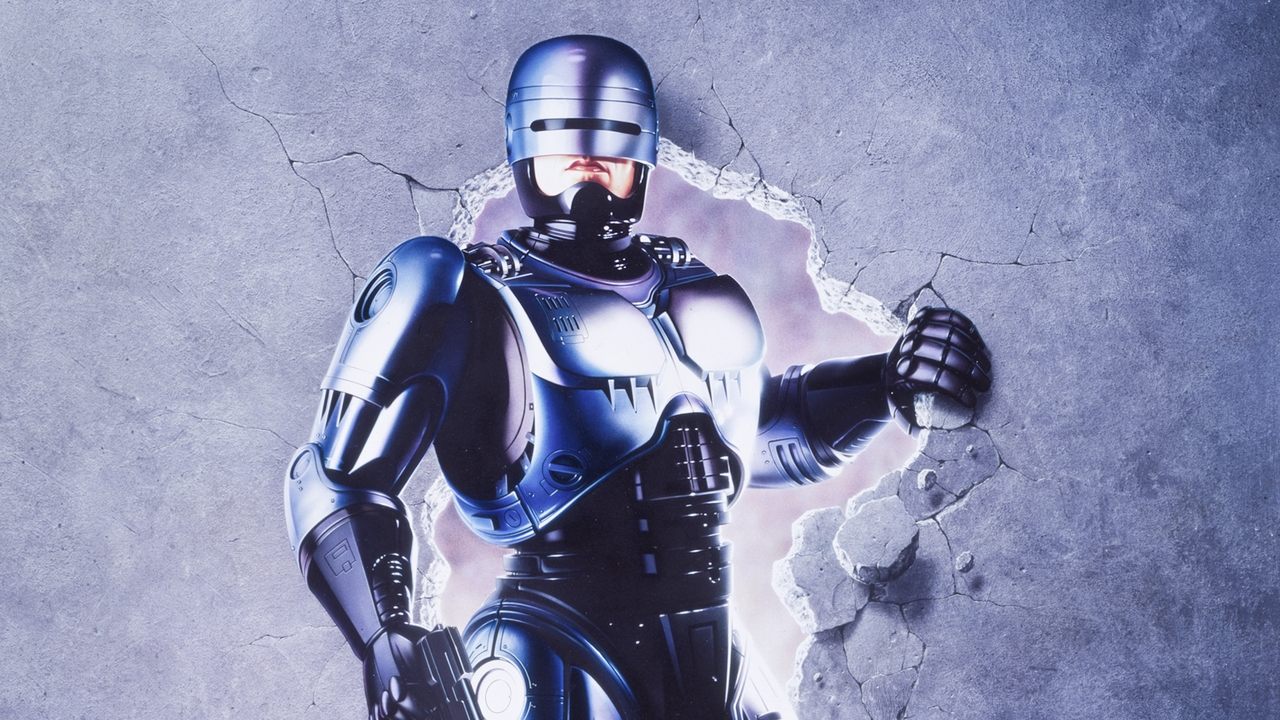
The "Magnavolt" commercial—a slick, televised pitch for a car security system that lethally electrocutes would-be thieves—tells you everything you need to know about the soul of Old Detroit. It's mean, it's darkly funny, and it's unapologetically corporate. While the original 1987 masterpiece used satire as a scalpel, RoboCop 2 trades that blade for a spiked sledgehammer. It is a loud, messy, and fascinatingly nihilistic sequel that captures the exact moment the 1980s bled into the 1990s, trading Reagan-era polish for a grimy, drug-fueled urban decay.

The Director Who Struck Back
Stepping into Paul Verhoeven's boots was no small feat, but the studio tapped Irvin Kershner, the man who had already proven he could handle a high-stakes sequel with The Empire Strikes Back (1980). Kershner doesn't try to replicate Verhoeven's operatic violence; instead, he leans into a cold, clinical industrialism. The Detroit of RoboCop 2 feels like a city-sized scrap heap, where the police are on strike and the only thing growing is the influence of "Nuke," a glowing red narcotic pushed by a messianic cult leader named Cain.
Tom Noonan plays Cain with a haunting, soft-spoken intensity. He isn't a cackling cartoon villain; he's a "God-delirious" junkie who treats his drug distribution like a religious crusade. When he eventually meets Murphy—Peter Weller, returning with a performance that finds the humanity beneath the hydraulic whirrs—the resulting clash isn't just a shootout; it's a battle for the very idea of what "law" means in a bankrupt world.
The Apex of Analog Effects
If you want to witness the absolute peak of practical visual effects before the 1993 Jurassic Park revolution changed the landscape forever, this is your holy grail. The legendary Phil Tippett and his team outdid themselves here. The climax, featuring a massive, multi-limbed "RoboCop 2" unit (inhabited by the brain of a drug addict), is a masterclass in stop-motion animation.
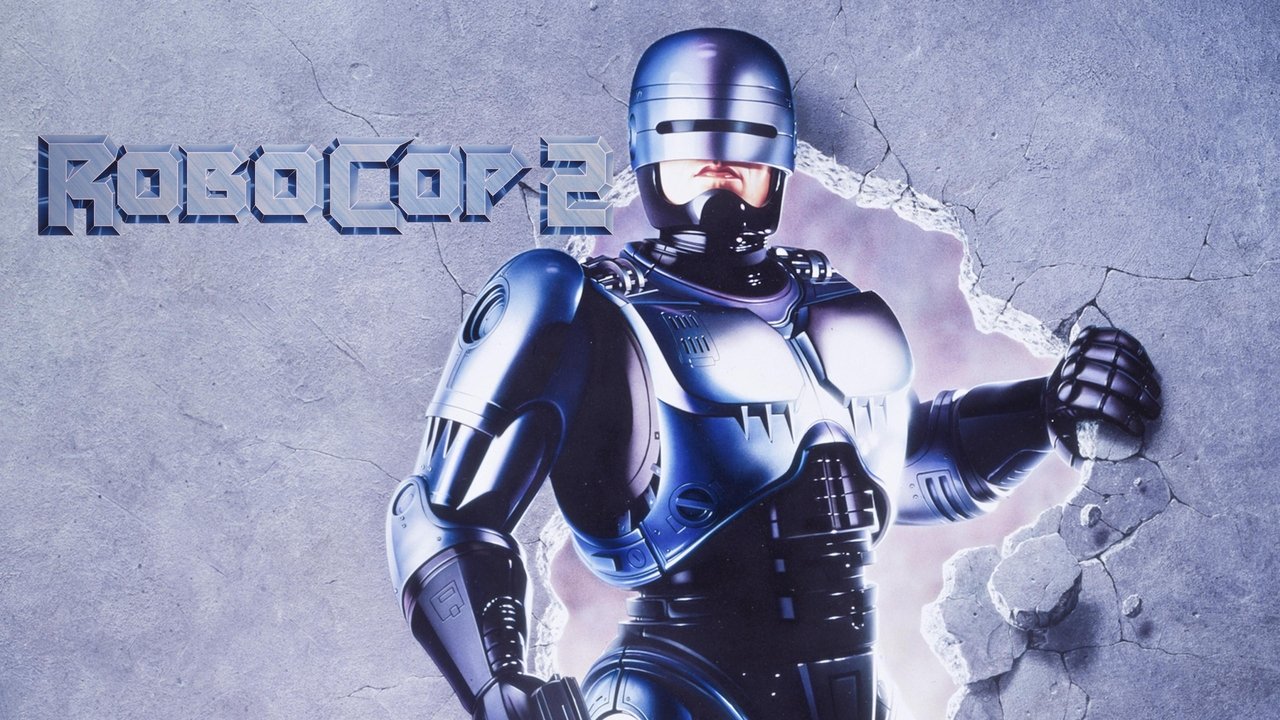
Looking back, the way this mechanical monstrosity moves—jittery, heavy, and terrifyingly physical—possesses a weight that modern CGI often lacks. There is a tangible sense of "thing-ness" to the metal. When the two cyborgs collide, you aren't watching pixels merge; you're watching hours of painstaking frame-by-frame craftsmanship. It's the swansong of an era, a final, defiant roar from the wizards of analog.
A Script Forged in Chaos
The production was famously turbulent. The original screenplay was penned by comic book titan Frank Miller, fresh off his success with The Dark Knight Returns. His vision was so sprawling and violent that it was deemed "unfilmable," leading to significant rewrites by Walon Green (the writer of the gritty western The Wild Bunch).
You can still feel Miller's fingerprints all over the final product—the obsession with media satire, the "Nuke" cult, and particularly the character of Hob, the foul-mouthed pre-teen drug lord who remains one of the most jarringly dark elements of the franchise. It's a move that would never fly in today's risk-averse studio environment, but it perfectly encapsulates the "anything goes" spirit of 1990 action cinema.
Behind the Visor: Trivia from the Set
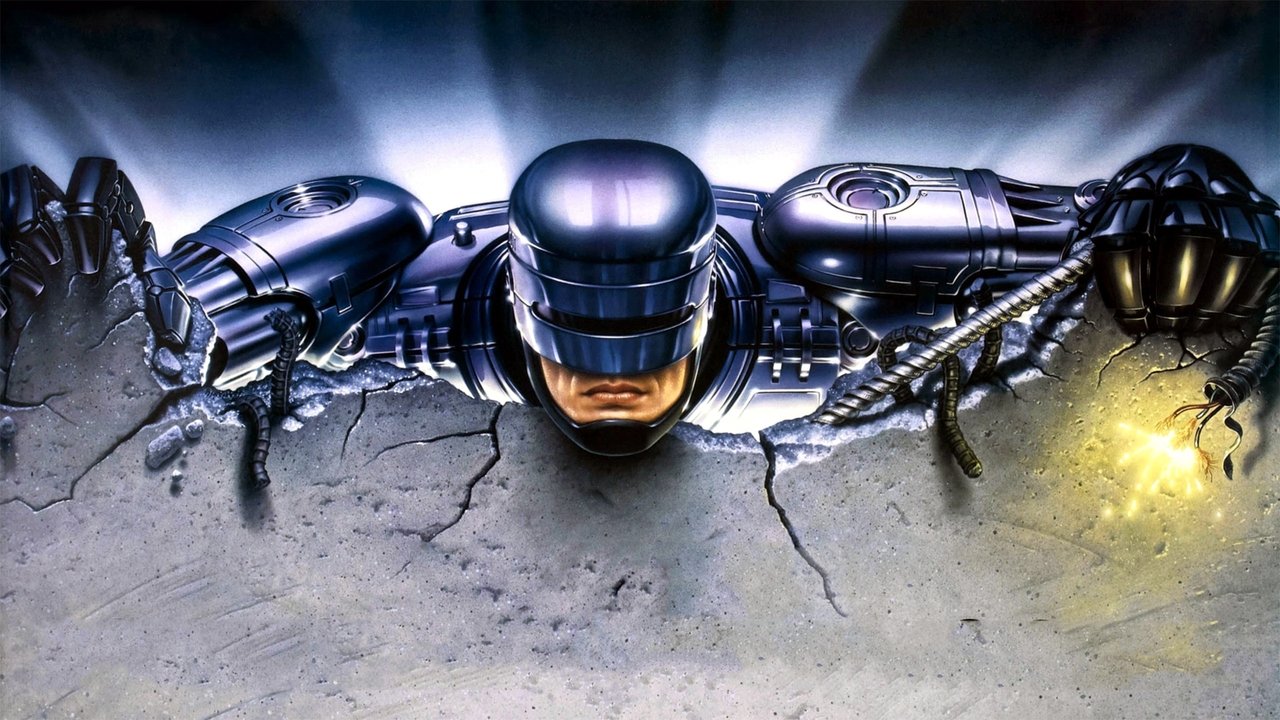
The Uncomfortable Suit: Peter Weller was reportedly so miserable in the suit during the Detroit summer heat that he initially refused to do the sequel unless the cooling system was improved. He even stayed in character between takes, insisting the crew address him as "Murphy." The Miller Cut: Frank Miller was so disappointed with how his script was handled that he largely stayed away from Hollywood for years, eventually returning to direct his own work like Sin City (2005) to ensure his vision stayed intact. The Cameo: Look closely during the OCP boardroom scenes; the "Magnavolt Salesman" is played by John Glover, the character actor extraordinaire who would later play the eccentric billionaire Daniel Clamp in Gremlins 2: The New Batch (1990). Failed Prototypes: The montage of OCP's failed RoboCop 2 prototypes (one of which immediately commits suicide) was a nod to the studio's real-life struggle to find a way to make a sequel that lived up to the first film. The Final Stop-Motion: This was one of the last major Hollywood productions to feature large-scale stop-motion as its primary creature effect. Phil Tippett would famously go on to help transition the industry to digital with his work on the dinosaurs of Jurassic Park*.
RoboCop 2 is often unfairly dismissed for not being the first movie. While it lacks the tight narrative perfection of the original, it compensates with an ambitious, mean-spirited creativity that feels refreshingly bold today. It's a film about a corporation trying to brand a soul, and a man fighting to remember he has one. Between the cynical corporate boardrooms and the magnificent stop-motion carnage, it remains a quintessential piece of cult sci-fi. It's a glitchy, glorious, and grimy scrap-metal symphony that proves sometimes the most interesting sequels are the ones that refuse to play it safe.
Keep Exploring...
-
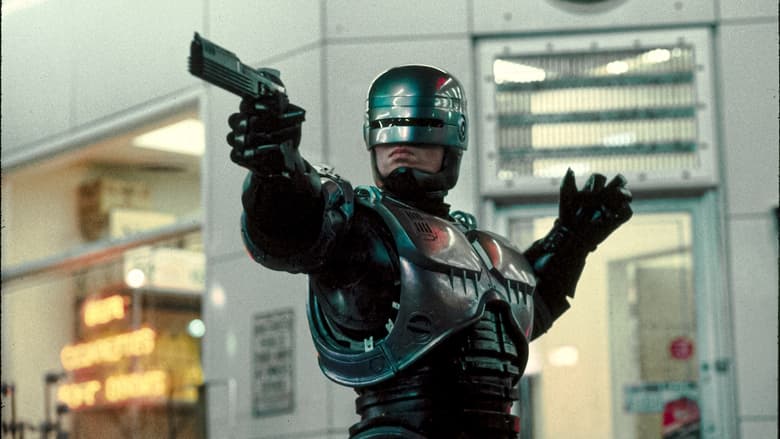
RoboCop
1987
-
9
2009
-

Star Trek VI: The Undiscovered Country
1991
-
Universal Soldier
1992
-
Star Trek: Generations
1994
-
Timecop
1994
-
The Jackal
1997
-
Lethal Weapon 4
1998
-
The Matrix Revolutions
2003
-
The Island
2005
-

16 Blocks
2006
-

X-Men: The Last Stand
2006
-
Babylon A.D.
2008
-

G.I. Joe: The Rise of Cobra
2009
-
Push
2009
-

Repo Men
2010
-
I Am Number Four
2011
-

Battleship
2012
-

G.I. Joe: Retaliation
2013
-
Assassins
1995