Rocky V
"The champion returns to the neighborhood that made him."
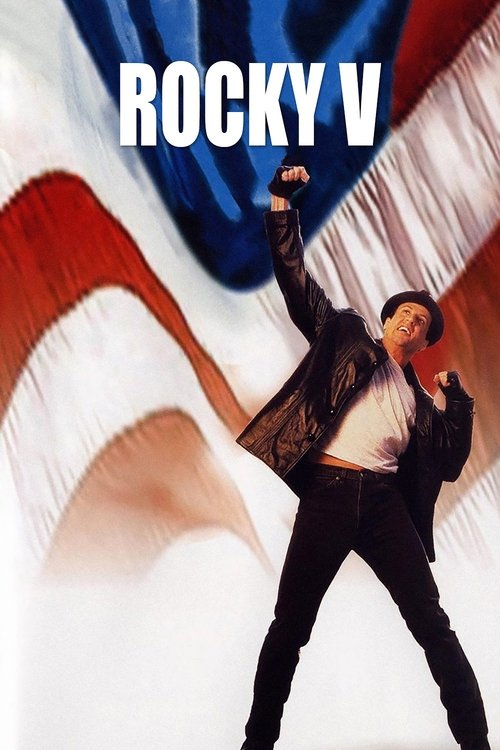
If you walked into a theater in 1990 expecting the neon-lit, synth-pop adrenaline of Rocky IV, the first ten minutes of Rocky V probably felt like a cold bucket of Philly slush to the face. We had just watched Rocky single-handedly end the Cold War by outlasting a Russian powerhouse, and suddenly, we were staring at a man trembling in a shower stall, broke and suffering from permanent brain damage. It was the cinematic equivalent of a hangover after a decade-long party.
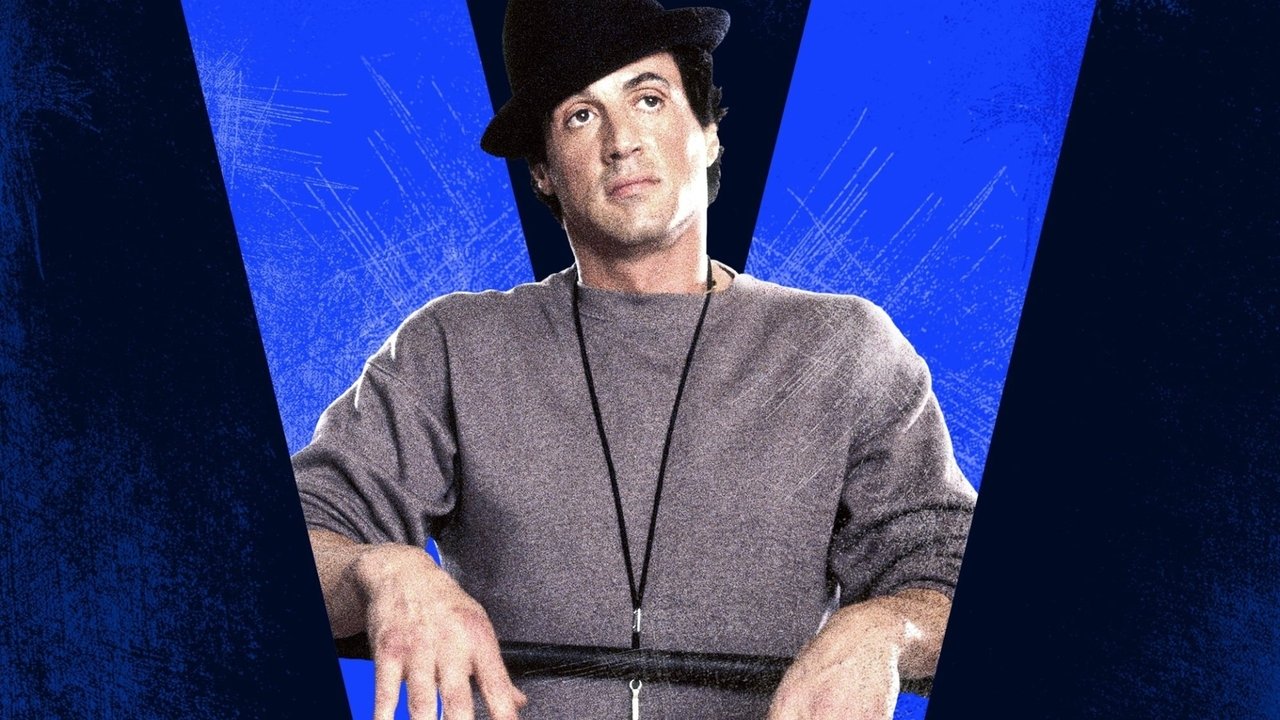
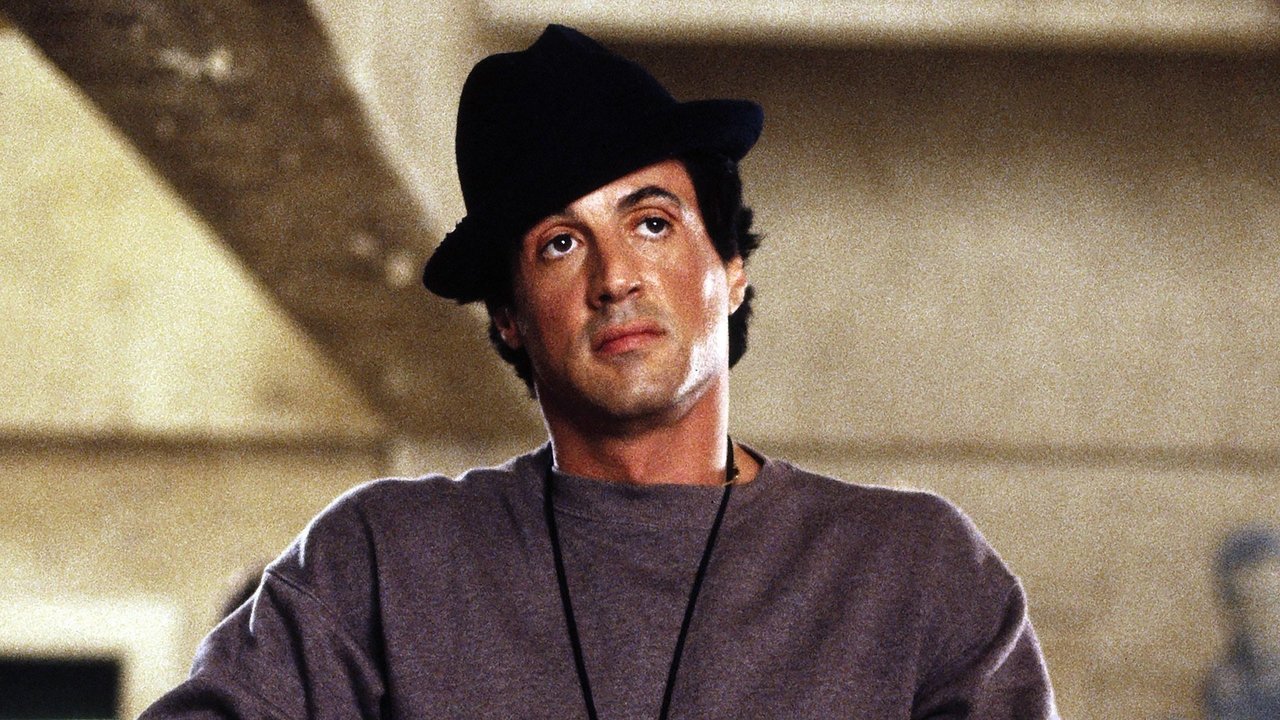
I watched this latest revisit while nursing a slightly-too-hot cup of peppermint tea that burned the roof of my mouth, which felt oddly appropriate for a movie that spends two hours trying to convince you that being a loser is actually a win. For years, this was the "black sheep" of the franchise, the one Sylvester Stallone himself essentially apologized for before "fixing" the legacy with Rocky Balboa in 2006. But looking back at it through the lens of early-90s grit, there’s something fascinatingly messy about this attempt to strip the armor off a Reagan-era icon.
Back to the Blood and the Brick
The 1990s were a transitional era for the action hero. The invincible, muscle-bound gods of the 80s were starting to show cracks, and Rocky V leaned into those fissures with reckless abandon. By bringing back John G. Avildsen—the man who directed the original 1976 masterpiece—the studio clearly wanted to capture that "lightning in a bottle" realism. Gone are the high-tech training montages in the Siberian snow; they’re replaced by the grey, peeling wallpaper of South Philly.
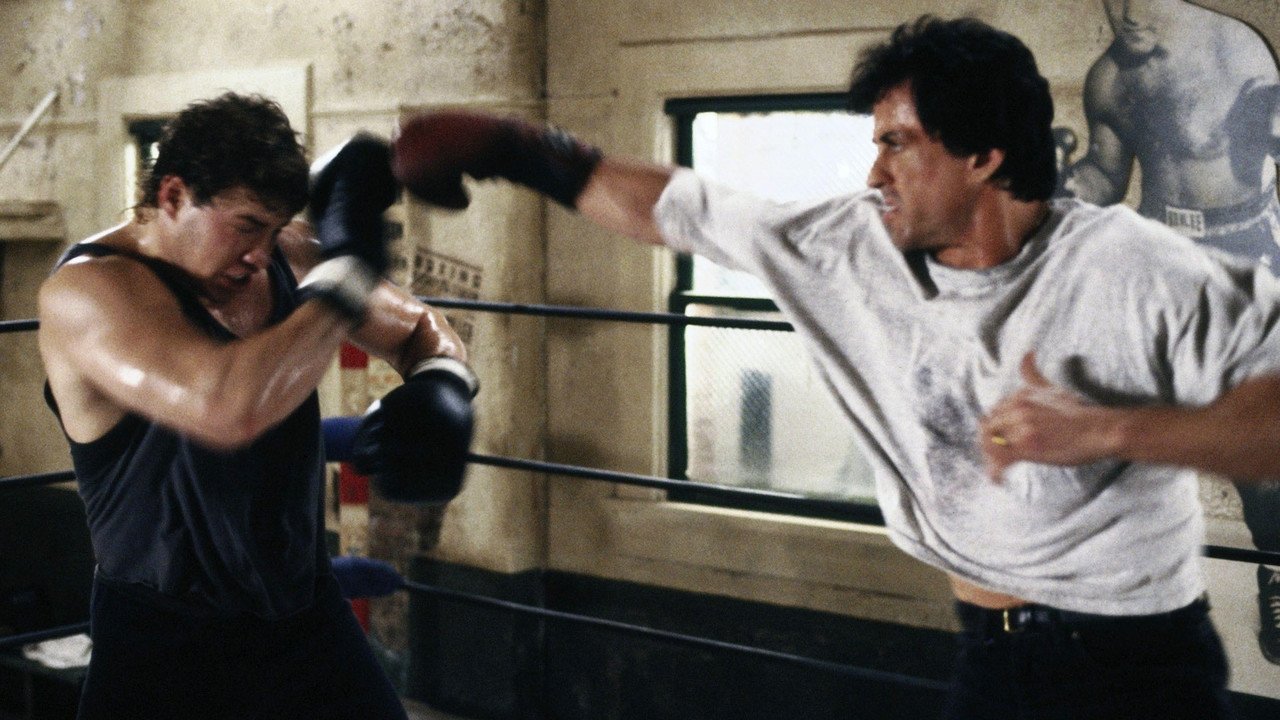
The plot sees Rocky lose his fortune to a crooked accountant (a trope that feels very "greed is gone" for the start of the 90s) and move back to the old neighborhood. It’s a drama about a man who doesn't know how to be a father because he’s too busy trying to be a mentor to a surrogate son, the up-and-coming Tommy "Machine" Gunn. Tommy Morrison, a real-life heavyweight contender at the time, plays Gunn with a raw, believable insecurity, even if his acting range is roughly the width of a boxing glove. The conflict isn't just in the ring; it’s in the basement of a dingy gym and on the sidewalk. The villainous promoter George Washington Duke is a Don King caricature so loud he makes a foghorn sound like a whisper, played with scenery-chewing delight by Richard Gant.
A Family Affair and a Dark Ending
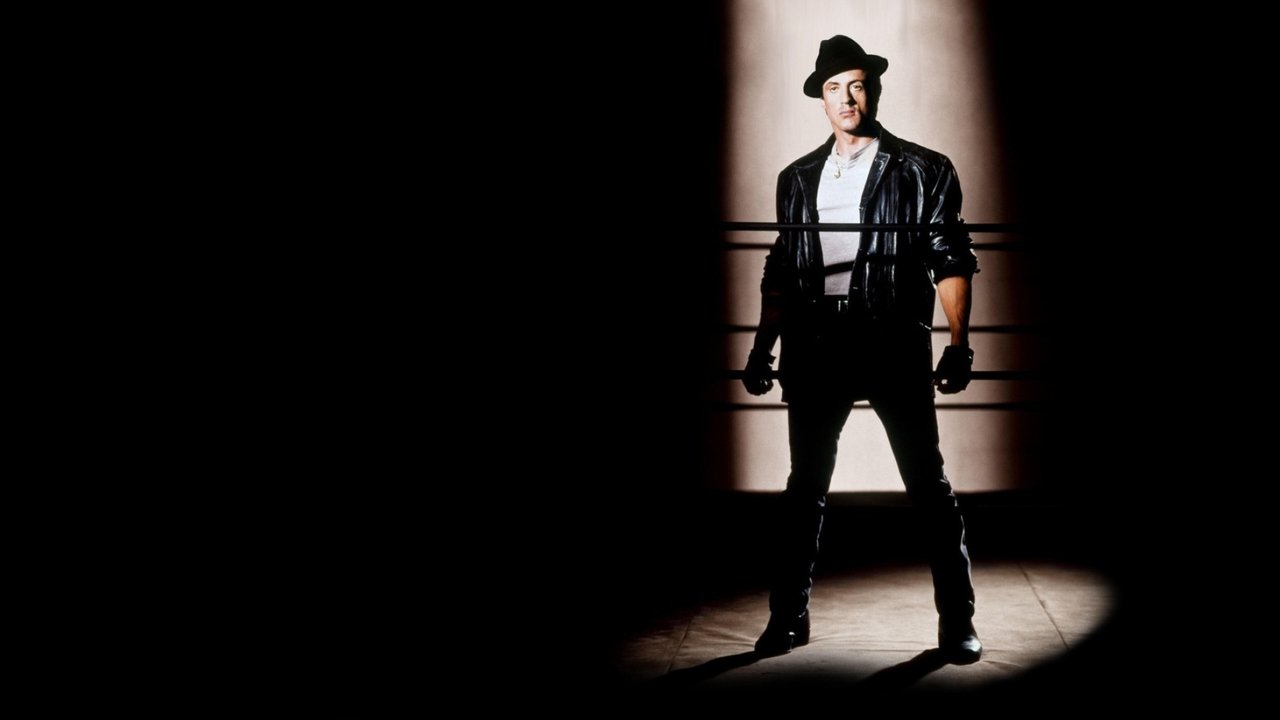
What really anchors the film—and makes it a cult curiosity today—is the casting of Sage Stallone as Rocky Jr. The tension between father and son on screen felt uncomfortably real, likely because it mirrored the actual distance between the two in real life. Those scenes where Rocky ignores his own kid to chase the glory of training Tommy Gunn are the most grounded "drama" the series had seen in years. It’s clunky, sure, but it’s earnest in a way that modern CGI-heavy franchises rarely allow.
There’s a legendary bit of trivia that completely changes how you view the film's somber tone: Stallone’s original screenplay ended with Rocky dying in Adrian’s arms after the street fight. Apparently, the director and Stallone were all in on the tragedy, but the studio stepped in at the eleventh hour, realizing that killing off a billion-dollar IP was bad for the bottom line. You can almost see the stitches where they sewed on a "happy" ending. That "what if" hangs over the movie like a dark cloud.
Speaking of that street fight: it is basically a professional wrestling match minus the spandex. It is undeniably silly to watch a former heavyweight champion engage in a bare-knuckle brawl while a priest and a neighborhood mob cheer him on, but it captures that weird Y2K-adjacent transition where movies were trying to be "street" and "real" while still following the old-school hero tropes.
The Stuff You Didn't Notice
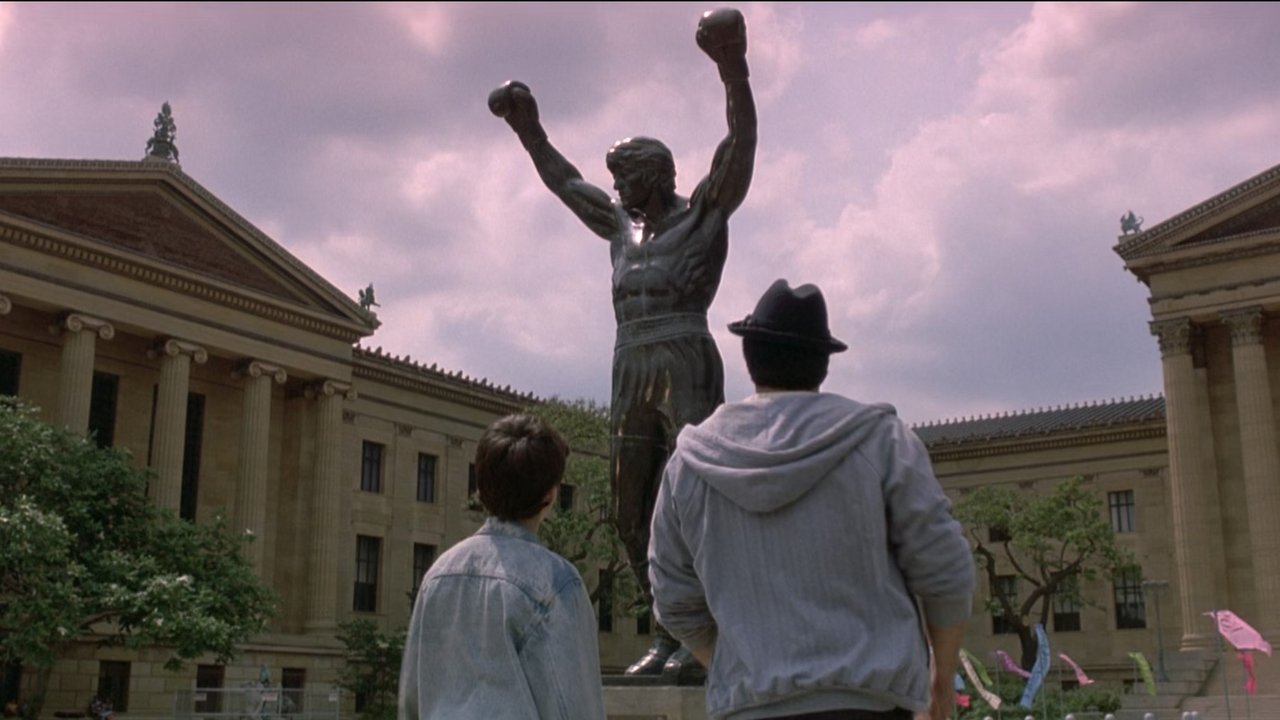
Despite its reputation, the film is a goldmine for franchise nerds. For one, it’s the only movie in the series where Rocky never actually has a professional sanctioned bout. Turns out, Tommy Morrison was actually recruited because Stallone saw him fight on television and was impressed by his "hooks." Morrison would go on to win the WBO heavyweight title in real life a few years later, which adds a layer of retroactive legitimacy to his performance.
Another detail that's easy to miss is the score. Bill Conti, the man behind the iconic "Gonna Fly Now," returned for this installment, but he tried to modernize the sound with hip-hop and early-90s street beats. It’s a bizarre mix that perfectly encapsulates the film’s identity crisis: it wants to be a 70s character study but feels the pressure to be a 90s blockbuster. If you look closely during the training scenes, you'll also spot a young Kevin Connolly (later of Entourage fame) making his film debut.
Rocky V isn't a "good" movie in the traditional sense, but it is an essential one for anyone who loves the evolution of cinema. It’s a stubborn, bruised, and occasionally baffling look at a hero who has stayed at the party too long. It lacks the polish of the later sequels, but it has a heart that’s still beating, even if it’s a little arrhythmia-prone. If you can stomach the melodrama and the questionable fashion choices, there is a soulful story here about finding out who you are when the cheering stops. It's the ultimate "guilty pleasure" for the Philly-obsessed.
Keep Exploring...
-
Rocky
1976
-
Rocky II
1979
-
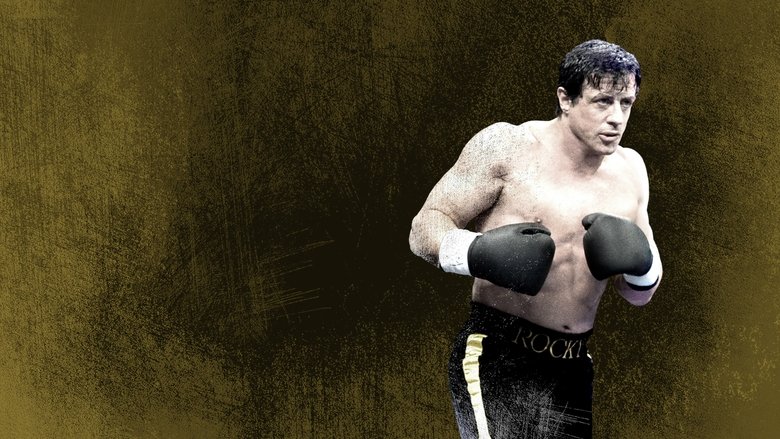
Rocky Balboa
2006
-
Rocky IV
1985
-
Rocky III
1982
-
The Expendables 3
2014
-
The Karate Kid Part II
1986
-
The Karate Kid Part III
1989
-
Over the Top
1987
-
Judge Dredd
1995
-
The Cable Guy
1996
-
Coyote Ugly
2000
-
Cellular
2004
-
The Skeleton Key
2005
-

High School Musical 2
2007
-

Never Back Down
2008
-

The Other Boleyn Girl
2008
-
Faster
2010
-
Beastly
2011
-
Colombiana
2011