Teenage Mutant Ninja Turtles
"Gritty, green, and remarkably human."
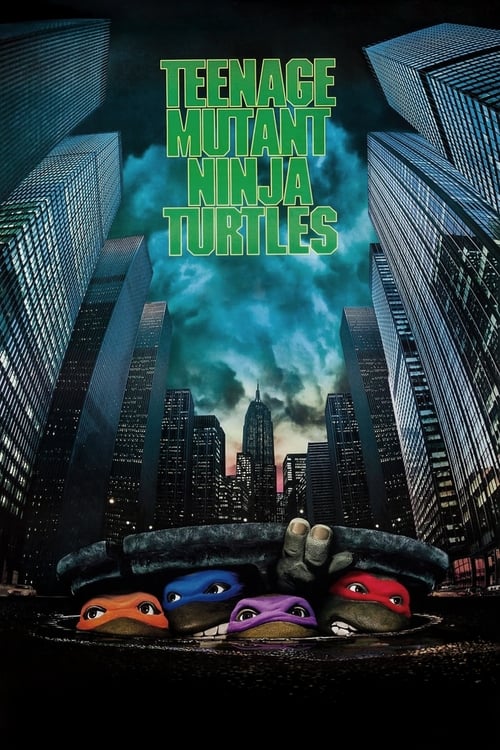
The New York City of 1990 wasn't the sparkling, glass-towered metropolis of the modern MCU. It was a cavernous, steam-venting sprawl of grime, graffiti, and shadows—a place where you could actually believe a secret society of ninjas was stealing all the VCRs. When Teenage Mutant Ninja Turtles hit screens, I’m not sure anyone was prepared for how much "New York" was actually in it. This wasn't the neon-soaked, Saturday morning sugar rush of the cartoon series. It was something weirder, darker, and infinitely more tactile.

I watched this recently while trying to eat a slice of cold pepperoni pizza that was definitely five days old, which felt like the most immersive, albeit medically questionable, way to experience Turtle culture. What struck me immediately wasn't the nostalgia, but the sheer physical weight of the production.
The Peak of Practical Magic
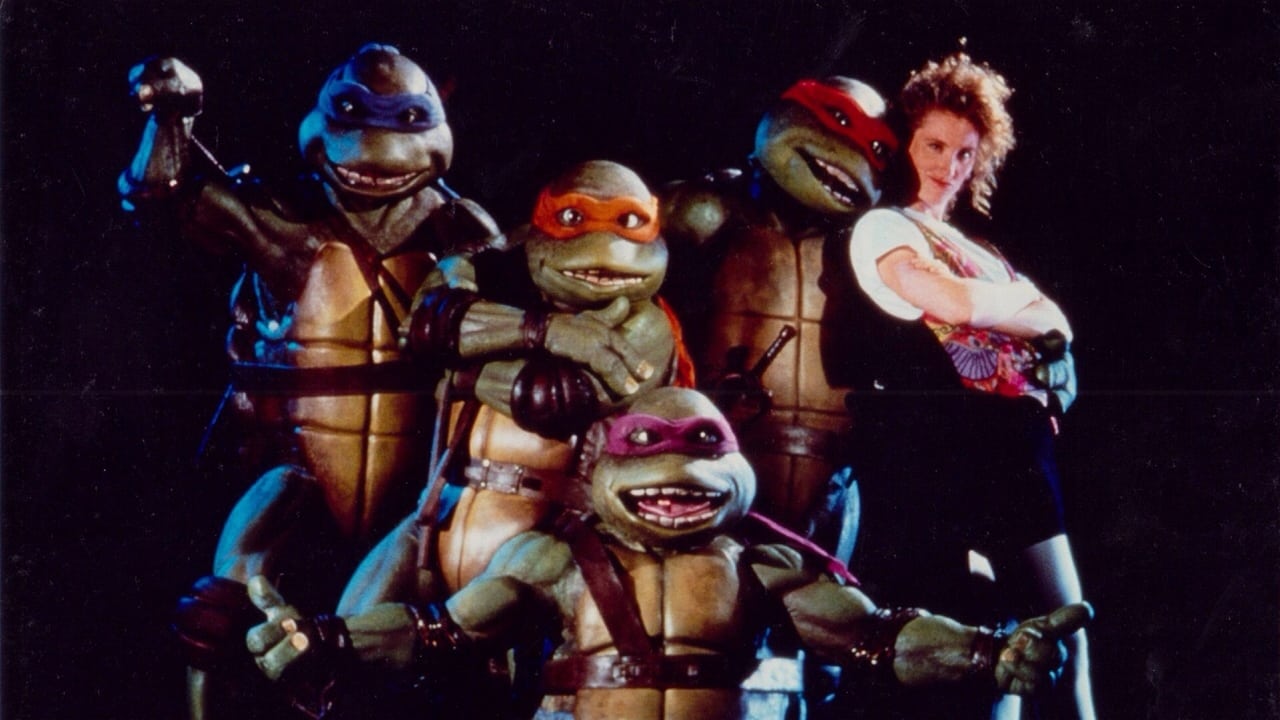
In our current era of "weightless" digital characters, looking back at the work of Jim Henson’s Creature Shop is a revelation. This was Henson’s final film project, and it stands as a towering achievement in animatronics. These aren't just rubber suits; they are remarkably expressive performances. Josh Pais, who pulled double duty as the voice and suit actor for Raphael, manages to convey genuine, simmering teenage angst through layers of latex. When Raph screams on a rooftop, you don't see a prop—you see a character having a breakdown.
The "CGI Revolution" was just around the corner with Jurassic Park (1993), but TMNT captures the absolute zenith of what hands-on craftsmanship could achieve. The way the mouths move, the blinking eyes, the sweat on the skin—it all creates a grounded reality. The 2014 reboot Turtles look like steroid-abusing Shreks compared to these expressive masterpieces. There is a soul in these 70-pound suits that no rendering farm has quite replicated.
Independent Spirit and Martial Arts
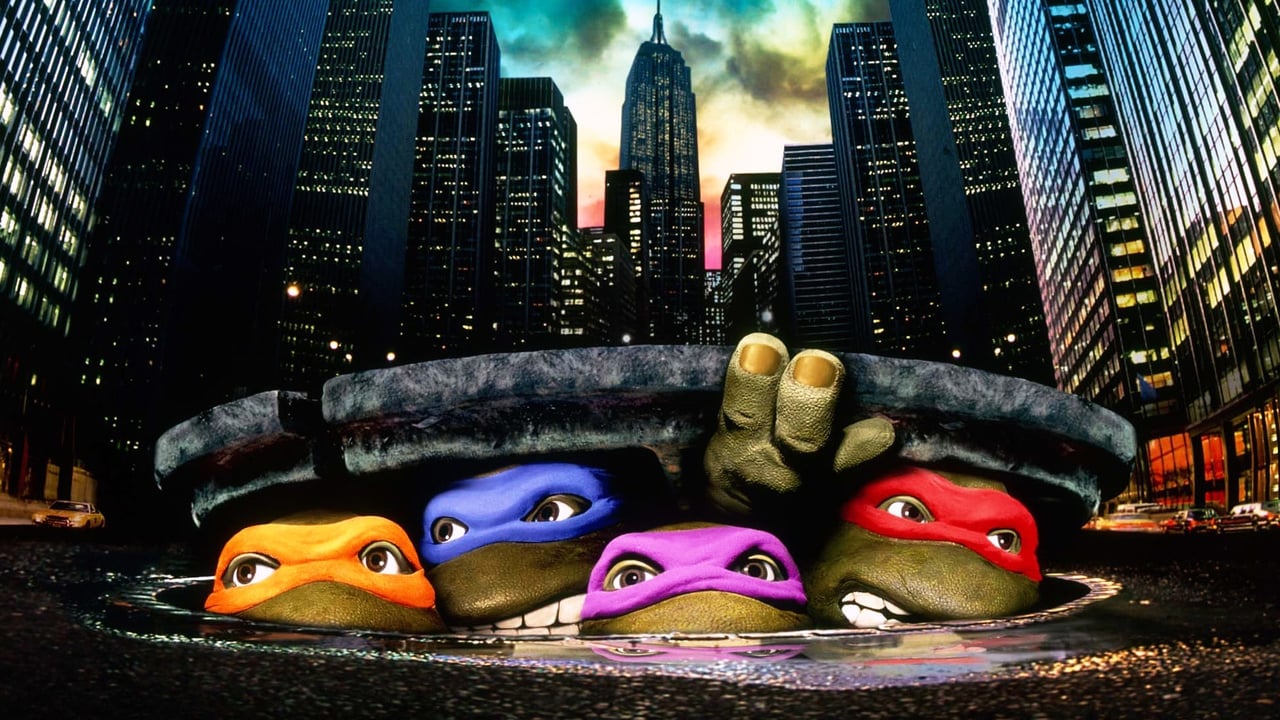
It’s easy to forget that this was a massive gamble for a fledgling indie studio. Steve Barron, who cut his teeth directing iconic music videos like A-ha’s "Take On Me," brought a distinct, moody visual language to the film. He treated it less like a toy commercial and more like a Hong Kong action flick filtered through a Brooklyn lens. The involvement of Orange Sky Golden Harvest (the legendary studio behind Bruce Lee and Jackie Chan) meant the fight choreography had actual teeth.
The warehouse showdown and the final rooftop battle with Shredder have a rhythm and impact that feel earned. When Elias Koteas—playing a perfectly unhinged Casey Jones—goes toe-to-toe with the foot clan, the stunts feel dangerous. Koteas and Judith Hoag (April O'Neil) provide a necessary human anchor, playing the absurdity with a straight face that keeps the stakes from floating away. Elias Koteas basically pioneered the "homeless vigilante chic" look decades before it became a gritty reboot staple.
A Box Office Miracle
The financial story of TMNT is the stuff of indie legend. With a modest $13.5 million budget, it raked in over $200 million worldwide. For a long time, it held the record for the highest-grossing independent film ever. Looking back, the secret sauce was its refusal to talk down to its audience. It leaned into the "Ninja" part of the title, embracing a tone that felt slightly dangerous for a "Family" movie.
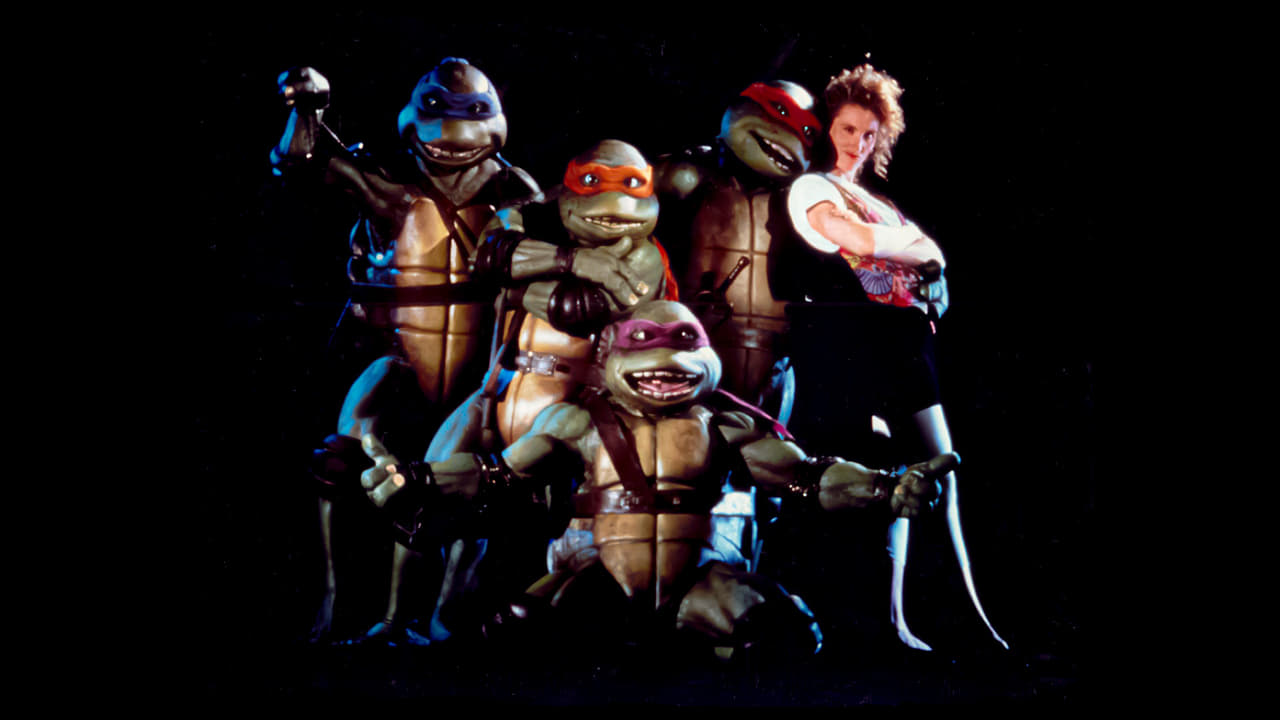
Apparently, the production was a grueling exercise in endurance. The actors inside the suits were reportedly losing several pounds of water weight a day due to the heat, and they had to be fed through straws inserted into the Turtle mouths. Corey Feldman, who voiced Donatello, famously took a massive pay cut to be part of the project because he loved the property, proving that even in the corporate 90s, some things were done for the love of the green.
The film also captures that specific pre-digital anxiety. The "Foot Clan" isn't a group of aliens; they’re a cult of runaway teens lured by video games and cigarettes—a very 1990s take on urban decay. It’s a snapshot of a world transitioning from the analog 80s into a more cynical decade, where even our heroes live in the literal sewers of society.
Teenage Mutant Ninja Turtles (1990) is the rare franchise starter that actually has a soul. It survives its era not because of the brand, but because of the incredible craftsmanship of the Henson team and a script that actually cares about brotherhood and isolation. It’s a gritty, pizza-greased time capsule that reminds us how much can be achieved when you trade pixels for sweat and rubber.
Keep Exploring...
-
Teenage Mutant Ninja Turtles II: The Secret of the Ooze
1991
-
Spy Kids
2001
-
Journey to the Center of the Earth
2008
-
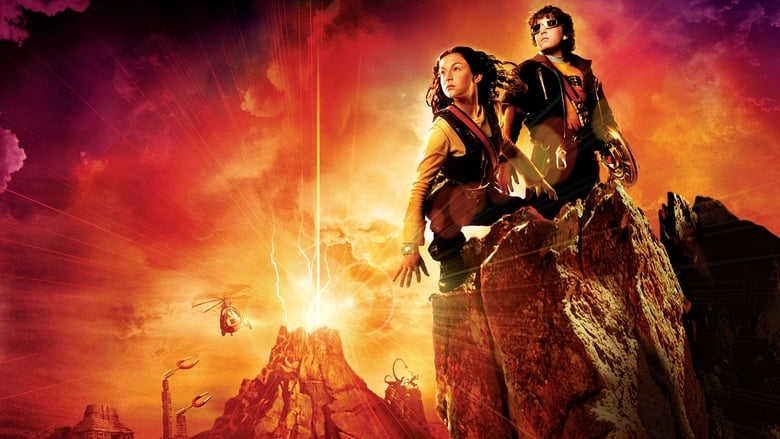
Spy Kids 2: The Island of Lost Dreams
2002
-
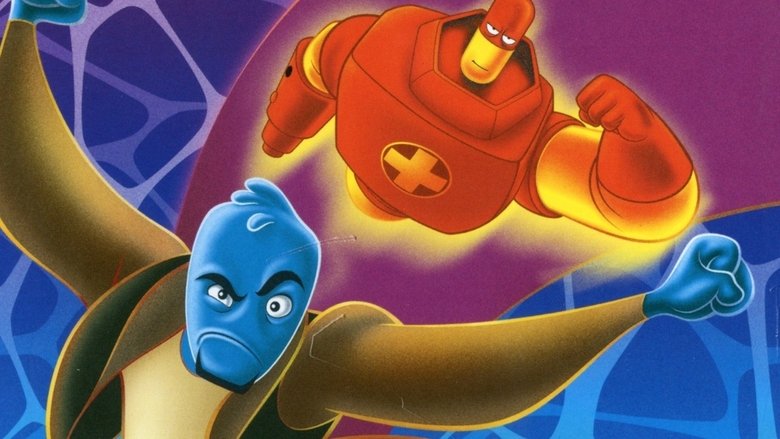
Osmosis Jones
2001
-
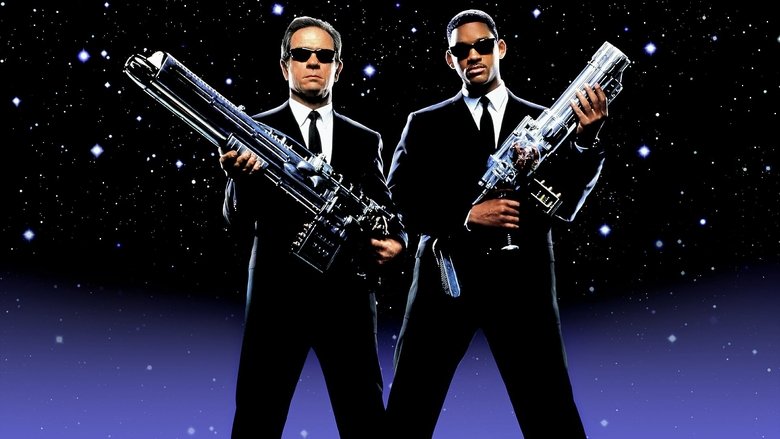
Men in Black
1997
-

Night at the Museum
2006
-
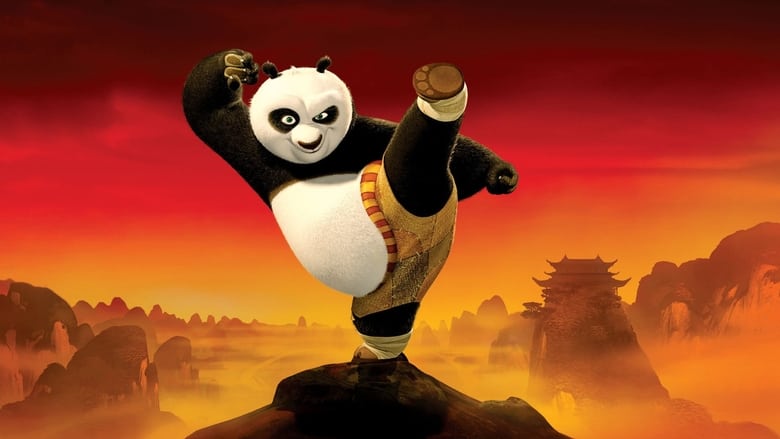
Kung Fu Panda
2008
-

Puss in Boots
2011
-
How to Train Your Dragon 2
2014
-
Last Action Hero
1993
-
Back to the Future Part III
1990
-
Bird on a Wire
1990
-
The Three Musketeers
1993
-
Jimmy Neutron: Boy Genius
2001
-
Honey, I Shrunk the Kids
1989
-
Hook
1991
-

Mystery Men
1999
-

Sinbad: Legend of the Seven Seas
2003
-
Meet the Robinsons
2007